GPU Us Hallucinating Frames

GPU Us Hallucinating Frames
Welcome to the wonderful world of AI frame generation, where your GPU has become less of a rendering engine and more of a creative writing major. The user sees something beautiful on screen and asks "did the computer actually render that?" and the GPU nervously sweats like "uh... sure, let's go with that." Technologies like DLSS 3 and AMD's Fluid Motion Frames literally have your GPU inventing frames that never existed in the game engine. It's not rendering anymore—it's predicting what should be there based on AI models. Your 120 FPS? Yeah, 60 of those are just your GPU's fever dreams. But hey, it looks smooth, so who's complaining? Just don't look too closely at those motion artifacts during fast camera pans. The GPU went from "I'll calculate every pixel" to "trust me bro, I know what comes next" real quick.

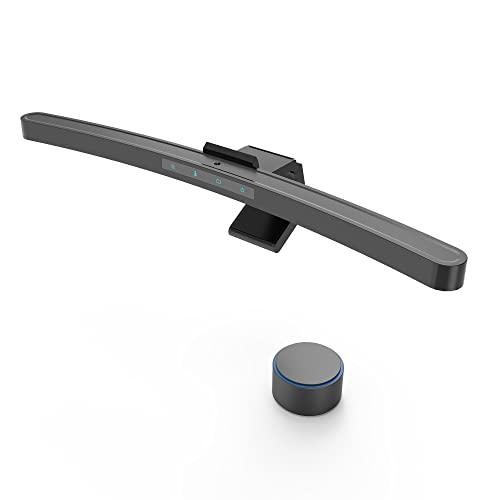
Touch Strip Finger Mount

Touch Strip Finger Mount
So macOS gets "Swoomp" – cute, minimalist, probably has a satisfying animation and costs $4.99. Windows? Oh honey, buckle up for "Internet Manager 6 Extreme" – sounds like it was named by a committee in 2003 who thought adding numbers and "EXTREME" made everything cooler. And Linux? "klitoris." Just... klitoris. No explanation, no context, maximum chaos. This is basically the personality test of operating systems. Mac users want their apps to sound like a gentle breeze through an Apple Store. Windows users are stuck with enterprise software energy that screams "I have 47 toolbars installed." And Linux users? They're out here naming things like they lost a bet, embracing the beautiful anarchy of open source where literally nobody can stop you from calling your file manager whatever cursed thing you want. The best part? All three apps probably do the exact same thing, but the vibes? Completely unhinged in their own special ways.

Remember When The Tech World Was A Haven For Us Geeks

Remember When The Tech World Was A Haven For Us Geeks
The tech industry's transformation from nerdy sanctuary to bro-fest captured in one devastating comparison. Back in the day, you'd find someone genuinely passionate about C++, PHP, Python, and Ruby—actual problem solvers who called themselves wizards unironically. Now? The industry's flooded with people who picked tech because they heard SWE salaries hit $300k, and their main interests are flexing their Tesla, hitting the gym, and... well, let's just say the motivations have shifted from "I want to build cool stuff" to "I want to afford bottle service." The visual language here is chef's kiss—traditional programming languages versus trendy frameworks and design tools (Nest.js, Astro, that sparkle emoji screaming "I do frontend because it's aesthetic"). The green checkmark versus red X really drives home which era gets the stamp of approval from the old guard. The tech gold rush brought in everyone, and suddenly your standup meetings went from debugging segfaults to discussing crypto portfolios and Porsche lease options.

Modders Have 3 Jokes

Modders Have 3 Jokes
Ah yes, the holy trinity of game modding creativity. Whenever a new PC game drops, you can set your watch by these three showing up: someone putting Shrek in it, someone adding CJ from GTA San Andreas, and someone cramming Thomas the Tank Engine into places he has absolutely no business being. Dragons? Nah, Thomas. Zombies? Thomas. Final boss? You guessed it—Thomas. It's like the modding community collectively agreed these are the three pillars of comedy and nobody's allowed to deviate. Skyrim? Check all three. Resident Evil? Yup. Elden Ring? Obviously. The predictability is both exhausting and somehow still hilarious every single time.

Intellisense Gets It

Intellisense Gets It
When your variable name is literally a desperate plea to your future self not to touch it, and IntelliSense helpfully suggests it like "Oh, you mean that variable you swore to God you wouldn't change?" Yeah, that one. The one with the profanity-laced comment. The one you created at 2 AM when the logic finally worked and you decided to never question it again. IntelliSense doesn't judge—it just knows you're about to break your own sacred oath.

Implemented A Self Handling Program

Implemented A Self Handling Program
Ah yes, the programmer's sacred ritual: spending two weeks automating a 10-minute task. Sure, you could just do it manually and move on with your life, but where's the fun in that? Instead, you'll write scripts, refactor them three times, add error handling, write tests, and maybe even containerize it because why not. The math never adds up, but somehow we keep doing it. You'll convince yourself it's "reusable" and "scalable" even though you'll probably never run it again. But hey, at least you learned a new library and can flex about your automation prowess in standup. The real kicker? Six months later when you actually need to run it again, the dependencies are broken and you spend another week fixing it. Peak efficiency right there.

Consistency Beats Talent. Meanwhile, The Consistency: Updating Spaces In Readme.

Consistency Beats Talent. Meanwhile, The Consistency: Updating Spaces In Readme.
Someone discovered the ultimate GitHub contribution hack: commit trivial README changes every single day to maintain that beautiful green graph. Look at that contribution grid—10,725 contributions in a year! Impressive, right? Until you scroll down and see seven consecutive "Update README.md" commits, all authored 19 hours ago, all verified. The irony here is chef's kiss. Sure, consistency is important in software development, but when your "consistency" is just fixing whitespace or adding a period to your README every day to keep your contribution streak alive, you're basically the coding equivalent of someone who goes to the gym just to take a selfie. Pro tip: GitHub counts contributions, not value. You could be shipping production-breaking code or fixing a typo in your README—both get the same green square. The contribution graph doesn't lie about frequency, but it sure doesn't tell the whole truth about impact.

I Love To Point

I Love To Point
Oh look, it's the anatomy of a C/C++ developer who's been Stockholm Syndrome'd into loving the most chaotic feature of their language! This developer is literally COVERED in awards for their pointer obsession: "I love C++" on the head (naturally, it's a brain disease), "Most likely to crash" (wear it with pride, bestie), "Returning nullptr" (because why return actual values when you can return NOTHING and watch the world burn?), and the crown jewel - "Foot shooter" award. Because nothing says "I'm a responsible adult programmer" quite like giving yourself the tools to blow your own foot off on a daily basis. Pointers are like giving a toddler a loaded gun and being surprised when chaos ensues, but somehow we keep coming back for more!

I Just Learned Decision Tree And It Shows

I Just Learned Decision Tree And It Shows
When you learn decision trees in your first ML class and suddenly think you can classify the entire animal kingdom with two features. The tree confidently declares that anything with ≥2 legs but <3 eyes is either a spider or a dog. Naturally, our penguin friend here gets classified as a dog because it has 2 legs and 2 eyes. The logic is flawless, the execution is perfect, the result is... well, technically a dog now. This is what happens when you oversimplify your feature set and have the confidence of someone who just finished chapter 3 of their machine learning textbook. Sure, the decision tree works exactly as programmed, but maybe—just maybe—we needed more than "number of legs" and "number of eyes" to distinguish between spiders, dogs, and flightless aquatic birds.

Make It Until You Break It

Make It Until You Break It
The universe has a sick sense of humor. Vercel, the platform literally built to host all those shiny new AI-powered SaaS apps, just got absolutely wrecked by... *checks notes* ...a third-party AI tool. The irony is so thick you could deploy it to production. Imagine building your entire infrastructure to support the AI revolution, only to have some random AI app with OAuth access become your worst nightmare. It's like being a locksmith who gets robbed because they left their keys in the door. The platform that enables developers to ship AI features faster than you can say "npm install" got compromised through the very ecosystem it was designed to support. Chef's kiss of cosmic justice right there. The security incident is dated April 2026, which means this is either a time traveler's warning or someone's having way too much fun with Photoshop. Either way, the message is clear: you can build the most cutting-edge platform in the world, but if your users are out here handing OAuth tokens to sketchy AI tools like candy on Halloween, you're gonna have a bad time.

Series B Or Bust

Series B Or Bust
Startup founder priorities are something else. Man's literally choosing venture capital funding rounds over human connection. "Sorry, can't date until we close Series B" is the tech bro equivalent of "I need to focus on myself right now" except it's actually true and somehow sadder. The natural progression here is beautiful: gym → potential romance → immediate retreat to building AI agents. Because nothing says "emotionally available" quite like automating your entire workflow instead of having a conversation. At least the agentic workflows won't ask uncomfortable questions about your life choices.

Friends Outside Of Tech Lol Copilot Is Dumb Friends In Tech I Just Bought Iodine Tablets

Friends Outside Of Tech Lol Copilot Is Dumb Friends In Tech I Just Bought Iodine Tablets
Non-tech folks are laughing at AI coding assistants making silly mistakes, meanwhile developers who actually use these tools daily are preparing for the robot apocalypse. The contrast is *chef's kiss* – while outsiders see Copilot as a quirky autocomplete that suggests hilariously wrong code, those in the trenches understand that we're basically teaching machines to write code that will eventually replace us. The iodine tablets reference hits different when you realize devs are simultaneously building AGI while stockpiling survival supplies for when it inevitably goes sideways. Nothing says "I trust my work" quite like prepping for nuclear fallout while shipping AI features to production.