Iot Memes

Internet of Things (IoT): connecting devices that nobody asked to be connected since 2008. These memes celebrate the wild world of smart toasters, refrigerators that tweet, and security cameras with password defaults of "admin/admin". If you've ever wondered why your lightbulb needs a firmware update, struggled to explain to your parents why their thermostat needs WiFi, or created a Raspberry Pi solution for a problem that didn't exist, these memes capture the beautiful absurdity of putting chips in everything and hoping for the best.
My Poor Tired Raspberry Pi

My Poor Tired Raspberry Pi
Started with "I'll just run a Pi-hole on it." Then added Home Assistant. Maybe a little Plex server? Oh, and a VPN would be nice. And why not throw in a web server, a Discord bot, a weather station, and that random Docker container you found on GitHub at 2 AM? That poor little ARM processor is running more services than AWS has regions. The SD card is crying, the temperature is approaching the surface of the sun, and you're still browsing r/selfhosted for "one more thing" to add. The Raspberry Pi: bought for $35, now doing the work of a $3,500 server. No wonder it's tired, boss.

I Had To Guys I Had To

I Had To Guys I Had To
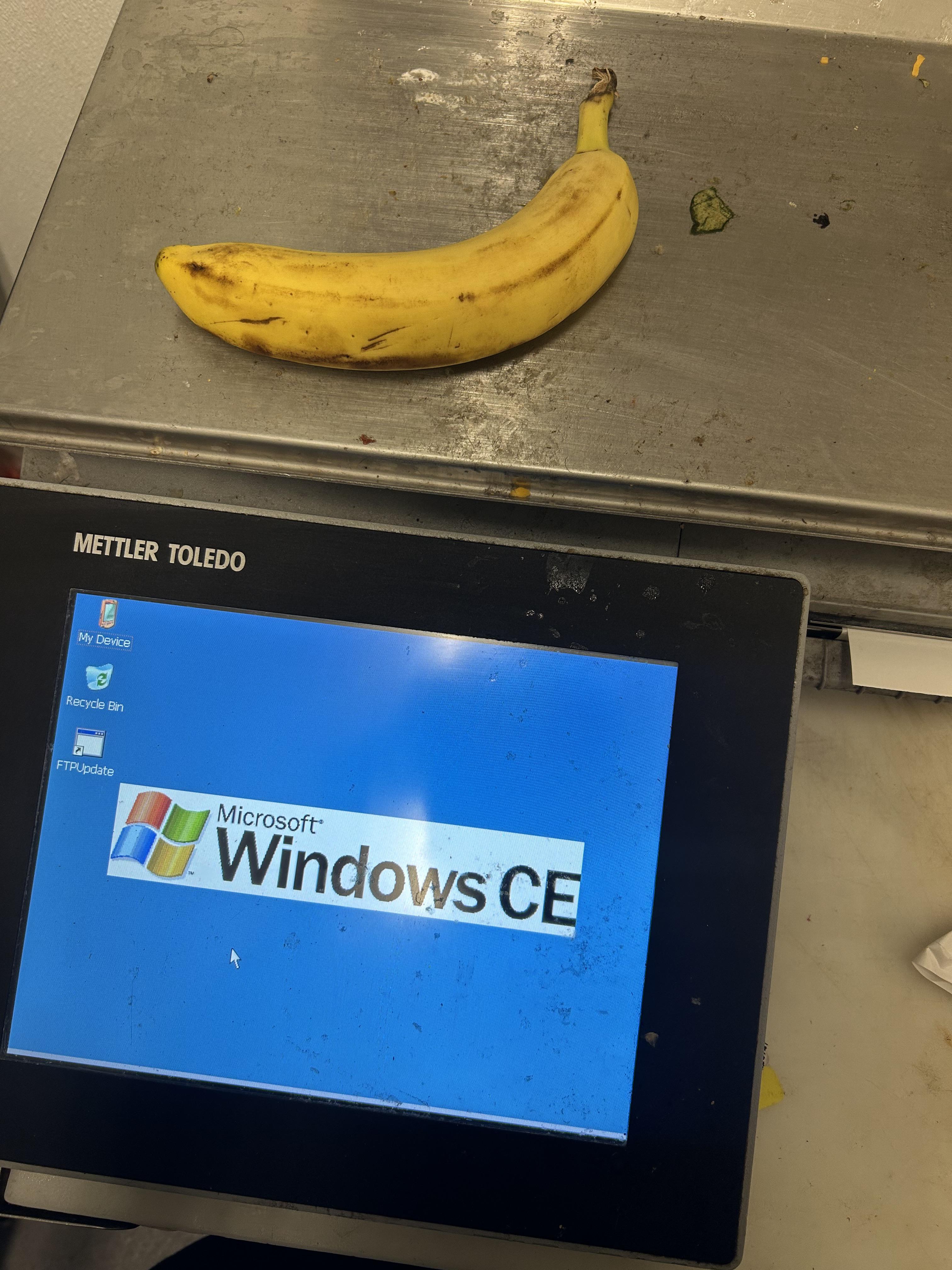
So someone installed an entire operating system on their car's infotainment system and the specs read like a Pentium II from 1998. Single-core processor, "random overclocks" (which is code for "it thermal throttles whenever it feels like it"), zero multitasking capability, and it literally crashes into sleep mode. The cat's expression says it all. That perfect mix of pride and "I know this is terrible but I regret nothing." Running a full desktop OS on hardware that can barely handle a calculator app is peak engineer energy. Your car now boots slower than it accelerates. The "orange car OS" is likely a reference to installing Linux (probably Ubuntu or some custom distro) on automotive hardware that was never meant to do anything more complex than display a backup camera. Godspeed to whoever has to wait 45 seconds for their AC controls to load.

I Thought My Lights Were Broken

I Thought My Lights Were Broken
Setting RGB lights to white and getting blue instead is the hardware equivalent of expecting "Hello World" but getting a segfault. RGB color mixing works by combining Red, Green, and Blue channels - so white should be (255, 255, 255). But if you're getting blue, either your red and green LEDs decided to take a vacation, or someone's firmware is having an existential crisis. It's like asking for coffee with cream and sugar but receiving straight espresso with a side of disappointment. The hardware gods have spoken, and they said "no."

This Is Why We Can't Have Nice Things

This Is Why We Can't Have Nice Things
Self-hosting enthusiasts watching cloud providers rain down their "enshittification" on the masses. Meanwhile, Arduino—the beloved open-source hardware platform that powered countless DIY projects—just updated their ToS to prohibit reverse engineering. You know, the exact thing their entire ecosystem was built on. Nothing says "we're getting acquired by a massive corporation" quite like suddenly caring about IP protection after years of encouraging hackers to tinker with your stuff. Qualcomm's lawyers must've had a field day drafting that one. The self-hosted crowd is sitting pretty smug right now, and honestly? Can't blame them. When your Arduino board starts requiring a subscription service, at least you'll know where to find them—in their basement server room, running everything on a Raspberry Pi.

We Used To Own Things

We Used To Own Things
Remember when you bought software and it just... worked? No phoning home, no "verify your license," no mandatory updates that brick your workflow. Now your $2000 Adobe subscription needs to check in with the mothership before letting you edit a PNG. Your smart fridge won't dispense ice without WiFi. Your car's heated seats are locked behind a monthly paywall. The shift from ownership to perpetual rental is real. You're not buying products anymore—you're leasing access to features that physically exist in hardware you paid for, but are artificially gated by DRM and always-online requirements. It's the SaaS-ification of everything, where companies realized they can extract infinite revenue from finite purchases. The kicker? When their servers go down or they decide to discontinue the service, your "purchase" evaporates into the cloud. You don't own your games, your music, your tools—you're just renting them until the company decides otherwise. Welcome to the future, where everything is a service and nothing truly belongs to you.

Zero Days Since Power Supply Sacrifice

Zero Days Since Power Supply Sacrifice
That moment when your 12V high-power supply becomes a molten puddle... again . Hardware engineers know the pain of watching expensive power components turn into modern art because someone connected the wrong polarity or tried to draw 20 amps from a 5 amp supply. The perpetually reset counter is basically a monument to our collective hubris—thinking "this time I've triple-checked everything" right before the magic smoke escapes. The poor dog breaking through the wall has seen this disaster so many times it's developed PTSD. Zero days of electrical safety achievement unlocked!

Bring Back Dumb Tech

Bring Back Dumb Tech
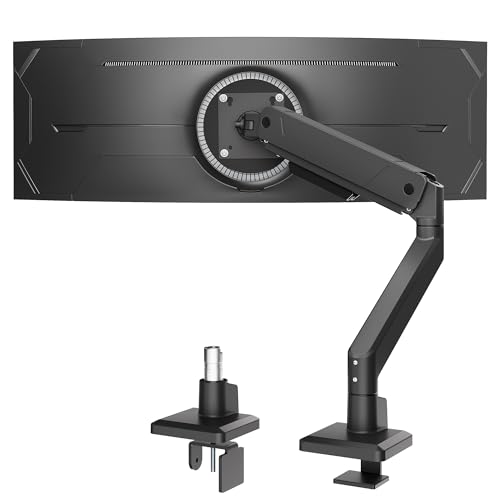
Ah, the dystopian future we've built ourselves! Smart beds that need AWS to function properly is peak 21st century nonsense. Imagine spending $3000 on a bed that suddenly decides to turn into a George Foreman grill because some server farm in Virginia had a hiccup. This is why my grandpa's wooden bed frame from 1962 remains undefeated. Zero cloud dependencies, zero chance of waking up at a 45-degree angle because a DevOps intern pushed to production on a Friday afternoon. Remember when "it just works" meant something actually worked? Now it means "it just works until the next outage, then you're sleeping in a hot dog toaster."

Low Tech Security Wins Again

Low Tech Security Wins Again
When your smart home security system is hosted on AWS but your door lock is still from the 1970s, that's what we call "unplanned redundancy." While tech bros panic during cloud outages, you're smugly inserting a metal key into an analog hole like some kind of digital caveman. Congratulations on your accidentally robust architecture.

The Original Vibe Coders

The Original Vibe Coders
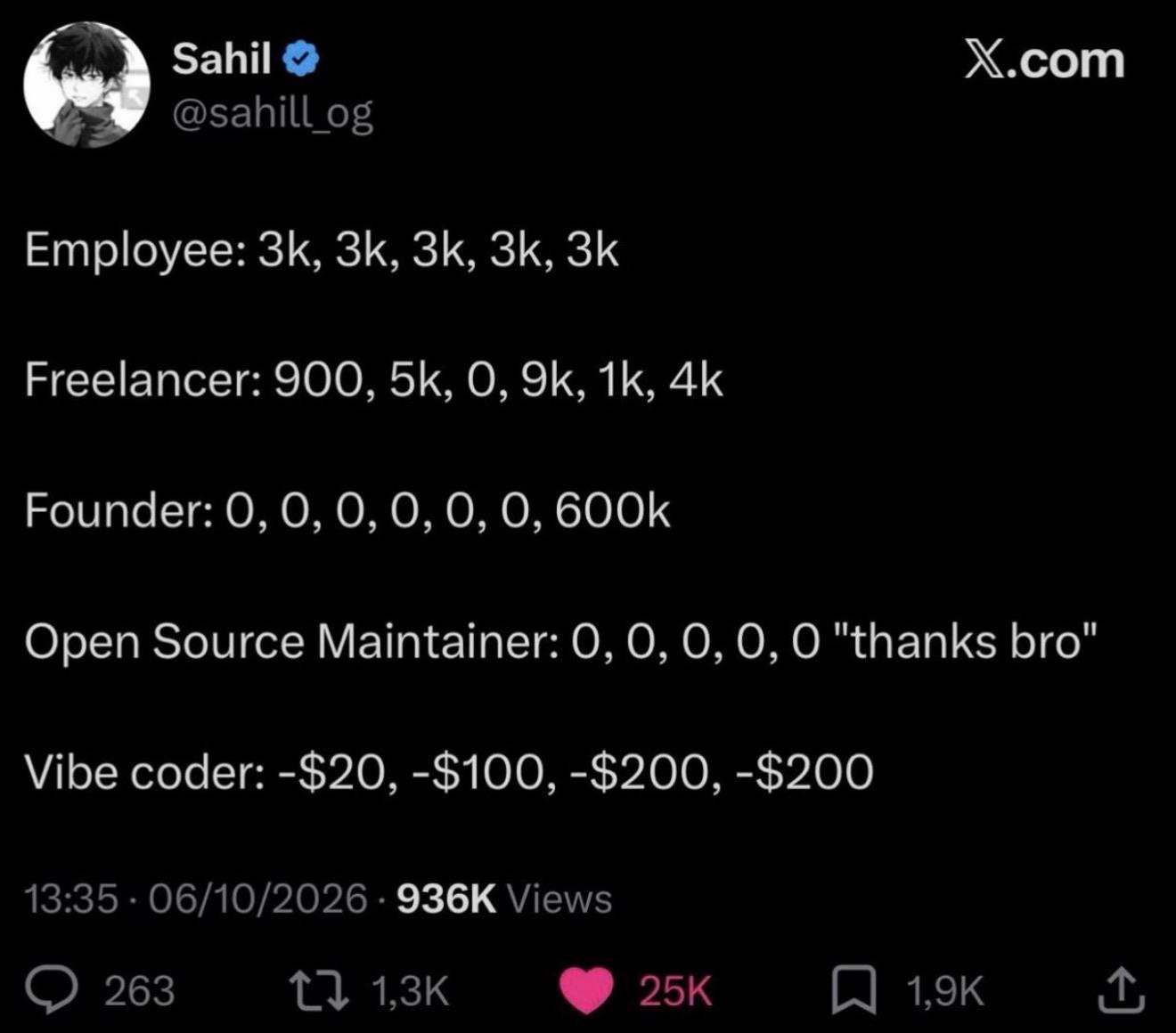
OH. MY. GOD. The absolute AUDACITY of the tech world to co-opt "vibe coding" when Buttplug.io was over here LITERALLY making devices vibrate with code since FOREVER! 💅 They're not just coding - they're controlling actual vibrating hardware while everyone else is just talking about ~vibes~. The irony is just TOO MUCH to handle! When your open-source project for intimate hardware becomes an accidental trendsetter, you know you've reached peak tech absurdity. Buttplug.io walked so Gen Z coders could run with their "vibe coding" aesthetic. The marketing department they never hired deserves a raise!

Schrödinger's Filament Factory

Schrödinger's Filament Factory
Ah yes, the Schrödinger's printer. Currently exists in a superposition of "working perfectly" and "about to print a benchy that looks like it was chewed by a rabid squirrel." Internet horror stories have conditioned us to believe that one wrong glance at a 3D printer will summon the spaghetti gods. The reflective surface is just waiting to show you your own disappointed face when you realize you forgot to level the bed... again.

Make Sure To Only Ever Have One Type Of Sensor In Your Device

Make Sure To Only Ever Have One Type Of Sensor In Your Device
Ah, the classic "cameras ftw" approach to autonomous driving. Nothing says "trust me with your life at 70mph" like removing redundant safety systems because they occasionally disagree. It's like firing the co-pilot because sometimes they suggest a different route than the GPS. Next update: replacing airbags with motivational stickers that say "just don't crash." For the uninitiated: LiDAR uses laser pulses to measure distances, radar uses radio waves, and cameras use... well, cameras. Most autonomous vehicle experts believe multiple sensor types provide crucial redundancy. But who needs backup systems when you've got vibes?

The New IPv5 Addresses With A Fifth Octet

The New IPv5 Addresses With A Fifth Octet
Ah, the mythical IPv5 has finally arrived, complete with a fifth octet. For those not in the know, IPv4 addresses have 4 octets (like 192.168.1.1) and IPv6 has 8 hexadecimal groups. This security camera boldly displaying "90.87.14.01.01" is basically the networking equivalent of finding a unicorn. Someone clearly skipped the entire IETF standardization process and went straight to production. Next up: TCP packets delivered via carrier pigeon.