

Windows Memes

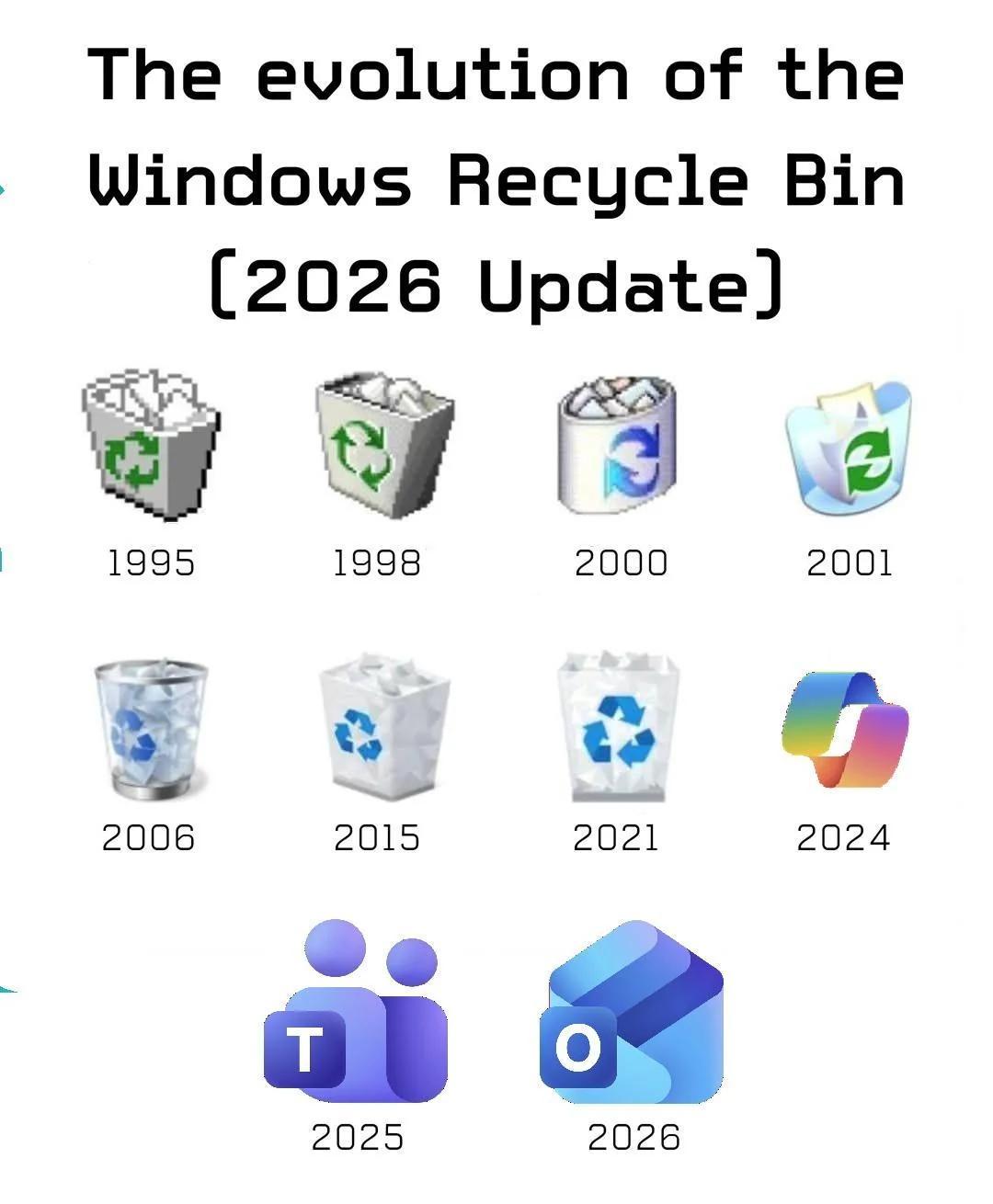
Windows: where the Blue Screen of Death is a rite of passage and the Start Menu design changes more often than most people change their passwords. These memes celebrate the operating system that powers most of the world's business computers and gaming rigs alike. If you've ever experienced the special horror of Windows deciding to update right before an important presentation, defended your choice to use Windows for development in a room full of Mac users, or felt the satisfaction of running software from 1998 that somehow still works, you'll find your fellow survivors here. From the legacy of Internet Explorer to the surprising renaissance of the Terminal, this collection honors the OS that most of us grew up with—complete with its charming quirks like needing to restart after seemingly every minor change and maintaining backward compatibility with software older than many of its users.


How Steam Was Born

How Steam Was Born
Someone at Valve looked down one day and realized they could literally see steam coming off their body. That's when Gabe Newell had his eureka moment: "What if we made a platform that's equally bloated and impossible to get rid of?" And just like that, the gaming distribution monopoly was born. The platform runs on the same principle as this person's chair—constantly under pressure and making concerning noises, but somehow still operational after 20 years.

Real

Real
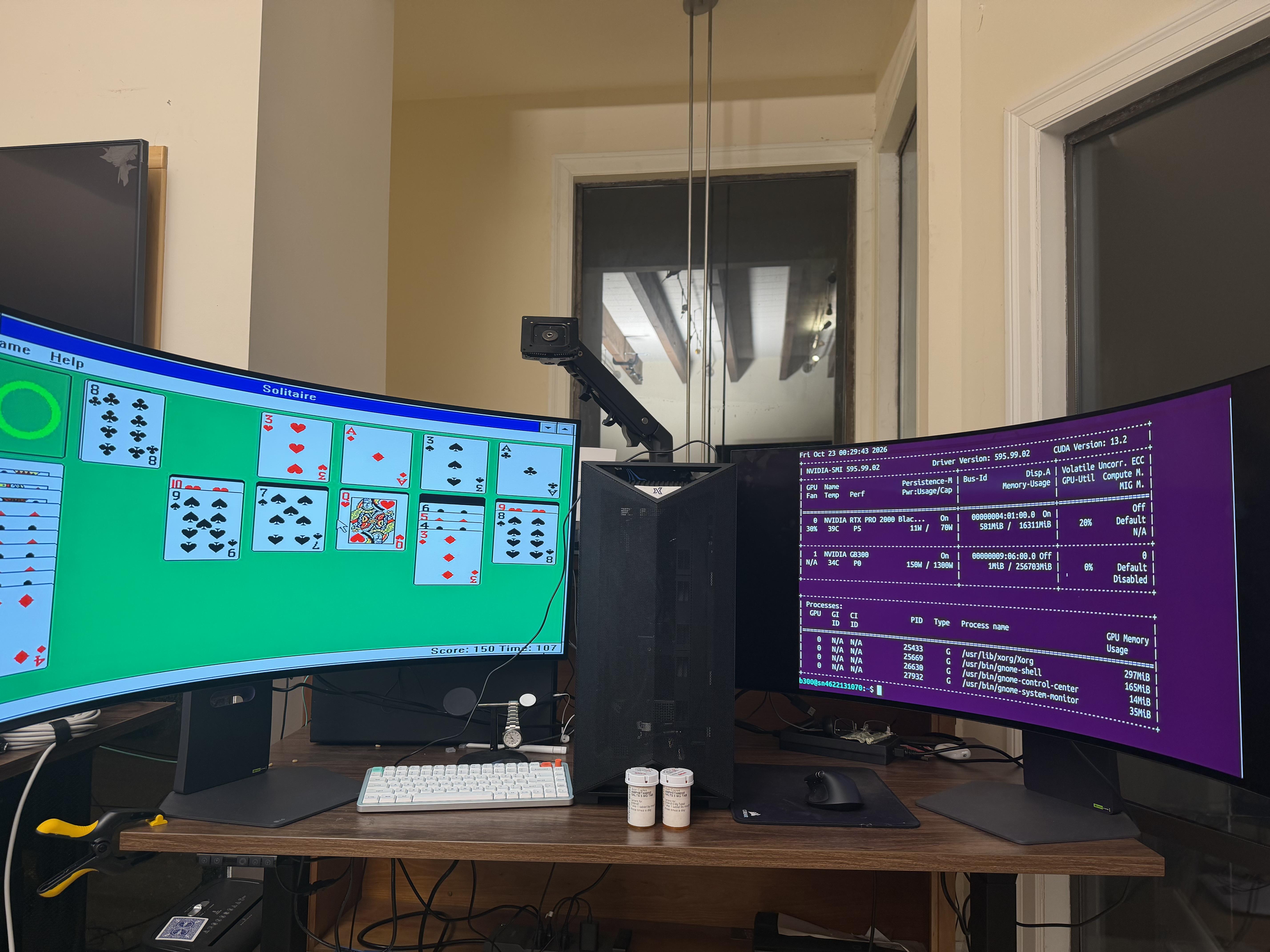
You know that feeling when you boot into Windows for "just one thing" and suddenly you're confronted with forced updates, driver issues, the sheer audacity of Candy Crush being pre-installed again, and a UI that can't decide if it's from 2001 or 2023? Yeah, Linux users last about 10 minutes before they're literally kissing the ground in relief to be back home. It's like leaving your perfectly configured i3wm setup with your custom dotfiles to use an OS that thinks you need Cortana. The psychological damage is immediate and severe. We tell ourselves "I'll just test this one thing in Windows" and end up speedrunning back to the terminal where everything makes sense and you don't need to restart for every single update. The grass isn't greener on the other side when you've spent years cultivating your own perfect Linux garden. Windows is just a reminder of why you left in the first place.

Hypervisors Are Pretty Disloyal

Hypervisors Are Pretty Disloyal
Your hypervisor is out here playing the field like it's running a whole datacenter behind your back. You think you're special with your little VM setup, but nah—that hypervisor is simultaneously sweet-talking Windows Server 2019, Windows 11, and Kali Linux all at the same time. Talk about commitment issues. That's literally the job description though: running multiple operating systems concurrently while making each one think it's got exclusive access to the hardware. The ultimate player in the virtualization game, and we're all just VMs in its harem.

We Read Between The Lines

We Read Between The Lines
When a Distinguished Engineer at Microsoft posts about a "research project" involving Rust and language migration tooling, the entire tech community immediately assumes Windows is getting rewritten in Rust with AI. Because obviously that's the only logical conclusion, right? The poor guy had to issue a clarification that basically reads like a panicked "GUYS NO STOP" after the internet collectively decided his innocent recruitment post was secretly announcing the death of C++ at Microsoft. He's literally just trying to hire some engineers for a multi-year research project, but developers have become so good at reading corporate tea leaves that they've evolved into full-blown conspiracy theorists. The funniest part? He had to explicitly state that Rust is NOT an endpoint. Like, imagine having to clarify that your experimental tooling project isn't going to replace the entire Windows kernel. That's the level of speculation we're dealing with here. The developer community saw "Microsoft + Rust + AI" and immediately started planning their C++ funeral arrangements. Pro tip: When your LinkedIn post needs an "Update" section longer than the original post to walk back assumptions you never made, you've successfully triggered the tech hivemind.

Back In Time

Back In Time
Modern RGB gaming rigs with their NVMe SSDs and 64GB RAM boot faster than you can blink, and they have the audacity to apologize for taking 3 seconds. Meanwhile, that beige tower from 2003 needed a solid 10 minutes just to POST, let alone load Windows XP. You'd literally hit the power button, go make coffee, check your email on your phone, come back, and it'd still be whirring away like a jet engine trying to load the desktop icons one by one. The real kicker? That ancient machine would take 5 minutes just to get to the point where you could click on Need For Speed: Underground. Then another 5 for the game to actually load. Kids these days complaining about 2-second load screens have no idea about the character-building experience of waiting for a single application to launch while listening to your hard drive sound like it's grinding gravel.

Linux Users Rose By 22.4% On That Site (I Guess This Is A Tradition Now)

Linux Users Rose By 22.4% On That Site (I Guess This Is A Tradition Now)
So Linux desktop traffic jumped 22.4% in 2025, and we all know exactly which "site" we're talking about here. You know, the one with the orange and black logo that rhymes with "corn tub." The joke is that every year, Linux users supposedly flock to adult entertainment sites in disproportionate numbers, creating this recurring meme where Linux gains massive percentage increases on *that* platform specifically. It's become an annual tradition to roast the Linux community for this statistical... anomaly. Meanwhile, Chrome OS is bleeding users (-7.1%) because apparently even Chromebook owners have standards. Windows barely budged, Mac stayed flat, but Linux? Linux users are out here single-handedly keeping the internet interesting with their 22.4% surge. The real question: are Linux users just more honest about their browsing habits, or is configuring Arch so exhausting that they need extra... relaxation time? Either way, 2025 is the year of the Linux desktop. Just not in the way Linus Torvalds imagined.

Some But Not All

Some But Not All
Windows Network Diagnostics: the digital equivalent of a Magic 8-Ball that only knows how to say "Try again later." You click it knowing full well it's about to spend 30 seconds pretending to work, only to tell you it found nothing wrong while your internet is clearly dead. It's like calling tech support and having them ask if you've tried turning it off and on again, except the support agent is a progress bar with commitment issues. The best part? Sometimes it actually claims to have fixed something, but your connection is still broken. Truly the participation trophy of troubleshooting tools.

Welcome, Friends!

Welcome, Friends!
You know you've found your people when someone casually mentions they manually uninstalled McAfee. That's not just a friend—that's a battle-hardened warrior who's stared into the abyss and survived. McAfee is basically the herpes of software: it comes pre-installed on your new PC, refuses to leave, and makes everything slower. The uninstall process is so notoriously difficult that John McAfee himself once made a satirical video about it. So yeah, if someone went through the seven circles of registry hell to purge this digital parasite, they deserve a medal and immediate friendship status.

Calms Down *

Calms Down *
You know that mini heart attack when your app freezes and you're frantically wondering if it's an infinite loop, a memory leak, or if you just accidentally deployed to production? Then you crack open Task Manager like you're about to perform emergency surgery, and boom—the program just... fixes itself. No explanation, no error logs, nothing. It's like your code looked you in the eye and said "I was just messing with you." The best part? You'll never know what actually happened. Was it a race condition? A lazy garbage collector? The ghost of a developer past? Doesn't matter. Close Task Manager, pretend it never happened, and hope it doesn't come back during the demo tomorrow.

Windows Troubleshooting Source Code Leaked

Windows Troubleshooting Source Code Leaked
The entire Windows troubleshooting experience distilled into six lines of C code. Search for problems, wait exactly 60 seconds while pretending to scan your entire system, then confidently report nothing was found. The sleep timer is particularly accurate—you can practically hear the progress bar crawling across your screen while it does absolutely nothing. Microsoft's troubleshooter has been gaslighting users since Windows XP, convincing millions that their problems simply don't exist. Revolutionary problem-solving methodology: if you can't find the issue, just tell them there isn't one.

Built With Love, Closed With Fear

Built With Love, Closed With Fear
The duality of PC ownership perfectly captured. Top panel: RGB lighting synchronized to perfection, custom water cooling loops that could double as modern art, cable management so clean you could perform surgery in there. Bottom panel: a Lovecraftian horror of tangled cables, dust bunnies the size of actual bunnies, and a hard drive held in place by hopes and prayers. We all start with grand ambitions of maintaining that showroom aesthetic. Then reality hits: you need to swap a drive, add more RAM, or god forbid, troubleshoot something. Three years later, you're too terrified to open the case because you know what's waiting in there. The RGB still works though, and that's what counts when the side panel stays firmly screwed shut. Pro tip: if you never open it again, it stays beautiful in your memory.

Develop Once Debug Everywhere

Develop Once Debug Everywhere
Cross-platform development promised us sleek futuristic vehicles gliding smoothly across Linux, macOS, and Windows. Instead, we got a post-apocalyptic convoy hauling PyInstaller, DLLs, .NET runtime, Chromium (because why NOT bundle an entire browser?), Unity runtime, inpackage, and Node.js like they're essential survival supplies in Mad Max. The expectation: Write once, run anywhere! The reality: Write once, spend three weeks figuring out why it works on your machine but explodes on literally every other platform. Bonus points for the 500MB "lightweight" app that's basically Electron wearing a trench coat pretending to be native. Nothing says "cross-platform efficiency" quite like shipping half the internet just to display a button. Beautiful.