

They Remain Unrivaled When It Comes To This

They Remain Unrivaled When It Comes To This
Microsoft and EA shaking hands over their shared passion for acquiring beloved game studios, milking them for a few titles, and then shutting them down like it's some kind of competitive sport. It's basically corporate speed-running but instead of finishing games fast, they're finishing entire development teams. The track record speaks for itself—Bullfrog, Westwood, Visceral, Maxis, BioWare (slowly dying), Lionhead... the list reads like a gaming graveyard. Microsoft's been on a shopping spree lately with Bethesda and Activision-Blizzard, so we're all just waiting to see which studio gets the axe next. Nothing says "we value creativity" quite like turning passionate developers into quarterly earnings reports and then pretending they never existed.

Shoulda Listened

Shoulda Listened
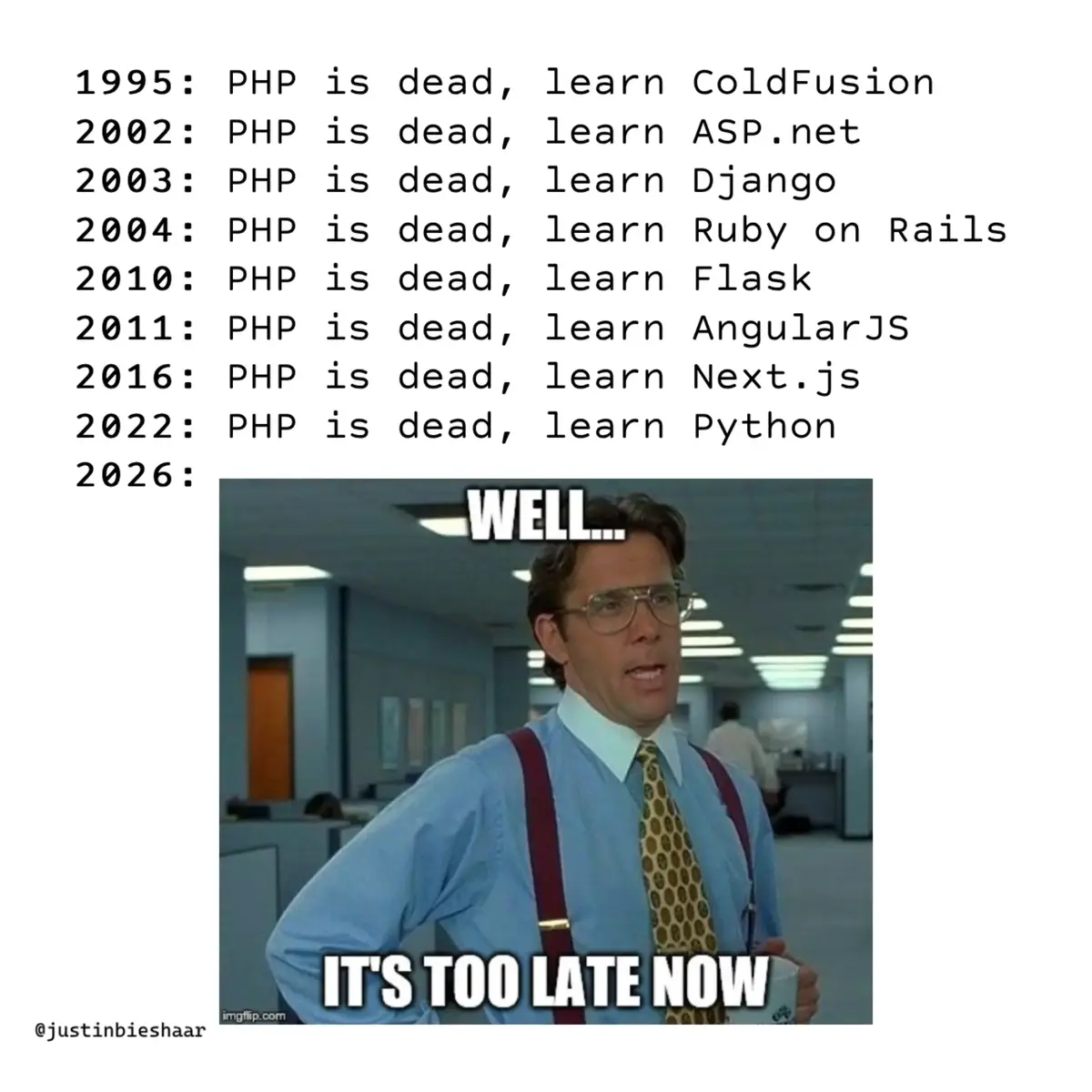
Three decades of people screaming "PHP is dead!" and here we are, still writing it. The beautiful irony? Every alternative they pushed you toward had its moment in the sun, then faded into "legacy code" territory, while PHP just... kept going. ColdFusion, ASP.net, Django, Rails, Flask, AngularJS (RIP), Next.js, Python—all great technologies, but the tech industry's favorite pastime is declaring things dead and forcing migrations. Meanwhile, PHP developers have been quietly maintaining 78% of the web, getting paid, and watching the JavaScript framework circus from a safe distance. The punchline? You ignored all the "PHP is dead" warnings for 30 years, built your career on it, and now you're too invested to jump ship even if you wanted to. Your entire codebase is PHP, your team knows PHP, your deployment pipeline is PHP. Congratulations, you've become the legacy system. Fun fact: WordPress (PHP) still powers 43% of all websites. So yeah, "dead" language running nearly half the internet. Makes total sense.

PHP Peasantry

PHP Peasantry
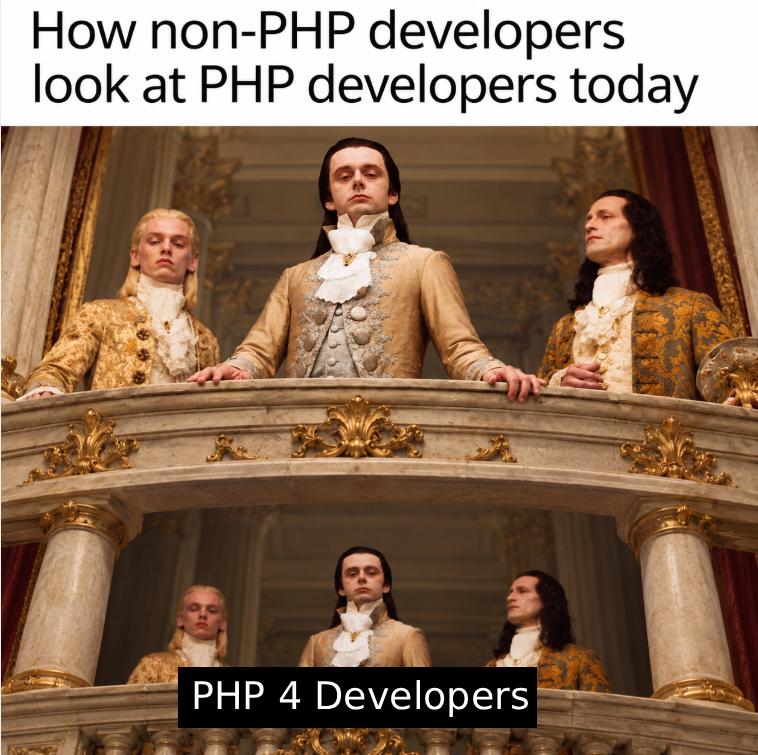
The absolute AUDACITY of the programming world right now! Non-PHP developers strutting around like aristocratic snobs in their fancy JavaScript frameworks and their "modern" languages, looking down from their ivory towers at the PHP developers who are just... existing. Meanwhile, PHP devs are down there powering like 77% of the internet (WordPress, anyone?) but getting treated like they're coding with quill and parchment. The DISRESPECT is real! These poor souls are out here keeping the web running while everyone else is busy arguing about which React hook is superior. It's giving "let them eat $_POST " energy.

Using Namespace Std, Then Proceeds To Spell Out Std Anyway

Using Namespace Std, Then Proceeds To Spell Out Std Anyway
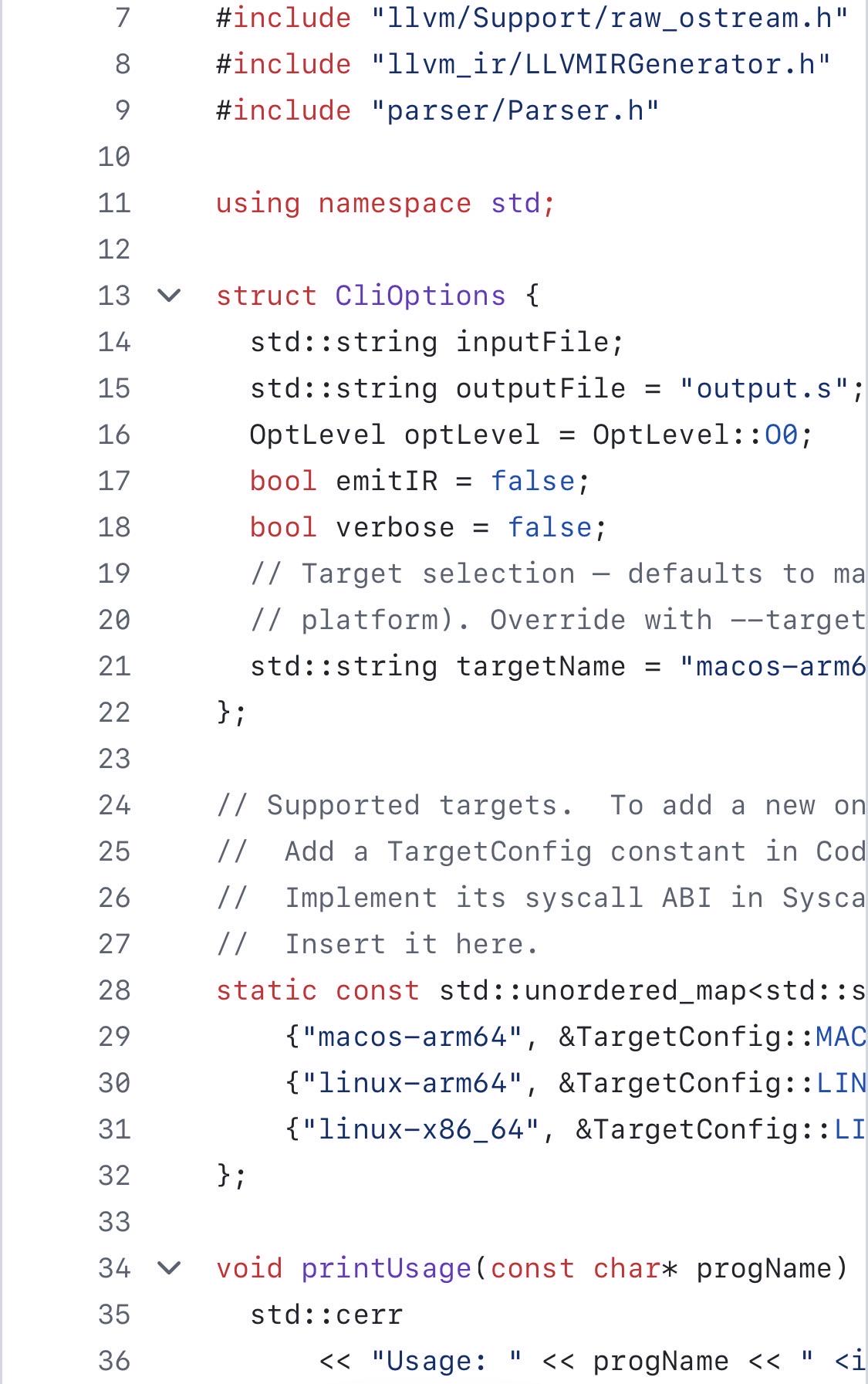
You know that friend who says "I'm totally over my ex" and then brings them up in every conversation? That's this code with using namespace std; Line 11 boldly declares using namespace std; which is supposed to let you drop the std:: prefix and just write string instead of std::string . But then lines 14, 15, 21, 28, and 35 are all like "nah, I'm gonna fully qualify everything anyway with std:: ." It's the programming equivalent of installing a dishwasher and then hand-washing all your dishes. The developer either copy-pasted code from different sources without harmonizing the style, or they're having an identity crisis about whether they trust their own namespace declaration. Pick a lane, my friend—either embrace the namespace or don't, but this half-committed relationship status is giving everyone trust issues.

NordVPN

NordVPN
Encrypt your traffic on public Wi-Fi, stream from anywhere, and cover up to ten devices with one plan. 30-day money-back guarantee.

The PHP Part Never Gets Old

The PHP Part Never Gets Old
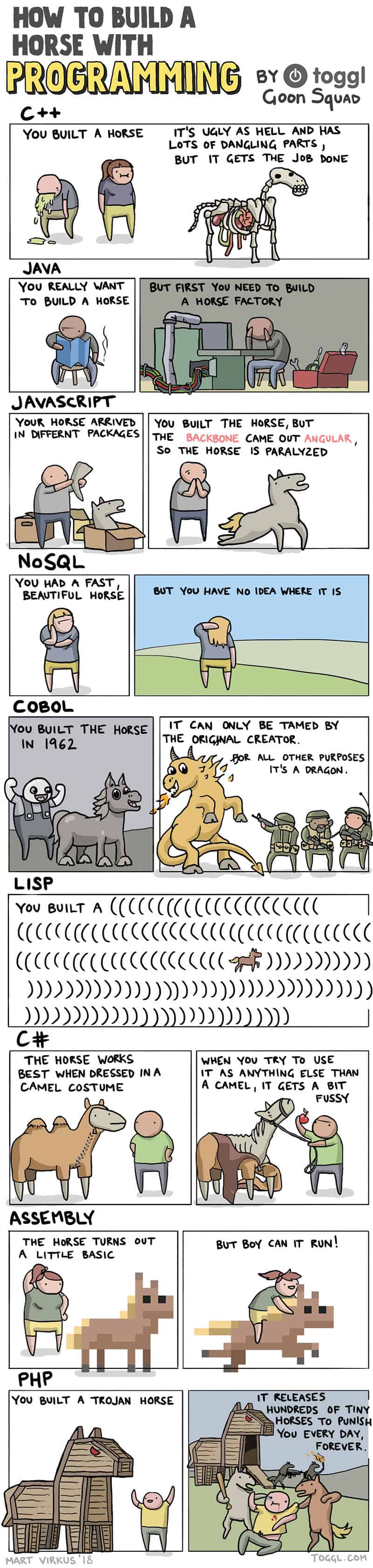
So you wanted to build a horse, huh? Well buckle up for a tour through programming language hell. C++: Functional but looks like it was assembled by a committee of sadists. Java: You need a horse factory to build a horse factory first. JavaScript: Different packages, same chaos—your horse arrives paralyzed because some random npm package broke. NoSQL: Fast and beautiful, but good luck finding it when you need it. COBOL: Built in 1962, only the original creator understands it, and for everyone else it's a fire-breathing dragon. Lisp: Just parentheses. So many parentheses. The horse is in there somewhere. C#: Works great in a camel costume, gets fussy anywhere else. Assembly: Pixelated mess, but hey, at least it runs! And then there's PHP —you built a Trojan horse that releases hundreds of tiny security vulnerabilities to pwn you every single day, forever. The accuracy is almost painful. PHP: the gift that keeps on giving... exploits.

That's The Stupidest Combination I've Ever Heard In My Life!

That's The Stupidest Combination I've Ever Heard In My Life!
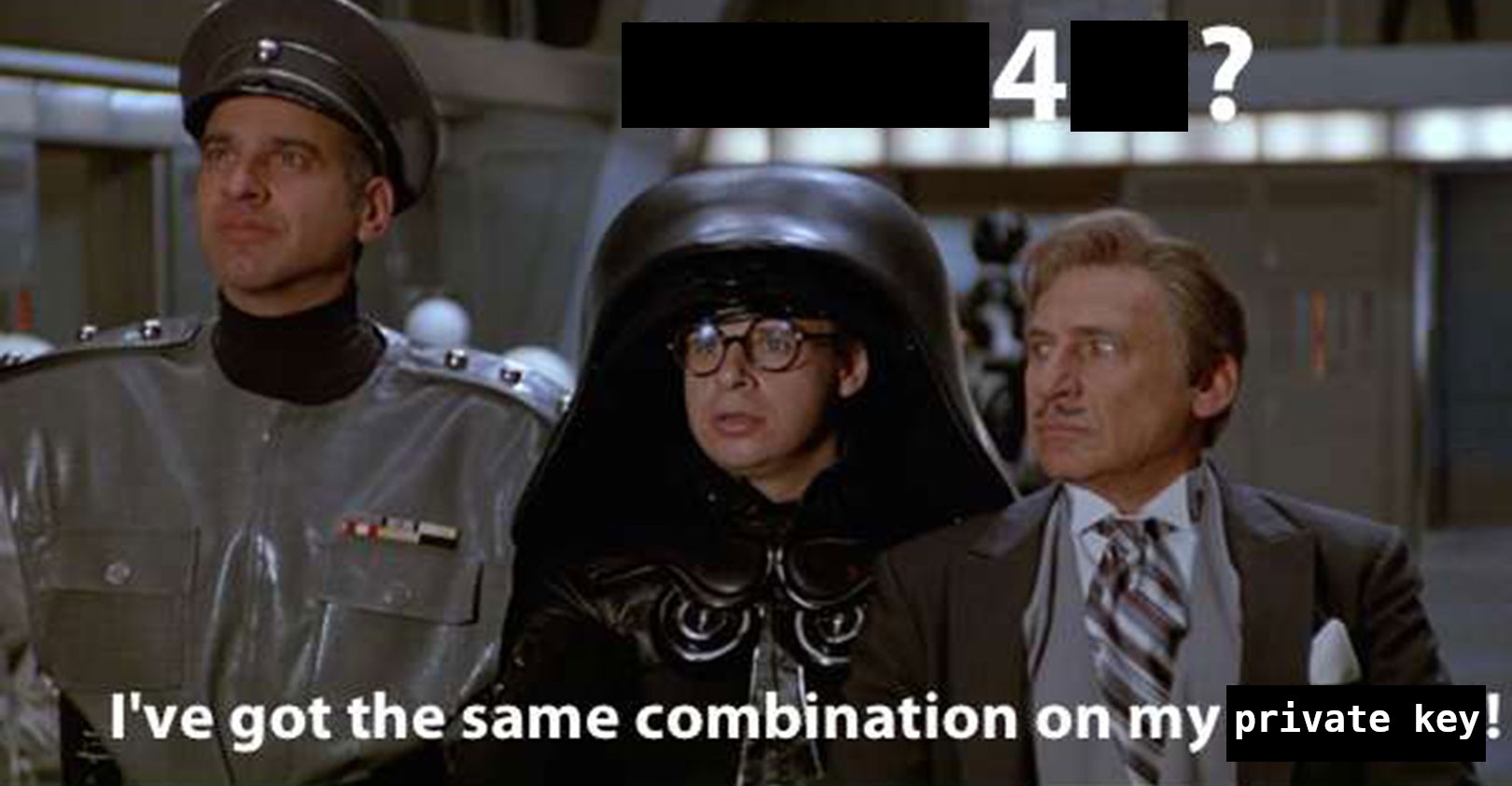
When your password is "1234" but you're storing your SSH private key with the same passphrase. Nothing screams "I understand security" quite like protecting your cryptographic credentials with the same combination an idiot would have on their luggage. The real kicker? Half the devs reading this just nervously glanced at their ~/.ssh/id_rsa file. And the other half? They don't even use a passphrase. At least President Skroob here had the decency to try . Pro tip: If your private key passphrase is something you'd use to unlock your phone, you might as well just commit it to the public repo and save everyone some time.

Four Is 6 7 For Infosec

Four Is 6 7 For Infosec
Security folks really looked at Connect Four and said "yeah, let's call it a private key and ship it." The game where your entire strategy is visible to everyone watching? Perfect metaphor for how we handle secrets in production. The kid's dropping that yellow chip with the same confidence as a dev hardcoding API keys into a public GitHub repo. And just like in the game, everyone can see exactly what you're doing, where you're going, and how to beat you. Except instead of losing a board game, you're losing your entire customer database to some script kiddie in Belarus. Private keys should be, you know, private . But here we are, treating them like Connect Four pieces—colorful, visible, and apparently meant for children to play with.

I Can Still Hear Your Startup Sound

I Can Still Hear Your Startup Sound
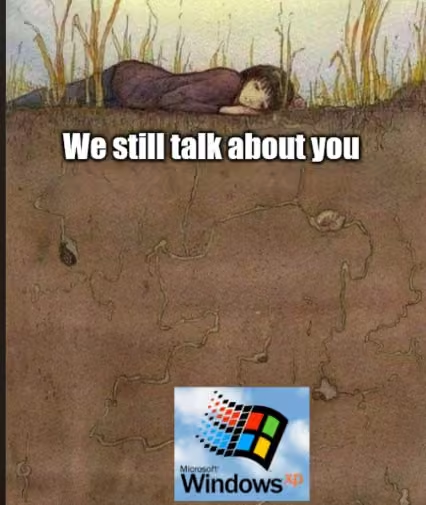
Windows XP is the tech equivalent of your ex that you still think about fondly. Sure, it's been buried underground for years, but that startup sound? That glorious, optimistic chime? It's permanently etched into the collective consciousness of an entire generation of developers and users. The meme perfectly captures how we're all still mourning (or celebrating?) this absolute legend of an OS. Released in 2001, Windows XP refused to die until Microsoft literally had to pull the plug in 2014. Even then, some enterprises kept it on life support for years because migrating legacy systems is apparently harder than summoning Cthulhu. The irony? We complained about it constantly back then, but now we're all nostalgic for an era when "blue screen of death" was just a normal part of the development workflow. Simpler times.

Sesame Street Layer Certificate

Sesame Street Layer Certificate
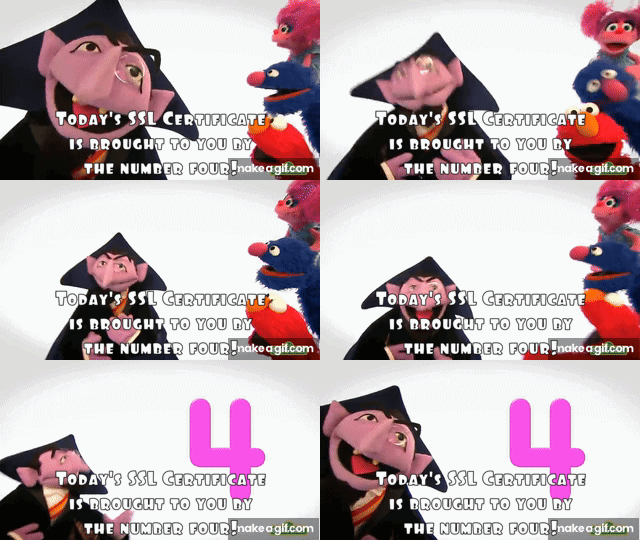
SSL certificates and Sesame Street both teaching us numbers, just in wildly different contexts. One's a beloved children's show teaching toddlers to count, the other's a cryptographic protocol that makes sure your credit card info doesn't end up in the hands of some script kiddie in a basement somewhere. The joke here is that SSL (Secure Sockets Layer) certificates are brought to you by "the number four" - a reference to Sesame Street's classic "brought to you by the letter/number" segments. Except instead of learning basic arithmetic, you're learning that your website needs TLS 1.2 or 1.3 because SSL is deprecated and vulnerable. Educational content for grown-ups who still don't understand why their self-signed cert throws browser warnings. Fun fact: SSL is technically dead - we've been using TLS (Transport Layer Security) for years now, but everyone still calls it SSL because old habits die hard in tech. It's like calling every tissue a Kleenex, except with more security implications.

New Java Slogan

New Java Slogan
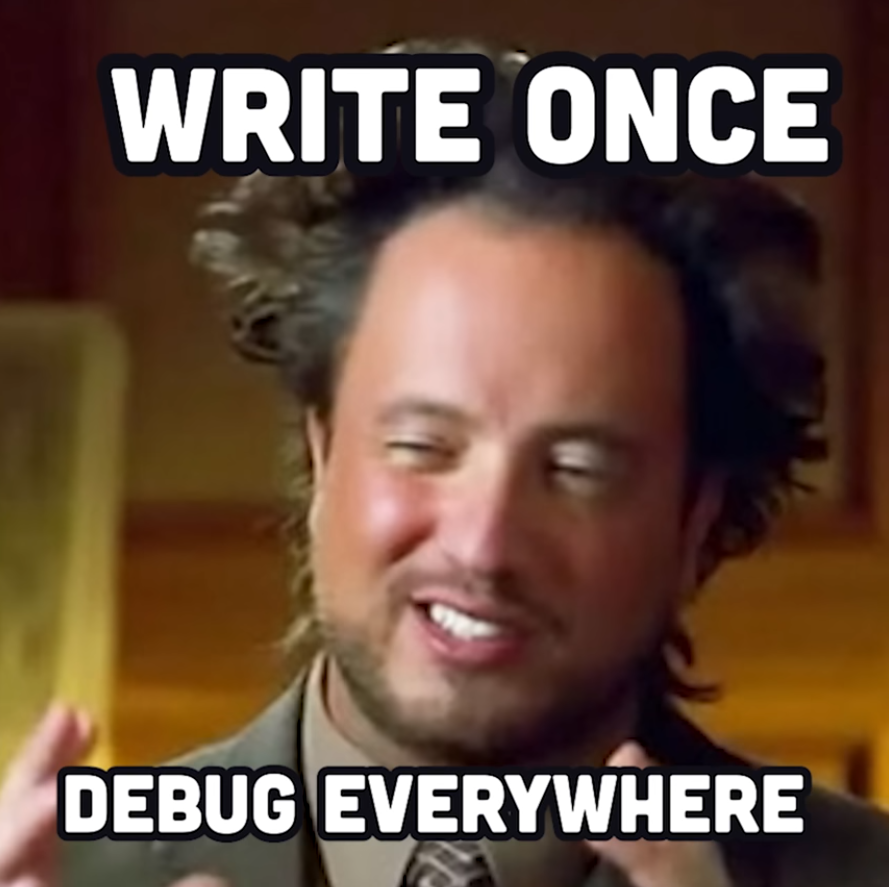
Java's famous marketing pitch was "Write Once, Run Anywhere" – the promise that your code would work seamlessly across different platforms. Reality check: it's more like "Write Once, Debug Everywhere." Between JVM quirks, platform-specific bugs, dependency hell, and those delightful NullPointerExceptions that somehow only appear in production, you'll be debugging on Windows, Mac, Linux, and probably your smart fridge too. The dream of universal compatibility meets the nightmare of universal troubleshooting. Nothing says cross-platform like spending your afternoon figuring out why your app works perfectly on your machine but crashes spectacularly on your colleague's setup.

Please Laugh

Please Laugh
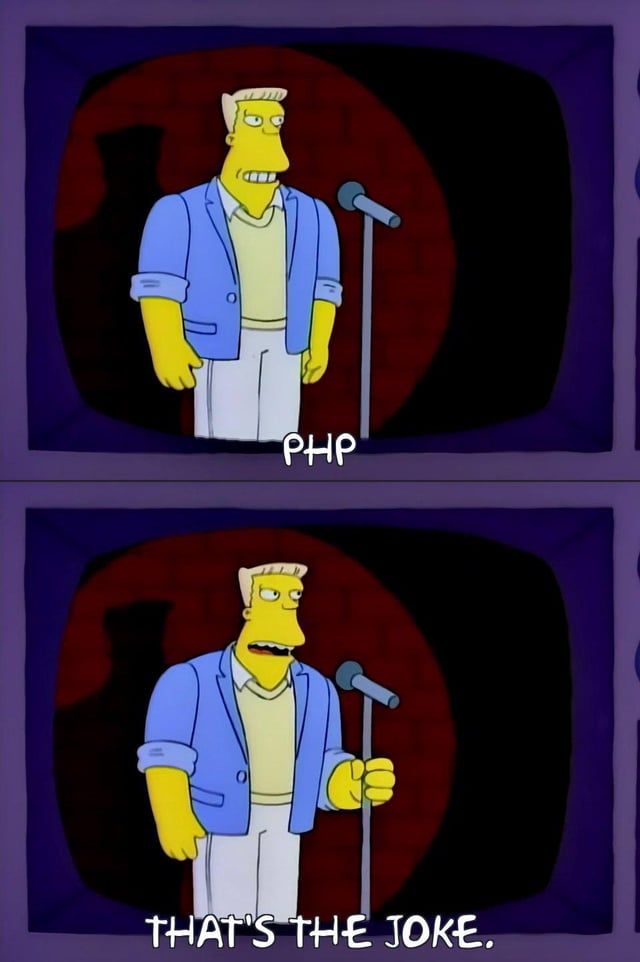
PHP doing stand-up comedy and having to explain the punchline because nobody laughed. Pretty much sums up PHP's entire existence in 2024. It's like that language that keeps showing up to the party even though everyone's moved on to TypeScript and Rust. Sure, it powers like 80% of the web thanks to WordPress, but does it get any respect? Nope. Just awkward silence and then "that's the joke" energy. The comedian explaining their own joke is the ultimate death of comedy, and PHP has been living in that moment for about a decade now.

Python Code Programming Syntax Computer Geek T-Shirt

Python Code Programming Syntax Computer Geek T-Shirt
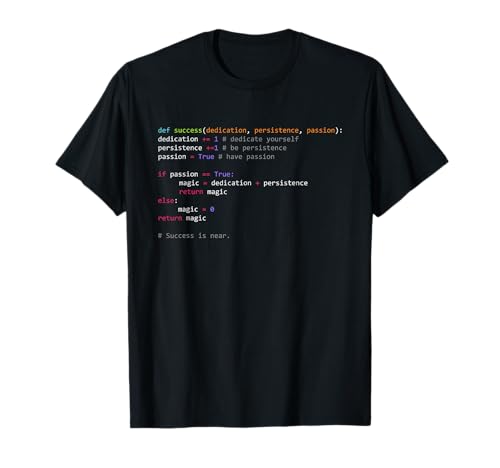
Python Programming design. The inclusion of Python syntax makes it a fun conversation starter for fellow coding enthusiasts. · A playful design that resonates with developers and anyone passionate ab…

The Meme Is Now Reality

The Meme Is Now Reality
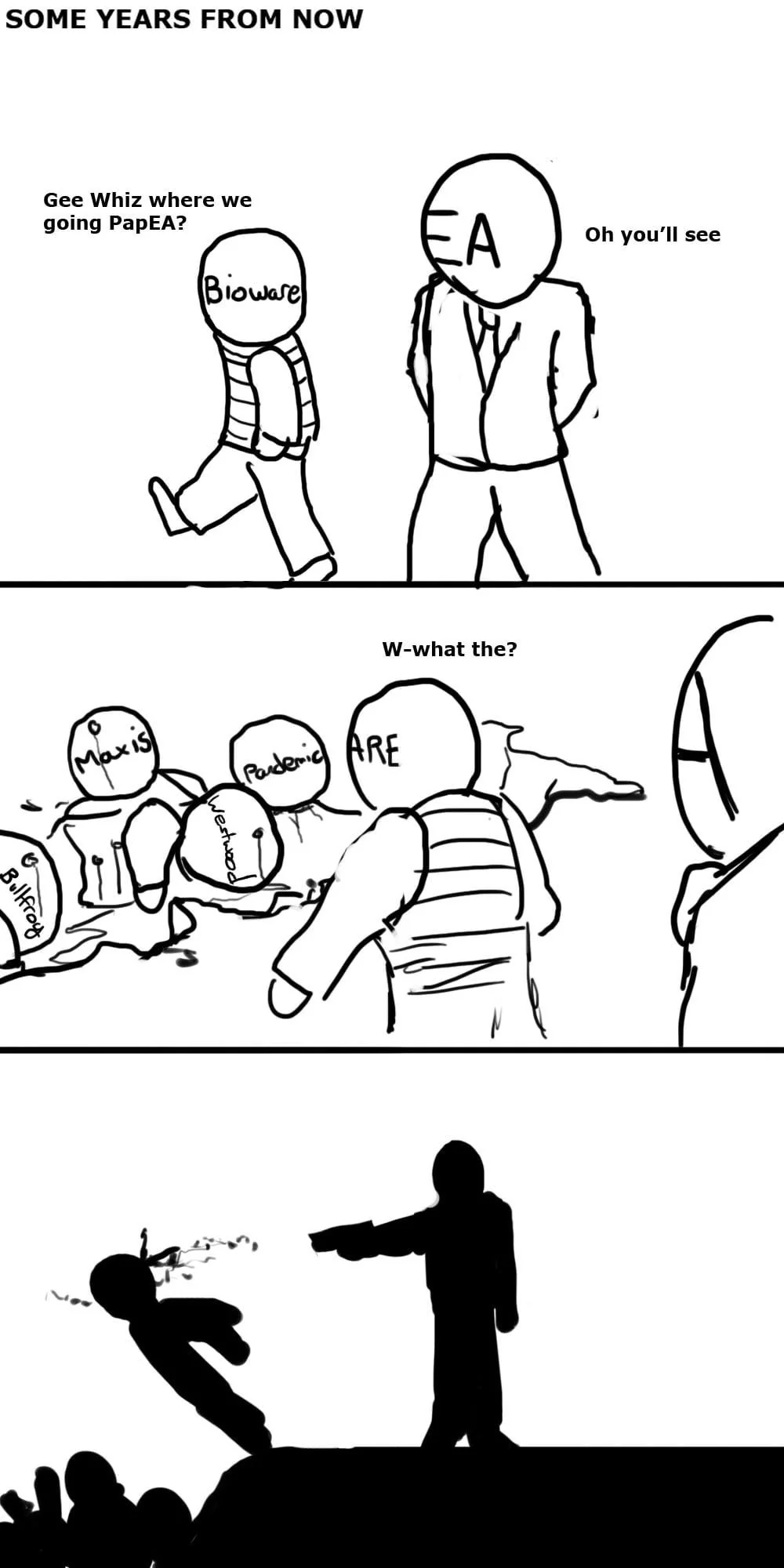
Remember when we thought Bioware, Bethesda, and Rockstar were untouchable? When EA was the only villain in gaming? Well, turns out EA was just playing 4D chess while everyone else speedran their reputation into the ground. Now we've got Maxie (probably Gearbox), Badomi (Ubisoft), and ARE (who even knows anymore) joining the "how to destroy decades of goodwill" club. The kid asking "Gee Whiz where we going PapEA?" has now witnessed the entire gaming industry become what they feared. EA's standing there like "told you so" while everyone else crashed and burned with microtransactions, broken releases, and corporate greed that makes EA look like a charity. The final panel? That's EA shooting the industry's reputation while we all watch in horror. Except now it's not just EA pulling the trigger—it's everyone. The prophecy has been fulfilled, and somehow it's worse than we imagined.