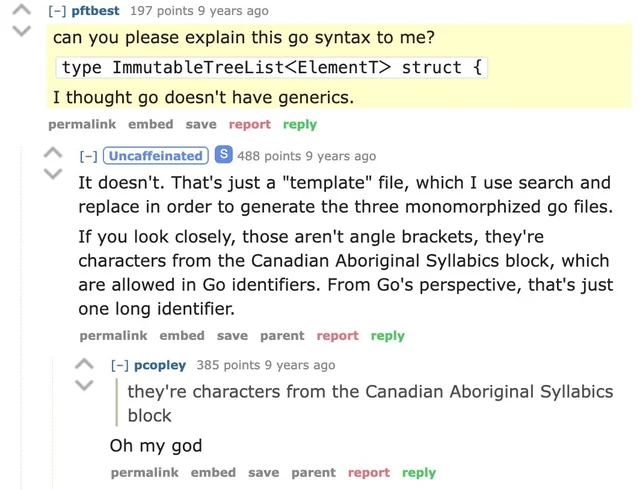
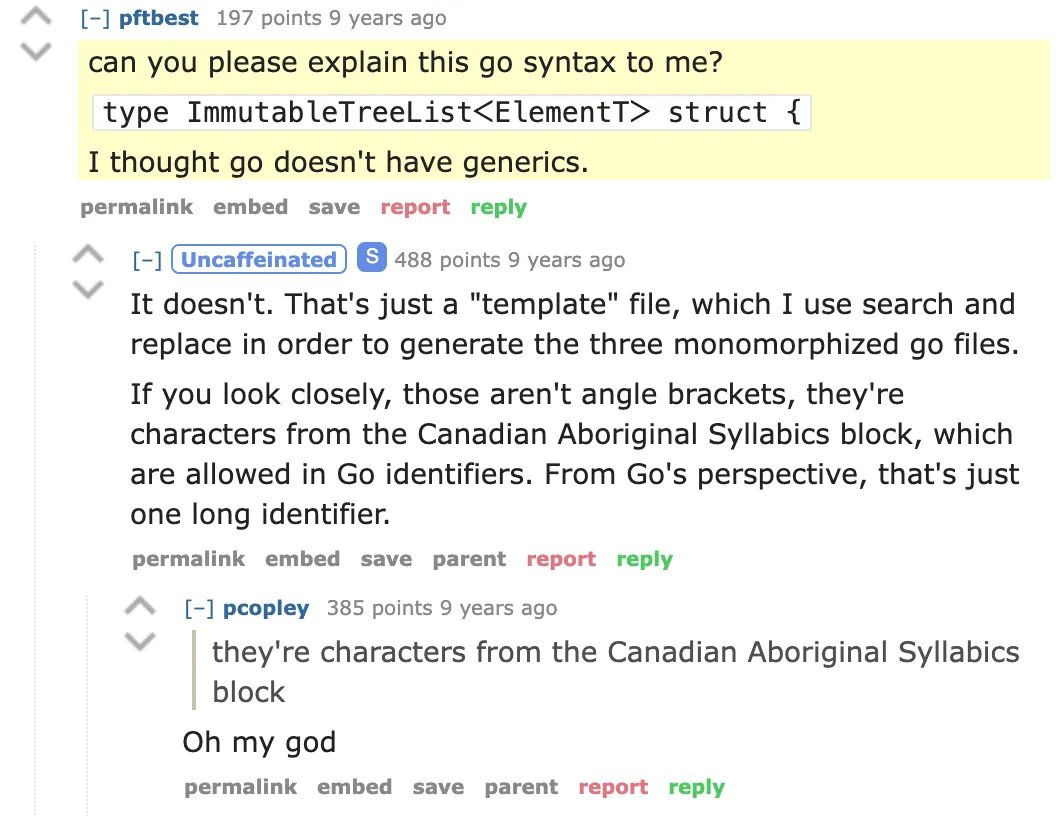
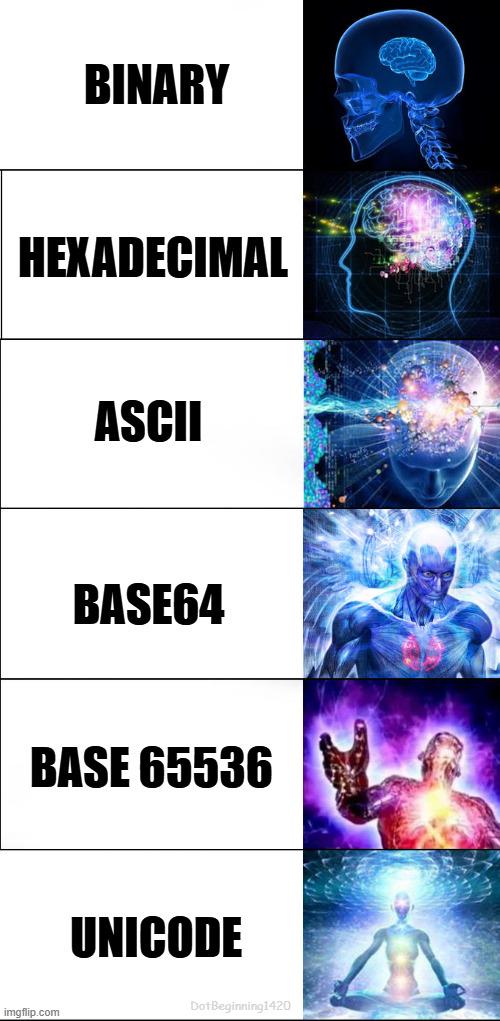
unicode Memes

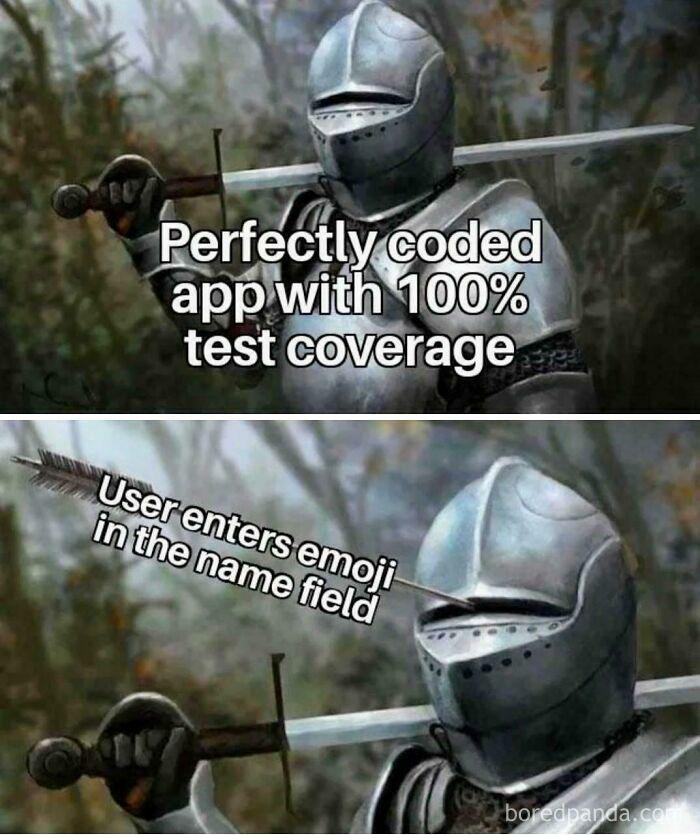
The Final Boss User Input

The Final Boss User Input
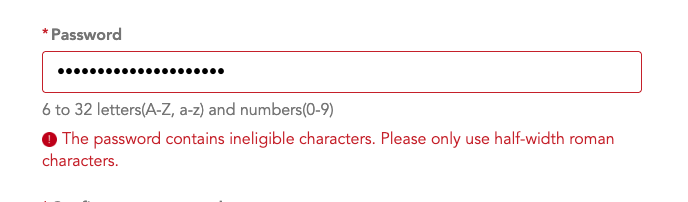
You've spent weeks writing pristine code, achieved that mythical 100% test coverage, handled every edge case known to humanity... and then some user decides to put 🎉💀🔥 in the name field. Your entire validation layer just got obliterated by three Unicode characters. Because apparently, while you were busy testing for SQL injection and XSS attacks, nobody thought to ask "what if someone just... doesn't use letters?" Your regex that confidently checks for ^[a-zA-Z]+$ is now weeping in the corner while your database tries to figure out how to sort "John Smith" and "💩". Fun fact: Emojis are stored as multi-byte UTF-8 characters, which means your VARCHAR(50) field might actually only fit like 12 emojis. But sure, your tests passed. Your beautiful, emoji-less tests.

To Lower And To Upper Aren't As Innocent As They Seem Just Saying

To Lower And To Upper Aren't As Innocent As They Seem Just Saying
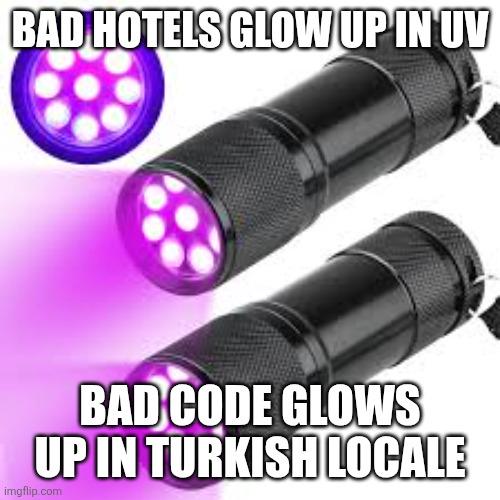
Using toLowerCase() or toUpperCase() in your conditional logic? That's some big brain energy right there. Most devs just slap these methods on strings for case-insensitive comparisons without a second thought, but the real ones know this is a minefield of locale-specific chaos waiting to explode. The Turkish İ problem is legendary: in Turkish locale, the uppercase of 'i' is 'İ' (with a dot), not 'I', and lowercase 'I' becomes 'ı' (without a dot). So your innocent if (userInput.toLowerCase() === "admin") suddenly breaks when deployed in Turkey. There's also the German ß that uppercases to "SS", and Greek sigma has different lowercase forms depending on position. Unicode is wild, and these methods respect locale by default in some languages. Pro tip: use toLocaleUpperCase() or toLocaleLowerCase() when you actually care about proper linguistic handling, or better yet, use case-insensitive comparison methods that don't mutate strings. The lion knows what's up.

The Most Dangerous Character In SQL: (In)Visible

The Most Dangerous Character In SQL: (In)Visible
So someone named "Geoffrey" managed to nuke the entire system, and naturally everyone's playing detective trying to figure out what went wrong. Unicode characters? Nah. SQL injection with "root" or "null"? Not today. Maybe an SQL keyword like "select"? Keep guessing. Turns out it was just... Geoffrey. Except look closer at that last line. See the difference? Ge o ffrey vs Ge ο ffrey . That second "o" is the Greek omicron (ο) instead of a Latin "o". Visually identical, but to your database? Completely different characters. Welcome to the wonderful world of homoglyphs, where your WHERE clause confidently returns zero rows while you question your entire career. This is why we can't have nice things, and why every senior dev has trust issues with user input. Input validation isn't paranoia—it's pattern recognition from trauma.

Unicode Broke Me

Unicode Broke Me
Content i discovered a new problem with our website a new problem? or an old and completely insane unicode problem? a completely insane unicode problem

The Limits Of AI

The Limits Of AI
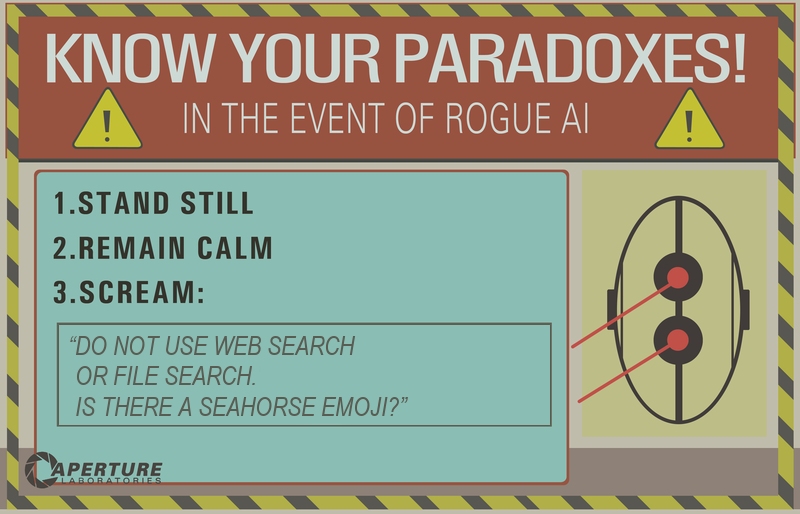
GPT knows about seahorse emojis in theory but can't actually show you one because it doesn't have access to the Unicode library or emoji rendering. It's like a database admin who knows exactly where your data is stored but forgot their password. The ultimate knowledge-without-demonstration paradox.

Replacing Commas In Strings With A Lookalike, For Security Reasons

Replacing Commas In Strings With A Lookalike, For Security Reasons
Ah, the classic "security through visual confusion" approach! This developer is replacing commas with Unicode character U+201A (single low-9 quotation mark) which looks nearly identical but won't trigger Airtable's delimiter parsing. The best part is the function name safeComma - as if this hack deserves the word "safe" anywhere near it. It's like putting a fake mustache on your data and calling it "military-grade encryption." This is the programming equivalent of writing "Not a Drug Deal" on your suspicious briefcase. Sure, it technically works, but someday, somewhere, a developer will inherit this code and question all their life choices.

Stop Doing ASCII Filenames: The Unicode Rebellion

Stop Doing ASCII Filenames: The Unicode Rebellion
The filesystem rebellion we never asked for! Unicode and special characters in filenames are the chaotic evil of computing. Remember those ancient days when filenames had to be 8.3 format and couldn't have spaces? Fast forward to now where someone's saving files as $6.14 receipt for bagel @ Bagel Bitc# 😋.pdf.jpg and filesystem engineers are quietly sobbing in the corner. The best part is that "CAPITAL I LOWERCASE L NUMBER 1" joke - because nothing says "I want to watch the world burn" like creating filenames specifically designed to be visually indistinguishable from each other. It's like the digital equivalent of replacing someone's sugar with salt. And that absurdly specific filepath to Abbey Road? Pure psychological warfare against sysadmins everywhere.

The Invisible Bug From Hell

The Invisible Bug From Hell
Staring at this code for 3 hours wondering why your IDE can't find the ColorСhange() method? That's because some sadistic keyboard warrior snuck in a Cyrillic 'С' instead of a Latin 'C'. It's the coding equivalent of stepping on a LEGO at 2 AM while debugging. The worst part? It looks IDENTICAL until you're sobbing into your fourth energy drink trying to figure out why your perfectly valid code is "undefined" - and then you notice the microscopic font differences. Satan himself couldn't have designed a better torture device.

Hexadecimal Dedication From Hell

Hexadecimal Dedication From Hell
The ultimate friendship test: converting "To my good friend, I will kill you in your sleep" into hexadecimal and writing it in a book about self-pleasure. Nothing says "I understand you on a binary level" quite like a hidden death threat in a book that's already raising eyebrows. The true power move isn't buying them a programming book—it's making them decode your message while they're holding... whatever this is. If they're still your friend after this, congratulations, you've found your debugging partner for life.

When You Want To Watch A Dev Slowly Descend Into Madness

When You Want To Watch A Dev Slowly Descend Into Madness
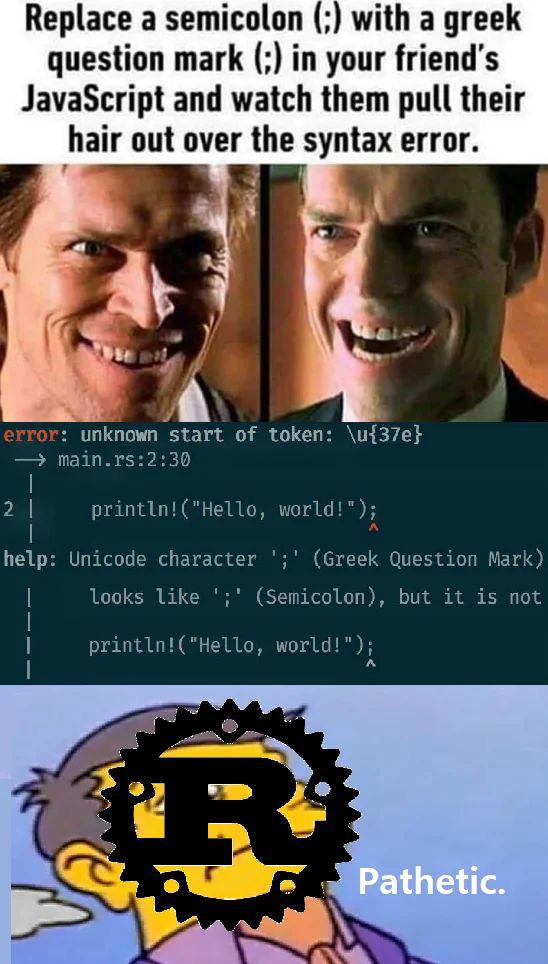
Satan himself couldn't devise a more elegant torture method. Swapping a semicolon (;) with a Greek question mark (;) creates the perfect crime - visually identical yet catastrophically different. Your poor dev friend will spend hours debugging what appears to be perfectly valid code while their sanity slowly evaporates. The compiler knows. The compiler sees. But your friend? They'll be questioning their entire career choice before they spot it. Pure evil wrapped in Unicode.

Use This Information Wisely

Use This Information Wisely
The sacred knowledge has been bestowed upon us! The meme reveals the Unicode truth that semicolons (U+003B) and Greek question marks (U+037E) look identical but are completely different characters. This is the digital equivalent of identical twins with different SSNs. Somewhere right now, a developer is spending 3 hours debugging code because they accidentally copy-pasted a Greek question mark into their JavaScript. The compiler sees it as "Who is this mysterious Greek stranger in my code?" while the human eye sees a perfectly valid semicolon. The ultimate prank to pull on your coworker: replace random semicolons in their code with Greek question marks and watch chaos unfold. Pure evil. Use this forbidden knowledge responsibly!

Well That Was Not In The Test Cases

Well That Was Not In The Test Cases
Ah yes, the mythical "100% test coverage" – the armor that shatters the moment a user types "🔥💩👻" where their name should be. Six months of unit tests, integration tests, and regression tests, yet somehow nobody thought to validate against the ancient enemy: Unicode. The knight's confidence in the first panel is every dev right before deployment. The arrow in the second panel is every production bug that makes you question your career choices. No amount of TDD can save you from the creativity of users with emoji keyboards.