Physics Memes

Physics in Programming: where game developers learn that realistic simulations are often less fun than the laws of nature would suggest. These memes celebrate the intersection of physical science and software development, from the simple calculations of projectile motion to the complex simulations of fluid dynamics. If you've ever implemented gravity only to watch objects fall through the floor, optimized collision detection to the point of obsession, or explained to designers why their concept breaks the laws of thermodynamics, you'll find your theoretical and applied science friends here. From the elegant simplicity of Newtonian mechanics to the mind-bending complexity of quantum computing, this collection honors the discipline that helps software model reality while frequently reminding developers that reality is more complex than any model.

Seen Like 9 Blackhole Simulations In 1 Week

Seen Like 9 Blackhole Simulations In 1 Week
OpenAI drops a new model and suddenly every developer on LinkedIn thinks they're working at CERN. The blackhole simulation became the "hello world" of showing off GPU capabilities, and now your feed is drowning in event horizons rendered by people who couldn't tell you what a Schwarzschild radius is if their life depended on it. It's the tech equivalent of when everyone suddenly became a sourdough expert in 2020. Except instead of bread, it's computationally expensive physics simulations that absolutely nobody asked for. Your M1 MacBook is crying in the corner while rendering its 47th accretion disk this week.

Better Than Dark Souls

Better Than Dark Souls
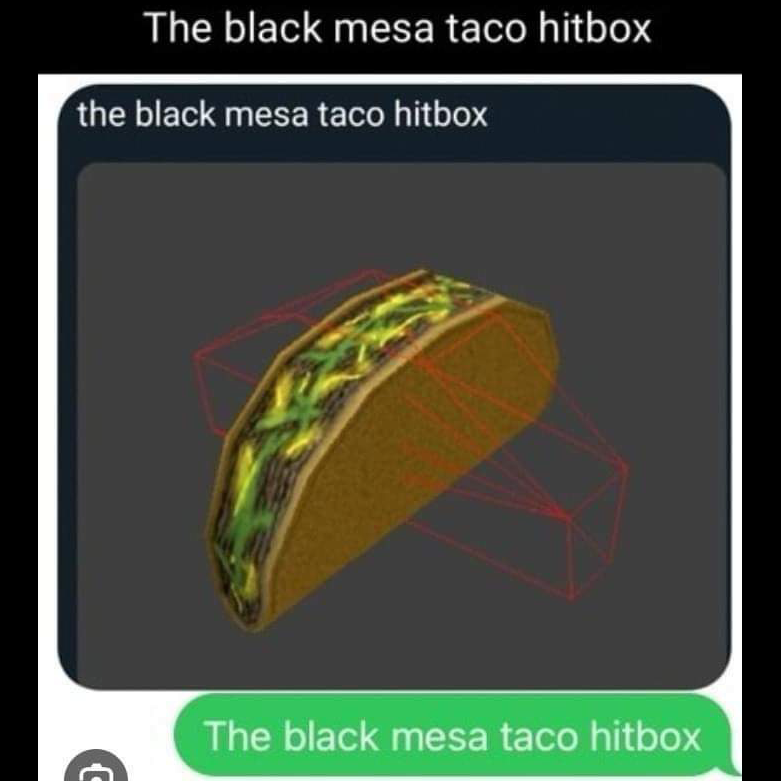
The legendary Black Mesa taco hitbox—a collision detection nightmare that makes every boss fight look like child's play. You see that beautiful taco? Yeah, good luck actually hitting it because the hitbox is doing its own thing in a parallel dimension. It's giving "I swear I clicked on that button" energy but for video games. The hitbox is literally just vibing somewhere near the taco, not even trying to match the actual model. This is what happens when your collision mesh goes rogue and decides geometry is merely a suggestion. Game developers everywhere are sweating nervously because they KNOW they've shipped something like this.

Universe Is Written In C

Universe Is Written In C
So apparently the Big Bang was just a segmentation fault. Makes sense when you think about it—God probably tried to access memory outside the allocated bounds and boom, universe. No stack trace, no core dump, just 13.8 billion years of undefined behavior. If the universe really is written in C, that explains a lot. Quantum mechanics? Just pointer arithmetic gone wrong. Dark matter? Memory leaks. Heat death of the universe? Someone forgot to free() after malloc(). And we're all just living in production code with no error handling. At least now we know why the universe is expanding—classic buffer overflow.

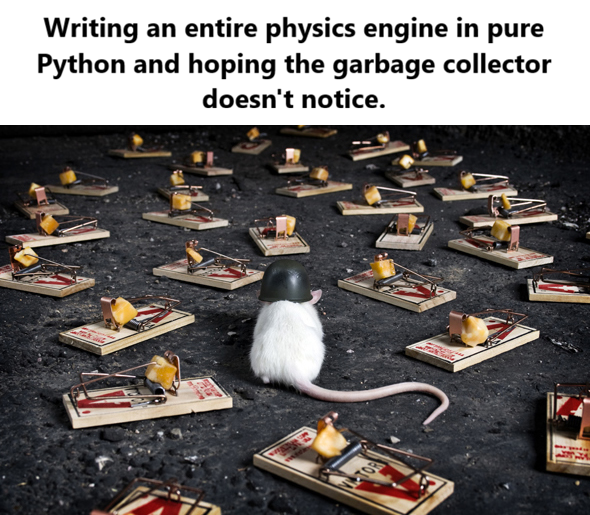
Garbage Collection

Garbage Collection
Oh, the absolute AUDACITY of writing a physics engine in pure Python! You're out here calculating trajectories and collision detection while Python's garbage collector is lurking in the shadows like a hungry predator, ready to strike at the most inconvenient moment possible. The sheer panic of watching your beautifully crafted simulation stutter because the GC decided NOW is the perfect time to clean up those 47,000 temporary vector objects you created in the last frame? *Chef's kiss* of performance anxiety. You're basically tiptoeing through a minefield of memory references, desperately trying to keep your frame rate above 2 FPS while Python's automatic memory management is having the time of its life collecting your precious objects. It's like trying to run a marathon while someone randomly yanks your shoelaces every few seconds. Sure, you COULD use C++ or Rust, but where's the drama in that? Where's the THRILL of living on the edge?

Feynman Driven Development

Feynman Driven Development
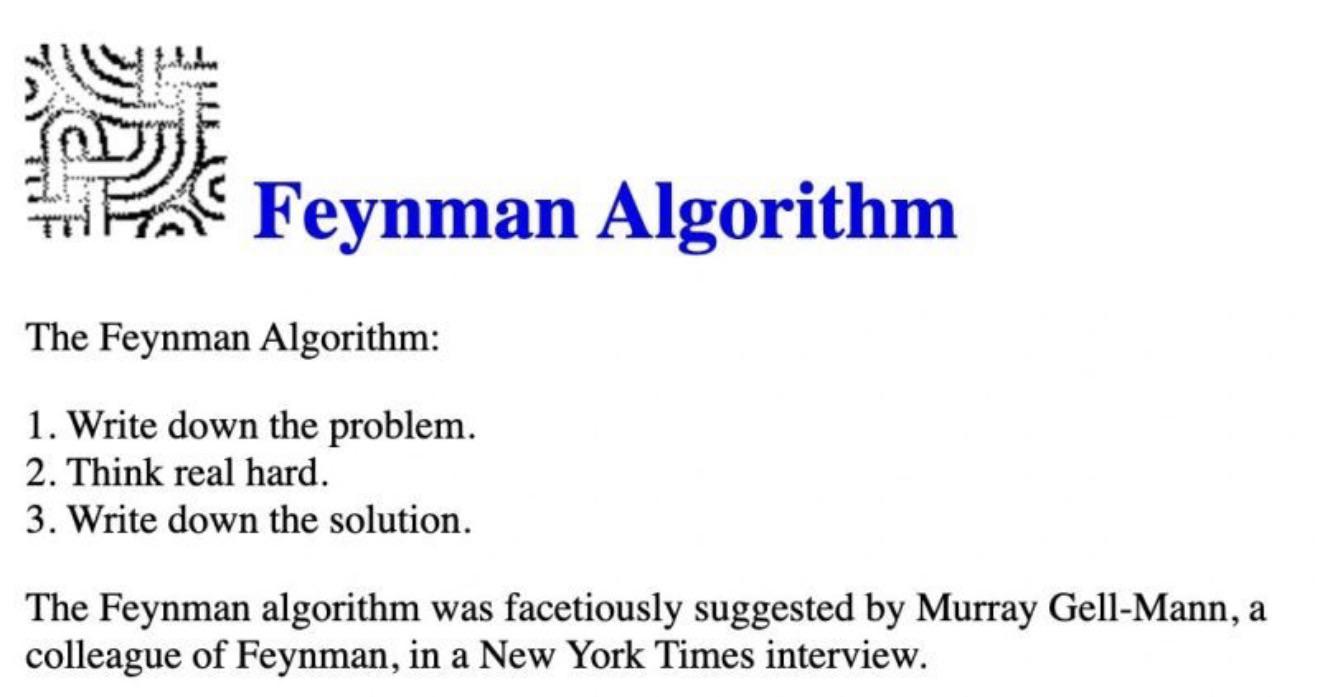
Step 2 is doing some heavy lifting here. The Feynman Algorithm perfectly captures how Nobel Prize-winning physicist Richard Feynman approached problem-solving: casually skipping over the part where you need to be a literal genius. It's like those cooking recipes that say "add salt to taste" but the chef has Michelin-star taste buds and you're out here thinking ketchup is a spice. Sure, I'll just "think real hard" and suddenly quantum mechanics will make sense. Totally reasonable. The beauty is in its brutal honesty though. Most development methodologies give you elaborate frameworks, sprint planning, and stand-ups. Feynman just said "be smart lol" and left the room. Respect.

How Far We've Come

How Far We've Come
We've reached peak civilization where gamers in 2025 are absolutely LOSING THEIR MINDS over hyper-realistic water physics that doesn't ripple when you breathe near it, meanwhile gamers in 2005 were literally ascending to heaven because the CLOUDS MOVED. THE. CLOUDS. MOVED. Twenty years ago, we saw a cloud drift across the sky and thought we were living in the Matrix. Now we're out here critiquing whether the subsurface scattering on water droplets accurately reflects the protagonist's emotional state. The audacity of modern gaming expectations is truly a masterpiece of human evolution. From "OMG DYNAMIC WEATHER" to "why doesn't my breath create realistic condensation patterns?" — what a journey we've been on.

Samsung T7 Portable SSD, 4TB External Solid State Drive, Speeds Up to 1,050MB/s, USB 3.2 Gen 2, Reliable Storage for Gaming, Students, Professionals, MU-PC4T0T/AM, Gray

Samsung T7 Portable SSD, 4TB External Solid State Drive, Speeds Up to 1,050MB/s, USB 3.2 Gen 2, Reliable Storage for Gaming, Students, Professionals, MU-PC4T0T/AM, Gray
MADE FOR THE MAKERS: Create; Explore; Store; The T7 Portable SSD delivers fast speeds and durable features to back up any endeavor; Build your video editing empire, file your photographs or back up y…

Magnets, Yeah

Magnets, Yeah
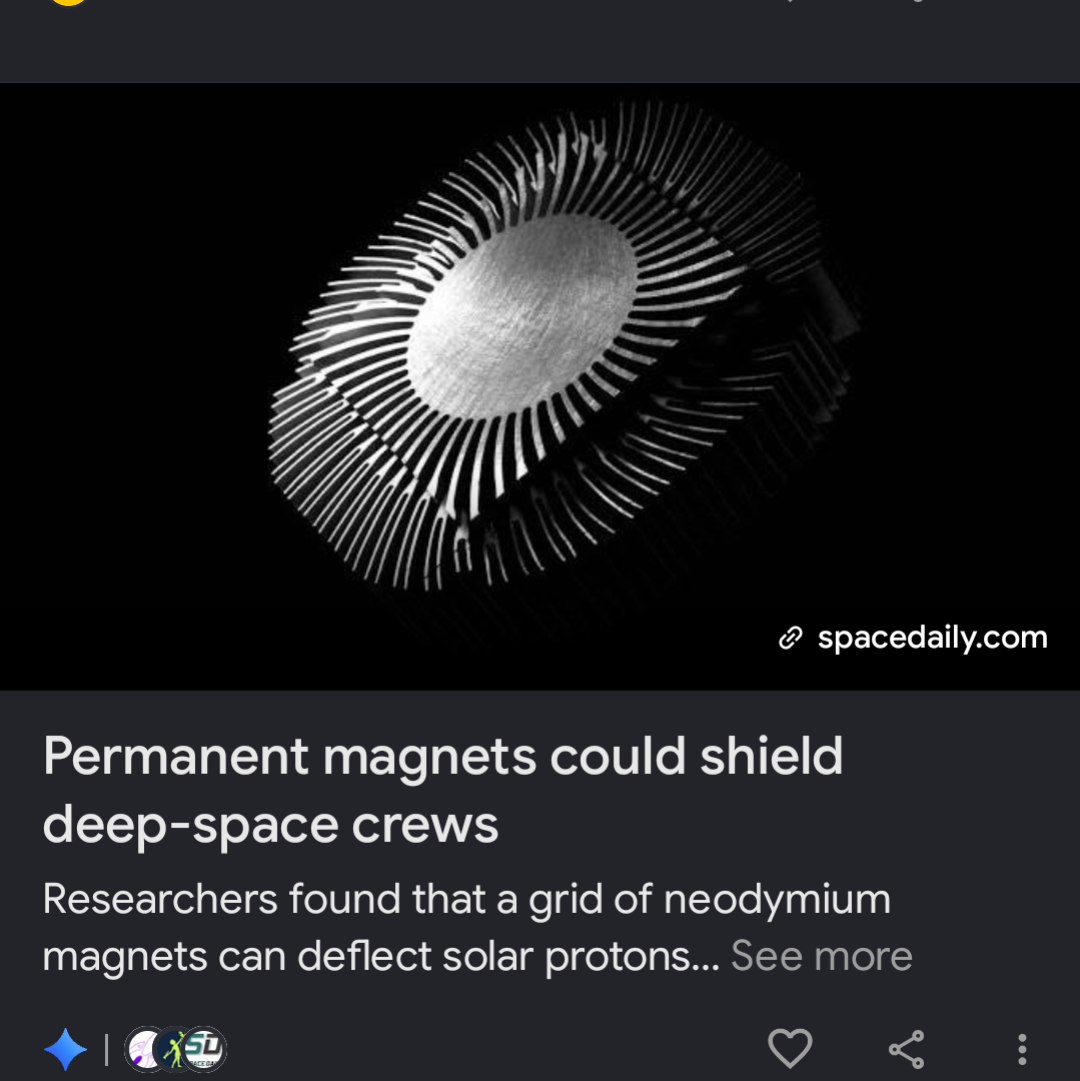
When scientists discover that magnets can deflect solar radiation for deep-space travel, but you still can't figure out why your CSS grid won't center properly. Priorities, people. Humanity over here solving cosmic radiation with fancy neodymium magnetic shields while half of us are still Googling "how to exit vim" and the other half are debugging why their code works on localhost but not in production. We can protect astronauts from deadly solar protons but can't protect ourselves from merge conflicts on a Friday afternoon. The real question is: can these magnets deflect my PM's unrealistic deadlines? Because that's the kind of shielding I actually need.

Every Quantum Computer Video Ever

Every Quantum Computer Video Ever
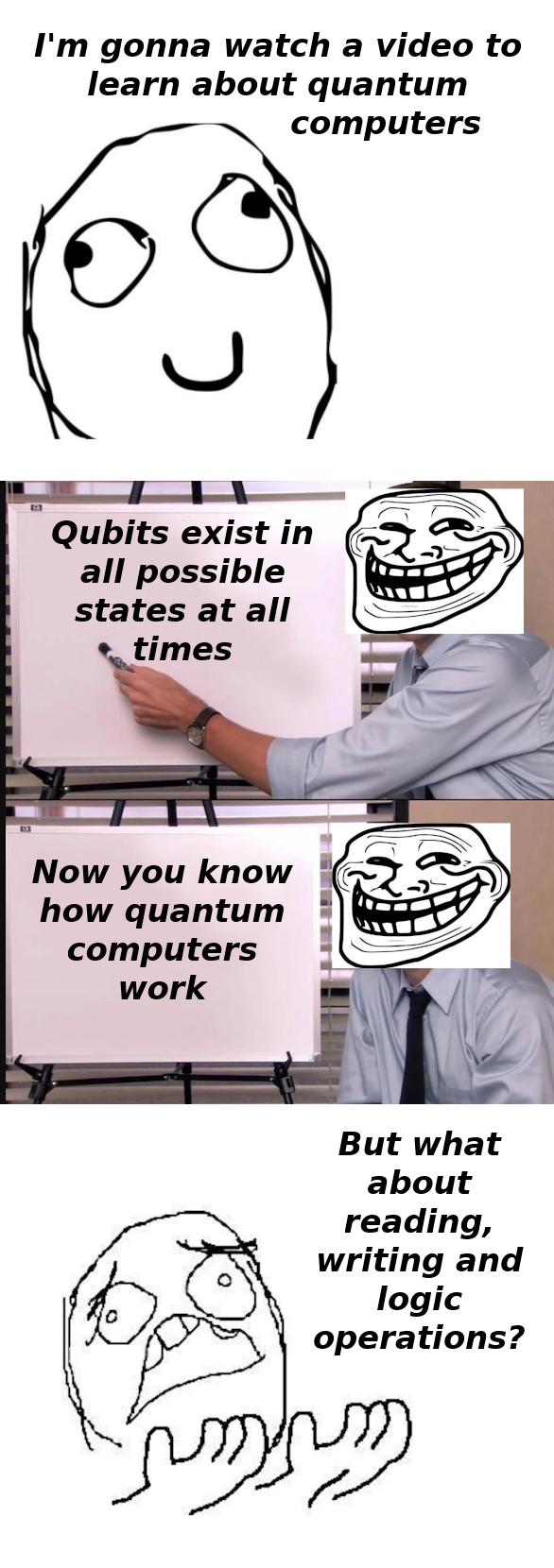
You go in wanting to understand quantum computing. They hit you with "qubits exist in all possible states at all times" and you nod along like you've achieved enlightenment. Then they smugly declare "now you know how quantum computers work" and you're sitting there like... wait, what about the actual implementation details? How do I read from it? Write to it? Do basic operations? It's the tech equivalent of explaining a car by saying "the engine makes it go vroom" and then walking away. Every quantum computing explainer stops right at superposition and entanglement, acting like they've given you the full picture. Meanwhile, you're left wondering how to actually use the damn thing for anything practical. Spoiler: most of those videos are made by people who also don't fully understand it but watched another video that said "qubits exist in all possible states."

Learning Hardware From The Real Experts

Learning Hardware From The Real Experts
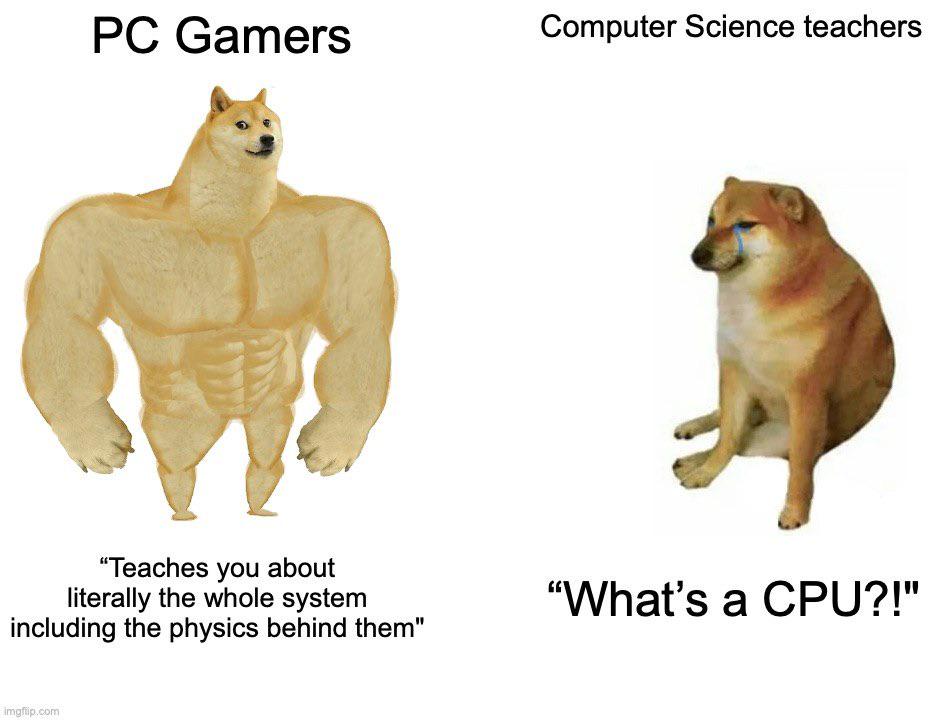
PC gamers will spend 6 hours researching whether DDR5-6000 CL30 is better than DDR5-6400 CL32 for their RGB-infused battlestation, debate PCIe Gen 4 vs Gen 5 bandwidth like their life depends on it, and can tell you the exact thermal conductivity of liquid metal vs thermal paste. Meanwhile, your CS professor is still wondering if more RAM makes the computer "go faster" and thinks GPU stands for "General Processing Unit." The irony? One group learned hardware from necessity (gotta squeeze those extra frames), the other learned it from textbooks written in 1987. Guess which one actually knows what a motherboard VRM is?

I, J And K In The Alphabet

I, J And K In The Alphabet
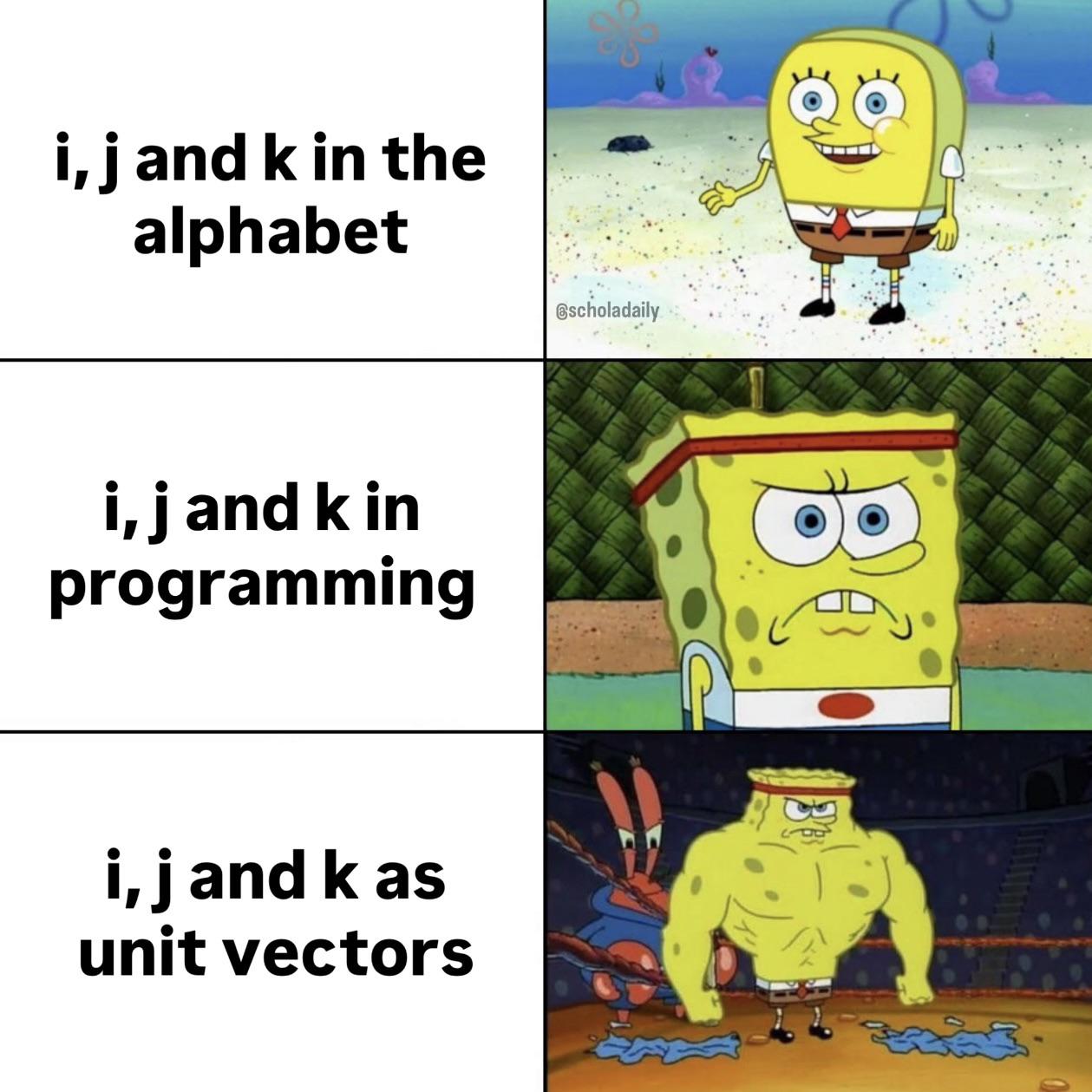
You know those three innocent letters just chilling in the alphabet? Yeah, they're absolute menaces in programming. Regular variables? Fine, whatever. Loop counters? Sure, getting annoying. But then you hit i, j, k as unit vectors in 3D math and suddenly you're debugging quaternion rotations at 2 AM wondering why your spaceship is spinning into the sun. The escalation is real. From "cute little loop iterator" to "I need to understand linear algebra again" faster than you can say "cross product." Those three letters carry more trauma per character than any other part of the ASCII table.

It Happens

It Happens
You spend three hours debugging why your physics simulation is acting weird, only to realize you forgot to add collision detection to that one object. The bike crashes, you panic, check every line of code... then you just add the collider and suddenly everything works perfectly. We've all been that person confidently riding toward disaster, completely oblivious to the missing semicolon—err, collider—that's about to ruin our day. The worst part? You'll do it again next week with a different object.

How Do Quantum Computers Work?

How Do Quantum Computers Work?
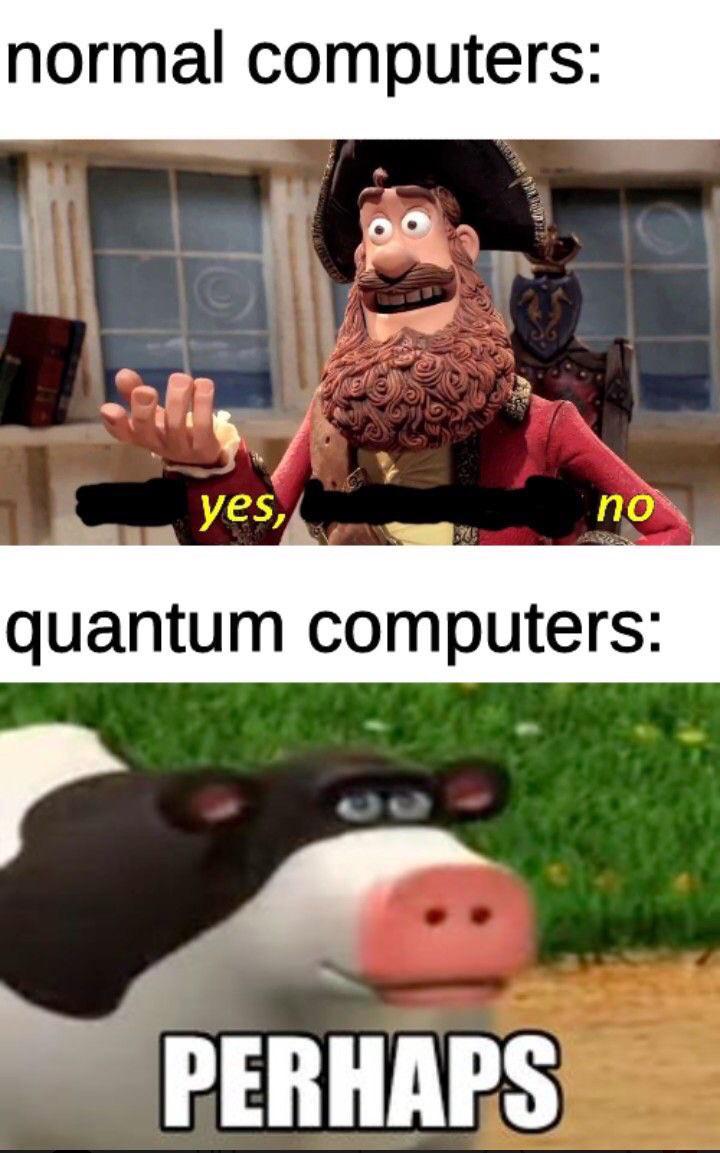
Normal computers are out here making binary decisions like they're at a restaurant: "Yes, I'll have the 1" or "No, give me the 0." Clean. Deterministic. Boring. Quantum computers? They looked at superposition and said "why choose?" They're simultaneously yes AND no until you observe them, at which point they collapse into... well, perhaps an answer. It's like Schrödinger's cat got a CS degree and now refuses to commit to anything. The best part? Even quantum physicists explain quantum computing with "well, it's complicated" energy. These machines are out here solving problems in polynomial time that would take classical computers until heat death of the universe, but ask anyone how they actually work and you get a nervous laugh and a whiteboard full of Greek letters. Qubits are basically the "it's complicated" relationship status of computing.

CafePress World's Coolest REAL ESTATE DEVELOPER Mug 11 oz (325 ml) Ceramic Coffee Mug

CafePress World's Coolest REAL ESTATE DEVELOPER Mug 11 oz (325 ml) Ceramic Coffee Mug
Dimensions: Our standard size 11 oz mug measures 3.75" tall x 3" in diameter · Color Coordinate: Mix and match your hot cocoa mugs with your decor by choosing from the following interior and handle c…