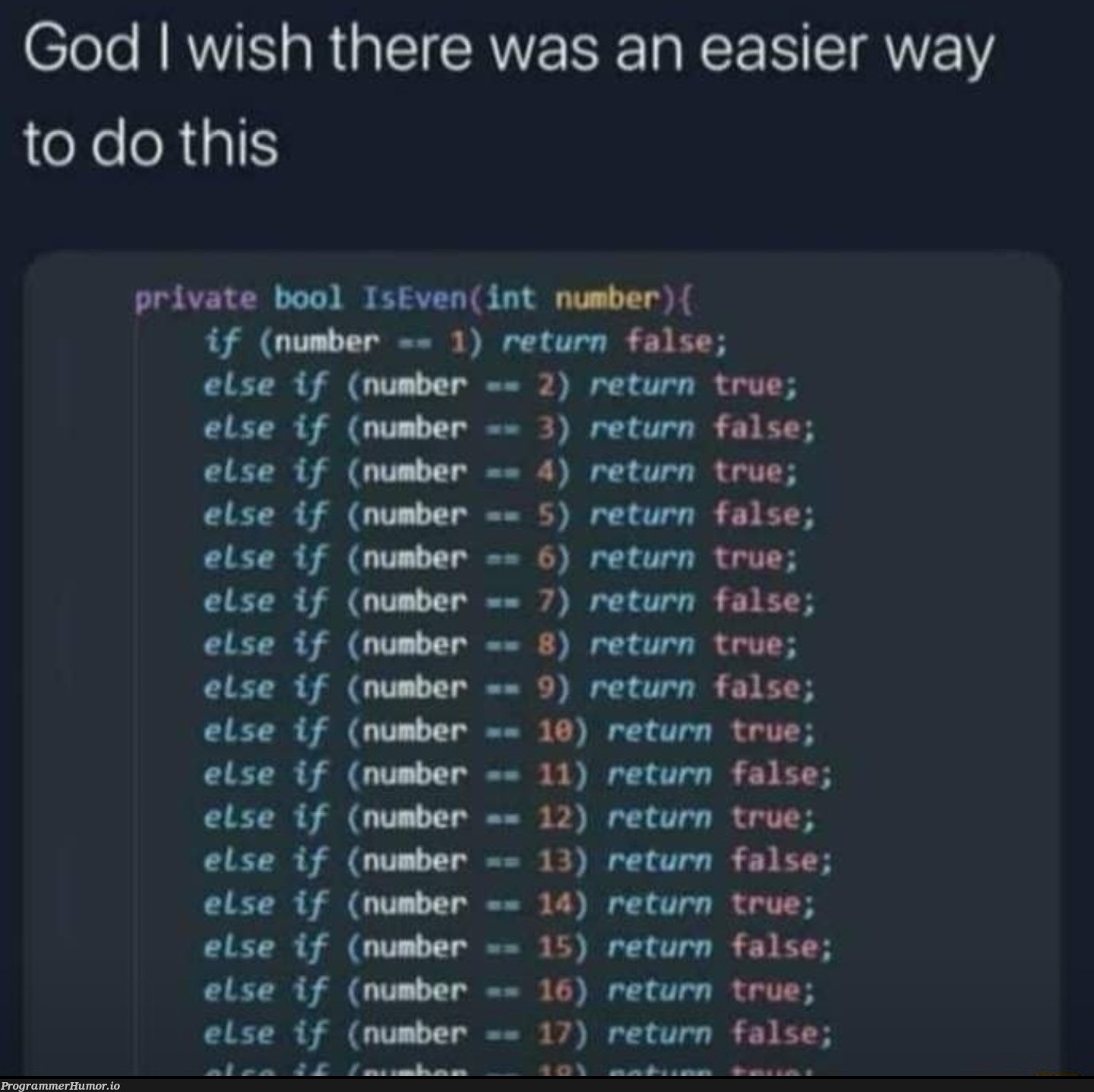


Java Devs... Just Admit It.... This Is Way Way Too Far

Java Devs... Just Admit It.... This Is Way Way Too Far
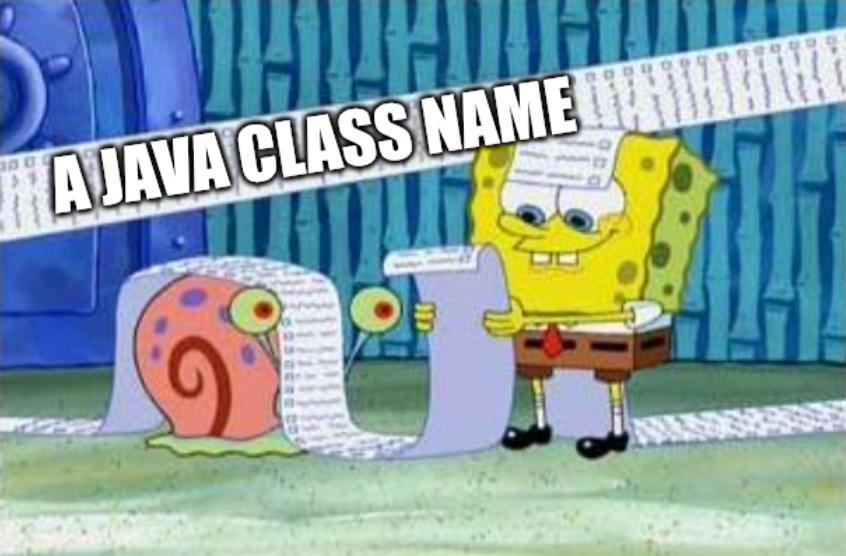
Java developers have this special talent for turning a simple problem into an architectural masterpiece nobody asked for. You need to create an order? Cool. But wait—what if we need an interface for flexibility? And obviously we need a factory to create those orders. But hold on, what if we need to create factories? Better make a factory factory . And naturally, that factory factory needs an interface too. Before you know it, you've got 47 files just to instantiate a single object. The best part? They'll defend this madness by saying it's "maintainable" and "testable" while the rest of us are shipping features. Enterprise Java turned abstraction into a competitive sport, and honestly, they're winning medals nobody wants. Meanwhile, Python devs are over here like: order = Order() and calling it a day.

They Are Experts Now

They Are Experts Now
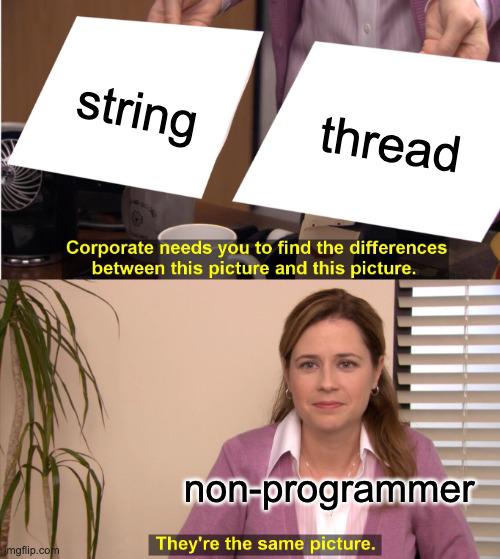
Copy-paste a single fetch() call to OpenAI's API with someone else's prompt template? Congratulations, you're now an "AI expert" with a LinkedIn bio update pending. The bar for AI expertise has never been lower. Literally just wrapping GPT-4 in an API call and stringifying some JSON makes you qualified to speak at conferences apparently. No understanding of embeddings, fine-tuning, or even basic prompt engineering required—just req.query.prompt straight into the model like we're playing Mad Libs with a $200 billion neural network. The "Is this a pigeon?" energy is strong here. Slap "AI-powered" on your resume and watch the recruiter messages roll in.

When You Finally Remove Useless Classes From Your Code

When You Finally Remove Useless Classes From Your Code
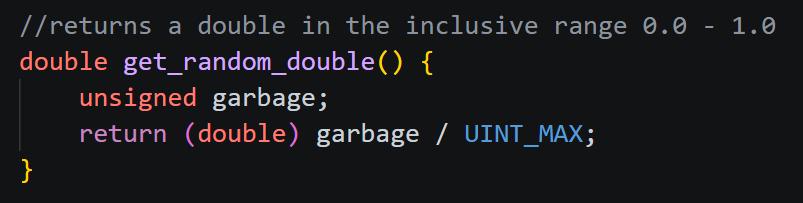
You know that revolutionary feeling when you delete 3,000 lines of dead code that's been sitting there since the previous dev "might need it later"? Yeah, it's basically a spiritual awakening. Nothing quite matches the dopamine hit of nuking those AbstractFactoryManagerBeanSingletonHelper classes that do absolutely nothing except make your IDE lag. The best part? Running the build and watching everything still work. No broken imports. No mysterious runtime errors. Just pure, clean code liberation. You're basically the Lenin of refactoring, leading the proletariat (your remaining classes) to freedom from the tyranny of bloat. Pro tip: git blame those deleted classes and you'll find they were added during a 3 AM "temporary fix" in 2019. They were never temporary. They were never a fix.

And Then Everyone Stood Up And Clapped

And Then Everyone Stood Up And Clapped
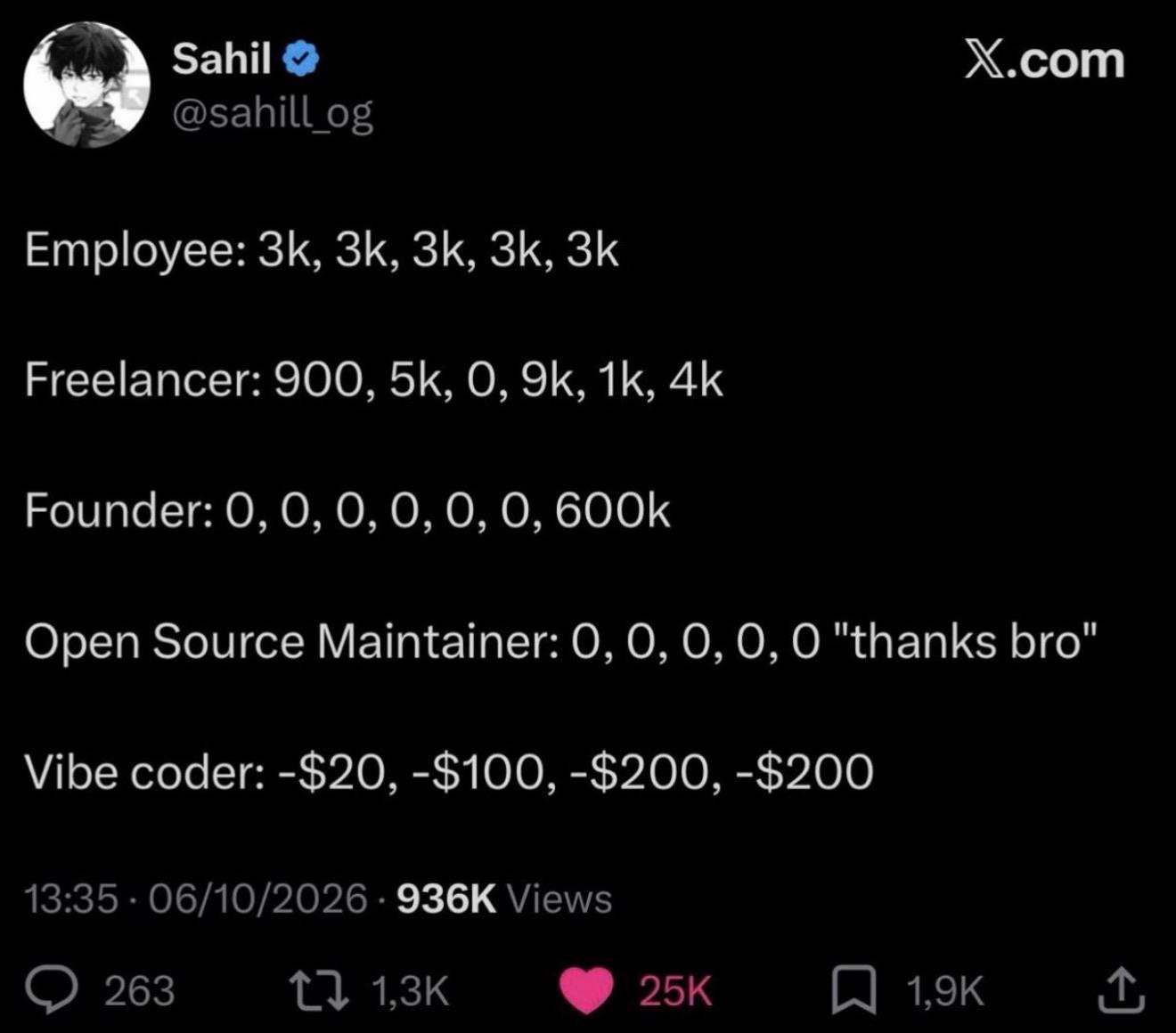
Ah yes, the classic "I met a teenager who built a $600k/month arbitrage bot with AI that worked on the first try" story. Right up there with "my cousin's friend invented blockchain 2.0 in his garage." The beautiful part is the escalating absurdity: design doc → Cursor → Sonnet 4.5 → boom, instant money printer. No debugging, no edge cases, no "wait the API changed" moments. Just pure vibes and arbitrage. The $400k Christmas bug that got fixed during dinner is chef's kiss territory—because nothing says "legitimate trading operation" like losing half a million dollars and casually patching it between turkey and dessert. Running it under mom's Polymarkets account is the cherry on top. SEC investigators love that one weird trick. The punchline "None of this ever happened btw" is unnecessary—we all knew from "worked on the first try."

This Is My Level Of Cybersecurity

This Is My Level Of Cybersecurity
Ah yes, the rubber band firewall. Because nothing says "enterprise-grade security" like physically preventing your ethernet cable from connecting to the network. Can't get hacked if you can't get online, right? It's technically air-gapped security, just with extra steps and a lot more desperation. Honestly though, after dealing with zero-day exploits, supply chain attacks, and explaining to management why we need to patch for the 47th time this month, maybe this person is onto something. Sometimes the best defense is just... not playing the game at all.

Makes Sense

Makes Sense
The eternal struggle of explaining Brooks' Law to management who think software development is like cooking chickens. Sure, you can crank up the heat to 900°F and cook it in 1 hour, but the result is a charred, inedible disaster. Meanwhile, the proper approach at 300°F takes 3 hours but yields something actually usable. Same logic applies to dev teams: throwing 2 more developers at a late project doesn't make it 3x faster—it makes it slower. Why? Communication overhead scales quadratically. With 3 devs you have 3 communication channels, with 5 devs you have 10. Plus there's onboarding time, context switching, merge conflicts, and the inevitable "wait, who changed this file?" Slack messages. The PM sees "3 devs = 3x speed" but reality delivers a burnt chicken that nobody wants to merge into production.

Stack Overflow Forever

Stack Overflow Forever
You know you've made it as a developer when you realize the only thing that changed between junior and senior is the quality of your Google search terms. Still copying code from Stack Overflow, just with more confidence and a better monitor now. The dependency never goes away, you just get better at pretending you understand what you're pasting.

They Can't See The Truth...

They Can't See The Truth...
Building a PC? Non-techies imagine you're some elite hacker typing furiously in a dark room, pulling off cyber heists. Reality check: you're just playing adult LEGO with expensive blocks, praying you don't bend any pins. And picking parts? They think you casually stroll into a store, grab what looks cool, and you're done. Nope. You're actually solving a multi-variable optimization problem that would make mathematicians weep. Will this CPU bottleneck the GPU? Is this RAM compatible with the motherboard? Does the PSU have enough wattage? Will it all fit in the case? Can I afford to eat this month? The cable management nightmare in the middle is just chef's kiss—because no matter how much you plan, it always ends up looking like a spaghetti factory exploded inside your case.

Web Developer Sends Client To Code Jail

Web Developer Sends Client To Code Jail
Nothing says "professional business relationship" quite like ransomware-ing your own client's website. Developer delivered the site, client ghosted on payment from "Joseph Smith Furniture," so now the site's held hostage with a polite little message: "If you need access, pay me." It's the freelancer's nuclear option—turning the entire website into a payment reminder. Technically genius, legally questionable, morally in a gray area the size of a production server. Sure beats sending invoice reminders that get ignored for six months. Pro tip: contracts with kill switches are great until you're explaining to a judge why you implemented your own version of "pay-per-view" on someone's business site. But hey, at least the services were delivered.

Linux Chad

Linux Chad
Windows is that overprotective parent who won't let you uninstall Edge because "you might hurt yourself." Meanwhile, Linux just hands you root access and says "go ahead, delete the bootloader, see what happens." The confidence is unmatched. Windows will literally panic if you try to remove its precious browser, acting like the entire OS depends on it (spoiler: it kind of does, because Microsoft). But Linux? Linux respects your freedom to make catastrophically bad decisions. Want to nuke your own system? That's on you, chief. No hand-holding, no warnings, just pure "I told you so" energy waiting on the other side. The bootloader is basically what tells your computer how to start up—remove it and you've got yourself a very expensive paperweight. But hey, at least Linux trusted you enough to let you try.

When You Accidentally Write Elegant Code

When You Accidentally Write Elegant Code
The progression from x += 1 (normal, acceptable) to x++ (meh, whatever) to x -= -1 (suddenly sophisticated) is the programming equivalent of putting on a tuxedo to take out the trash. Sure, you're technically subtracting a negative to increment, but you're also the kind of person who probably writes if (condition == true) unironically. It's mathematically correct, unnecessarily complex, and absolutely nobody asked for it—which makes it perfect code review material. Your teammates will either think you're a genius or question your life choices. Probably both.

Here's How To Do It But Don't Do It Like This

Here's How To Do It But Don't Do It Like This
You copy the exact code from the documentation, hit run, and suddenly you're staring at an error message telling you that what you just did is forbidden. Turns out "demonstration purposes" is developer-speak for "this will absolutely break in production but it makes for a clean screenshot." Documentation writers love pulling this move—they'll show you the simplest possible implementation that violates every best practice known to humanity, then slap a tiny disclaimer at the bottom that you'll only notice after you've already committed it to main. No error handling, hardcoded credentials, synchronous calls blocking the entire thread... it's all there, beautifully formatted and completely unusable. The real kicker? Half the time the "correct" way isn't even documented. You're just supposed to magically know that the example was a trap.