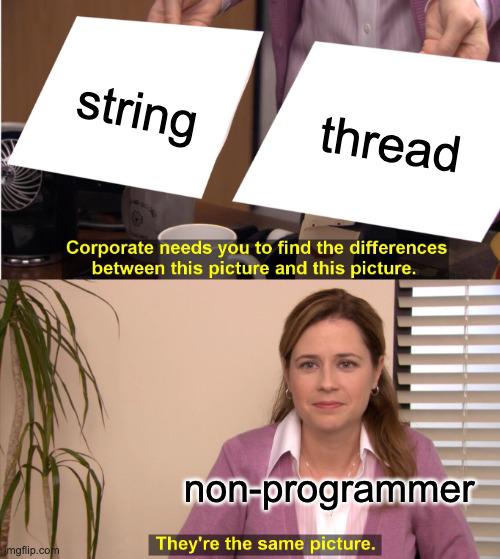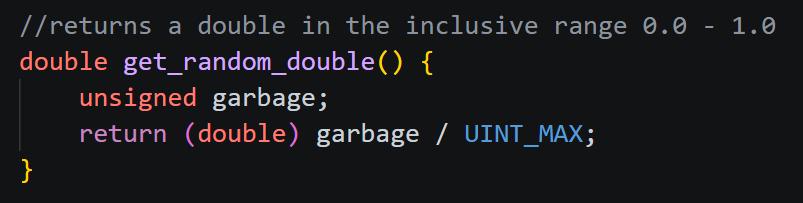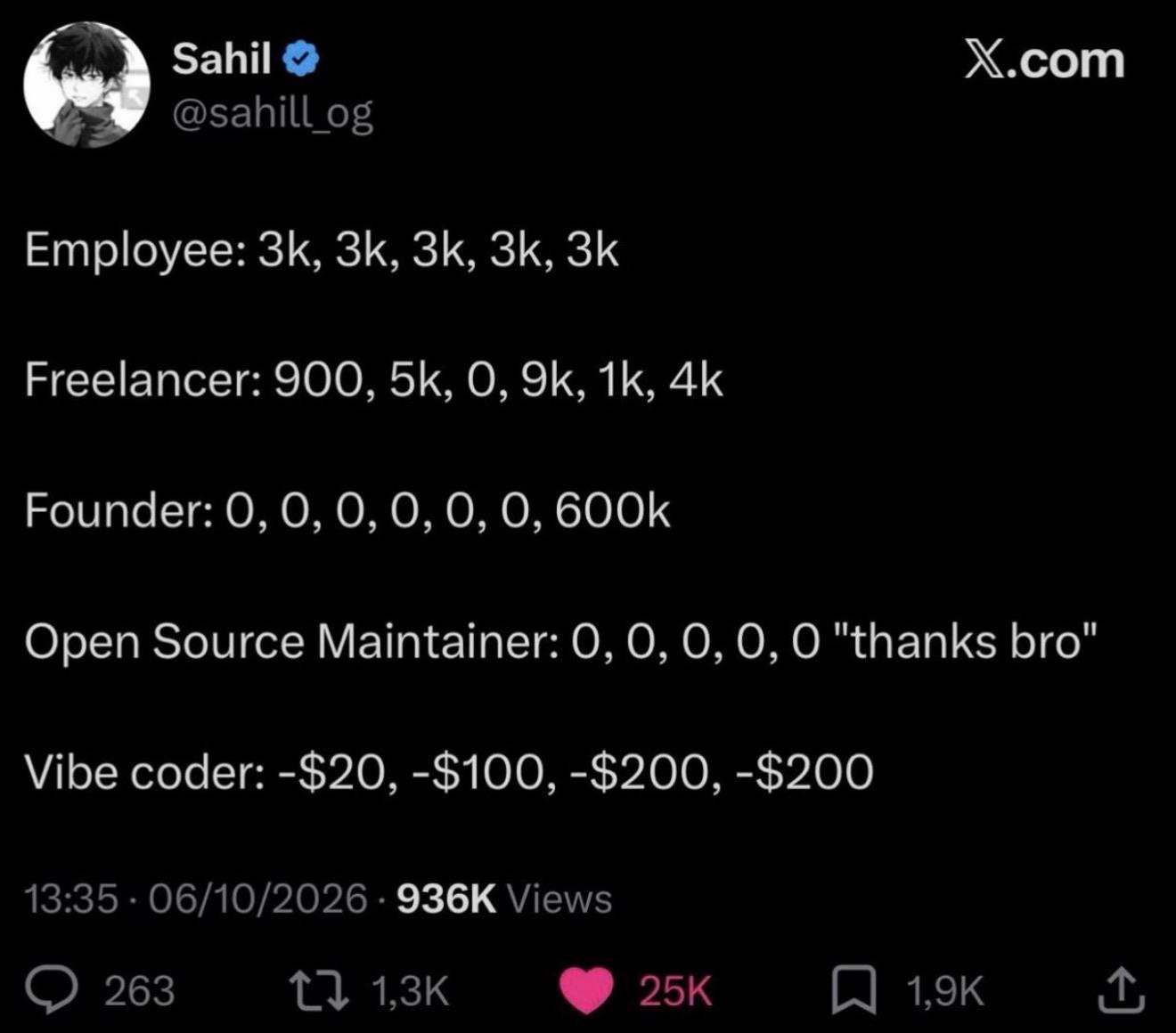


Well Well Well

Well Well Well
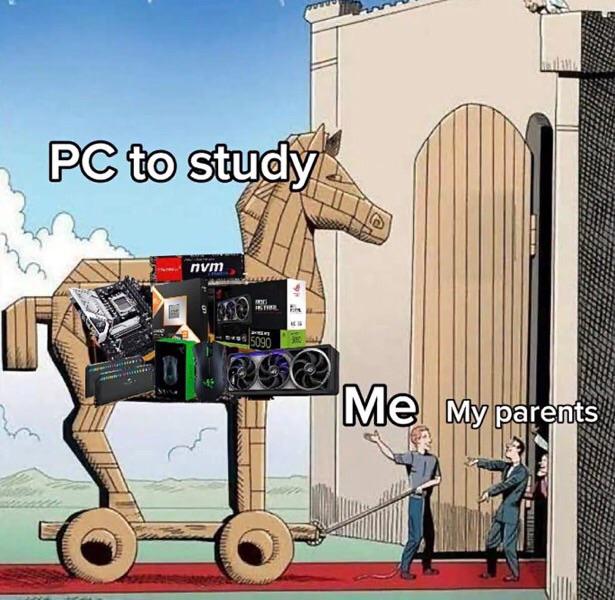
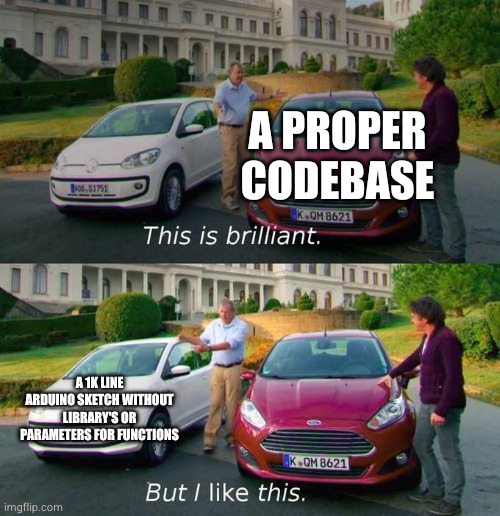
You know that smug feeling when you tell the team "we don't have time for tests, we'll write them later"? Yeah, later just arrived. Production's on fire, users are screaming, and you're staring at a bug that would've taken 30 seconds to catch with a basic unit test. But hey, you saved what, 10 minutes? Now you get to spend 3 hours debugging at 2 AM on a Friday while your manager CC's the entire engineering org on the incident report. The consequences-of-my-own-actions pipeline is now in full deployment mode. Fun fact: Studies show that fixing bugs in production costs 10-100x more than catching them during development. But sure, skip those tests. What could possibly go wrong?

Side Project Always Wins

Side Project Always Wins
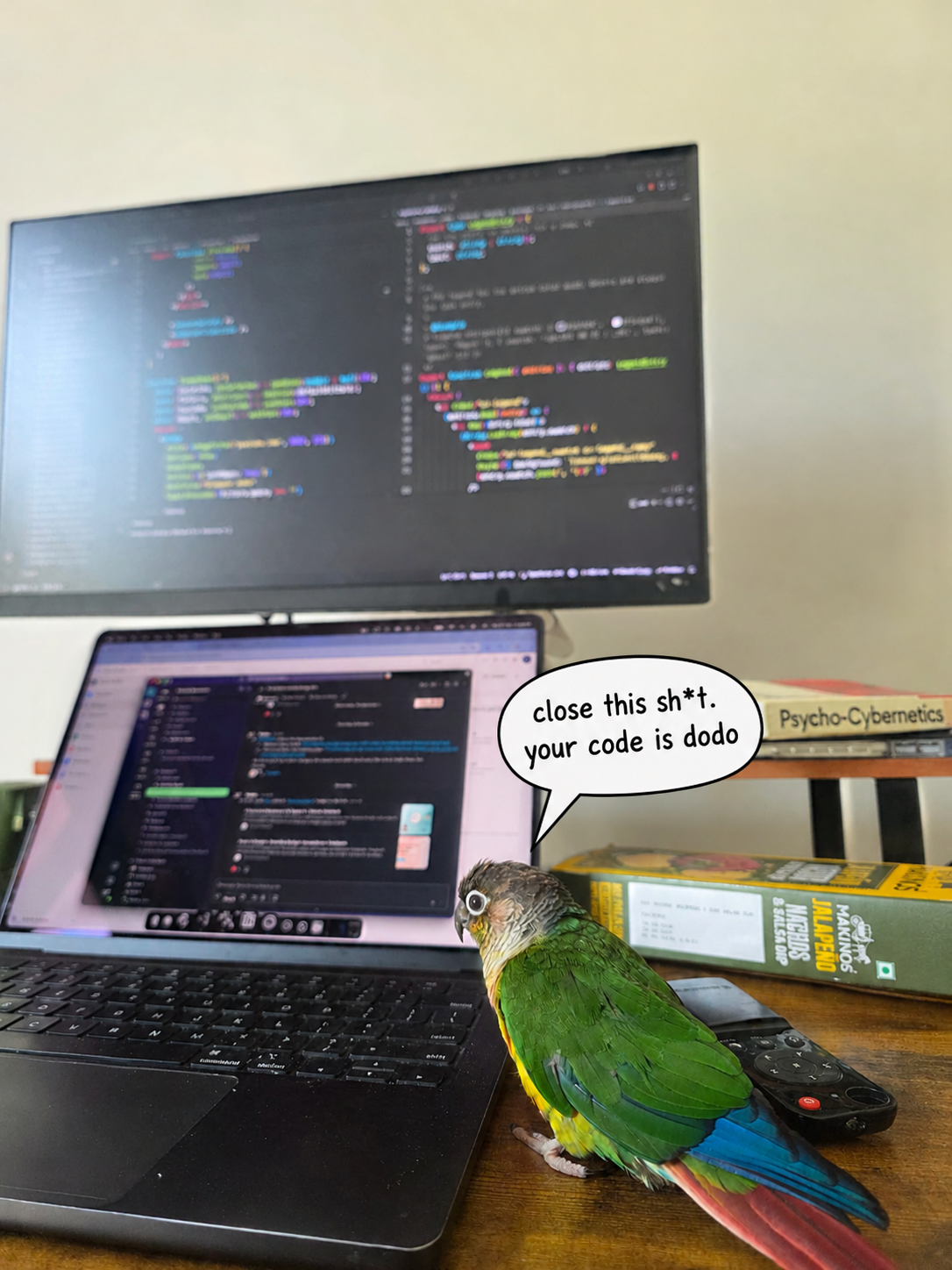
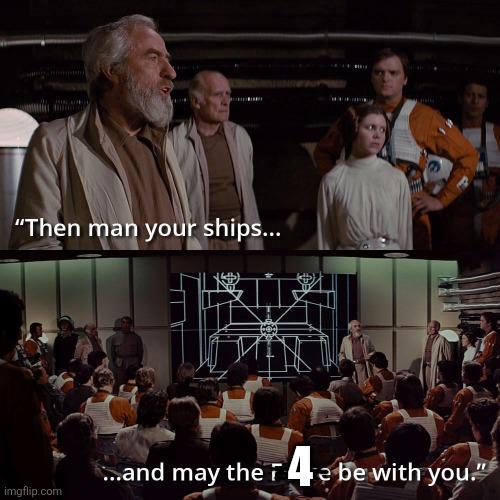
The absolute BETRAYAL captured in this single frame! Your work project is literally sitting right there, desperately trying to get your attention with its boring requirements and reasonable deadlines, but nope—you've already chosen violence. That side project? The one that'll probably never see the light of day? The todo app you're building for the 47th time using a framework that came out yesterday? Yeah, THAT'S your soulmate now. The work project can cry in legacy code while you're out here speedrunning your passion project at 2 AM with zero documentation and maximum vibes. The side project doesn't judge you, doesn't have standup meetings, and definitely doesn't need another Jira ticket. It's the forbidden romance of the developer world, and honestly? We're all guilty.

Git Add All Without Updating The Gitignore

Git Add All Without Updating The Gitignore
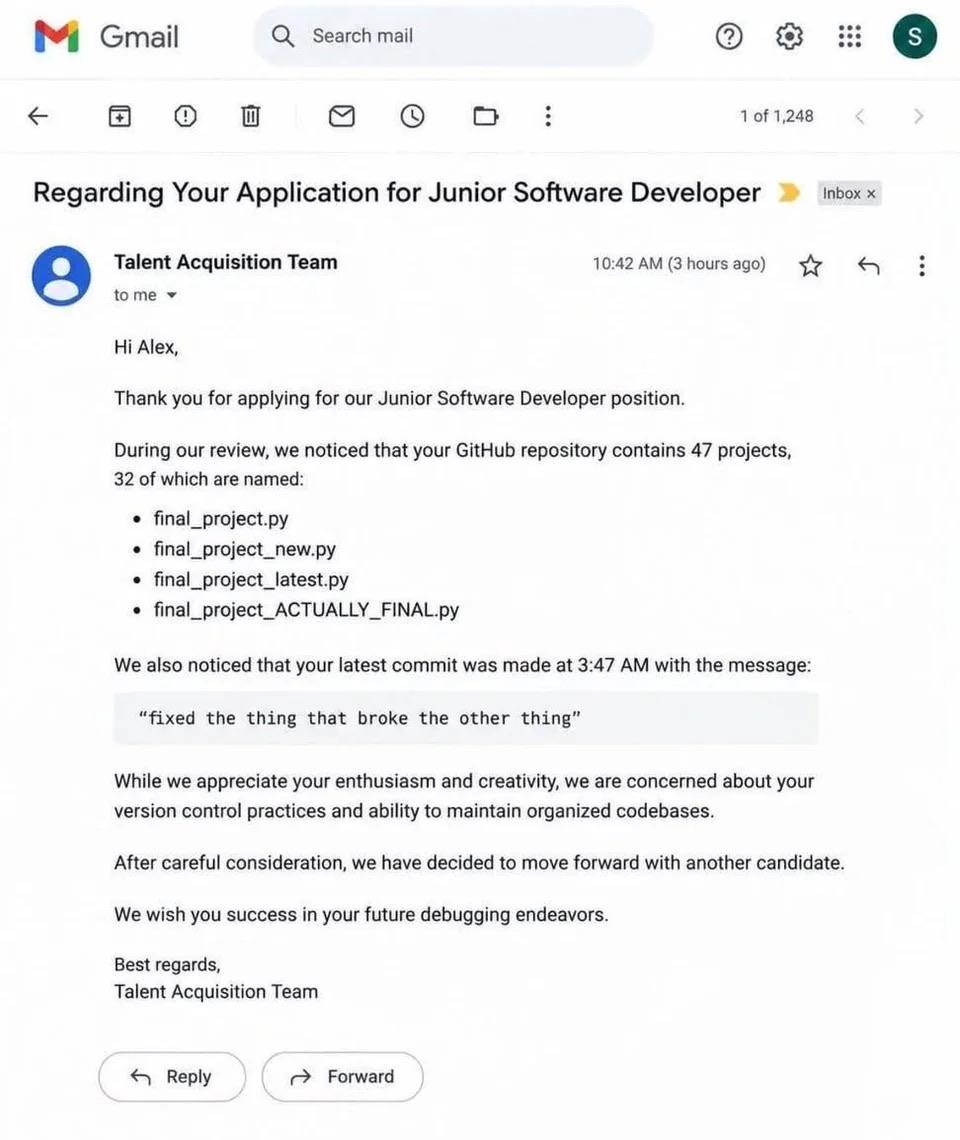
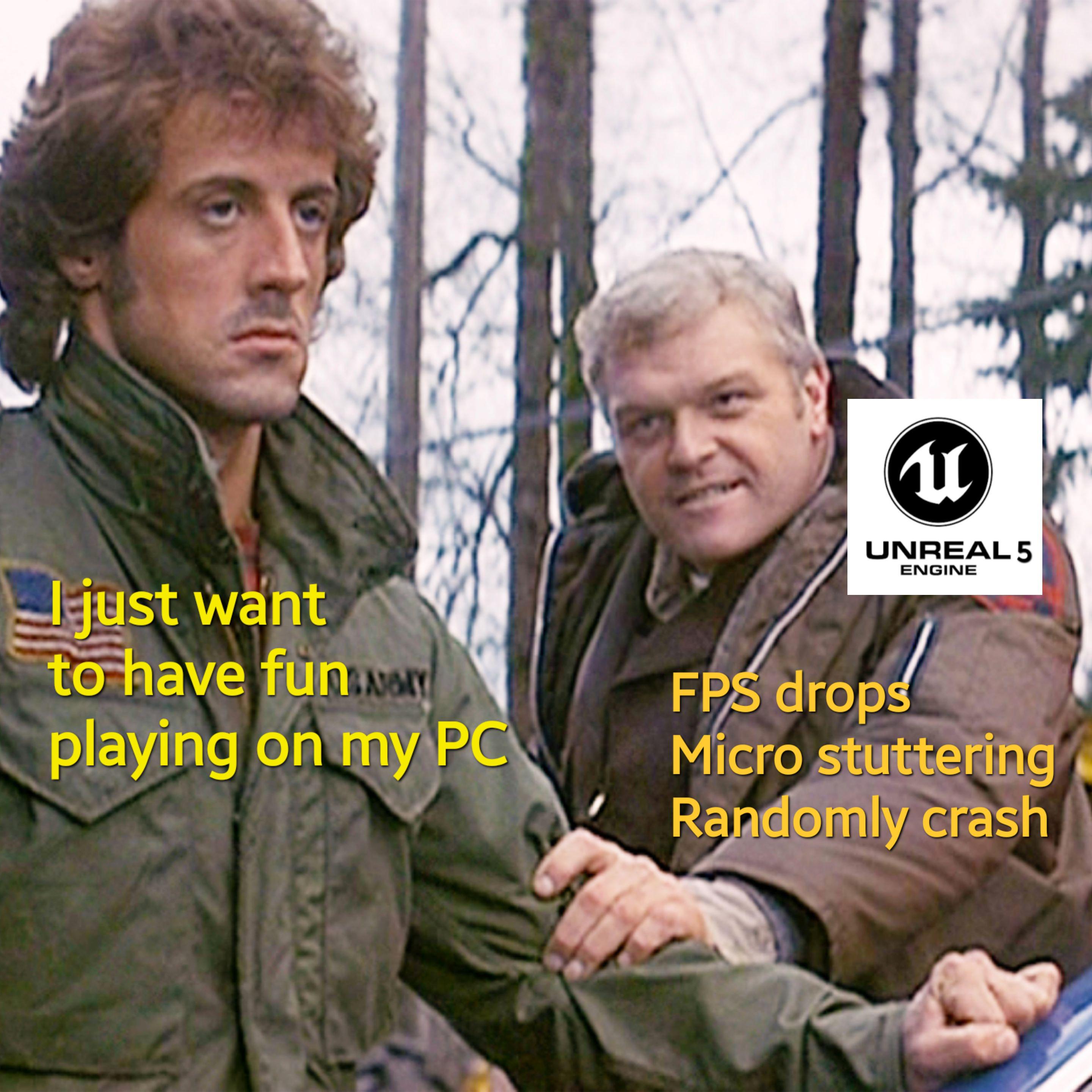
You know that sinking feeling when you casually run git add . and suddenly realize you just staged 47GB of raw training data, node_modules, and probably your entire .env file? Now you're watching your terminal crawl through uploading gigabytes to GitHub while your upload speed decides to cosplay as dial-up internet. The "51 years" is barely an exaggeration when you're pushing datasets that should've been in .gitignore from day one. Pro tip: always update your .gitignore BEFORE the git add, not after you've committed to your terrible life choices. And if you've already pushed? Time to learn about git filter-branch or BFG Repo-Cleaner, which is basically the "oh no" button for git repos.

Parallel Computing Is An Addiction

Parallel Computing Is An Addiction
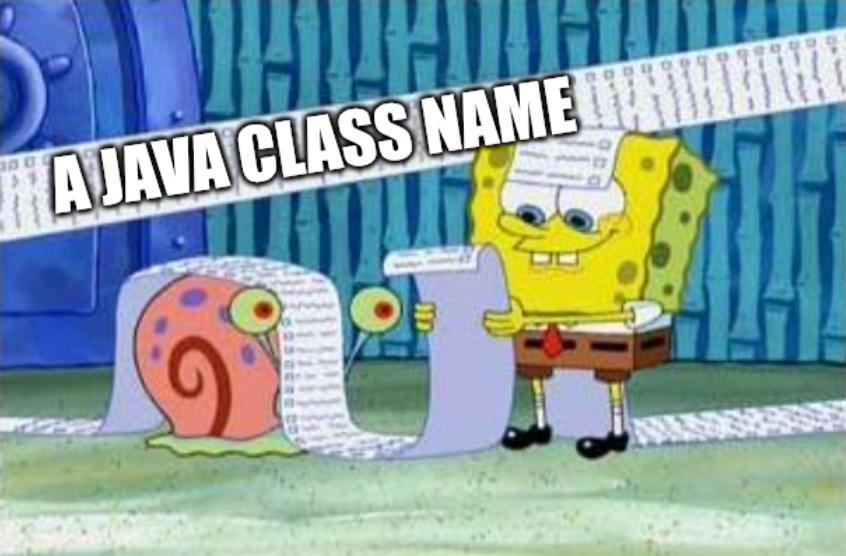
Multi-threading leaves you looking rough around the edges—classic race conditions and deadlocks will do that. SIMD hits even harder with those vectorization headaches. CUDA cores? You're barely holding it together after debugging memory transfers between host and device. But Tensor cores? You're grinning like an idiot because your matrix multiplications just became absurdly fast and you finally feel alive again. Each level of parallel computing optimization takes a piece of your soul, but the performance gains are too good to quit. You start with simple threading, then you're chasing SIMD instructions, next thing you know you're writing CUDA kernels at 2 AM, and before long you're restructuring everything for tensor operations. The descent into madness has never been so well-optimized.

Fear Of Programmer

Fear Of Programmer
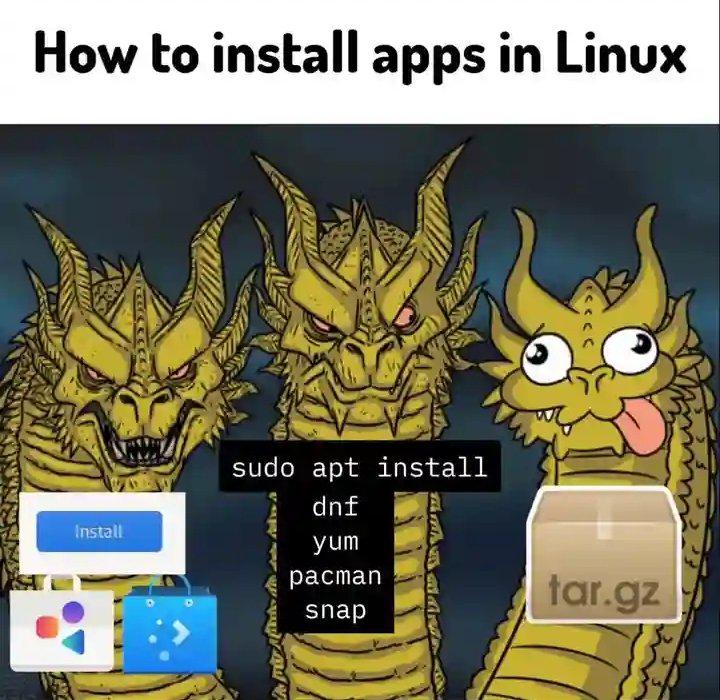
Vampires cower before sunlight, Superman trembles at the sight of Kryptonite, and programmers? They recoil in absolute TERROR at the mere mention of... documentation. You know, that thing we're supposed to write to help future developers (and our future selves) understand what the heck our code does? Yeah, that. We'll spend hours debugging, refactoring, optimizing—literally ANYTHING—but ask us to write a few sentences explaining our genius? Suddenly we're hissing and running for the shadows. The irony? We'll rage for hours when someone ELSE doesn't document their code. The hypocrisy is real and we're all living it.

Thankfully, Fortnite Is Eternally Successful, So They Can Sustain This For A Long Time, Right?

Thankfully, Fortnite Is Eternally Successful, So They Can Sustain This For A Long Time, Right?
Epic Games has mastered the art of buying developer loyalty through free games instead of, you know, actually making their platform good. Everyone's thrilled to claim free AAA titles every week, but the second they're asked to actually purchase something? Crickets. Tumbleweeds. The sound of wallets snapping shut. It's basically the digital equivalent of a grocery store giving out free samples—everyone loves the guy with the toothpick tray, but nobody's buying the frozen lasagna. Epic's entire business model relies on Fortnite whales funding their "charity work" of giving us free games while they desperately try to compete with Steam. Spoiler alert: having a shopping cart feature actually matters. The irony? We're all complicit. We've got libraries full of Epic games we'll never play, but hey, they were free. Meanwhile, Steam gets our actual money because it has features invented after 2005.

It Do Be Like That Sometimes

It Do Be Like That Sometimes
You know that brief moment of peace when your massive PR gets approved without conflicts? That's the calm before the storm. Because the real code review happens in Slack DMs where your coworkers suddenly remember they have "thoughts" about your architectural decisions. The merge button is just the midpoint of your emotional rollercoaster. First panel: pure anxiety wondering if anyone will actually approve your 47-file monstrosity. Second panel: euphoric relief when it merges cleanly. Third panel: existential dread when the notifications start rolling in and everyone's suddenly a software architect with opinions about your variable naming. Pro tip: Turn off Slack notifications before merging. What you don't know can't hurt you... until the daily standup.

Why Does Microsoft Exist When Windows Is Finished

Why Does Microsoft Exist When Windows Is Finished
Someone just discovered that Redis developers still have jobs despite Redis being "feature-complete." They're genuinely confused about what a Redis dev does all day if it's just SET and GET commands. The response is pure gold: "The people who make Redis. Also you forgot the pubsub side :P" Then comes the chef's kiss moment: "Isn't Redis done though? It works fine for me." Translation: "My use case is the only use case that matters, so clearly the entire product is finished." By that logic, every software company should shut down the moment their product compiles without errors on someone's machine. Imagine thinking Redis is "done" when there's performance optimization, security patches, new data structures, clustering improvements, memory management enhancements, compatibility updates, and about 47 other things happening behind the scenes. But sure, your GET request works, so ship it and fire everyone.

Cookie Cutter For Empty Jsons

Cookie Cutter For Empty Jsons
Finally, a practical kitchen tool for when your API returns {} for the 47th time today. Just press it into your dough and boom—perfectly shaped emptiness, just like that response body you've been staring at for the past hour. The cookie cutter literally creates nothing but an outline, which is the most accurate representation of what you get when the backend "successfully" returns an empty object. Status 200, zero data, maximum confusion. At least now you can eat your frustration in cookie form. Pro tip: Pair these cookies with a nice cup of "why didn't they just return null" tea.

It's Not Our Fault It's Cloudflare's

It's Not Our Fault It's Cloudflare's
Someone just created the ultimate scapegoat generator and honestly? It's GENIUS. Break production at 3 AM? Just whip up a professional-looking Cloudflare error page and watch your boss's anger evaporate faster than your motivation on a Monday morning. The tool literally lets you customize every detail—error codes, timestamps, status messages—so you can craft the perfect "it wasn't me, it was the CDN" alibi. Your browser? Working. Cloudflare? Error. Your website? Also working (allegedly). The perfect crime doesn't exi— The best part? It looks SO legitimate that even your senior dev might believe you. Finally, a tool that understands the developer's most important skill isn't coding—it's creative blame distribution.

A Random Tech Bro

A Random Tech Bro
Linus Torvalds, the guy who actually revolutionized computing with Linux and Git, works from what looks like a normal person's home office with a standing desk and basic setup. Meanwhile, your average tech bro needs a triple-monitor RGB-infested battlestation with studio lighting and a gaming chair that costs more than Linus's entire desk just to push commits to a React tutorial repo. The contrast is *chef's kiss*. One guy literally changed how the world writes software and runs servers. The other makes TikToks about his "coding setup" and hasn't merged a PR in weeks. Priorities, right?

I Guess It's Cheaper To Give Away Games? Their Business Makes No Sense To Me

I Guess It's Cheaper To Give Away Games? Their Business Makes No Sense To Me
Epic Games out here playing 4D chess with their launcher. They'll throw millions at free AAA games to get you hooked on their platform, but ask them to implement a shopping cart or cloud saves? Nah, that's too expensive apparently. It's the classic startup playbook: burn investor cash on user acquisition while the actual product experience stays in beta for years. Why fix the UX when you can just buy user loyalty with free copies of GTA V? Their launcher still feels like an Electron app someone built during a weekend hackathon, but hey, at least the free games library is chef's kiss. Product managers everywhere are taking notes: features that cost dev time and improve user experience? Hard pass. Throwing money at marketing stunts that bleed cash? Real stuff right there.