

StackOverflow Memes

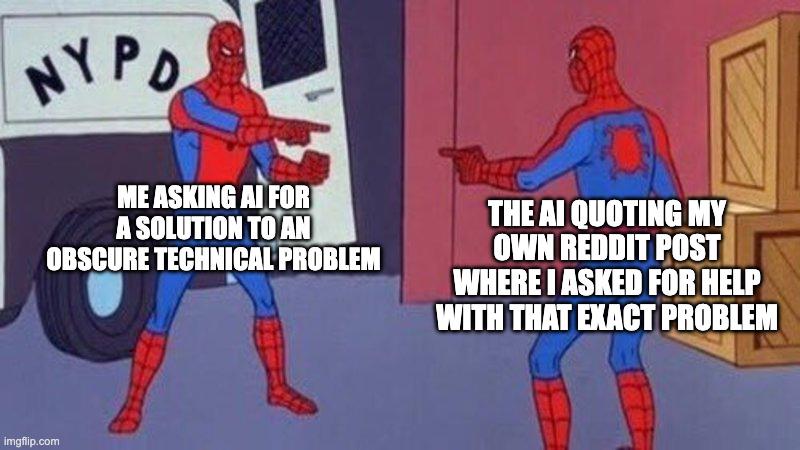
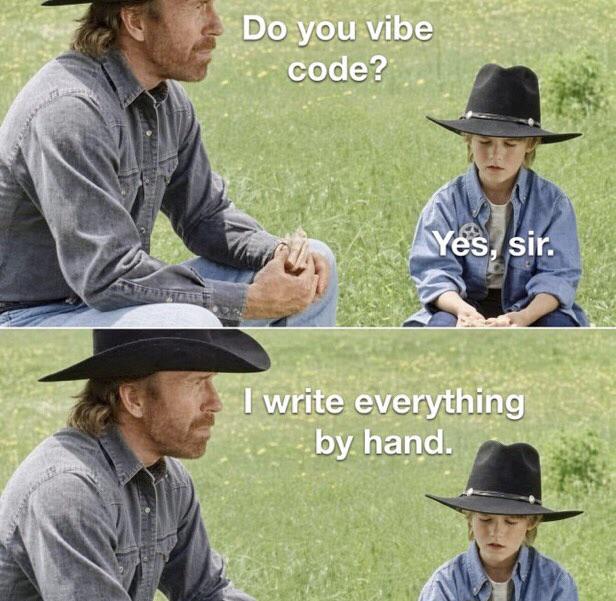
StackOverflow: that magical place where your desperate coding questions get marked as duplicates of a 2009 post that doesn't actually answer your question. These memes celebrate our collective dependency on this chaotic knowledge base. We've all been there – copy-pasting solutions we barely understand, crafting questions with the precision of legal documents to avoid downvotes, and the pure dopamine hit when someone actually answers your question. Behind every successful project is a developer with 47 StackOverflow tabs open and a prayer that the servers never go down.
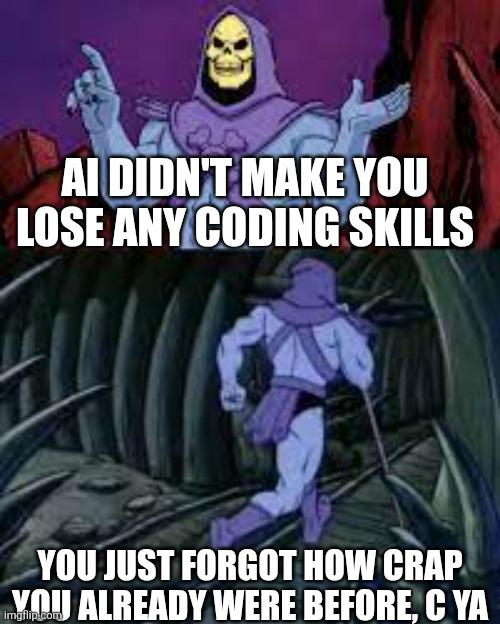
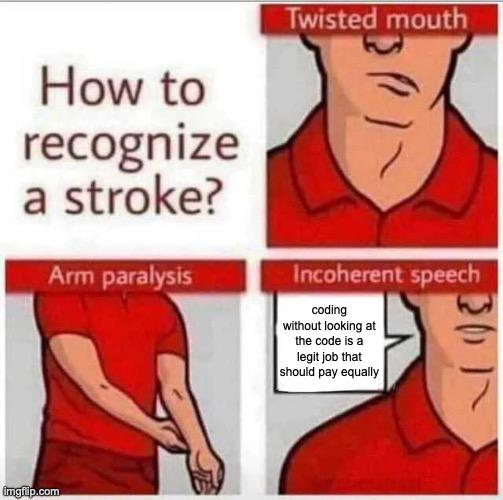
Programmers Be Like I Googled It So Now I'm An Expert

Programmers Be Like I Googled It So Now I'm An Expert
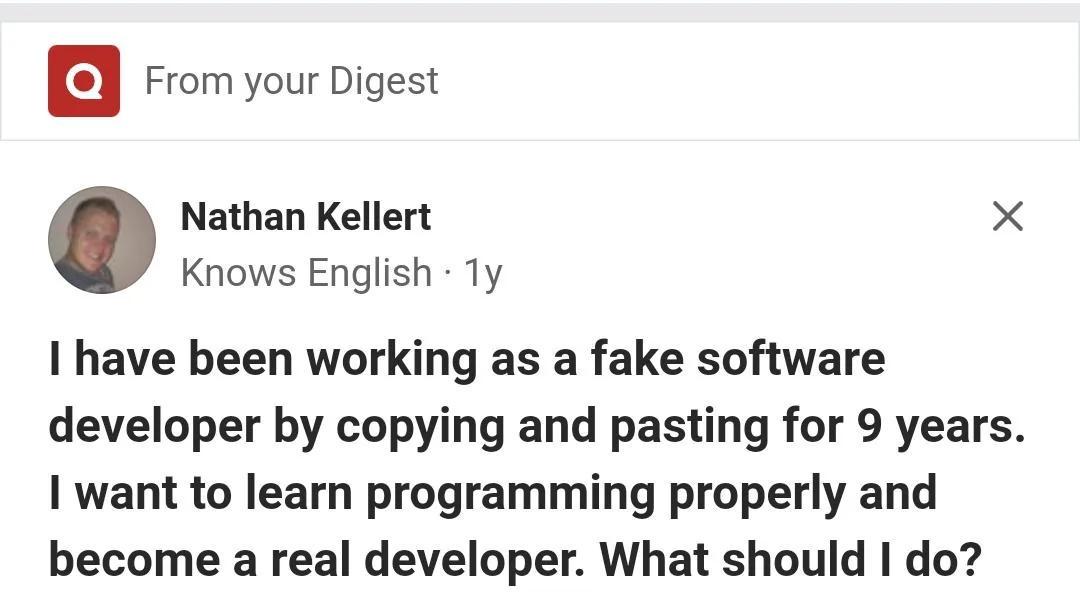
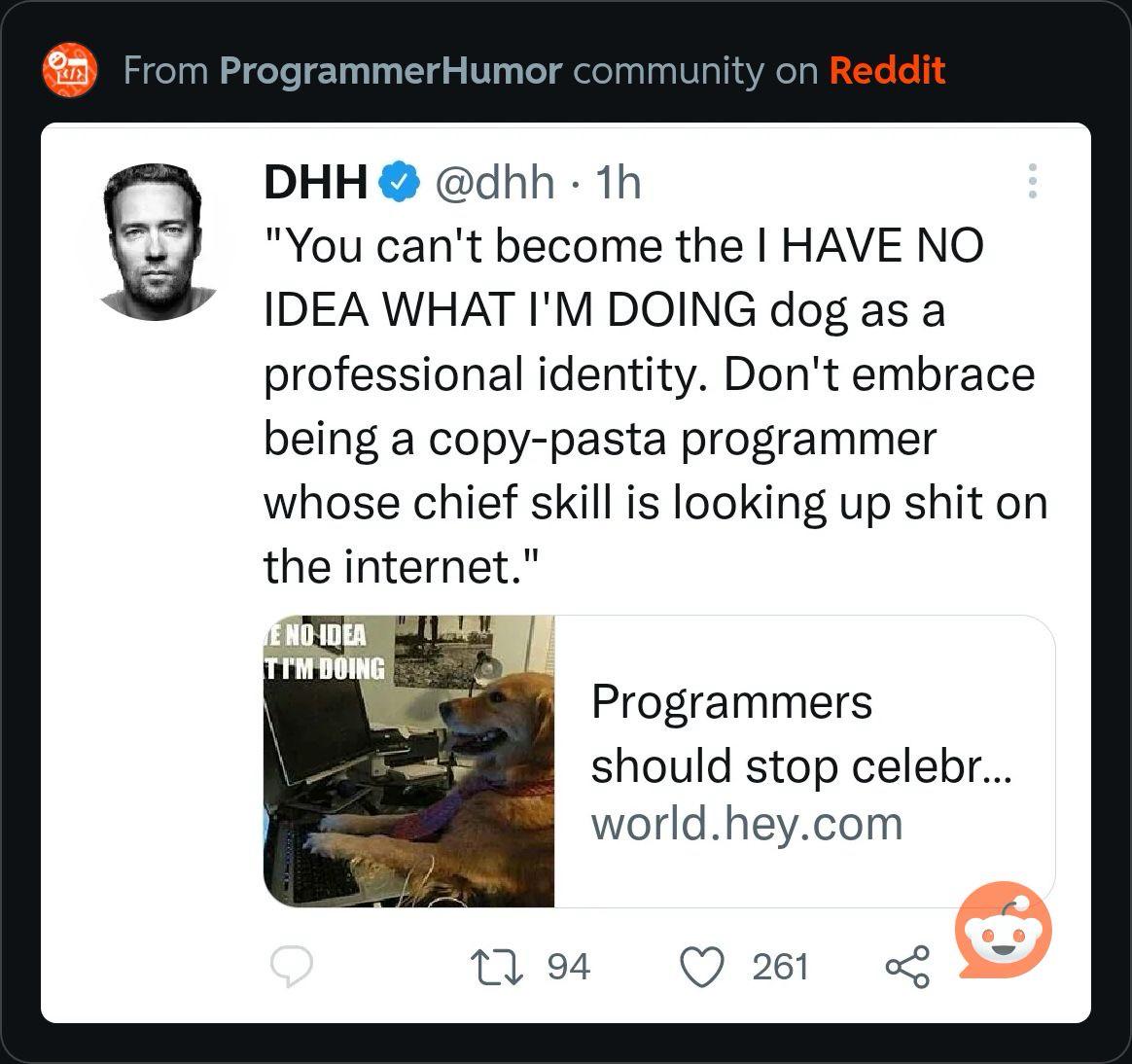
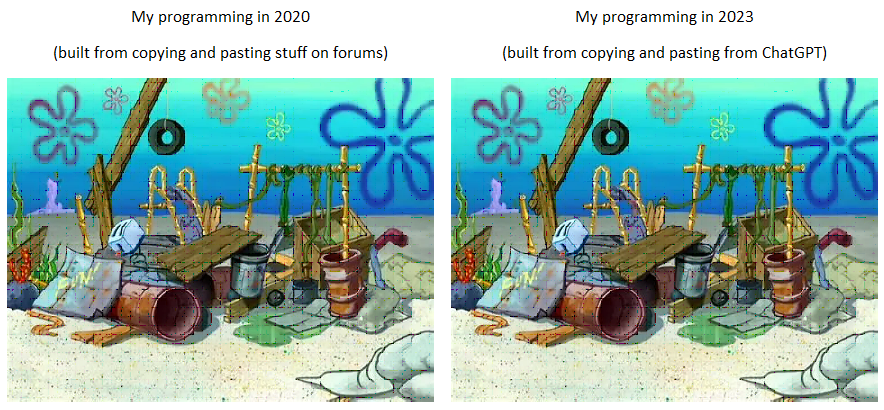
Lawyers spend years in law school. Doctors grind through med school and residency. Programmers? Just vibing with Google and Stack Overflow until the compiler stops screaming. No formal education required when you've got a search bar and the audacity to copy-paste code you don't fully understand. The best part is it actually works most of the time, which really says something about our profession. We're basically professional Googlers with imposter syndrome, but hey, if it compiles and passes the tests, ship it.

The Stack Hub Be Like

The Stack Hub Be Like
GitHub is all professional and polished, looking like it just stepped out of a corporate photoshoot. StackOverflow is giving you that knowing smirk—it's seen some things, answered some questions, probably roasted a few newbies who didn't format their code properly. Then there's your actual code, which looks like it was drawn by someone having a fever dream during a hackathon at 4 AM. The reality is that your GitHub repos look pristine with their README files and organized commits, while StackOverflow solutions seem elegant and well-thought-out. But when you actually open your codebase? It's a Frankenstein's monster of copy-pasted snippets, TODO comments from 2019, and functions named "doTheThing2_FINAL_actuallyFinal_v3". The gap between what your code looks like in your head versus what it actually is could fit the entire JavaScript ecosystem in it.

Coding From Memory In 2025 Should Be Illegal

Coding From Memory In 2025 Should Be Illegal
Witnessing someone code on a plane without internet is like watching a cryptid in the wild. No Copilot whispering sweet autocomplete nothings? No frantic Stack Overflow tabs? No documentation? Just pure, unfiltered brain power and error messages? This person is either a coding wizard from the ancient times or has memorized the entire MDN documentation. The rest of us can barely remember our own API endpoints without Googling them seventeen times. Honestly, if you can debug without AI assistance in 2025, you're basically a superhero and should be studied by scientists.

The Stack Hub Be Like—

The Stack Hub Be Like—
GitHub sits there looking all professional and composed with its version control and CI/CD pipelines. StackOverflow is giving you that knowing smirk because it's seen every cursed question you've ever asked at 3 AM. And then there's your actual code—a beautiful disaster that somehow combines the worst parts of both copy-pasted solutions from SO and those "temporary" commits you swore you'd clean up before pushing to main. The real horror is that your codebase is literally a Frankenstein's monster stitched together from Stack Overflow answers, each solving one specific problem but creating three new ones when combined. GitHub hosts it with a straight face while StackOverflow keeps providing the organs for your creation. Meanwhile, your code is just vibing in production, held together by duct tape, prayer, and that one function nobody dares to refactor because "if it works, don't touch it."

As Long As It Works

As Long As It Works
Behold, the sacred trinity of IT troubleshooting! That massive blue slice? That's the "turn it off and turn it back on again" method—the nuclear option that somehow fixes 60% of all problems known to humanity. The red chunk represents frantically Googling error messages while pretending you totally knew what was wrong all along. And that adorable little green sliver? That's the phenomenon where bugs mysteriously vanish the SECOND a senior dev walks over to your desk. Suddenly your code works perfectly and you're left looking like you summoned them for absolutely nothing. The best part? This pie chart is disturbingly accurate and we're all just out here winging it with the confidence of someone who definitely knows what they're doing (narrator: they don't).

Might As Well Try

Might As Well Try
Computer Science: where nothing else has made the code work, so you might as well try licking it. Honestly, this tracks. After exhausting Stack Overflow, rewriting the entire function, sacrificing a rubber duck, and questioning your career choices, the scientific method becomes "whatever, let's just see what happens." Computer Engineering gets the "tingle of electricity on your tongue" test, which is disturbingly accurate for hardware debugging. The rest of the sciences have actual safety protocols, but CS? Just try random stuff until the compiler stops screaming at you. It's not debugging, it's percussive maintenance for your sanity. The real kicker is that this method works more often than it should. Changed a variable name? Fixed. Deleted a comment? Suddenly compiles. Added a random semicolon? Production ready. Science.

Read The Forking Manual

Read The Forking Manual
You spend weeks writing documentation. Beautiful, comprehensive docs with examples, edge cases, troubleshooting sections—the whole nine yards. You even add diagrams because you're fancy like that. Then someone opens a ticket asking the exact question answered in the first paragraph of the README. The sad truth? Documentation is like that gym membership everyone has but nobody uses. Developers would rather spend 3 hours debugging, ask on Slack 47 times, and sacrifice a rubber duck to the coding gods than spend 5 minutes reading the docs. It's not that the bridge isn't there—it's that everyone's too busy trying to swim across the river. Pro tip: If you want people to read your docs, hide the solution in a Stack Overflow answer. That they'll find in 0.3 seconds.

It's Working

It's Working
Someone asked for help printing numbers 1-25 in a clockwise expanding spiral pattern. The "solution" is just five hardcoded print statements with the numbers manually typed out in rows. No loops, no algorithms, no spiral logic—just raw, unfiltered copy-paste energy. The sender confidently declares "It's working" like they just solved P=NP. Technically correct? Sure. The numbers are there. They're in some kind of pattern. Mission accomplished, right? This is the programming equivalent of being asked to build a car and showing up with a skateboard taped to a lawnmower. The person who asked for help said "thanks" which means they either didn't actually look at the code, or they've completely given up on life. Both are valid responses in this industry.

Two Months Later Can Anyone Help Fix My App

Two Months Later Can Anyone Help Fix My App
Someone built an entire production app using thousands of AI-generated prompts over several months, admits they don't code or understand HTML/JS, and is now confused why nobody wants to help fix it. They insist "vibecoder skill IS engineering" which is basically like saying watching Gordon Ramsay makes you a chef. The best part? They're calling actual developers "dinosaurs" for not embracing their prompt-driven development methodology. Nothing says "I'm a serious engineer" quite like having zero ability to debug your own production code and getting defensive about it on Reddit. The gatekeeping comment at the top is chef's kiss. Expecting someone to understand the code running their production app is apparently now considered elitist gatekeeping. We've reached peak 2024.

Which One Are You

Which One Are You
Three generations, same circus. New devs think ChatGPT is revolutionary. Old school devs know StackOverflow is the real MVP. Ancient devs? They actually read the documentation—which honestly makes them the most unhinged of the bunch. We've gone from "RTFM" to "copy from SO" to "ask the robot overlord," but the core skill remains unchanged: ctrl+c, ctrl+v, pray it works. The source changes, the desperation doesn't. Fun fact: developers who claim they read documentation are either lying or writing it themselves. There is no third option.

Getting Help With A Software Project

Getting Help With A Software Project
Oh honey, you thought StackOverflow was gonna be your knight in shining armor? THINK AGAIN. Someone asks for help catching mice and the "lovely people" at SO are out here telling them catching mice is deprecated, suggesting they pivot to hunting humans instead, and marking their question as a duplicate of "How to stalk birds." The absolute CHAOS of trying to get actual help on StackOverflow when all you wanted was a simple answer but instead you get roasted, redirected, and rejected faster than a failed CI/CD pipeline. The brutal reality? You're better off debugging alone in the dark at 3 AM with nothing but your rubber duck and existential dread.

Vibe Coding History

Vibe Coding History
The ancient art of torture has evolved beautifully. Back in the day, they'd just rack you or pour molten lead down your throat. Now? They make you sit through a code review where someone reveals your entire Google search history of Stack Overflow questions. "How to center a div" at 3 AM. "Why doesn't my code work" followed immediately by "Why does my code work now". "Difference between let and var" for the 47th time. The executioner doesn't even need to say anything—just project those searches on the wall and watch you crumble. Honestly, public execution would be less humiliating than having your team see you googled "what is recursion" after claiming five years of experience on your resume.