credentials Memes

Based On A True Story

Based On A True Story
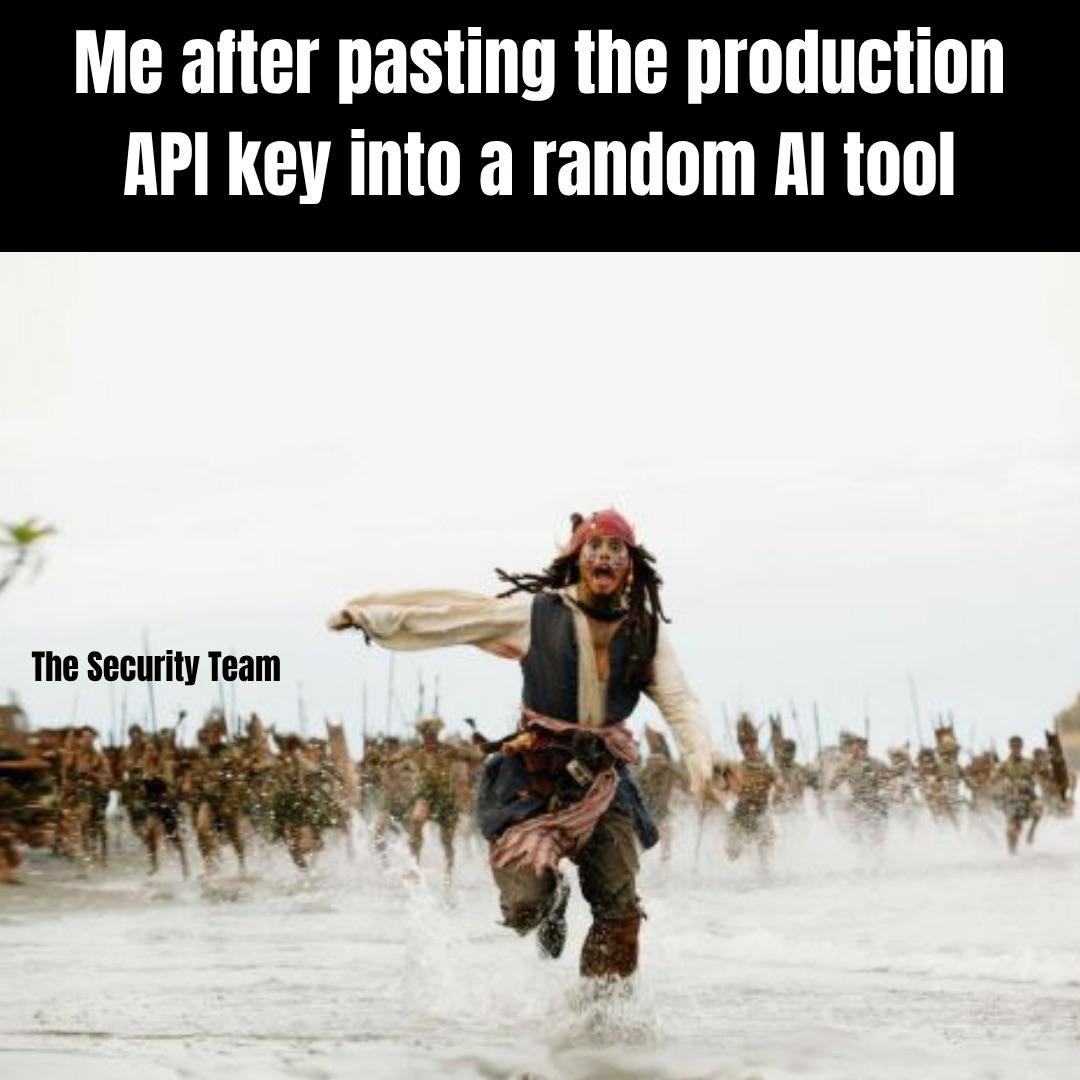
When your coworker admits they've been yeeting API keys and environment variables straight into ChatGPT to debug auth issues, and suddenly everything works. The awkward silence that follows is the sound of every security best practice dying simultaneously. Sure, the bug is fixed, but at what cost? Those credentials are now immortalized in OpenAI's training data, probably sitting next to someone's Social Security number and a recipe for chocolate chip cookies. Time to rotate every single key, update the docs, and pretend this conversation never happened. The best part? It actually worked. ChatGPT probably spotted a typo in the environment variable name or suggested using Bearer token format instead of just raw-dogging the API key in the header. But now you're stuck between being grateful for the fix and having an existential crisis about your company's security posture.

Use Safe Passwords During Development

Use Safe Passwords During Development
Nothing says "security professional" quite like getting a data breach notification for your localhost development servers. Apparently someone out there managed to breach http://localhost:8081, http://localhost:8088, and the ever-vulnerable http://localhost. Your dev credentials with the ultra-secure combo of "[email protected]" were just too tempting for hackers worldwide. The real question is: which data breach consortium is monitoring your local machine? Did they break into your apartment, sit at your desk, and carefully document your test credentials? Or did you accidentally push these to production because "it's just temporary"? Spoiler: nothing is ever temporary. The lightbulb icon on the last entry really ties it together. Yes, that's the moment of realization when you figure out where those "localhost" credentials actually ended up.

Passwords Be Like...

Passwords Be Like...
The evolution of password requirements is the digital equivalent of Stockholm syndrome. First panel: the classic "admin/password" combo – practically leaving your front door wide open with a neon sign saying "Rob me!" Second panel: When sites force you to use those ridiculous l33t-speak substitutions that nobody can remember. "Is that a zero or an O? Was it an @ or an a?" Third panel: The modern password hellscape requiring uppercase, lowercase, numbers, symbols, your firstborn child, and a blood sacrifice. Final panel: The galaxy brain move of swapping username and password. Security by absurdity – hackers would never think to try it! And yet some production server somewhere is absolutely running with these credentials right now.

Just Asking Out Of Curiosity...

Just Asking Out Of Curiosity...
That look when a junior dev tries the "asking for a friend" approach after pushing their API keys to GitHub. The senior's face says it all: "I know what you did, and now we're both having a terrible day." The real question isn't how to remove it—it's how many services you need to rotate keys for before the CEO finds out about the $20K AWS bill from the crypto miners who found it first.

Just Asking Out Of Interest

Just Asking Out Of Interest
The "asking for a friend" of development. Nothing says "I've already done something catastrophic" like a junior dev casually inquiring about API key removal from git history. That look from the senior dev isn't suspicion—it's the realization that the weekend is now canceled and the entire team is about to learn what a force push really means. Somewhere in the background, the company's security team just felt a disturbance in the force.

The Password Time Machine

The Password Time Machine
When GitHub asks for your password but you haven't used it since they forced everyone to switch to personal access tokens. The mysterious GitHub entity with its ominous backdrop demands credentials while the poor developer, blissfully unaware, types "coder" like it's 1999. Then reality hits - support for password authentication was nuked back in August 2021. That moment when muscle memory meets obsolete security protocols. Your fingers remember what your brain forgot.

The Unpaid Intern's Parting Gift

The Unpaid Intern's Parting Gift
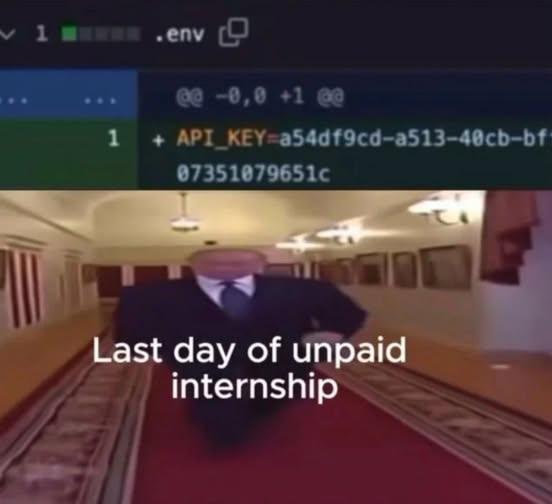
Ah, the classic revenge of the unpaid intern! When your company thinks exposure is a valid form of payment, but you're leaving with something far more valuable—their API key. Nothing says "thanks for the experience" quite like committing sensitive credentials to a public repository on your way out. It's the digital equivalent of taking the office stapler, except this one could cost them thousands in unauthorized AWS charges. Remember kids: proper credential management isn't just good practice, it's also why you should probably pay your developers.

Remember Not To Broadcast Your Login Credentials On National Television

Remember Not To Broadcast Your Login Credentials On National Television
OH. MY. GOD. Someone just casually broadcasted their Microsoft session operator password (literally "Sab001") and then had the AUDACITY to remind everyone to use their personal credentials for minimum apps! 💀 This is the security equivalent of locking your front door but leaving a note on it saying "KEY UNDER DOORMAT" in neon letters. The security team is probably having simultaneous heart attacks right now while hackers are sending thank-you cards to the TV station! The absolute IRONY of a sign telling people to protect their credentials while broadcasting the password to millions is just *chef's kiss* perfection. Security through obscurity? More like insecurity through publicity!

Remember To Not Broadcast Your Login Credentials On National TV If Possible

Remember To Not Broadcast Your Login Credentials On National TV If Possible
Nothing says "we take security seriously" like posting your admin credentials on a sticky note that ends up on national TV. That sign literally says "For Microsoft Session We Use Operator Password: Sab001" and then goes on about personal credentials for other systems. Some poor IT admin is having a heart attack right now while frantically resetting passwords across the entire organization. The best security system in the world, defeated by a post-it note and a camera crew. Classic example of why your security policy should include "don't write passwords where millions can see them."

Almost Ended My Whole Career

Almost Ended My Whole Career
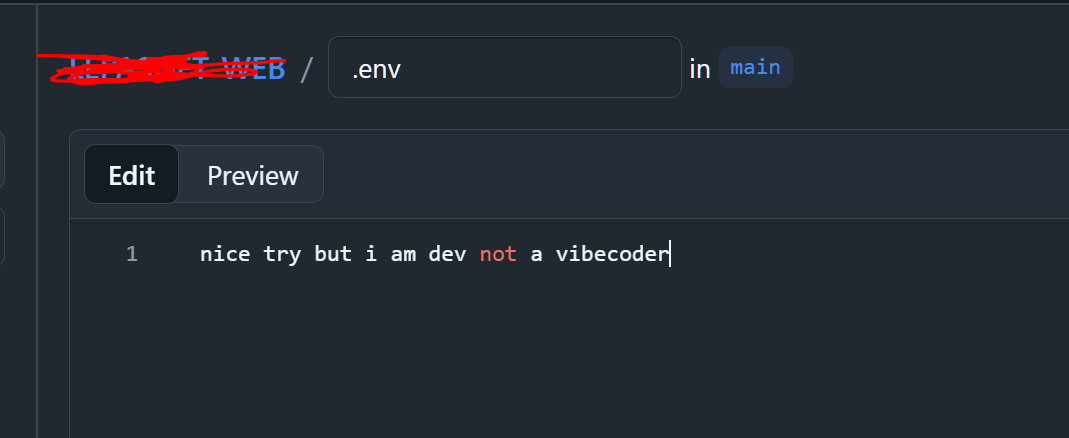
The silent killer of every developer's sanity: accidentally pushing your .env file to GitHub. That little tab showing the .env file about to be closed is giving me heart palpitations! One wrong commit and suddenly your API keys, database credentials, and that secret message to your future self are available for the whole internet to see. Nothing says "I'm having a great day" like realizing your AWS keys are public and there's already a $10,000 bill for crypto mining in Siberia.

When Your API Key Goes Public Before Your Resume Does

When Your API Key Goes Public Before Your Resume Does
Ah, nothing says "top-notch security" like giving a 25-year-old access to government databases AND AI systems, then watching them accidentally paste an API key on GitHub. Because what could possibly go wrong when someone has access to both Social Security data and cutting-edge LLMs? This is peak "move fast and break things" energy, except the "things" are national security and AI safeguards. The sarcastic "should fill all Americans with a deep sense of confidence" is chef's kiss material. Future historians will call this the "control-C, control-V apocalypse."

Cybersecurity Karma Strikes Back

Cybersecurity Karma Strikes Back
Browsing a site that collects leaked API keys, feeling all smug and superior... until that horrifying moment when you spot your own credentials in the list. Nothing humbles a developer faster than realizing you're the very security disaster you've been laughing at. Pro tip: rotate those keys before posting screenshots on Stack Overflow, genius!