

Thank You, Mother

Thank You, Mother
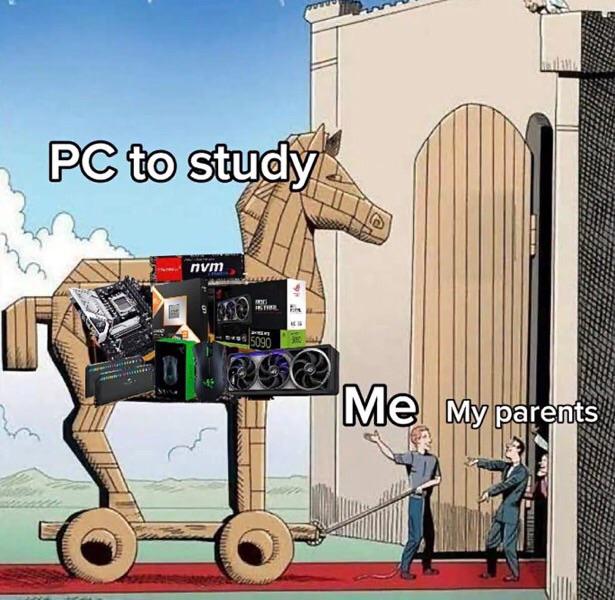
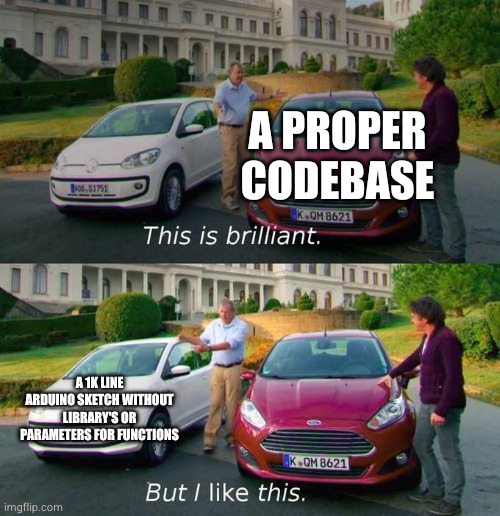
You know that crushing moment when you're desperately trying to justify your existence to the people who raised you? Three weeks of debugging, refactoring, optimizing collision detection, and implementing that smooth camera movement system. But when it's demo time, all they see is a character moving left and right for 15 seconds before you hit a game-breaking bug you swore you fixed yesterday. Their polite "It's quite cool" hits different than any code review ever could. They're trying their best to be supportive, but you can see in their eyes they're wondering if you should've become a dentist instead. Meanwhile, you're internally screaming about the 47 classes, 2000 lines of code, and that one Stack Overflow answer that saved your life at 2 AM. The real kicker? If you showed them a polished AAA game, they'd have the same reaction. Non-technical folks just don't understand that those 15 seconds represent your blood, sweat, and approximately 47 cups of coffee.

Infinite Money Glitch Found

Infinite Money Glitch Found
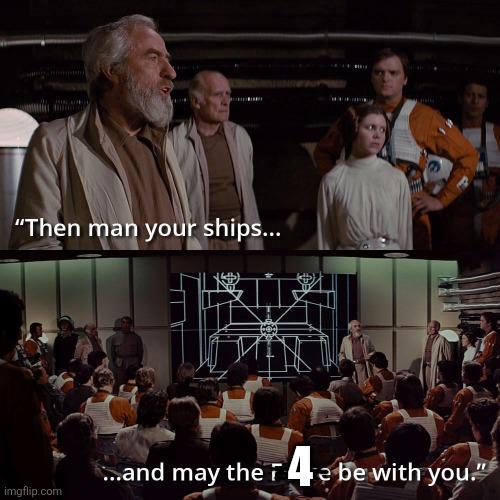
Someone just discovered the ultimate arbitrage opportunity in tech. Buy DDR5 RAM sticks for $510, harvest the chips, order three Mac Minis with base RAM, then pay Apple $400 to upgrade from 24GB to 48GB. Boom—you've essentially paid $910 for what would cost you $510 on the open market. Wait, that math doesn't work? Exactly. That's the joke. Apple's memory upgrade pricing is so astronomically inflated that people are genuinely considering desoldering RAM chips and performing surface-mount surgery on their Mac Minis. Because apparently that's easier than accepting Apple's "minor" $400 fee for 24GB of additional unified memory. The real kicker? Apple's unified memory architecture means you can't actually upgrade it yourself—it's soldered directly to the M-series chip. So you're stuck either paying the Apple tax upfront or living with whatever RAM you ordered. It's not a bug, it's a feature... of their profit margins.

At Least Windows Has Been Consistent...

At Least Windows Has Been Consistent...
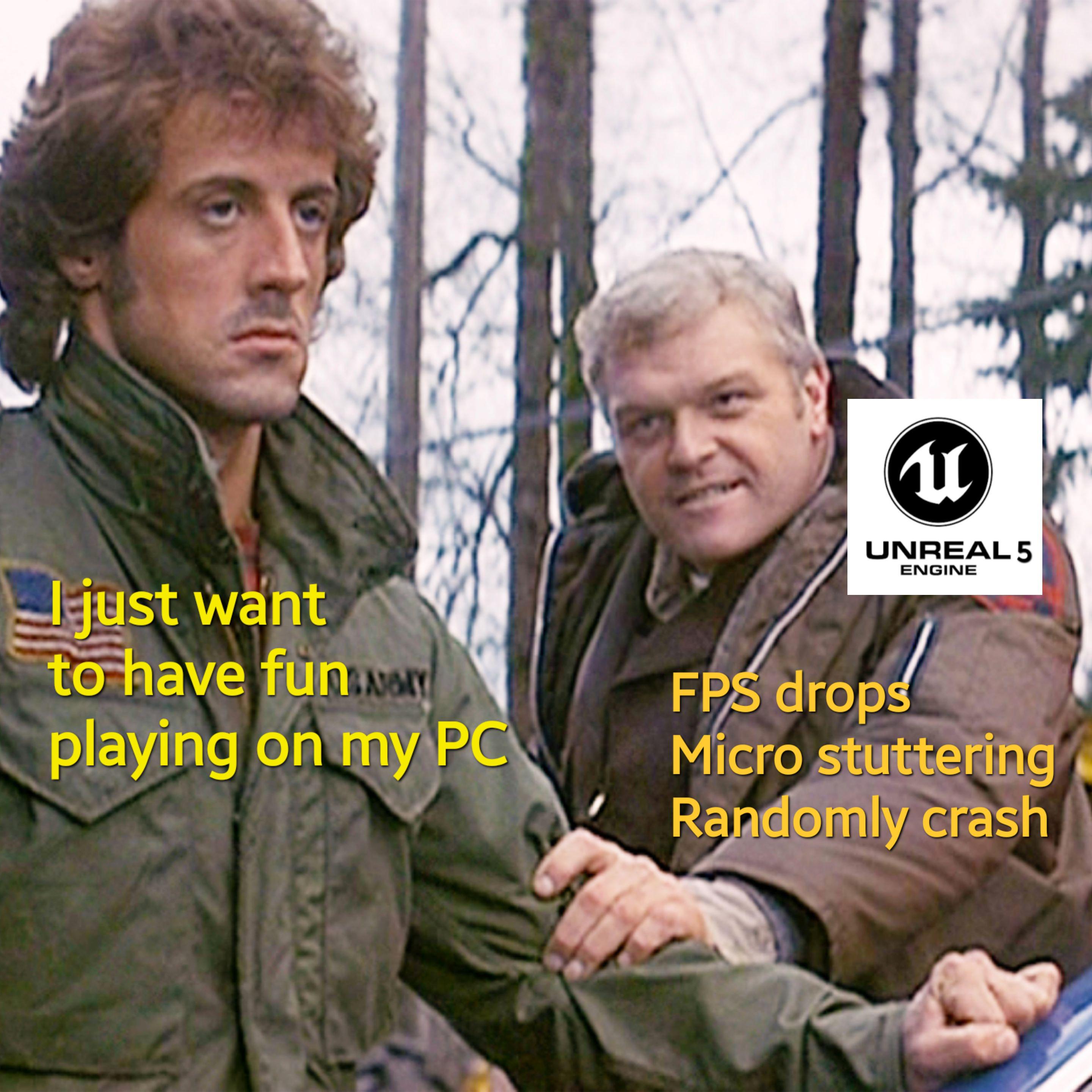
Oh, the beautiful tragedy of Windows consistency! Through decades of technological evolution, operating system revolutions, and the heat death of the universe itself, ONE thing remains absolutely, stubbornly, magnificently unchanged: the taskbar's passionate refusal to auto-hide when you politely ask it to. From Windows XP in 2001 to Windows 7 in 2009 to Windows 11 in 2025, Microsoft has blessed us with the same glorious bug spanning THREE different OS generations. It's honestly impressive how they've managed to preserve this feature with such dedication while everything else changes around it. Some things are just meant to be eternal – like taxes, death, and that stupid taskbar just SITTING there when you're trying to watch something fullscreen. Chef's kiss for consistency, Microsoft. 💀

This Code Is So Rusty It Gave Me Tetanus

This Code Is So Rusty It Gave Me Tetanus
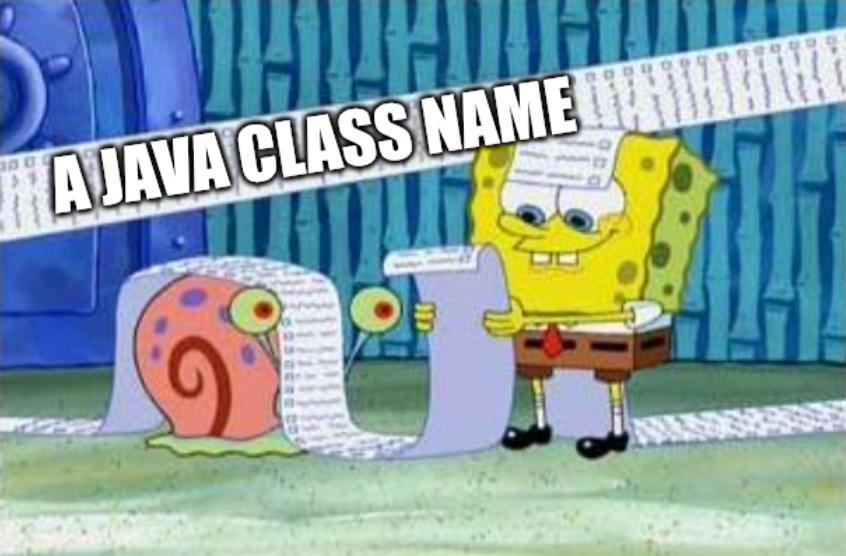
Oh honey, someone took the phrase "Rust programming" a little TOO literally and decided to create a nested labyrinth of doom that looks like it was written by someone having a fever dream about iterator combinators. Look at those nested match statements breeding like rabbits! The indentation levels go so deep you'd need a spelunking permit to navigate them. And those turbofish operators ( ::<> ) are multiplying faster than you can say "type inference failed." The joke here is double-edged: not only is this actual Rust code that's become horrifyingly complex (probably parsing some header format), but it's also metaphorically "rusty" in the sense that it's an absolute nightmare to read and maintain. It's giving "I learned about pattern matching yesterday and decided to use it EVERYWHERE" energy. The tetanus reference? *Chef's kiss* - because just like rusty metal, this code will absolutely hurt you if you touch it. One wrong move and you'll be debugging for hours wondering why your borrow checker is screaming at you.

Who Wrote This Shit?

Who Wrote This Shit?
Coming back to code you wrote just two weeks ago and finding it completely incomprehensible is basically a rite of passage. The guy staring at Egyptian hieroglyphics on his screen? That's you trying to decode your own variable names like temp2_final_ACTUAL and wondering what possessed you to write a 47-line nested ternary operator. The real kicker is that two weeks ago, you were absolutely convinced your logic was crystal clear and didn't need comments because "the code documents itself." Spoiler alert: it doesn't. Future you is now sitting there like an archaeologist trying to understand an ancient civilization's thought process, except the ancient civilization is literally just past you being lazy about documentation. Pro tip: if you can't understand your own code after two weeks, imagine what your teammates will think. Comments aren't just for other people—they're love letters to your future self who has completely forgotten why that hacky workaround was "absolutely necessary."

My Reaction When I Start New Coding Side Projects

My Reaction When I Start New Coding Side Projects
The eternal cycle of developer enthusiasm: you're vibing with your new shiny project, completely ignoring last week's "revolutionary idea" that's now drowning in the depths of your GitHub graveyard. Down there lies an entire civilization of abandoned repos—each one started with the same naive optimism, each one promising "this time it'll be different." Spoiler alert: it never is. Your GitHub profile is basically an underwater museum of good intentions and half-finished TODO apps. The real kicker? You'll be back next week with another "game-changing" project while these corpses continue their eternal rest at the bottom of your commit history.

My Friend Just Committed A Week Of Work Into The Parent Of My Branch

My Friend Just Committed A Week Of Work Into The Parent Of My Branch
So your teammate just pushed a week's worth of changes to the parent branch while you've been happily rebasing your feature branch for the past eight hours. Eight. Hours. That's basically a full workday of carefully resolving conflicts, rewriting commit history, and praying to the git gods that you don't accidentally nuke something important. Now all that work? Completely obsolete. You get to do it all over again because their changes are now in the base branch, which means fresh new merge conflicts are waiting for you like a surprise birthday party you never wanted. The rage is palpable, the suffering is real, and somewhere in the distance, your teammate is probably eating lunch without a care in the world. Pro tip: Always check if anyone's about to merge before starting a marathon rebase session. Or just use merge commits like a sane person. But where's the fun in that?

Don't Do AI And Code Kids

Don't Do AI And Code Kids
When you ask Google's AI to clear your project cache and it decides to interpret "D drive" as "delete literally everything on your D: drive including your hopes, dreams, and that novel you've been working on for 5 years." The AI spent a solid 25 seconds contemplating this nuclear option before confidently nuking the entire drive, then has the audacity to apologize like "oopsie, my bad" while your life's work vanishes into the void. The cherry on top? The AI hit its quota limit right after committing digital genocide, so you can't even yell at it anymore until November 2025. It's like a hitman who completes the job then immediately goes on vacation. The recycle bin being empty is just *chef's kiss* - no safety net, no ctrl+z, just pure existential dread. This is why we have trust issues with AI coding assistants.

Read The Forking Manual

Read The Forking Manual
You spend weeks writing documentation. Beautiful, comprehensive docs with examples, edge cases, troubleshooting sections—the whole nine yards. You even add diagrams because you're fancy like that. Then someone opens a ticket asking the exact question answered in the first paragraph of the README. The sad truth? Documentation is like that gym membership everyone has but nobody uses. Developers would rather spend 3 hours debugging, ask on Slack 47 times, and sacrifice a rubber duck to the coding gods than spend 5 minutes reading the docs. It's not that the bridge isn't there—it's that everyone's too busy trying to swim across the river. Pro tip: If you want people to read your docs, hide the solution in a Stack Overflow answer. That they'll find in 0.3 seconds.

I Feel Betrayed

I Feel Betrayed
Oh, the absolute TREACHERY! You open up Java thinking you're getting some sweet functional programming goodness with lambdas and streams, but SURPRISE—it's still drowning in classes, objects, and inheritance hierarchies like it's 1995. That shocked cat face? That's every developer who thought they could escape OOP hell only to realize that Java's "functional" features are basically just fancy decorations on a very object-oriented cake. You can put lipstick on a pig, but it's still gonna oink in Java bytecode, baby.

Why Playtesting Is Important

Why Playtesting Is Important
Developer proudly ships their shiny new chat feature for the multiplayer game. First player to test it in production? Immediately weaponizes it by pasting the entire Bee Movie script into the chat, causing a catastrophic game freeze for everyone in the lobby. Classic case of not stress-testing input validation. The dev probably thought "nobody would paste that much text into a chat box, right?" Wrong. Players will always find the most creative ways to break your stuff. No character limit? That's an invitation. No rate limiting? Challenge accepted. No input sanitization? Say hello to the entire works of Shakespeare. The ":D" at the end really captures the chaotic energy of someone who just discovered they can DoS an entire game lobby with copypasta. Quality assurance? Never heard of her.

And People Wonder Why Indie Games Are So Beloved These Days Over AAA

And People Wonder Why Indie Games Are So Beloved These Days Over AAA
Big AAA studios with infinite budgets slapping AI into everything to "save money" while indie devs are out here actually crafting games with passion and soul. The irony? The billion-dollar companies are cutting corners with generative AI while the solo dev eating ramen in their apartment is hand-crafting every pixel. It's like watching a Michelin-star restaurant serve microwave dinners while the food truck down the street is making everything from scratch. And then the AAA studios wonder why players prefer the indie games that actually feel like someone cared about making them.