Programmers Are No Longer Needed!

Programmers Are No Longer Needed!
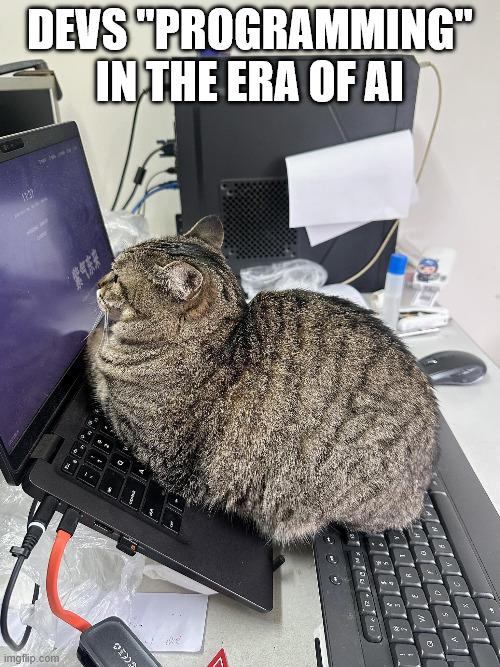
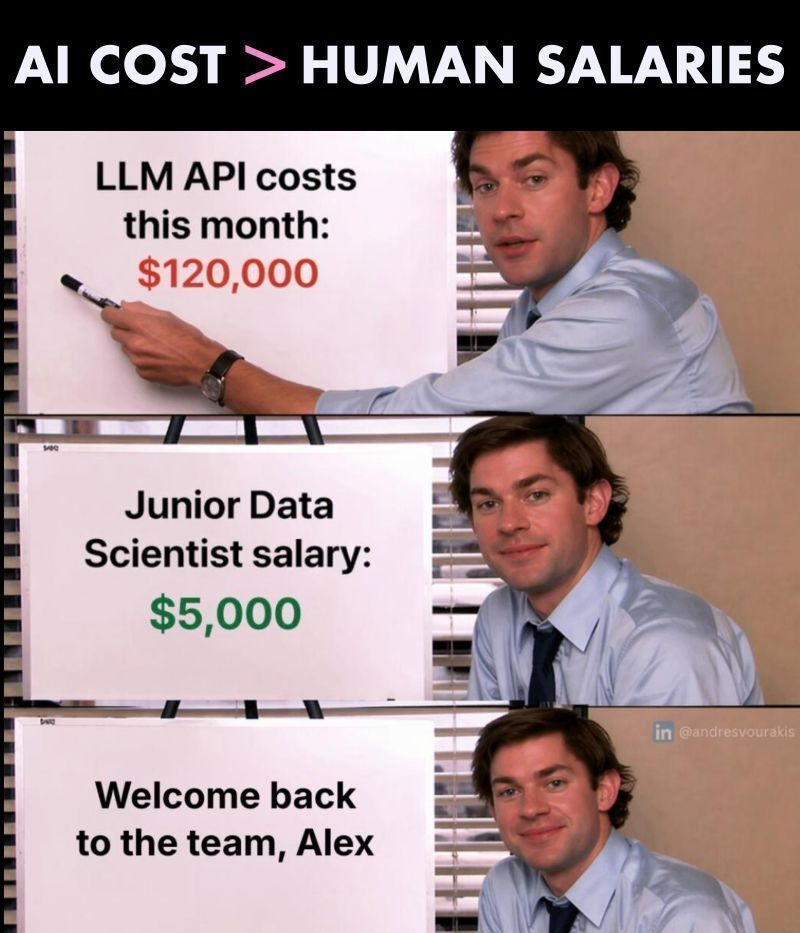
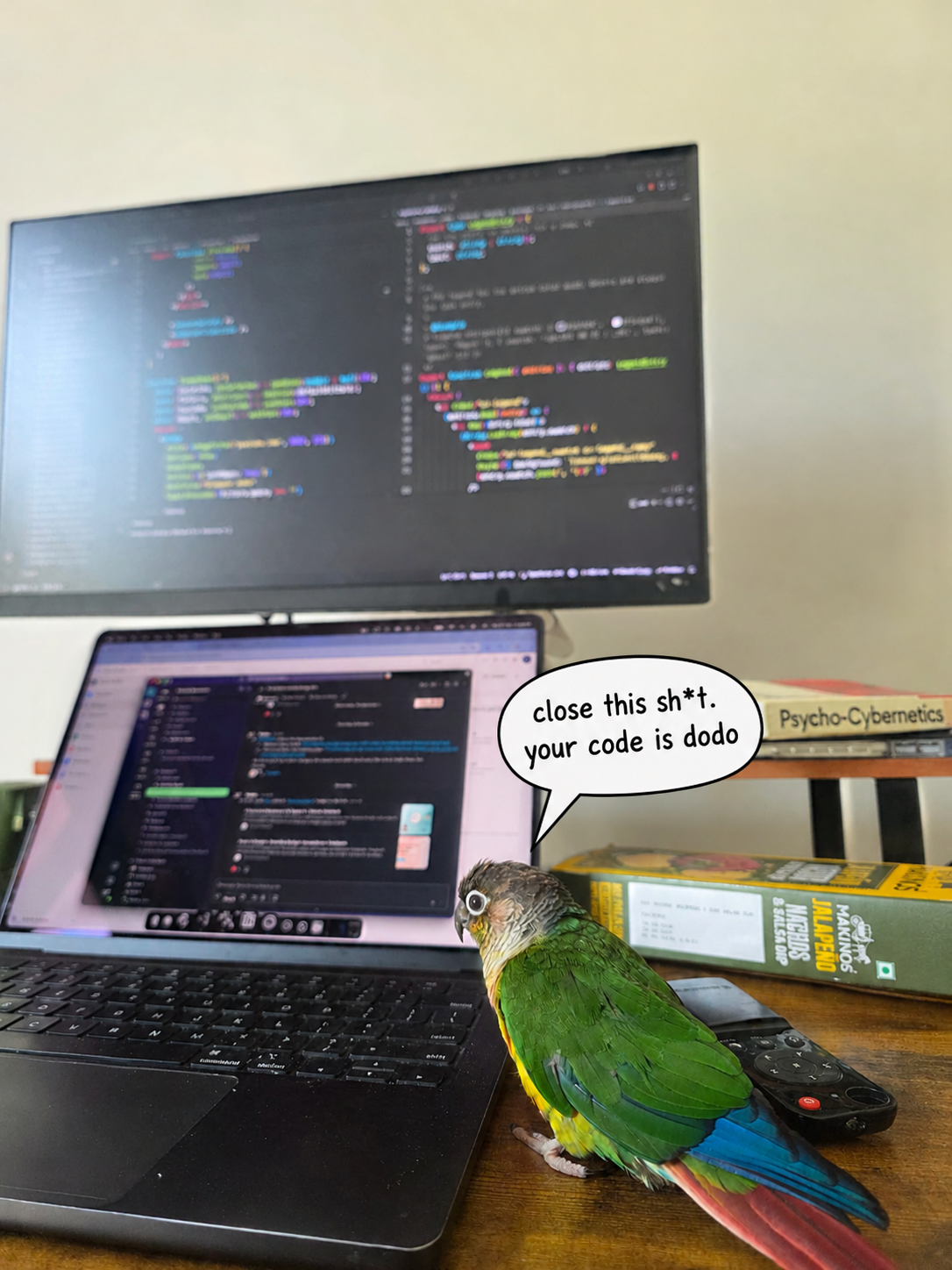
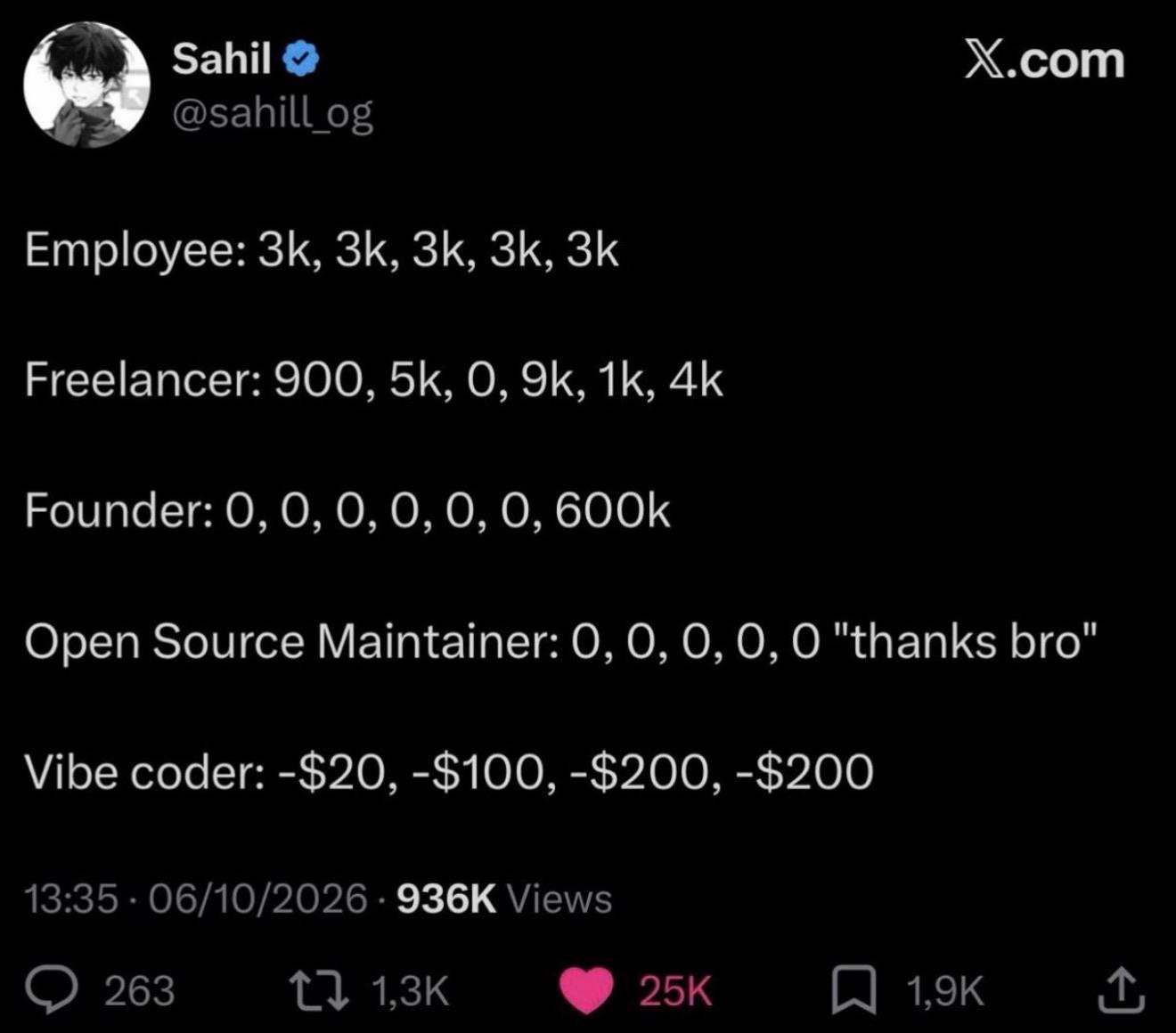
Every decade brings a new "revolutionary" way to make developers obsolete, yet here we are, still debugging at 3 AM. Visual Programming in the '90s promised drag-and-drop salvation, MDA in the 2000s swore models would auto-generate everything, No-Code platforms in the 2010s claimed anyone could build apps without writing a line. Now we've got "Vibe-Code" where you just describe what you want and AI does the heavy lifting. Spoiler alert: someone still needs to fix it when the AI hallucinates a database schema or generates a sorting algorithm that runs in O(n!). The pattern is clear—each generation thinks they've cracked the code to eliminate coding itself. Meanwhile, programmers keep getting paid to clean up the mess these "solutions" create. Job security through eternal optimism, baby.

Just Use Bacon Run

Just Use Bacon Run
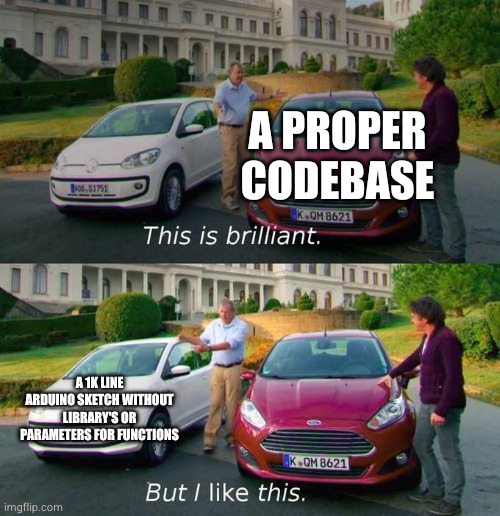
So cargo watch gets deprecated in Rust and the replacement is bacon . Cool, fine, whatever. But then someone tries to use it with Bun (the JavaScript runtime that's trying to replace Node) and their gherkin—sorry, I mean gerkin , the Cucumber testing framework—starts throwing a fit. The beautiful chaos here is watching someone try to mix Rust tooling with JavaScript tooling while running Chai tests in a runtime that's basically speedrunning the "move fast and break things" philosophy. It's like ordering a bacon cheeseburger but the restaurant gives you a fish sandwich and your pickle is filing a complaint. Welcome to 2024, where we have so many tools that even their names sound like breakfast items and nobody knows what works with what anymore. Just wait until someone tries to run this with Deno and a side of Toast.

Its A Refreshing Change Of Other Companys

Its A Refreshing Change Of Other Companys
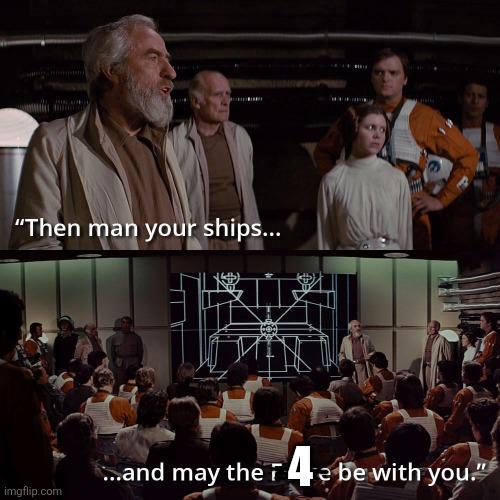
You know you're living in a dystopian tech world when praising literally everyone on the team gets you a standing ovation. Gaben and Valve have somehow cracked the code: treat your employees like humans, let them work on what they want, ship games when they're ready (Half-Life 3 notwithstanding), and don't crunch people into the ground. Meanwhile, the rest of the industry is out here with mandatory 80-hour weeks, layoffs after record profits, and CEOs taking home bonuses that could fund an indie studio for a decade. The bar is literally on the floor, and Valve just casually stepped over it while everyone else is doing limbo underneath. Support staff getting recognition? Revolutionary. Not treating devs like disposable code monkeys? Groundbreaking. It's wild that basic human decency in game dev is now considered a flex.

This Sub In A Nutshell

This Sub In A Nutshell
So you're telling me the people upvoting memes about merge conflicts, production bugs, and regex nightmares have never actually... coded? The self-awareness here is chef's kiss. It's like joining a cooking subreddit when your only culinary achievement is microwaving instant ramen. But hey, at least they're honest about it—most people won't admit their entire programming career peaked at copy-pasting "Hello World" from a tutorial and watching it compile once before never touching an IDE again. The greentext format really drives home that 4chan energy of brutal honesty mixed with collective self-deprecation.

When Fixing One Bug Creates Six More

When Fixing One Bug Creates Six More
You know that special moment when you're feeling productive and decide to fix that one pesky error? Yeah, congrats on your new collection of 6 errors and 12 warnings. It's like debugging whack-a-mole, except the moles multiply exponentially and mock you with compiler messages. The confidence in that middle panel is what gets me. "I fixed it!" Sure you did, buddy. The codebase just decided to throw a tantrum and spawn an entire error family tree. Sometimes the best debugging strategy is ctrl+z and pretending you never touched anything.

Feels Good

Feels Good
You know that rush of pure dopamine when someone finally grants you admin privileges and you can actually fix things instead of just filing tickets into the void? That's the vibe here. Being an administrator is cool and all—you get to feel important, maybe sudo your way through life. But the REAL high? Having authorization to actually push changes to production. No more begging the DevOps team, no more waiting for approval chains longer than a blockchain, no more "have you tried turning it off and on again" when you KNOW what needs to be done. It's the difference between being able to see the problem and being able to nuke it from orbit. SpongeBob gets it—that ecstatic, unhinged joy of finally having the keys to the kingdom. Now excuse me while I deploy on a Friday.

The Difference To Linux Is Insane

The Difference To Linux Is Insane
Windows file deletion is basically a consent negotiation with three parties: you (the admin who literally owns the machine), the folder (which apparently has veto power), and Windows itself (the helicopter parent). Meanwhile on Linux, rm -rf doesn't ask questions—it just executes your will with cold, mechanical efficiency. No pop-ups, no "are you sure?", no file holding itself hostage. The Windows logo standing there with arms crossed saying "I DON'T" is peak operating system energy. It's your computer until you try to delete something, then suddenly it's a democracy and you don't even get a vote.

Constantly

Constantly
The emotional pendulum of a developer's self-worth oscillates faster than a metronome on cocaine. One moment you're architecting a beautiful solution with perfect abstractions, feeling like you've just invented the next React. Five minutes later, you're staring at a semicolon you forgot for 45 minutes, questioning every life choice that led you to this career. The metronome perfectly captures this bipolar relationship we have with our own competence. It's not a daily thing—it's a *per-function* thing. Write an elegant one-liner? God mode. Spend 3 hours debugging only to realize you were modifying a copy instead of a reference? Existential crisis. The frequency of this swing is what makes it so relatable—it's not occasional imposter syndrome, it's a constant back-and-forth that happens multiple times per coding session.

This Wasn't Our Year

This Wasn't Our Year
When Mom asks if you're bringing a girl home for Christmas and you're staring at ISBN barcode validation logic that looks like it was written by someone who gave up on life halfway through. The function checks if a code starts with "978" and throws an exception for "UPCs that might b..." – yeah, that error message got cut off just like your dating prospects. The real tragedy here? Someone is manually calculating ISBN-13 checksums with a for loop and modulo operations instead of using a library. That's the programming equivalent of being asked about your love life while you're debugging legacy code at 2 AM. Both situations scream "this wasn't our year" with equal intensity. Fun fact: ISBN-13 barcodes starting with 978 are book identifiers, which means this developer is probably more familiar with O'Reilly books than actual human interaction. Relatable content right there.

Not A Big Deal, Just A Company That Runs Half The Internet

Not A Big Deal, Just A Company That Runs Half The Internet
Nothing says "enterprise reliability" quite like AWS failing to collect 82 cents and sending you a formal email about it. The irony here is chef's kiss—a company that hosts Netflix, NASA, and probably your startup's MVP can't process a payment under a dollar. Meanwhile, their URLs are still using template variables like ${AWSConsoleURL} in production emails, which is either a hilarious oversight or they're charging you extra to render those variables. The "Thank you for your continued interest in AWS" at the end really seals the deal. Yeah, not like I have a choice when you're literally running my entire infrastructure. It's giving "we know you can't leave us" energy. That 82 cents probably cost them more in engineering time to send this email than the actual charge was worth.

You Are Absolutely Right

You Are Absolutely Right
Picture a developer who just watched an AI confidently suggest rm -rf / as a "cleanup solution" but with the C drive on Windows. The kind of coder who says "you know what, maybe AI should handle all our infrastructure" while simultaneously watching it commit digital genocide on an entire operating system. The face says it all: equal parts horror, fascination, and the dawning realization that maybe we should've added some guardrails before giving AI sudo access to existence. Some sins require more than an apology—they require a time machine and a better backup strategy.

Kitchenware Optimization

Kitchenware Optimization
Ah yes, the eternal truth of software engineering. While normal people debate philosophy, programmers look at the same glass and immediately think "why are we using a 500ml container when we only need 250ml? This is wasting memory." You've allocated a buffer that's double the size you actually need, and now you're paying for it in both RAM and existential dread. Could've used a smaller glass, could've used a dynamic array that grows as needed, but no—someone on Stack Overflow said "just make it bigger to be safe" and here we are. The real kicker? That glass will never get resized. It'll sit there in production for 5 years, half-full, mocking every performance review where you promise to "optimize resource usage."