Why Hard Exit Editor? Nano Say At Bottom.

Why Hard Exit Editor? Nano Say At Bottom.
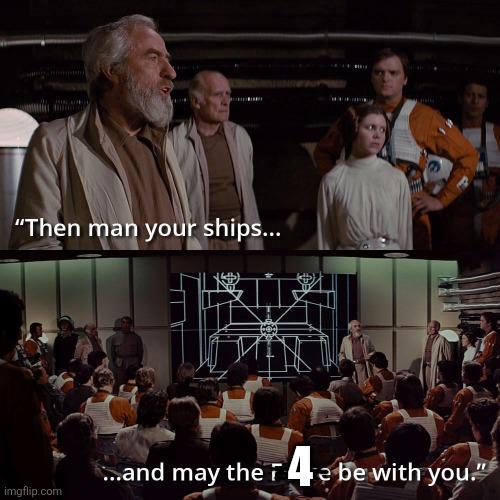
The eternal text editor holy war, but this time it's about brain size. Vim and Emacs users are out here memorizing arcane keyboard shortcuts like they're casting spells from a grimoire, while nano users just... read the instructions at the bottom of the screen. Ctrl+X to exit. It's right there. No need to Google "how to exit vim" for the 47th time or learn Lisp to configure your editor. The joke cuts deep because it's true. We've somehow convinced ourselves that memorizing `:wq` or `C-x C-c` makes us superior beings, when really nano just has better UX. But hey, at least we can feel intellectually superior while being trapped in insert mode.

Prebuilt Users Can Relate To This

Prebuilt Users Can Relate To This
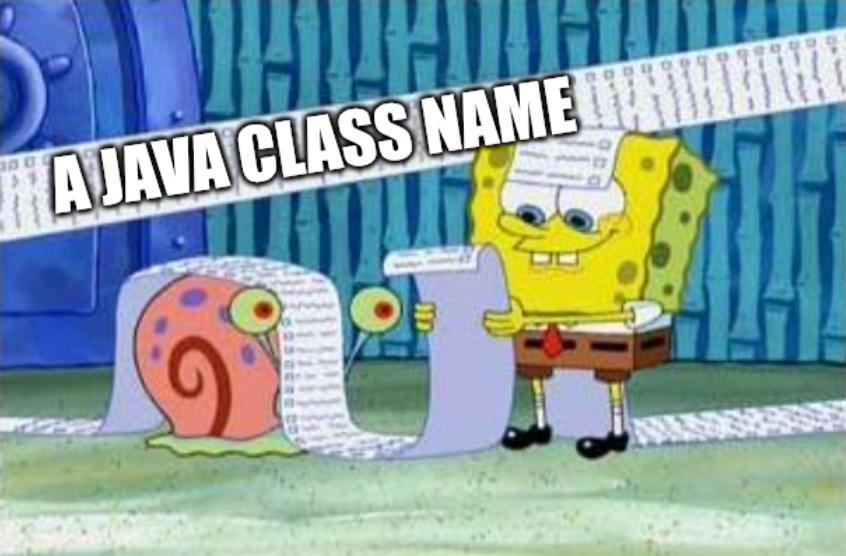
When you download a prebuilt PC with McAfee bloatware pre-installed and discover it comes with a "generous" 30-day trial. SpongeBob's progression from cautiously reading the fine print to full-blown panic mode captures the exact moment you realize this thing is about to nag you every 12 seconds once the trial expires. McAfee has become legendary for being that one piece of software that's harder to uninstall than it is to accidentally install three different toolbars in 2010. It clings to your system like a barnacle, spawning processes faster than you can kill them in Task Manager. The real kicker? Most security researchers agree you probably don't even need it since Windows Defender exists. But hey, at least it keeps your CPU warm during winter by running constant background scans of files you haven't touched since 2015.

Vibe Coder Mortal Enemy

Vibe Coder Mortal Enemy
So you're vibing, coding to your favorite lo-fi beats, feeling like the main character in your own developer montage, when suddenly someone whispers the three letters that make your soul leave your body: bug . Just one word. That's all it takes to shatter your entire existence and send you spiraling into a debugging hellscape where nothing makes sense and Stack Overflow has abandoned you. The "vibe coder" energy vanishes faster than your motivation on a Monday morning, replaced by pure existential dread and the realization that you'll be staring at logs until 3 AM. The prophecy has been fulfilled, the vibes have been annihilated, and your code is now your sworn enemy.

All Windows Vs Linux Debates Are Started By Linux Users

All Windows Vs Linux Debates Are Started By Linux Users
The eternal one-sided rivalry perfectly captured. Linux users can't help themselves—they see someone using Windows and immediately feel this overwhelming urge to enlighten them about the superiority of open-source software, package managers, and kernel customization. They're out here writing manifestos about why you should switch to Arch (btw). Meanwhile, Windows users are just... existing. They're clicking their Start menu, running their .exe files, and genuinely not thinking about Linux users at all. They're not losing sleep over distro choices or debating systemd vs init. They just want to open Excel and get back to work. It's like the tech equivalent of someone doing CrossFit—the Linux user simply cannot resist telling you about it. Windows users are living rent-free in their heads while Windows users don't even know Linux users are in the building.

Token Anxiety

Token Anxiety
POV: You're casually using ChatGPT or Claude to debug your spaghetti code when suddenly the AI stops mid-sentence because you've burned through your token limit. The sheer HORROR on everyone's face as they realize the API bill is about to look like a small country's GDP. Nothing says "professional development environment" quite like your LLM telling you it's tapped out while you're desperately trying to fix that one bug at 3 AM. The panic is REAL when your AI coding assistant ghosts you harder than your ex.

No Code No Issue

No Code No Issue
The ultimate debugging strategy: can't have bugs if there's nothing to debug. This thread follows impeccable logic—someone claims they found no issues in the code, which gets one-upped by someone who found no code at all, leading to the only rational conclusion: therefore, no issues. It's basically the software development equivalent of "I can't fail the test if I don't take it." The NoCode movement just found its philosophical manifesto, and honestly, it's bulletproof reasoning. Zero lines of code = zero bugs = infinite code quality. Ship it!

At Least It Didn't Have AI

At Least It Didn't Have AI
Windows 8 looking back at Windows 11 users like "Maybe the Start Screen wasn't your biggest problem after all." Sure, Windows 8 had a touch-optimized interface nobody asked for on their desktop, but at least it didn't try to be your personal AI assistant while eating 4GB of RAM for breakfast. Now you've got Copilot shoved into every corner of the OS, AI-powered search that still can't find your files, and enough "intelligent" features to make you nostalgic for the days when your OS just... did what you told it to. Windows 8 may have been the awkward middle child of the Windows family, but compared to having AI slop injected into every system function, those Metro tiles are starting to look pretty reasonable.

Can We Have One Day Of Peace

Can We Have One Day Of Peace
You just want a quiet weekend where you don't think about code, maybe touch some grass, remember what sunlight feels like. But NOPE! The vibe coders are out here having their little Renaissance, building entire frameworks before breakfast because they "got tired of" literally everything. Can't even scroll Twitter without seeing someone announce they rebuilt React with 47 lines of code written in a new language they invented that morning. Meanwhile you're just trying to exist without your brain automatically refactoring the grocery store layout. The audacity of these people to be productive while you're seeking inner peace is truly unmatched.

Programming Tutorials Then And Now

Programming Tutorials Then And Now
The golden age of programming tutorials had people casually dropping "let's build a game engine from scratch" like it was a weekend project. Now? We're celebrating the monumental achievement of... configuring VS Code with the right color theme and extensions. The devolution is real. Back then, tutorials assumed you had a PhD in computer science and three lifetimes of free time. "Part 1 of 47: Implementing our custom memory allocator" was considered beginner-friendly. Today's tutorials are like "Step 1: Install Node. Step 2: Cry because of dependency conflicts. Step 3: There is no Step 3, you're still on Step 2." The shift reflects how the barrier to entry has lowered (good!) but also how we've become more focused on tooling than fundamentals (questionable!). Though to be fair, getting your IDE setup properly in 2024 with all the linters, formatters, and extensions IS basically rocket science.

Bash Or Bombard

Bash Or Bombard
When you're a government entity trying to decide between two equally terrible options: either hack into AWS to steal data, or just physically bomb their data centers. The joke here is the absurd false dichotomy – like these are the only two viable strategies in a government's playbook. But wait, there's a third option that nobody asked for: just send them a politely worded subpoena! Governments be sweating over this choice like they're picking between rm -rf / and sudo rm -rf /* . Spoiler alert: they probably already have a backdoor API key anyway.

Deliver Fast

Deliver Fast
The eternal struggle between engineering excellence and business metrics, perfectly captured. While management panics about the AI revolution churning out mountains of hastily-generated code that "works" (barely), developers are sitting here like the Joker realizing nobody actually cares about clean architecture, SOLID principles, or that beautiful refactor you've been planning. Nope—just ship it, hit those OKRs, and make the quarterly earnings call look pretty. The irony? All that AI-generated spaghetti code is going to need human developers to debug it in six months, but by then it'll be next quarter's problem. Technical debt? Never heard of her.

Postman Strikes Again

Postman Strikes Again
You spend hours crafting the perfect OAuth flow with refresh tokens, PKCE, and all the security bells and whistles. Then you proudly share your Postman collection with the team, feeling like a benevolent API god. But wait—half the team is stuck behind corporate firewalls that require VPN access, and your fancy collection just became a glorified paperweight for anyone without the right permissions. The real kicker? You synced environments thinking you're being a team player, but now everyone's using different staging servers and nobody can figure out why their requests are hitting prod. Classic Postman moment: the tool that promises collaboration but delivers chaos when you forget about the infrastructure reality check. Pro tip: Always document which VPN, which environment, and which sacrificial offering to the DevOps gods is required before sharing. Your future self will thank you.