

There I Said It

There I Said It
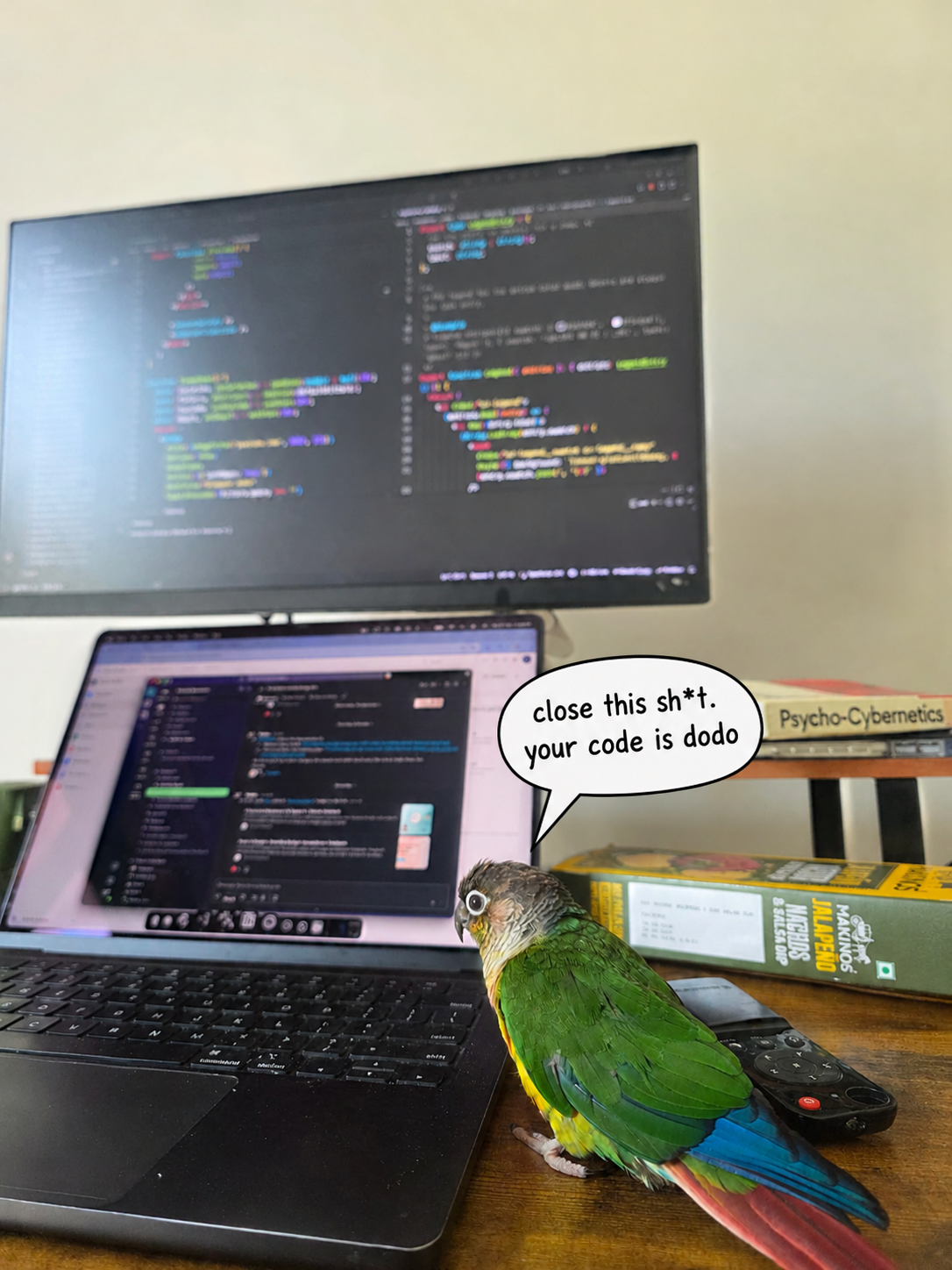
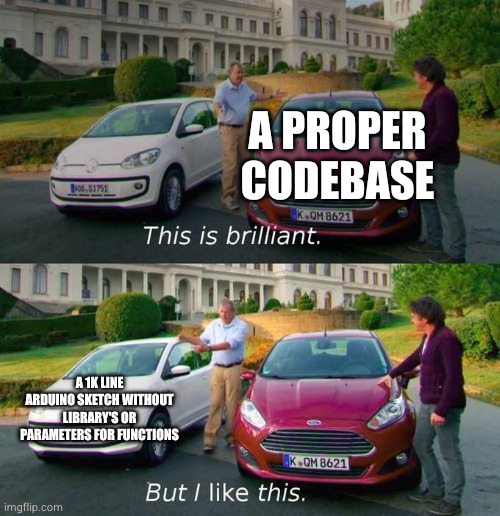
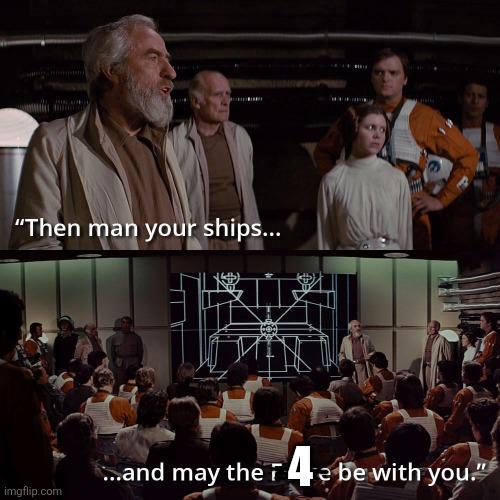
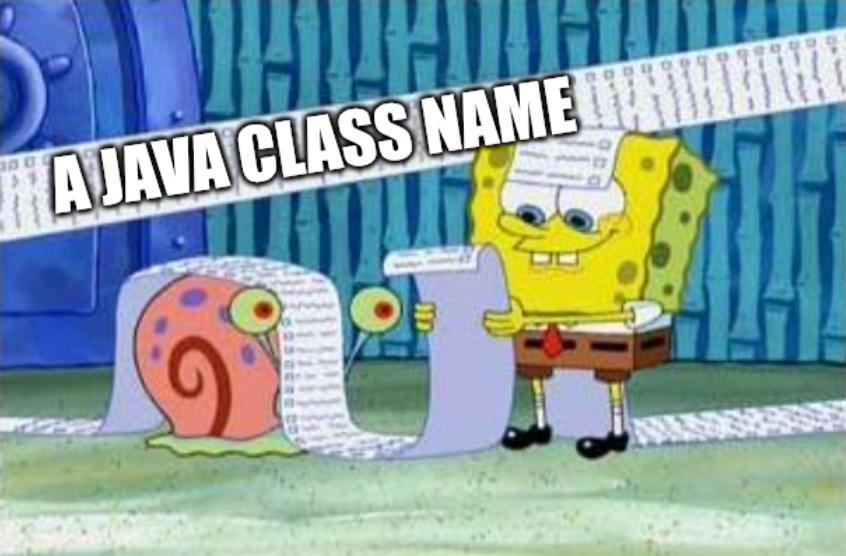
Someone just walked into the auditorium of hardware engineers and dropped the most SCANDALOUS truth bomb of the century! Firmware devs have been living this double life, pretending they're somehow different from the rest of us code-slinging peasants, but NEWSFLASH: you're still writing if statements and for loops like everyone else! Sure, you're closer to the metal and can brick a device with one wrong bit flip, but at the end of the day, it's still code that needs debugging at 3 AM. The hardware folks act like firmware is this mystical bridge between worlds, but really it's just software with commitment issues that got permanently tattooed onto a chip. The AUDACITY to speak this forbidden truth out loud!

Good Luck Junior

Good Luck Junior
Nothing says "team player" quite like yeeting a CSS adjustment into prod at 4:47 PM on a Friday and then ghosting your Slack for 48 hours. The senior dev gets to clock out with that warm fuzzy feeling of a job well done, while the junior dev gets to spend their Saturday fielding angry messages about how the entire homepage is now displaying in Comic Sans at 72pt font. The "layout tweak" is always suspiciously vague too. Could be a button color change. Could be a complete restructuring of the grid system that breaks on every browser except the one the senior tested it on. The junior will never know until 2 AM when the PagerDuty alerts start rolling in. Welcome to software development, where Fridays are for deploying chaos and weekends are for character building.

Saw This Gem Scrolling Through My Feed

Saw This Gem Scrolling Through My Feed
Customer calls tech support because their computer is literally on fire. Smoke, flames, the whole nine yards. Instead of calling 911 themselves, they dial up their ISP to ask if the servers are on fire. Because clearly when your house is burning down, the priority is whether your dial-up connection is experiencing server-side issues. The tech support guy had to write a note saying "Not a joke" because he knew nobody would believe this level of user logic without proof. And honestly? Fair. The 1990s were a different time—people were still figuring out that computers weren't magic boxes, but apparently nobody told them that ISPs don't host your hardware in your living room. The real kicker is the deadpan delivery. "No kidding." Yeah, we believe you. We've all been in tech support. We've seen things.

The MVP Versus The Stable Release

The MVP Versus The Stable Release
Picture your MVP launch: duct tape, prayers, and approximately seventeen critical bugs held together by sheer willpower and a single overworked engineer's tears. It's basically a rocket engine made of spaghetti code and desperation—somehow it flies, but nobody knows how or why. Then comes the stable release: sleek, polished, over-engineered to the point of absurdity. Every edge case handled, every dependency updated, documentation that actually exists (gasp!). It's the same product but now with 847 more unit tests and enough infrastructure to launch an actual space mission. The real tragedy? Both will still have that one mysterious bug in production that only happens on Tuesdays.

MAIWO M.2 NVMe SSD Enclosure, USB 3.1 GEN2 10Gbps Tool Free USB C to M.2 NVMe SSD Adapter Reader Case, Support UASP Trim, 8TB Capacity, Aluminum

MAIWO M.2 NVMe SSD Enclosure, USB 3.1 GEN2 10Gbps Tool Free USB C to M.2 NVMe SSD Adapter Reader Case, Support UASP Trim, 8TB Capacity, Aluminum
【Compatibility】This M.2 SSD enclosure only support M.2 NVMe M-Key SSD, compatible with size 2230/2242/2260/2280mm solid state drivers. 【Don't support M.2 SATA and any SSDs with heatsink.】 · 【10Gbps T…

He Might Be Onto Something

He Might Be Onto Something
The scientific method meets caffeine addiction in the most relatable programmer status update ever. Our hero Goge has achieved the perfect chemical cocktail: two coffees for focus, two energy drinks for that jittery productivity boost, and 0.5L of beer to take the edge off. The result? Schrödinger's programmer—simultaneously convinced they're writing revolutionary code and questioning every line they've ever written. The brilliance here is the "further information analysis" conclusion. Like any good experiment, you need more data points. Maybe three Monsters and a full liter of beer will unlock true enlightenment? The Ballmer Peak is real, folks, but apparently it requires an entire convenience store's worth of beverages to find it. Someone get this man a research grant.

Vibe Coding AI Psychosis

Vibe Coding AI Psychosis
When you let AI write your entire website and confidently brag about it, only for someone to immediately discover it's serving up a 403 Forbidden error. The "Blowing-Smoke-Up-Ass-Machine" delivered exactly what was promised: smoke. Nothing says "super smart engineer" quite like directing people to a website that doesn't work while simultaneously admitting it's not done yet. The AI completed the task in 3 hours, which is technically true—it just forgot the part where the website needs to, you know, actually load. Peak vibe coding energy: maximum confidence, zero testing, 100% faith in the machine. The psychosis part is thinking Charter West Bank would appreciate the free publicity.

You Just Prompt Wrong Make Better Prompt

You Just Prompt Wrong Make Better Prompt
So you wanted Claude to be this powerful, fire-breathing dragon that crushes your coding problems with raw intelligence. Instead, you got a circus clown juggling your edge cases like they're balloon animals. The problem? According to every AI enthusiast on LinkedIn, it's YOUR fault for not crafting the perfect prompt. Just add more context! Be more specific! Use chain-of-thought reasoning! Throw in some XML tags! Before you know it, you're writing a 500-word essay just to ask Claude to write a function that adds two numbers. Meanwhile, Claude's over here treating your meticulously documented requirements like a suggestion box, confidently hallucinating solutions that would make Stack Overflow moderators cry. But hey, it's not the AI's fault—you just need to become a prompt engineering wizard first.

It Has Two Buttons Btw

It Has Two Buttons Btw
The eternal quest for minimalism has led webdevs to the promised land: a mouse so smooth and buttonless that it might as well be a bar of soap. Because why would users need something as archaic as visible, tactile buttons when they can just... guess? Click anywhere and hope for the best. It's like designing a website where every element is a mystery meat navigation—except now it's your actual hardware. The "MaCaLLY" branding really seals the deal here. Nothing screams "premium user experience" like a peripheral that requires a PhD to operate. Sure, it has two buttons—they're just hiding somewhere in the quantum realm between the top and bottom surfaces. Revolutionary? Absolutely. Usable? That's a different sprint story. Fun fact: Apple's Magic Mouse actually does this too, with its touch-sensitive surface replacing physical buttons. Turns out when you prioritize aesthetics over ergonomics, you get a device that looks great in photos but makes your hand cramp after 10 minutes. But hey, at least it's elegant .

Wrong Claude

Wrong Claude
When you're desperately trying to summon Claude AI to build your billion-dollar startup at 5:50 AM, but you accidentally text your buddy Claude who plays pickleball instead. The sheer audacity of asking an AI to "make no mistake" while building a B2B SaaS platform is already comedy gold, but getting a reality check from someone who just wants to enjoy their retirement sport? Chef's kiss. The "for the thousandth time" suggests this poor guy has been getting these delusional startup requests repeatedly. Imagine being named Claude in 2024 – you're basically living in a constant state of mistaken identity with an AI that's actually useful.

GUNNAR Optiks Mammoth Computer Glasses, Gaming, Onyx, Blue Light Blocking, 61mm Lens Width, X-tra Wide, Rectangular, Precision Engineered Polymer, Amber Lens

GUNNAR Optiks Mammoth Computer Glasses, Gaming, Onyx, Blue Light Blocking, 61mm Lens Width, X-tra Wide, Rectangular, Precision Engineered Polymer, Amber Lens
PREMIUM DESIGN: Rectangular frames made from precision engineered polymer, offering a classic look suitable for both professional environments and gaming sessions. · EXTRA-WIDE FIT: Specially designe…

It Works

It Works
You start with a beautiful, well-structured bird drawing—clean lines, proper proportions, following all the best practices. Then requirements change. Product wants a new feature. You add a patch here, a workaround there. Before you know it, your codebase is a chaotic tornado of duct tape and prayers, barely resembling the original design. But here's the kicker: it still flies. Tests pass (mostly). Users are happy (enough). So you ship it, close the ticket, and pretend you meant to architect it that way all along. "Don't touch it, it's load-bearing spaghetti" becomes your new team motto. If it works, it works—even if looking at the code makes your eyes bleed.

Accepting Cookies

Accepting Cookies
Cookie consent banners: the digital equivalent of a parkour course designed by sadists. "Accept all" is the easy path—just click and move on with your life. But try to actually manage your privacy? Suddenly you're performing Olympic-level gymnastics through "Customize Settings," dangling from "Toggle" switches, balancing on "Disable" buttons, and somehow ending up in a flaming car crash labeled "Save preferences." Then there's uBlock Origin—the zen master who just walks the empty path, unbothered by the chaos. No banners, no choices, no existential crisis about whether you really need "strictly necessary" cookies. Just pure, uninterrupted browsing bliss while the rest of us are still trying to figure out which toggle actually does something. The real joke? Websites spent millions implementing GDPR compliance just to make the user experience so painful that everyone clicks "Accept all" anyway. Mission accomplished, I guess?

Ambitious

Ambitious
When someone asks what you'd do with 32GB of RAM and your answer is "run two Chrome tabs simultaneously," you know the struggle is real. Chrome's notorious memory consumption has become the stuff of legends—each tab spawning processes like rabbits, hoarding RAM like a dragon guards gold. The joke here is that 32GB is actually a pretty beefy amount of memory that could handle virtual machines, Docker containers, multiple IDEs, and complex builds... but Chrome? Chrome would still find a way to consume it all with just a handful of tabs open. The absurdist humor comes from treating an incredibly modest task (two whole tabs!) as if it's some wild, ambitious dream that requires enterprise-grade hardware. It's the developer's version of "if I won the lottery, I'd buy two candy bars."