

Waste Of Precious Space

Waste Of Precious Space
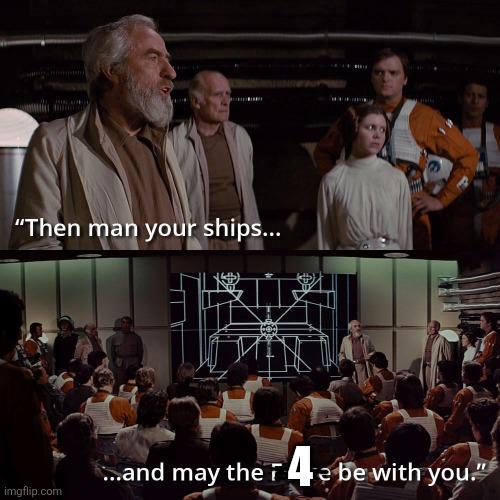
A boolean only needs 1 bit to store true or false, but most languages allocate a full byte (8 bits) for it. So you've got 7 bits just lounging around doing absolutely nothing, taking up space like that coworker who shows up to meetings but never contributes. Meanwhile, memory-conscious programmers are out here optimizing their algorithms and compressing data like their lives depend on it, while these freeloading bits are living rent-free in RAM. The inefficiency is mildly infuriating when you think about it—multiply those wasted bits across millions of booleans and you've got yourself a storage scandal. But hey, at least memory alignment and CPU architecture appreciate the padding.

Just A Bit

Just A Bit
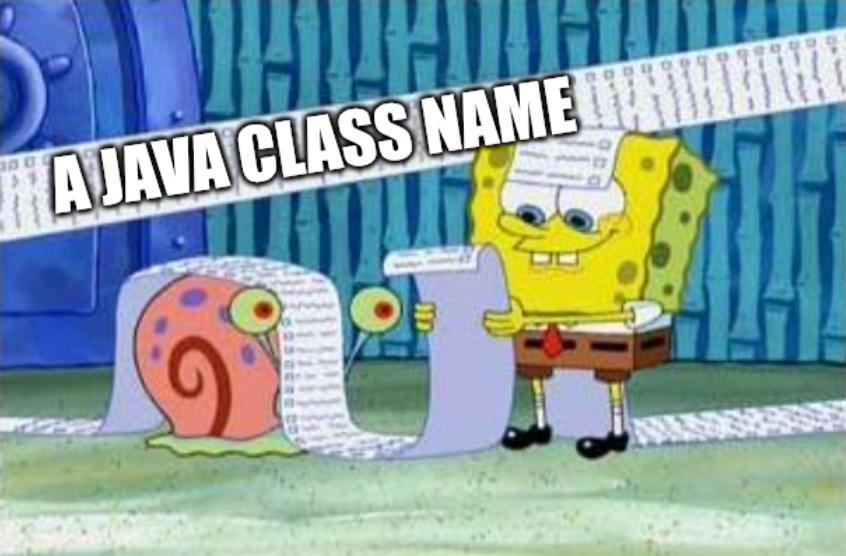
You innocently ask std::vector<bool> to store another boolean value. Simple request, right? Just one more bit of data. But instead of being a normal, well-behaved container like every other vector type, it decides to go full chaos mode and implement a space-optimized bit-packing scheme that breaks half the STL conventions. Fun fact: std::vector<bool> doesn't actually store individual bools—it packs them into bits to save memory. Sounds great until you realize it returns proxy objects instead of references, making it not a proper STL container. It's basically the C++ committee's greatest regret, right up there with auto_ptr . That eel's expression? That's your code when you try to take the address of an element and everything implodes. Should've used std::deque<bool> or std::vector<char> instead.

Saas Pocalypse Is Here

Saas Pocalypse Is Here
The harsh truth about "free tier" SaaS products: they're not free, you're just paying with your time instead of money. That vibecoded productivity app with the cute UI? Sure, it costs $0/month, but you'll spend 3 hours setting it up, another 2 migrating your data, and then realize it's missing that one critical feature locked behind the $29/month "Pro" plan. The SaaS apocalypse is real—we've gone from owning software to renting everything, and now every startup thinks they can charge you monthly for what used to be a one-time purchase. The free tier is just bait to get you hooked before they inevitably increase prices or sunset the product entirely. Your time spent learning their platform, integrating their API, and building workflows around it? That's the real subscription cost they don't advertise. Remember when software just... worked? Without needing an internet connection, a credit card on file, and agreeing to 47 pages of terms and conditions? Yeah, those were the days.

I Think I Should Stay

I Think I Should Stay
McAfee WebAdvisor pulling out the world's most desperate retention strategy: "Wait! If you uninstall, we'll miss you. And you'll miss all the good we do, like... we scanned 1 page." One page. That's it. That's the pitch. Nothing screams "essential software" quite like bragging about doing the absolute bare minimum. It's like a gym membership reminding you that you walked past the treadmill once. The sheer audacity of listing ONE measly accomplishment as a reason to stay is comedy gold. Pretty sure my browser's built-in protection scans more pages while I'm typing this. This is peak bloatware desperation—when your uninstall screen becomes a guilt trip with statistics that make you want to uninstall even harder.

Friend Sent Me This Just Test In Prod

Friend Sent Me This Just Test In Prod
Nothing screams "I value my career" quite like the advice to skip code reviews, work on random branches, merge straight to production when you're confident in your job security, and then—here's the kicker—test it live. Because who needs staging environments when you have real users as beta testers, right? The "it's not really public" justification is chef's kiss. Sure, only a few thousand paying customers will notice when the database gets wiped. The nervous follow-up messages trying to play it cool with "just nod along and blend in" energy is the cherry on top of this disaster sundae. Pro tip: If your development strategy requires hoping people don't notice the laugh emoji, you might want to reconsider your life choices. Or at least update your LinkedIn—you'll need it soon.

How To Slack Off In 2026

How To Slack Off In 2026
The ultimate get-out-of-work-free card has evolved. Forget "my code is compiling" – in the AI era, we've got a shiny new excuse: "my context is compacting." While your manager sees you just sitting there, you're technically waiting for your AI assistant to reorganize its neural pathways or whatever magic happens when LLMs need to compress their context window. It's the perfect crime because non-technical managers have no idea what that means, and technical ones know it's actually a real thing that can take time. The beauty is that unlike compilation (which you can fake-cancel), context compaction is this mysterious AI process that sounds important enough to justify a coffee break. Welcome to 2026, where we've automated our excuses along with our code.

NordVPN

NordVPN
Encrypt your traffic on public Wi-Fi, stream from anywhere, and cover up to ten devices with one plan. 30-day money-back guarantee.

More Like Programmer Nightmare

More Like Programmer Nightmare
You know that peaceful moment right before bed when your brain decides to casually remind you that your AWS credentials, database passwords, and every secret token you've ever used are now immortalized in your public GitHub repo's commit history? Yeah, sweet dreams. The real kicker? Deleting the file in a new commit doesn't help. Git remembers everything. Forever. You'll need to rewrite history, rotate every single key, pray nobody's already scraped your repo, and explain to your team why the entire CI/CD pipeline just exploded at 2 AM. Pro tip: .gitignore and environment variables exist for a reason. Also, GitHub now has secret scanning that'll email you faster than you can say "I've made a huge mistake."

Software Engineer: Complains About Back Pains

Software Engineer: Complains About Back Pains
You know you've made it in tech when your sitting posture looks like you're auditioning for Cirque du Soleil. Software engineers will spend $2000 on a Herman Miller chair and still end up looking like a shrimp emoji having an existential crisis. The irony? We'll complain about back pain, buy ergonomic everything, watch YouTube videos about proper posture... and then immediately return to our natural habitat: hunched over like Gollum protecting his precious code. That "perfect 90-degree angle" ergonomic setup? Yeah, that lasted about 15 minutes before we reverted to full crustacean mode. Bonus points if you've ever caught your reflection in your monitor and thought "when did I become a question mark?"

Minecraft Exception

Minecraft Exception
Someone told Minecraft "Java is no good for games" and Minecraft just sat there like "yeah cool story bro" before casually becoming one of the best-selling video games of all time with over 300 million copies sold. Written entirely in Java. The ultimate counter-argument to every "Java is too slow for game development" take. Nothing quite destroys a programming hot take like a billion-dollar game that runs on the JVM. Sure, Minecraft might eat RAM like it's going out of style and the garbage collector occasionally has a seizure, but when you're printing money faster than the Fed, performance concerns become... optional.

Cicada 3301 Rule

Cicada 3301 Rule
You know that friend who says the exam was "super easy" and then you open it to find cryptographic puzzles that would make Alan Turing weep? Yeah, that's the vibe here. The test throws you into a black terminal with "Web browsers are useless here" and what appears to be some ASCII art made entirely of question marks and numbers. It's giving major Cicada 3301 energy—the infamous internet mystery that recruited cryptography geniuses through insanely complex puzzles. For context, Cicada 3301 was like if your coding interview required you to decode steganography, solve prime number sequences, AND read ancient Mayan texts. Just casual stuff. So when someone tells you their technical assessment was "easy," just remember: their definition of easy might involve deciphering what looks like a corrupted Matrix screen while the terminal ominously wishes you "Good luck." Thanks, I'll need it.

Probably The Best PHP Developer In The World: Gifts for PHP Developers: Personalised Notebook or Journal: Blank Lined Paperback Book

Probably The Best PHP Developer In The World: Gifts for PHP Developers: Personalised Notebook or Journal: Blank Lined Paperback Book

AI Is Very Bad

AI Is Very Bad
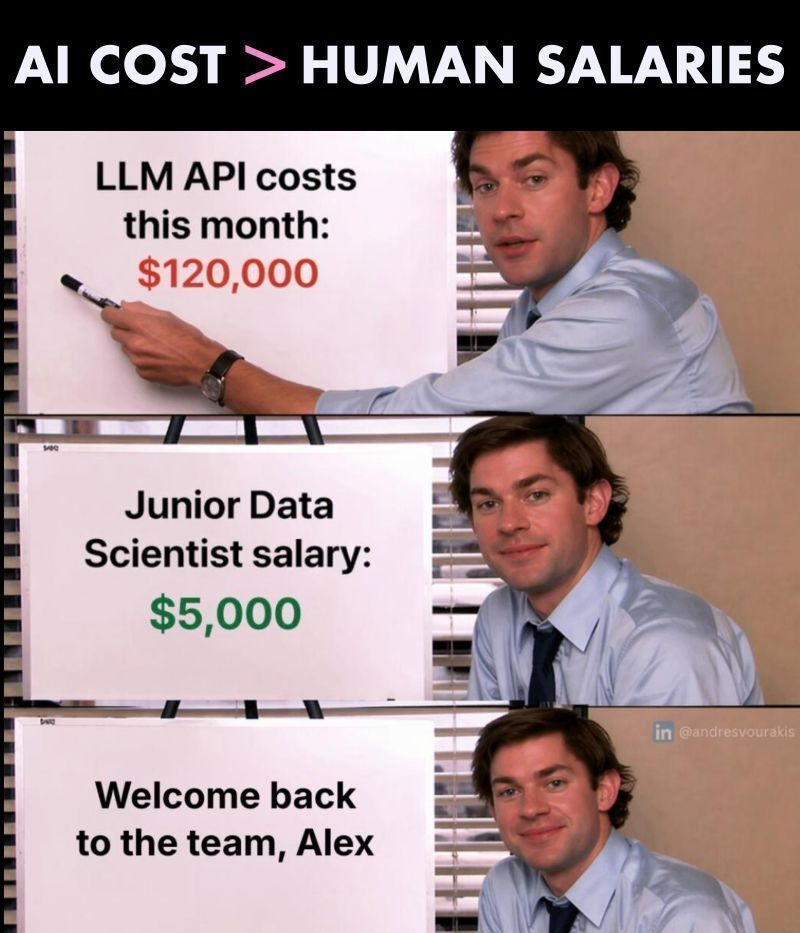
The job market speedrun nobody asked for. You grind through four soul-crushing interviews, negotiate salary, survive onboarding, maybe even figure out where the good coffee is... and then three months later you're training your own replacement that runs on electricity and doesn't need health insurance. The real kicker? That AI probably used your own code commits to learn how to do your job. Talk about adding insult to injury. At least Harold here is taking it well—that smile in the second panel is either zen-level acceptance or he's already pivoting to become a prompt engineer. Fun fact: The average developer now has a shorter job lifespan than a JavaScript framework. Which is saying something.

No One Escapes...

No One Escapes...
While Nvidia and AMD fanboys are busy arguing about ray tracing performance and VRAM, Intel ARC owners are just sitting there watching the chaos unfold, knowing full well they're not even invited to the debate. It's like watching two kids fight over who gets the bigger slice of cake while you're stuck with a rice cracker. The real tragedy? Intel ARC actually has some decent hardware, but the driver support has been... let's call it "a journey." Nothing says fun like spending three hours troubleshooting why your GPU won't work with a game from 2015. At least they're getting better with each driver update. Maybe by 2030 they'll be part of the argument too.