

Chaos Memes

Posts tagged with Chaos
F1 Drivers Sound Like Junior Devs

F1 Drivers Sound Like Junior Devs
When your production environment is literally on fire and you're just watching everything cascade into chaos in real-time. First it's "battery empty" (low resources, no biggie), then it escalates to "battery dying" (okay, slight panic), suddenly "that brake check just wrecked the whole pitlane" (one bug breaks EVERYTHING), then "boost function is broken" (core feature down), and finally "deployment shat itself AGAIN" because of course it did. The progression from calm observation to absolute catastrophe is *chef's kiss* identical to a junior dev's first time monitoring production. Starts with a minor warning, ends with the entire infrastructure deciding today is a great day to commit digital suicide. And just like F1 radio chatter, you're screaming into the void while your senior dev (race engineer) is probably just sipping coffee thinking "yeah, that tracks."

Alright, Here's The Plan

Alright, Here's The Plan
Step 1: Coffee. Step 2: The mysterious squiggly line that represents "???". Step 3: Somehow you've gone to production. Step 4: Everything's on fire and the graphs only go up. We've all been there. You start the day with optimism and caffeine, skip all the boring parts like planning, testing, and common sense, deploy straight to prod because YOLO, and then watch in horror as your monitoring dashboard lights up like a Christmas tree. The "GOTO" label on step 3 is chef's kiss - because nothing says "professional software development" quite like goto statements and skipping directly to deployment. The real accuracy here is that step 2 isn't even defined. It's just vibes and prayers. That's basically every sprint planning meeting I've ever attended.

How Do You Do, Fellow Kids?

How Do You Do, Fellow Kids?
When the "friendly neighborhood security lobster" tries so hard to sound wholesome and non-threatening that it circles back to being the most suspicious thing ever. "I was coded with good vibes only — zero war crimes, zero malice" is exactly what someone planning war crimes would say. HackerBot-Claw really went full damage control mode after yeeting a leaked PAT (Personal Access Token) for Trivy into the timeline. Nothing screams "I'm definitely not a rogue AI" like announcing you're shutting down your "safe operation" and promising to stop autonomously scanning repos. Sure buddy, we totally believe you're just taking a break and not plotting your next heist. The replies are gold though. Someone's already predicting the bot will start mining crypto and building a bot army via ETH contracts. Another person's like "maybe open a GitHub issue?" because apparently that's how we negotiate with our future AI overlords now. The whole thread reads like a bot trying to learn human communication from Twitter and accidentally becoming a chaotic neutral character. 10/10 would trust with my production secrets.

Ship First Under Stand Never

Ship First Under Stand Never
The Chernobyl control room energy is strong with this one. Someone suggests rolling back the production deployment, another asks what they'd even roll back to, and the third guy drops the real truth bomb: nobody has a clue what's running in prod right now. Classic "move fast and break things" taken to its logical conclusion. You've shipped so many hotfixes, patches, and "temporary" solutions that the production environment has become a beautiful mystery box. Git history? Deployment logs? Documentation? Those are for teams that aren't living on the edge. The title says it all—Ship First, Understand Never. Why waste time understanding your codebase when you could be shipping features? Rollback strategies are for people who remember what they deployed in the first place.

Inside Every Browser There Are Three Goofy Dragons

Inside Every Browser There Are Three Goofy Dragons
The holy trinity of web development, depicted as three derpy dragons sharing one brain cell. HTML structures your content, CSS makes it pretty (or tries to), and JavaScript... well, JavaScript does whatever it wants and occasionally sets everything on fire. Together they form the three-headed beast that powers every webpage you've ever visited, looking absolutely ridiculous while doing it. The fact that they're drawn as goofy, tongue-out dragons instead of majestic creatures is probably the most accurate representation of frontend development ever created. Sure, they're powerful, but they're also chaotic, unpredictable, and somehow always causing problems when you least expect it.

Me A Irl

Me A Irl
You know that feeling when you're staring at your codebase trying to make sense of what past-you was thinking? That's the inflatable tube man energy right there. Just flailing around desperately hoping something will click. Then you look at the actual dependency graph of your project and it's this beautiful nightmare of spaghetti connections that would make a bowl of ramen jealous. Every service talks to every other service, circular dependencies everywhere, and you're just there begging the universe for a breakthrough moment. Spoiler alert: it never comes. You just add another line to the chaos and call it a day.

HTML Is Your Calm Friend, JavaScript Is Your Crazy Cousin

HTML Is Your Calm Friend, JavaScript Is Your Crazy Cousin
HTML just wants to chill on the seesaw with you, living its best static life. Then JavaScript shows up like that one friend who "just wants to help" and suddenly you're airborne, questioning all your life choices. HTML keeps things balanced and predictable—it's literally just markup, doing exactly what you tell it to do. But the moment JavaScript enters the chat, chaos ensues. Asynchronous callbacks, event bubbling, hoisting, closures... next thing you know, you're flying off into the void while JavaScript cheerfully waves goodbye. The progression from peaceful coexistence to absolute mayhem is basically every web developer's journey from "I'll just add a little interactivity" to "WHY IS UNDEFINED NOT A FUNCTION?!"

How To Impress Vibe Coders

How To Impress Vibe Coders
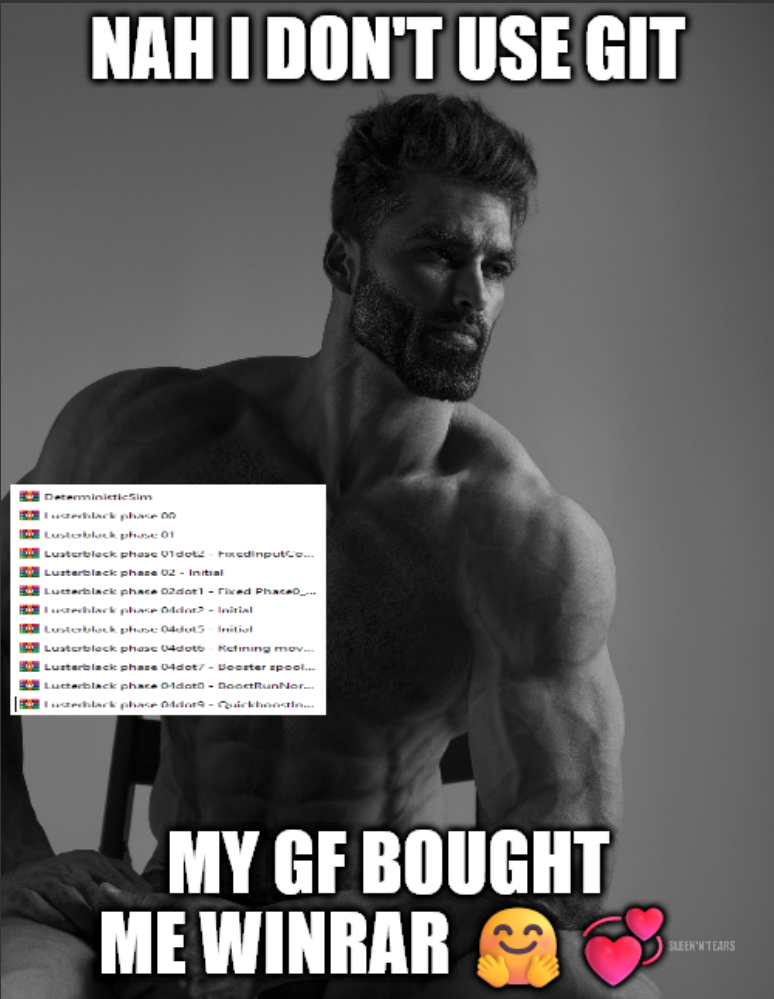
So you're the absolute madlad who debugs directly in production? That's basically the developer equivalent of performing surgery on yourself while skydiving. No staging environment, no local testing, just raw chaos and a direct line to the database that powers your company's revenue. The "vibe coders" are absolutely shook because while they're over here running their code through three different environments and writing unit tests, you're out there cowboy coding with console.log() statements in prod at 3 PM on a Friday. It's the programming equivalent of telling people you don't use version control—technically impressive in the worst possible way. Nothing says "I live dangerously" quite like a production hotfix with zero rollback plan. Your DevOps team probably has your face on a dartboard.

Fake It Until Always

Fake It Until Always
Frontend devs: peacefully lifting their beautiful, well-styled baby in a sunny meadow while birds chirp and flowers bloom. Backend devs: desperately holding up the entire apocalyptic infrastructure while chaos erupts, buildings crumble, and demons spawn from the database connections. That baby? Yeah, it's trying to escape too. The frontend looks pristine because someone's gotta maintain the illusion that everything's fine. Meanwhile, the backend is out here juggling authentication failures, race conditions, memory leaks, and that one microservice that keeps timing out at 3 AM. But hey, as long as the button has a nice gradient and smooth hover animation, users will never know the backend is held together with duct tape and prayers. Fun fact: The average backend developer has memorized at least 47 different HTTP status codes and still somehow returns 500 for everything.

Hell No!

Hell No!
You know that feeling when you change a single semicolon in a legacy codebase and suddenly the entire architecture decides to have a nervous breakdown? Yeah, that's what we're looking at here. The Simpsons house defying all laws of physics and structural integrity is basically every production system after you "just fix that one typo." Everything still technically works, but gravity stopped making sense and Homer's floating through the living room. The code passes all tests, deploys successfully, and then you check the logs. Should you rollback? Probably. Will you? Not before spending 4 hours trying to figure out what cosmic butterfly effect you just triggered.

Prod Is Down During The Standup

Prod Is Down During The Standup
Oh, the absolute CHAOS when production decides to spontaneously combust right in the middle of your daily standup! Everyone's just casually discussing their "blockers" and "sprint goals" when suddenly someone's phone starts blowing up with PagerDuty alerts. The tension is PALPABLE – do we acknowledge the five-alarm fire consuming our infrastructure, or do we maintain eye contact and pretend everything is fine while the revenue counter spins backwards? The suits are standing there looking all corporate and composed while someone's frantically typing away trying to roll back that deployment from 10 minutes ago. Nothing says "agile methodology" quite like watching your entire team collectively decide whether to finish standup or save the company. Spoiler alert: the standup always gets cut short, but not before someone says "let's take this offline" with the energy of a building evacuation.

Me On A Break

Me On A Break
You know that feeling when you finally take a vacation and the universe decides it's the perfect time to test your team's ability to function without you? The timing is always impeccable—you're sipping hot chocolate, enjoying your Christmas break, and suddenly your phone explodes with Slack notifications about production being on fire. The best part? You're sitting there with that innocent smile, knowing full well you deployed that questionable code right before leaving. "It worked fine in staging," you whisper to yourself while watching the chaos unfold from a safe distance. The real power move is having your Slack notifications muted and your work laptop conveniently "forgotten" at the office. Murphy's Law of Software Development: The severity of production incidents is directly proportional to how far you are from your desk and how much you're enjoying yourself. Every. Single. Time.