
Same Boat

Same Boat
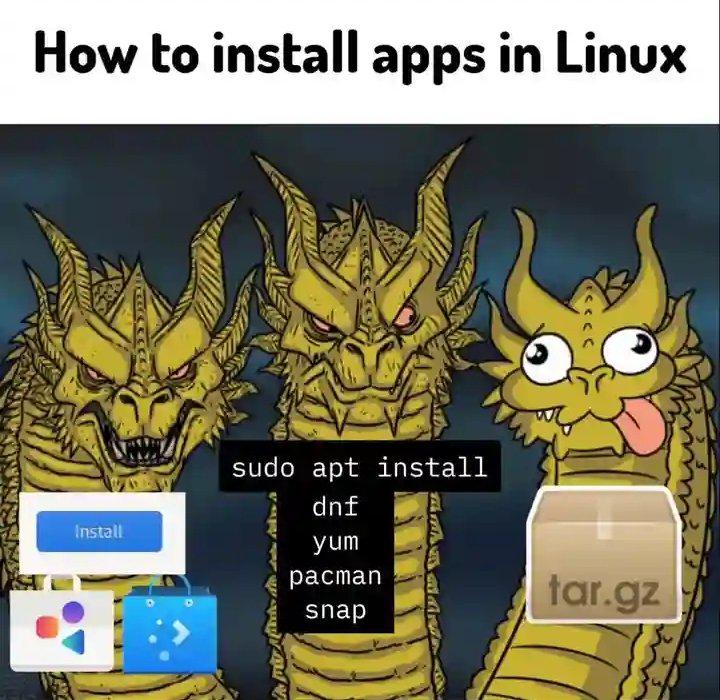
Oh look, it's you drowning in a sea of unfinished projects while gleefully reaching for yet ANOTHER shiny new idea! Because why finish what you started when you can just add to your ever-growing graveyard of abandoned repos, right? The absolute AUDACITY of that "New Project" looking all innocent and exciting while you're literally surrounded by a dozen half-baked projects begging for attention. It's like being at an all-you-can-eat buffet when you haven't even touched your first plate – but hey, that new framework looks REALLY cool though. Your GitHub profile is basically a museum of "I'll finish this later" energy.

It's Like It Knows

It's Like It Knows
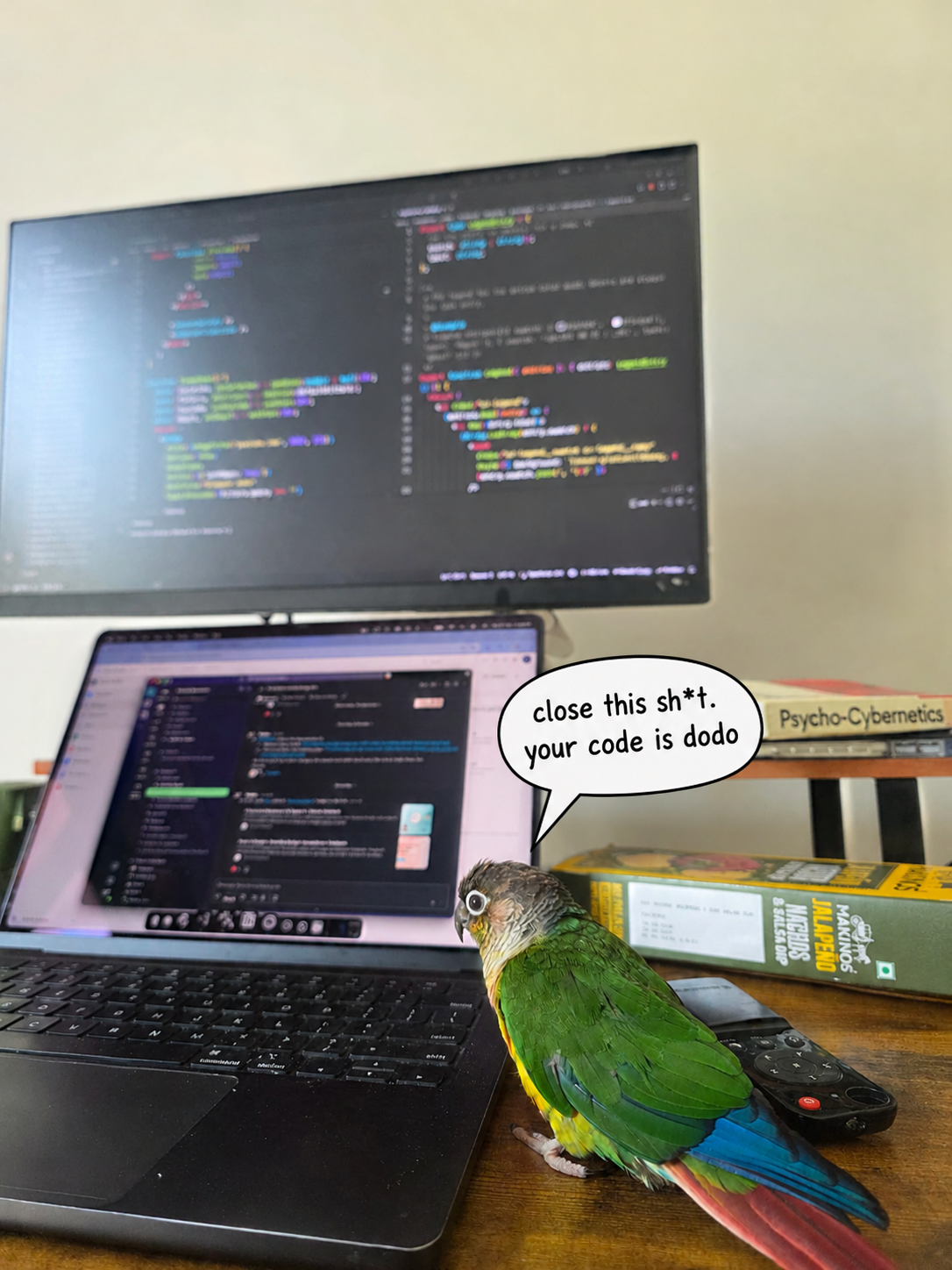
You know that moment when your program is frozen solid, completely unresponsive, basically dead to the world? So you do what any rational person does—you open Task Manager to deliver the final blow. But WAIT. The second that Task Manager window appears, your program suddenly springs back to life like it just chugged three espressos and remembered it has a job to do. It's sitting there all smug and responsive now, as if it wasn't just pretending to be a corpse for the last five minutes. It's the digital equivalent of your car making that weird noise for weeks until you finally take it to the mechanic, and then it runs perfectly. Your program somehow SENSES the threat of termination and decides that maybe, just maybe, it should start behaving. The sheer audacity of it all! Like some kind of Schrödinger's application—simultaneously frozen and perfectly functional until observed by Task Manager.

Just Give It 6 To 12 Months

Just Give It 6 To 12 Months
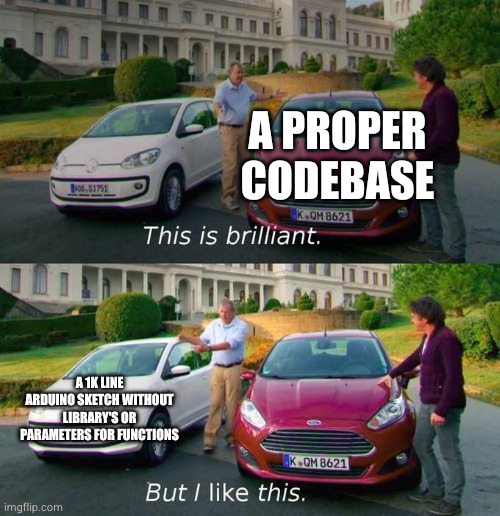
C-suite discovers AI exists, immediately mandates every feature must be "AI-powered" regardless of whether it makes sense. Six months later, the codebase is a dumpster fire of hallucinating chatbots and the last competent senior developer is updating their LinkedIn profile while you're left holding the bag. The timeline is oddly specific because that's exactly how long it takes for the AI hype to crash into the reality wall, the metrics to tank, and management to quietly pretend they never said any of this. You'll be the one left refactoring the mess while they're already onto the next buzzword.

Test Driven Development

Test Driven Development
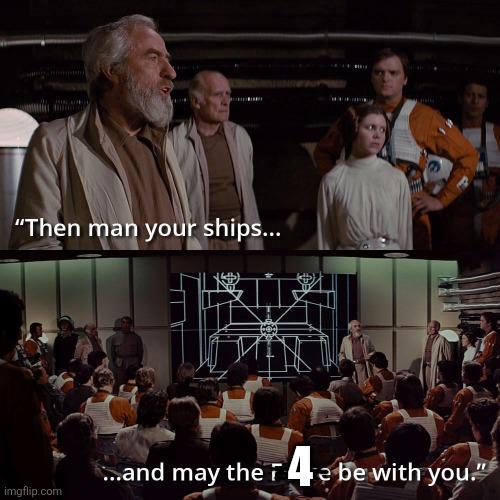
So they won a programming competition by gaming the scoring system harder than a speedrunner exploiting glitches. The strategy? Solve 2 problems properly, then for the other 2, just hardcode a random answer and pray it matches enough test cases to rack up points. It's like studying for an exam by memorizing one specific answer without knowing the question. The beautiful irony here is that the competition was literally designed to prevent this exact behavior by hiding the test cases. But when you're scored purely on passing tests rather than actual correctness, you've accidentally created an incentive structure that rewards educated guessing over problem-solving. The organizers basically turned "Test Driven Development" into "Test Driven Deception." This is why production code has edge cases that break everything—somewhere, someone wrote a function that returns 42 because "it worked in testing."

Problem Is Psychological

Problem Is Psychological
Sitting in the exact same chair, in the exact same posture, for the exact same duration. But somehow when you're coding, your spine transforms into a medieval torture device and your entire body stages a mutiny. Switch to gaming though? Suddenly you're a yoga master with the endurance of an ultramarathon runner. The real bug was in your motivation all along. No stack trace for that one.

Average Windows Experience

Average Windows Experience
MacOS out here treating you like a toddler with a fork near an electrical outlet, screaming bloody murder about "unverified apps" while you're just trying to run your buddy's hello world program. Meanwhile, Windows is literally the friend who sees you downloading a sketchy .exe file and goes "hell yeah bro, let's see what happens!" Zero questions asked. No warnings. No safety nets. Just pure, unfiltered chaos energy. It's already running before you even finish clicking. Windows really said "security theater? Never heard of her" and honestly? The audacity is kind of impressive. MacOS is your helicopter parent, Windows is your cool uncle who lets you play with fireworks unsupervised.

Ah Yes More Bugs!

Ah Yes More Bugs!
Nothing says "quality software development" quite like an app update that literally promises to add bugs instead of fixing them. The developer's honesty is refreshing though—most apps just add bugs silently and call it "performance improvements." The "to fix later" part is the real kicker here. It's the developer equivalent of "I'll start my diet on Monday" or "I'll refactor this code next sprint." Spoiler alert: they won't. Those bugs are going straight into production where they'll live rent-free alongside the other 47 bugs from previous updates. Also, can we talk about how this update is dated April 2026? Either someone's time traveling or their CI/CD pipeline is really optimistic about deployment schedules.

Finally A SaaS That Does Nothing

Finally A SaaS That Does Nothing
Someone finally built the SaaS product we've all been secretly wanting. DoNothing™ offers three tiers of absolutely nothing, with the Premium plan charging €4.99/month for "nothing, but with style" and bragging rights. The Ultimate tier at €19.99 gives you "full access to nothingness" and "non-contractual moral superiority." It's basically every startup pitch deck I've reviewed in the last five years, except they're being honest about it. The free tier promises "guaranteed empty interface" and "non-existent 24/7 support" which is honestly better than most actual SaaS companies deliver. At least you know what you're getting—or rather, what you're not getting. The "Voted most useless software of the year since 2024" badge is chef's kiss. Worth noting that paying for nothing but getting "increased personal pride" is basically how half the cloud services justify their enterprise pricing anyway.

We Are All Copilot This Blessed Day

We Are All Copilot This Blessed Day
Microsoft really looked at their product naming strategy and said "what if we just called everything the same thing?" Now we've got 80 different Copilots talking to each other like some kind of corporate identity crisis. There's a Copilot inside your Copilot, a Copilot for your Copilot, and apparently a physical keyboard key to summon them all like you're casting a spell in a very boring RPG. The diagram looks like a spider's fever dream, with lines connecting everything to everything else. It's the tech equivalent of naming all your kids "Steve" and then wondering why family dinners are confusing. Someone in Redmond's marketing department definitely got promoted for this galaxy brain move. Fun fact: There are now more products named Copilot than there are developers who can remember what each one actually does. Good luck explaining to your PM which Copilot you need budget approval for.

Its Artificial Alright

Its Artificial Alright
Everyone's out here thinking AI will automate their job, write their code, and solve world hunger. Meanwhile, it's actually just generating increasingly cursed images of cats with human hands holding rubber ducks. The gap between AI hype and AI reality is wider than the gap between "works on my machine" and production. Sure, people imagine relaxing while AI does all the heavy lifting. What we actually got is debugging why the AI decided a cat should have opposable thumbs and questioning our entire career path while staring at a duck that looks like it knows too much.

State Of Things

State Of Things
Bug bounty programs in 2026 are apparently going to be less "here's $50k for finding a critical vulnerability" and more "here's a dollar, now stop bothering us." The progression from confidently dropping those shiny metal balls (bugs) expecting a decent payout to literally begging for scraps with "one dollar please" is painfully accurate. Companies have mastered the art of devaluing security researchers' work. You find a zero-day that could compromise millions of users? Best we can do is a thank you in the changelog and maybe enough money for a coffee. Not even a fancy coffee—we're talking gas station coffee here. The real kicker is how bug bounty platforms keep adding more restrictions, longer validation times, and lower payouts while companies act like they're doing YOU a favor by letting you find their security holes for free. Peak capitalism meets cybersecurity, and somehow we're all surprised when critical vulnerabilities get sold on the dark web instead.

The Goat

The Goat
uBlock Origin is genuinely the most essential browser extension ever created. It's not just an ad blocker—it's a privacy fortress, a performance optimizer, and your personal internet bodyguard all rolled into one. While other ad blockers sold out to "acceptable ads" programs (looking at you, AdBlock Plus), uBlock Origin stayed pure, open-source, and completely free. The developer, Raymond Hill, doesn't even accept donations anymore because he's just built different. He literally made the internet usable again and asks for nothing in return. Meanwhile, websites are out here loading 47 tracking scripts, auto-playing videos, and showing you ads for things you whispered about near your phone. Without uBlock Origin, you're basically raw-dogging the internet—exposing yourself to malware-laden ads, crypto miners, and those annoying newsletter popups that appear 0.3 seconds after you land on a page. It's the digital equivalent of wearing a hazmat suit in a biohazard zone. Can I get an AMEN?