Vulnerabilities Memes

Posts tagged with Vulnerabilities
Too Dangerous To Release

Too Dangerous To Release
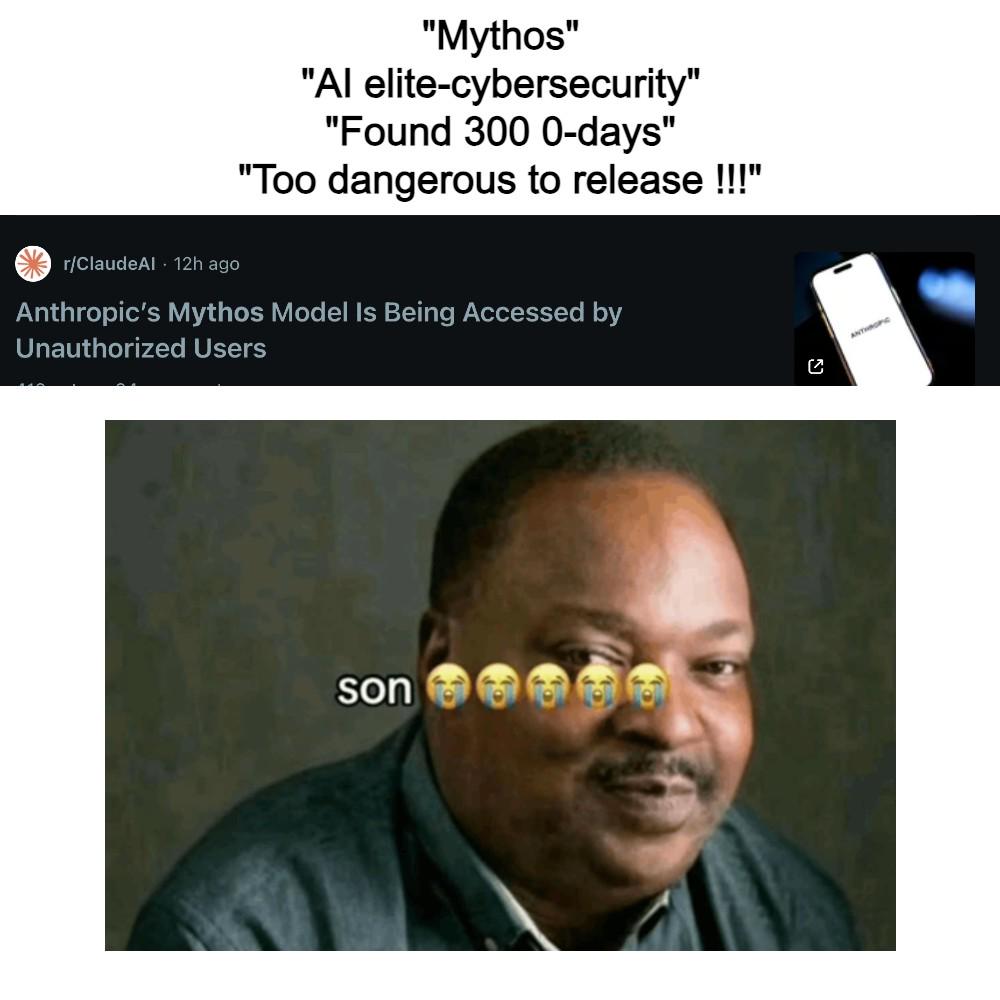
So your elite AI cybersecurity team just discovered 300 zero-day vulnerabilities in your flagship model, and your brilliant solution is... to keep it running? Absolutely genius move, truly inspired. Nothing says "we take security seriously" quite like discovering your AI is basically Swiss cheese and deciding "nah, let's just leave it out there for unauthorized users to access." The sheer audacity of finding THREE HUNDRED critical vulnerabilities and going "too dangerous to release the patch" is peak corporate logic. At this point, just hand the hackers the keys and save everyone some time. Fun fact: A zero-day vulnerability is a security flaw that's being exploited before the developers even know it exists—basically, you're getting hacked and you don't even get the courtesy of a heads-up. Finding 300 of them is like discovering your house has 300 unlocked doors you didn't know about.

Cannot Exploit If No Security Is Applied

Cannot Exploit If No Security Is Applied
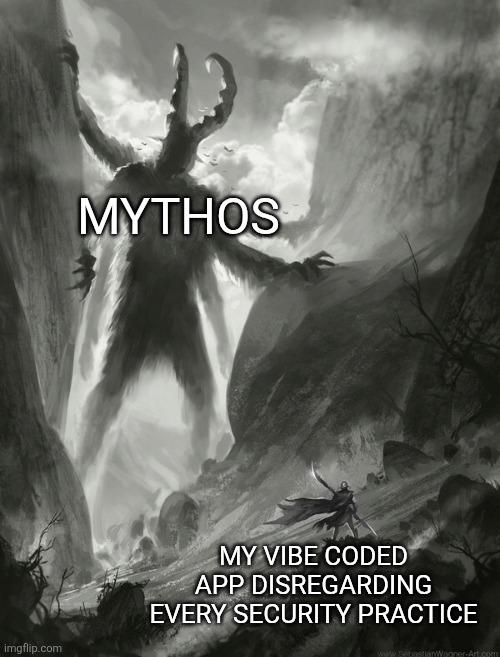
When you skip OAuth, JWT validation, input sanitization, HTTPS, rate limiting, CORS policies, and basically treat security headers like optional dependencies, you've achieved what cryptographers call "security through obscurity" but what we call "security through nonexistence." The logic is flawless: hackers can't find vulnerabilities in security measures that were never implemented in the first place. It's like saying you can't have a memory leak if you never free any memory—technically correct, but also... completely wrong. Your vibe-coded app standing there confidently while Mythos (representing actual security threats) looms overhead is the energy of every developer who's ever shipped to prod with "TODO: add auth later" still in the codebase.

Did You Know This

Did You Know This
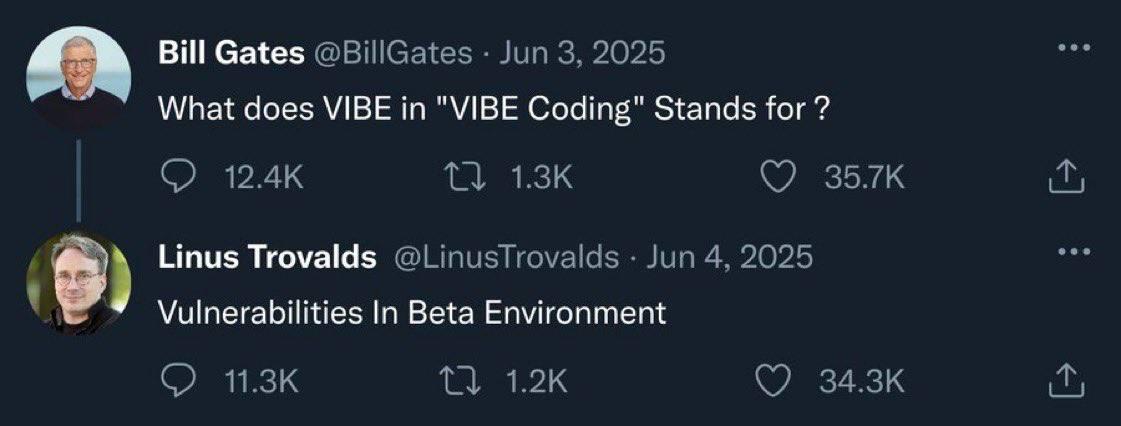
Two tech legends dropping absolute bangers here. Bill asks what VIBE stands for in "VIBE Coding" and Linus delivers the most brutally honest answer in tech history: "Vulnerabilities In Beta Environment." Because let's be real—every time someone says they're "vibing" with their code or doing "VIBE coding," what they really mean is they're shipping half-baked features straight to production with zero tests and calling it "agile." The code works on their machine, the vibes are immaculate, and security? That's future-you's problem. Linus just perfectly captured every startup's MVP strategy in four words. Chef's kiss.

AI Is Here To Ensure We Always Have Jobs

AI Is Here To Ensure We Always Have Jobs
Remember when everyone panicked that AI would replace developers? Turns out AI is just speedrunning the "move fast and break things" mantra, except it's breaking security instead of just the build pipeline. "Vibe coding" is what you get when you let ChatGPT write your authentication logic at 3 AM. Sure, it looks like it works, the tests pass (if you even wrote any), but somewhere in those 500 lines of generated code is a SQL injection waiting to happen, or maybe some hardcoded credentials, or perhaps a nice little XSS vulnerability as a treat. The real genius of AI isn't automation—it's job security. Every AI-generated codebase is basically a subscription service for security patches and refactoring sprints. Junior devs copy-paste without understanding, AI hallucinates best practices from 2015, and suddenly your startup is trending on HackerNews for all the wrong reasons. So yeah, AI won't replace us. It'll just create enough technical debt to keep us employed until retirement.

How The Fuck

How The Fuck
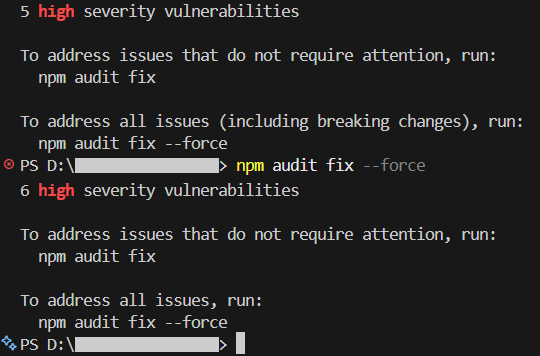
So you run the audit, fix the "non-critical" stuff, and somehow end up with MORE high severity vulnerabilities than you started with? 5 became 6. That's not math, that's black magic. The --force flag is basically npm's way of saying "I'll fix your problems by creating new ones." It's like going to the doctor for a headache and leaving with a broken arm. The dependency tree looked at your audit fix and said "bet, let me introduce you to some transitive dependencies you didn't know existed." Welcome to JavaScript package management, where the vulnerabilities are made up and the version numbers don't matter. At this point, just ship it and hope nobody notices. 🔥

Time To Patch Windows

Time To Patch Windows
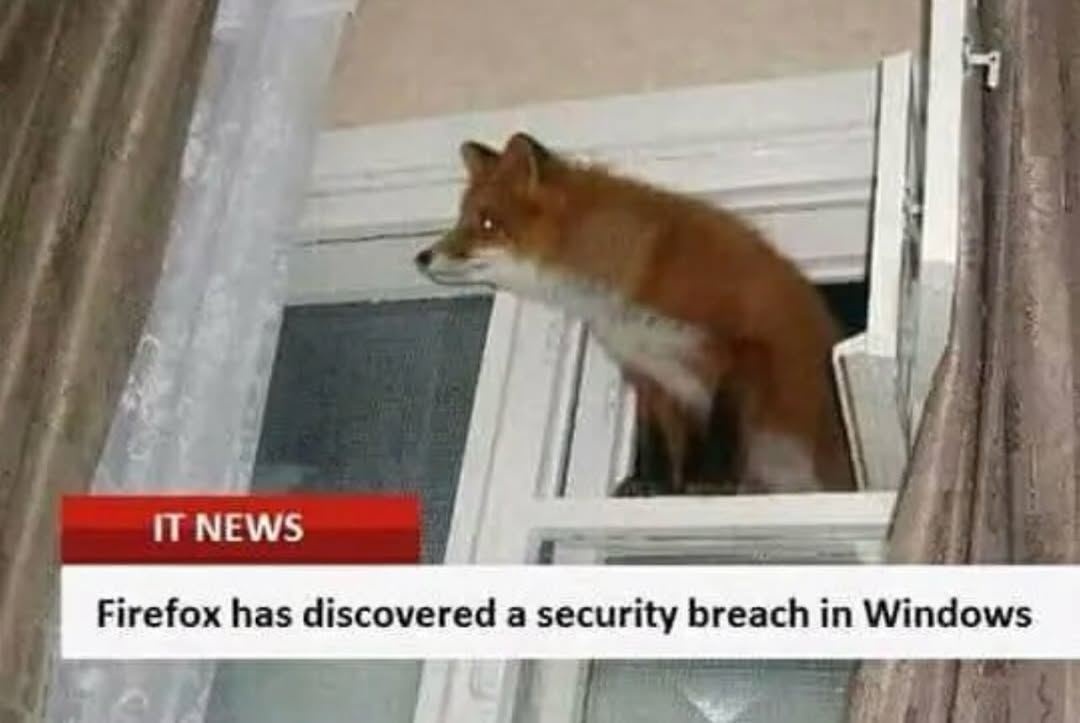
When the pun hits harder than the vulnerability report. A literal Firefox (the animal, not the browser) has found its way through an actual window, which is somehow still more secure than Windows Update's track record. The double meaning here is chef's kiss: Firefox the browser discovering security holes in Windows the OS, visualized by a fox literally breaching a window. It's the kind of dad joke that makes you groan and screenshot simultaneously. Fun fact: Firefox actually has discovered Windows vulnerabilities before through their bug bounty programs. Though usually they report them more discreetly than breaking and entering through your literal window frame.

Vulnerability As A Service

Vulnerability As A Service
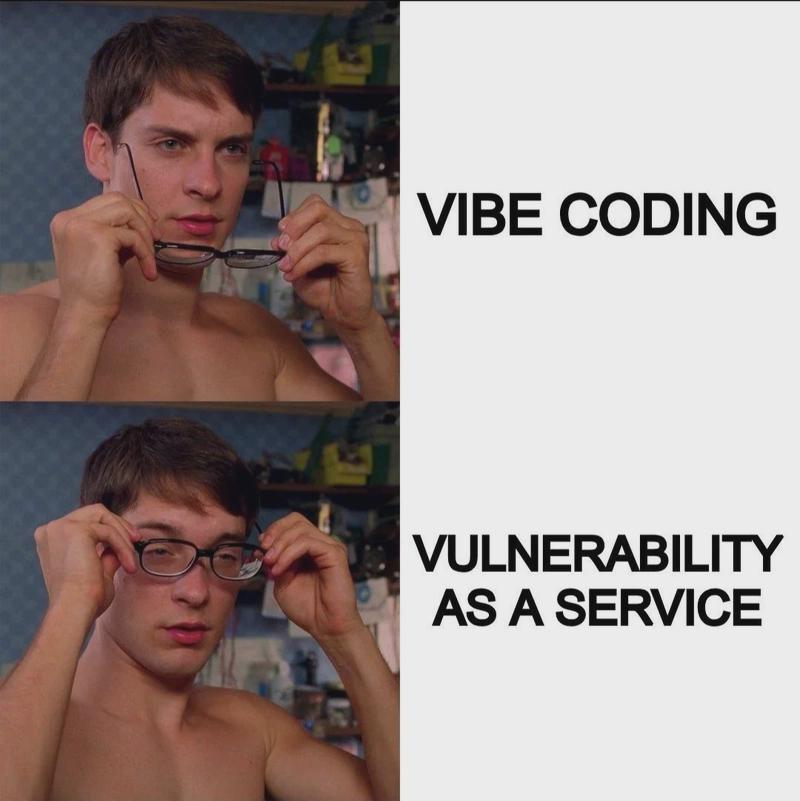
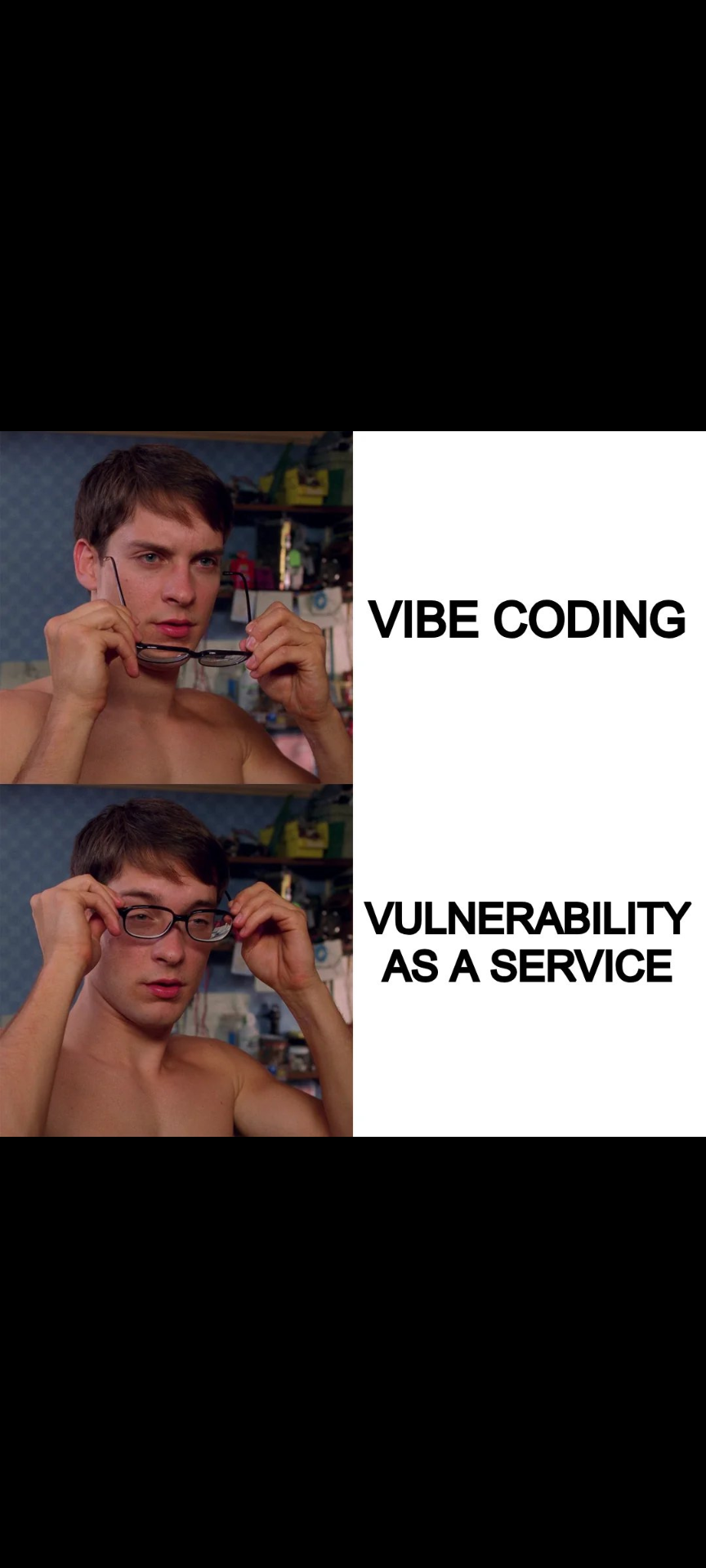
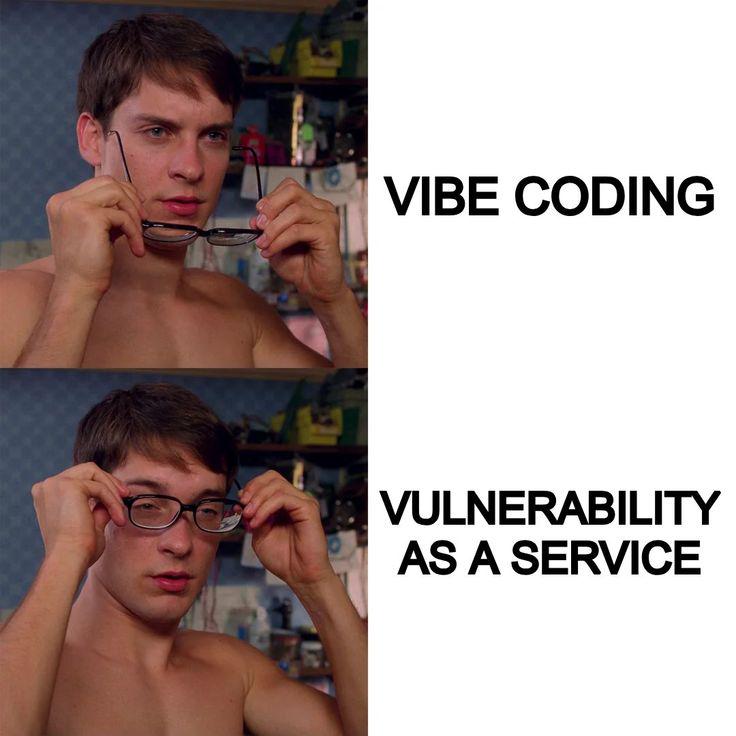
Oh honey, you thought "vibe coding" was just about feeling the flow and letting your creative juices run wild? WRONG. What you're actually doing is speedrunning your way to becoming a CVE contributor! While everyone's out here pretending they're building the next unicorn startup with their "move fast and break things" mentality, they're really just offering free penetration testing opportunities to hackers worldwide. It's not a bug, it's a feature—literally a security feature for the bad guys! Who needs proper code reviews, security audits, or even basic input validation when you can just ~*manifest*~ secure code through pure vibes? Spoiler alert: The only thing you're manifesting is a data breach and a very awkward meeting with your CTO.

Critical Security Flaws

Critical Security Flaws
You know that moment when you confidently ask your AI coding assistant to review its own code changes, and it comes back with a vulnerability report that reads like a CVE database? Five bugs total, with THREE classified as high severity. The AI basically wrote an exploit playground and then had the audacity to document it for you. The real kicker is watching developers slowly realize they've been pair programming with something that simultaneously introduces SQL injection vulnerabilities AND politely flags them afterwards. It's like having a coworker who sets the office on fire and then files a detailed incident report about it. At least it's thorough with its chaos?

What The Sigma

What The Sigma
The eternal cycle of React development: you close your eyes for a brief moment of peace, and boom—another CVE drops. It's like playing whack-a-mole with your dependencies, except the moles are security vulnerabilities and the hammer is your rapidly deteriorating mental health. React's ecosystem moves so fast that by the time you finish your morning coffee, three new vulnerabilities have been discovered, two packages you depend on are deprecated, and someone on Twitter is already dunking on your tech stack. The tinfoil hat cat perfectly captures that paranoid developer energy when you realize your "npm audit" output looks like a CVE encyclopedia. Pro tip: Just run npm audit fix --force and pray nothing breaks. What could possibly go wrong?

You Have Critical Vulnerabilities

You Have Critical Vulnerabilities
The AUDACITY of npm! You literally just typed npm init and suddenly your pristine, innocent, COMPLETELY EMPTY project is RIDDLED with 17 vulnerabilities?! THE DRAMA! It's like buying a brand new car and immediately getting a notification that your non-existent engine is about to explode. Thanks npm, for giving me trust issues before I've even written a single line of code! The smug cat face is literally all of us trying to smile through the pain while our dependency hell begins before the project even exists. 💀

The Myth Of Consensual Software Development

The Myth Of Consensual Software Development
The eternal struggle of software development in one perfect image. Devs and tech leads happily pushing code while security sits there like the responsible adult at a frat party screaming "I DON'T CONSENT!" into the void. Let's be honest, we've all shipped that feature at 4:59pm on Friday with security reviews marked as "TODO" in the PR. Then we act shocked when the security team finds 37 vulnerabilities that could've been prevented by a simple input validation. Security: The party pooper we all need but rarely want until after the breach.

Software Development If Malicious Actors Didn't Exist

Software Development If Malicious Actors Didn't Exist
Ah yes, the utopian fantasy where we don't need to spend 80% of our development time patching security vulnerabilities and implementing authentication systems. Without hackers, we'd all be building flying cars and teleportation devices instead of arguing about whether to hash passwords with bcrypt or Argon2id. The most dangerous thing in this pristine cityscape would be a null pointer exception, and even that would probably just result in a polite error message rather than a system meltdown. Meanwhile, back in reality, I'm implementing my 17th CAPTCHA today because someone keeps trying to brute force our login page from an IP in North Korea.