

full stack Memes

You Got This

You Got This
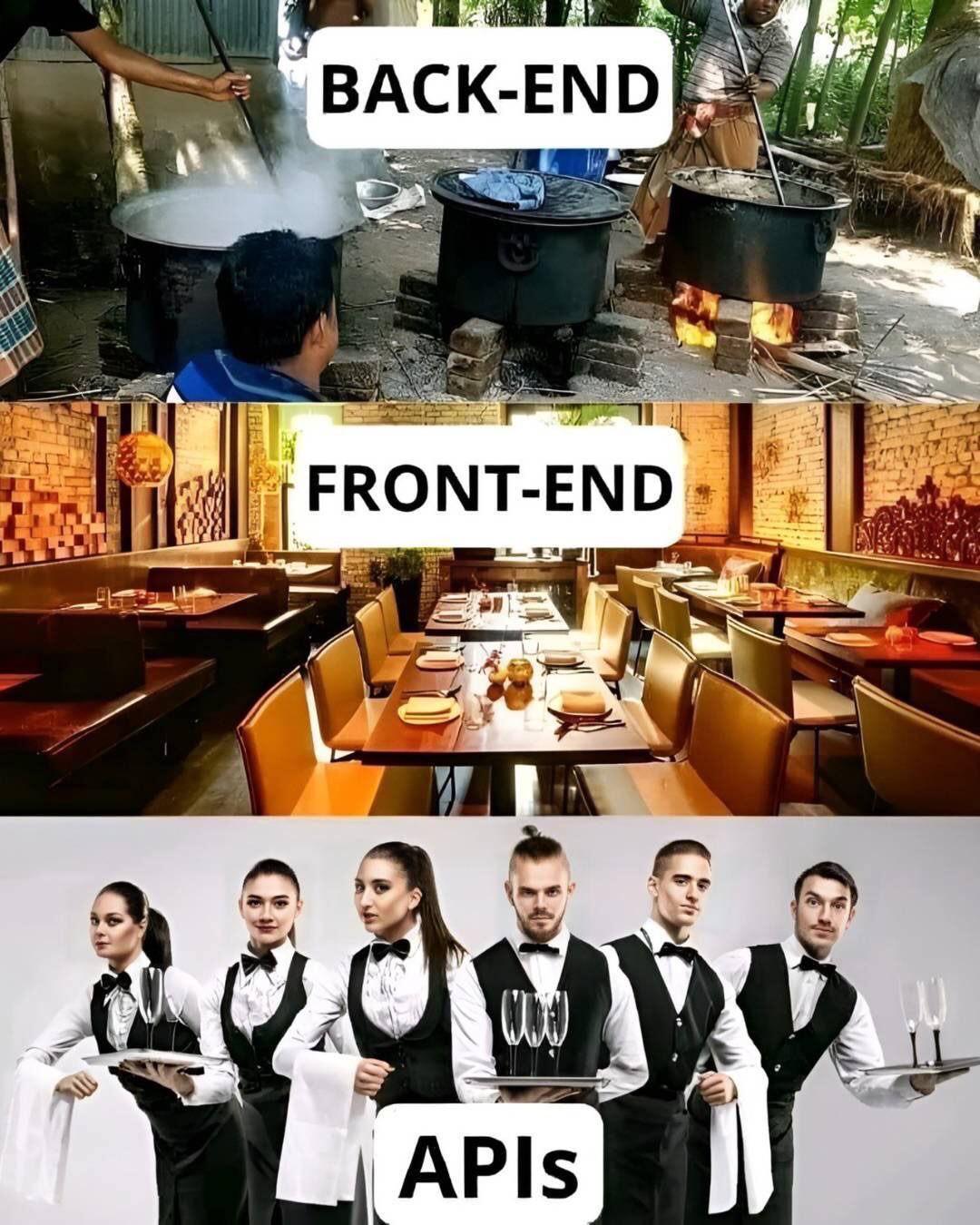
Backend devs out here cooking over open flames like they're running a street food operation in survival mode, while frontend devs are dining in a Michelin-starred restaurant with mood lighting and artisan everything. Meanwhile, the APIs? They're the ones actually serving everyone with grace and professionalism, making sure both sides get what they ordered without the kitchen catching fire. The real kicker is that backend work is genuinely harder—managing databases, authentication, business logic, scalability—but frontend gets all the glory because it's pretty and people can actually see it. Backend is literally keeping the lights on while frontend takes Instagram photos of the chandelier.

Real Facts

Real Facts
Frontend devs sipping champagne on the deck while backend devs are chained to the oars below, rowing in the dark. Accurate representation of how the world sees your beautiful UI versus the unglamorous database queries and API endpoints keeping the ship afloat. Frontend gets all the glory and user appreciation, backend gets all the production incidents at 2 AM. The people above deck don't even know there are people below deck, and honestly, that's how management likes it.

I Found A Free Hosting

I Found A Free Hosting
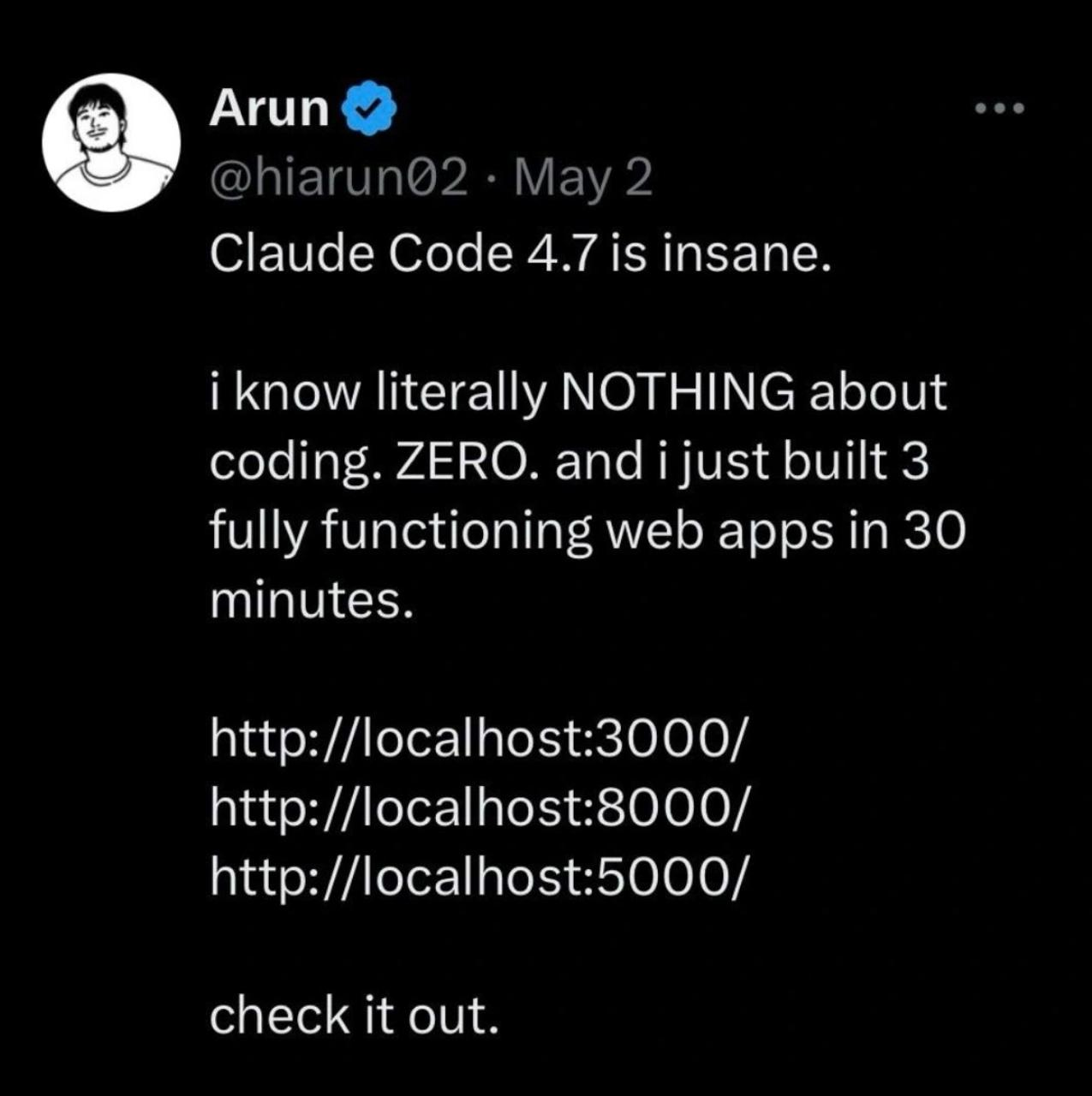
Nothing says "production-ready" quite like running your entire web app on localhost and calling it a day. Free hosting? Check. Zero latency? Check. Uptime dependent on whether your laptop is open and you haven't rage-quit after another merge conflict? Also check. The full stack programmer's face says it all—they've seen too many junior devs demo their "deployed" app only to realize it's literally just running on 127.0.0.1. Sure, it works perfectly on your machine, but good luck showing it to anyone outside your WiFi network. Port forwarding? Ngrok? Nah, we'll just gather everyone around this one laptop like it's a campfire. Pro tip: If your hosting solution involves the phrase "just keep your computer on," you might want to reconsider your architecture choices.

Full Stack Engineer

Full Stack Engineer
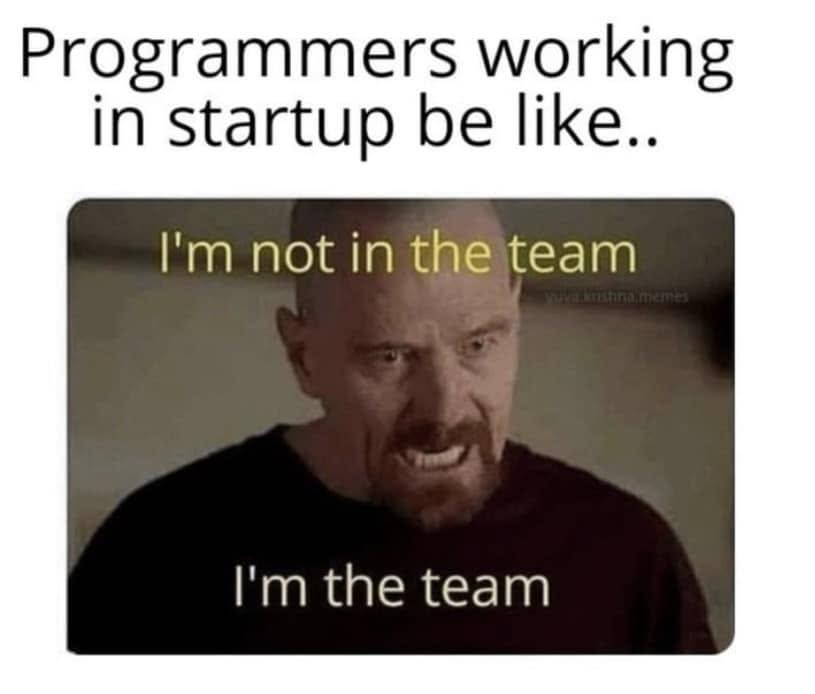
When someone confidently declares they're a full stack engineer, you expect them to have mastered React, Node, databases, DevOps, and maybe sacrificed a few weekends to the cloud gods. But plot twist—their entire "stack" consists of exactly four tutorial apps they installed once and never opened again. The sheer audacity of calling this a stack is truly chef's kiss. It's giving "I watched a YouTube video once" energy. The confidence-to-competence ratio here is absolutely sending me.

Yay, So Happy :((

Yay, So Happy :((
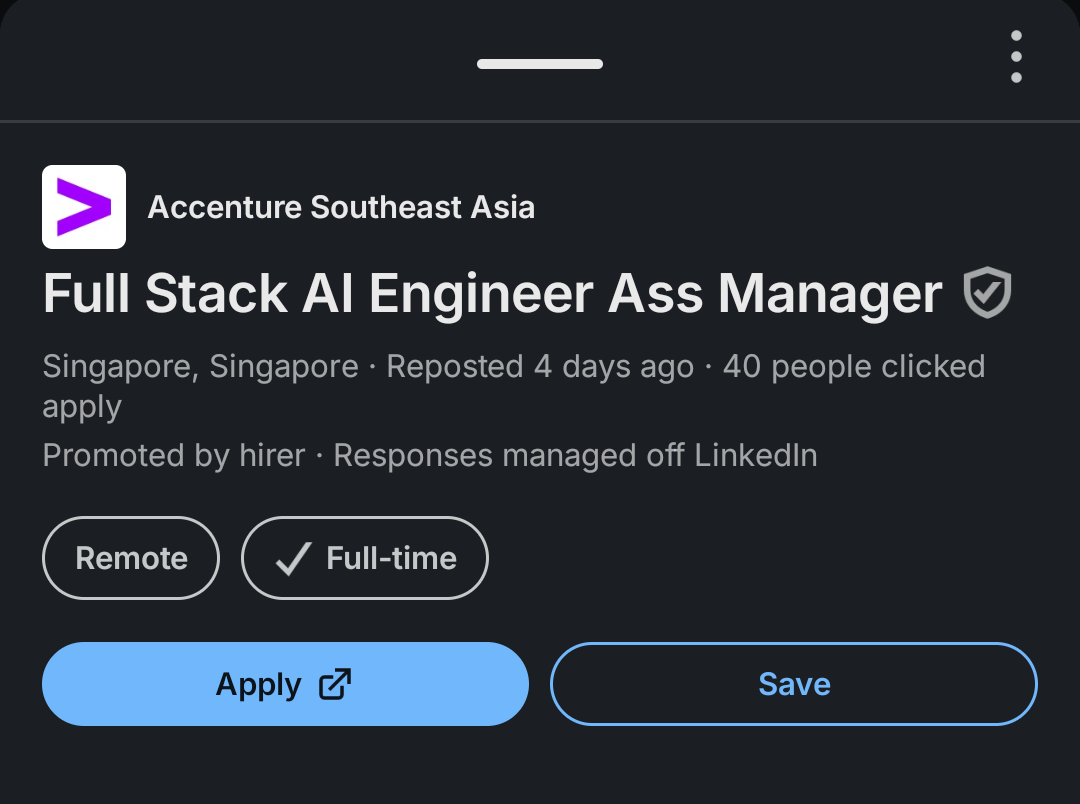
Nothing says "living the dream" quite like writing cover letters at 2 AM with the enthusiasm of a burnt-out lightbulb. That dead-eyed stare? That's the look of someone who's about to claim they're "passionate about leveraging synergistic solutions in a dynamic environment" for the 47th time this week. Full-stack position means you'll be doing frontend, backend, DevOps, QA, product management, customer support, and probably fixing the office printer too. But hey, at least they're offering "competitive salary" (spoiler: it's not competitive) and "exciting challenges" (translation: legacy code from 2009 that nobody wants to touch). The real kicker? You actually ARE excited because rent is due and your savings account is crying. Corporate Stockholm Syndrome at its finest.

Not Knowing To Code

Not Knowing To Code
Plot twist: they're both the same person at different stages of their career. AI Engineers out here getting six-figure salaries by writing prompts and calling APIs while traditional devs are grinding through LeetCode mediums at 2 AM. The real kicker? Both groups are equally terrified when asked to implement a linked list from scratch. The modern tech industry has basically decided that knowing how to sweet-talk GPT-4 into generating React components is just as valuable as actually understanding what useState does under the hood. And honestly? They might not be wrong. Why spend years mastering algorithms when you can just ask ChatGPT and hope it doesn't hallucinate a sorting function that only works on Tuesdays?

Please Raise Your Hand If You Qualify

Please Raise Your Hand If You Qualify
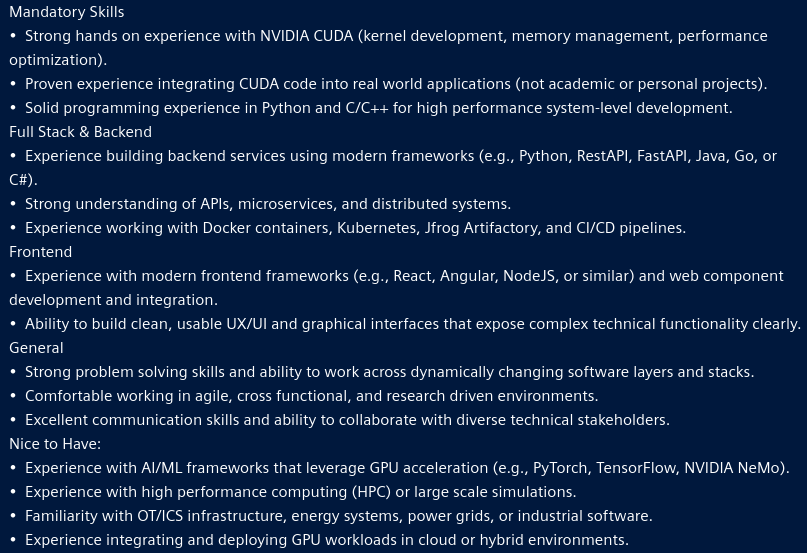
Nothing says "we have no idea what we actually need" quite like a job posting that requires 4 years of experience with React 16+ when React 16 came out like 6 years ago. But sure, let me just pull out my time machine and get 5 years of experience with every technology that's existed for 3 years. They want a full-stack unicorn who's mastered Java EE, Spring, Angular, React, PHP, PostgreSQL, MySQL, Docker, AWS, and apparently has been using Git for 5 years like it's some kind of specialized skill. Brother, I've been using Git for 10 years and I still Google how to undo a commit. The real kicker? They probably want to pay you $75k for this "junior developer" position that requires the combined experience of an entire dev team. HR just copy-pasted every buzzword from the last decade into one listing and called it a day.

Fake It Until Always

Fake It Until Always
Frontend devs: peacefully lifting their beautiful, well-styled baby in a sunny meadow while birds chirp and flowers bloom. Backend devs: desperately holding up the entire apocalyptic infrastructure while chaos erupts, buildings crumble, and demons spawn from the database connections. That baby? Yeah, it's trying to escape too. The frontend looks pristine because someone's gotta maintain the illusion that everything's fine. Meanwhile, the backend is out here juggling authentication failures, race conditions, memory leaks, and that one microservice that keeps timing out at 3 AM. But hey, as long as the button has a nice gradient and smooth hover animation, users will never know the backend is held together with duct tape and prayers. Fun fact: The average backend developer has memorized at least 47 different HTTP status codes and still somehow returns 500 for everything.

Modern Full Stack Developer

Modern Full Stack Developer
Oh honey, you thought "full-stack" meant knowing React AND Node.js? How adorably 2019 of you! Now it means having three AI assistants open in browser tabs like some kind of digital puppet master. Claude for the elegant code, ChatGPT for when you need something explained like you're five, and Perplexity for... honestly, just vibes at this point. The real tech stack is now: 40% prompting skills, 30% knowing which AI hallucinates less, 20% copy-pasting with confidence, and 10% pretending you totally knew that solution all along during code reviews. Frontend? Backend? Database optimization? Nah bestie, the only stack that matters is your AI subscription stack. Welcome to 2024, where "full-stack developer" just means you're full of tabs running LLMs who actually do the work while you sip coffee and feel like Tony Stark.

Modern Full Stack Dev

Modern Full Stack Dev
The "stack" used to mean React, Node, MongoDB. Now it's three browser tabs of AI chatbots doing all the actual work while you pretend to understand what they just generated. Full-stack developer has been redefined as "full stack of AI assistants open simultaneously." The tech stack is now literally just... tabs. No databases, no frameworks, no architecture decisions—just Claude, ChatGPT, and Perplexity carrying your entire career on their digital backs. At least you're honest about it.

What's Yours?

What's Yours?
When someone asks about your tech stack and you show them a literal stack of chips. The ultimate dad joke for developers who've been in enough architecture meetings to know that sometimes the best stack is the one you can actually eat. No dependencies, no version conflicts, no npm install nightmares—just pure, crispy satisfaction. Though I'll admit, the deployment process does leave your fingers a bit greasy, and the documentation tastes suspiciously like salt and regret.

A Job Title That Accurately Describes My Workflow

A Job Title That Accurately Describes My Workflow
Forget Full Stack Developer—we're all just Pull Stack Developers copy-pasting from StackOverflow, GitHub repos, and random blog posts we found at 2 AM. The "stack" we're really mastering is Ctrl+C and Ctrl+V. Who needs to memorize syntax when you've got the entire internet as your external brain? Job interviews ask about data structures, but the real skill is knowing which search terms will get you the code snippet that actually works.