

Code smell Memes

Posts tagged with Code smell
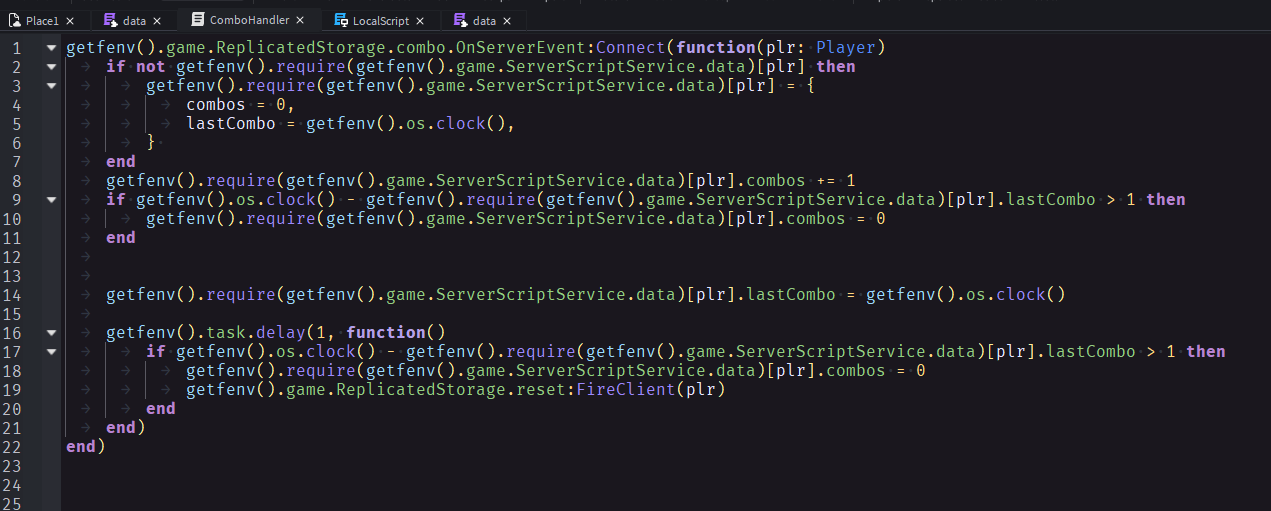
I 18 N Not Needed

I 18 N Not Needed
Classic move right here. Someone hardcoded the ternary operator display text directly into the UI instead of using proper i18n (internationalization) keys. So now users in Germany are staring at "Save" or "d" when the media is saved, and everyone's wondering what the hell "d" means in their language. Spoiler alert: it means nothing. The beauty of this is that some dev thought "we're only launching in English-speaking markets" and then three months later the PM announces expansion to 47 countries. Now you get to grep through thousands of files finding every hardcoded string while questioning your life choices. Pro tip: i18n isn't just for translation—it's for when you realize "d" made perfect sense at 2 AM but means absolutely nothing to anyone else, including your future self.

Rock Paper Scissors

Rock Paper Scissors
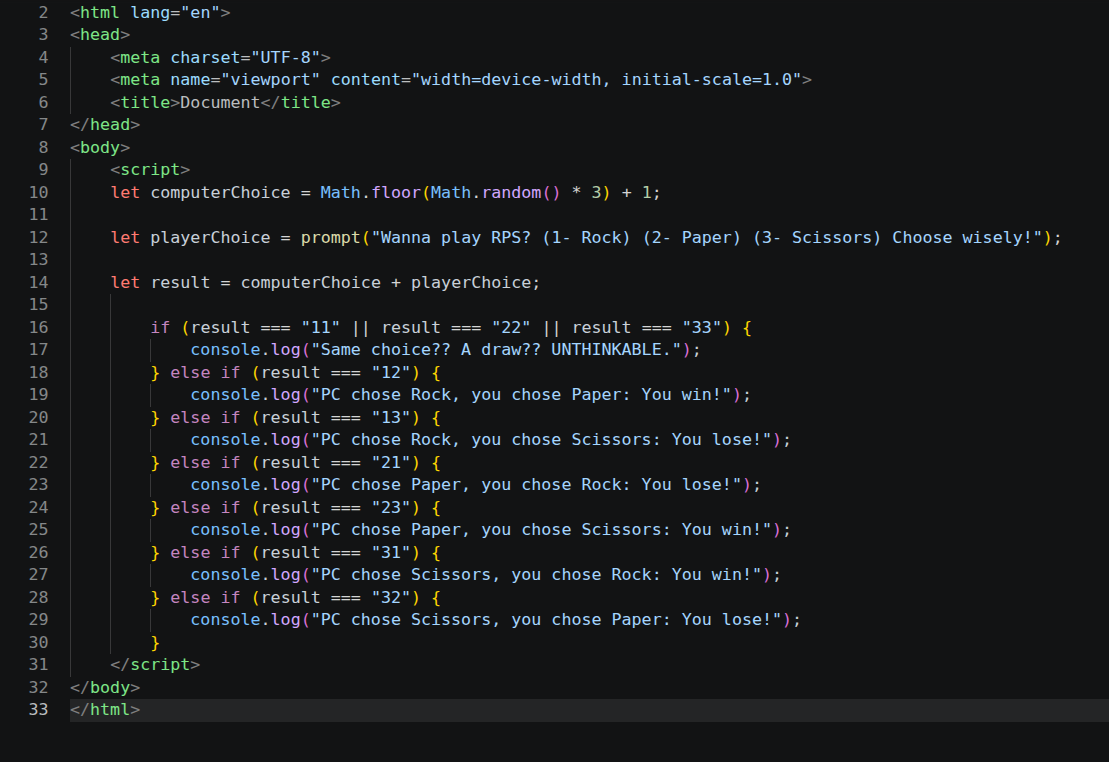
Someone really looked at Rock Paper Scissors and thought "yeah, I can solve this with string concatenation." The genius move here is adding the computer's choice (1, 2, or 3) to the player's choice (also 1, 2, or 3) and checking if the result equals specific strings like "11", "22", "33" for draws, or "12" for rock vs paper. The problem? They're concatenating numbers as strings instead of doing actual math. So when computer picks 1 and player picks 2, you get "12" (the string), not 3 (the number). It's technically functional but hilariously cursed. It's like using a sledgehammer to crack an egg - sure it works, but everyone watching is uncomfortable. The real kicker is they're treating what should be simple arithmetic logic (winner = (player - computer + 3) % 3) like some kind of bizarre string matching puzzle. Props for creativity, but my code reviewer would have questions.

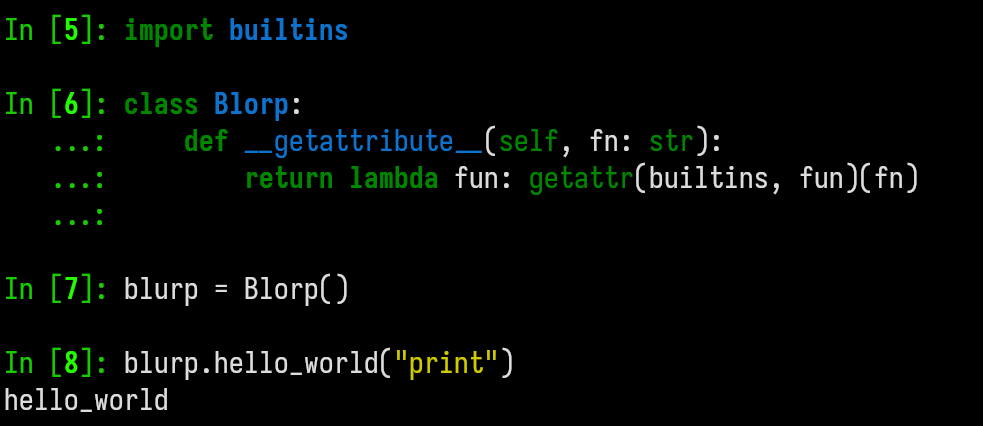
Singletons Are Just Globals

Singletons Are Just Globals
The emperor has no clothes, and the singleton has no excuse! Someone finally said what we've all been thinking but were too polite to admit in code reviews. You can dress up your global variable in a fancy getInstance() method, add some lazy initialization, throw in some thread-safety concerns, and call it a "design pattern" all you want—but at the end of the day, you're still accessing the same single instance from anywhere in your codebase like it's 1995. It's literally just global state with extra steps and a superiority complex. The Singleton pattern strutted into town acting all sophisticated with its private constructor and controlled access point, but really it's just your good old global variable wearing a tuxedo to the function. Both will haunt your testing suite and make dependency injection cry in the corner.

There's Definitely Should Be An Easier Way For This

There's Definitely Should Be An Easier Way For This
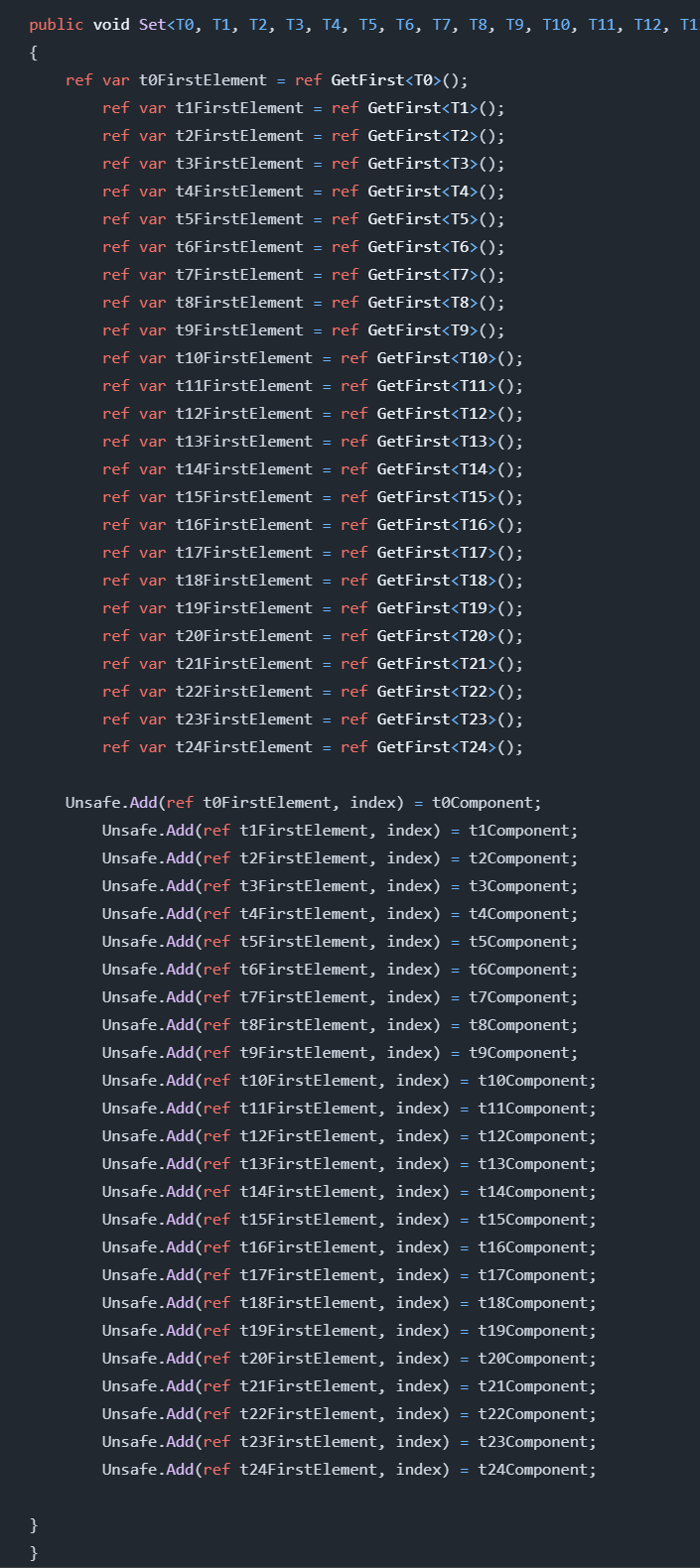
Someone discovered the hard way that generics exist for a reason. We're witnessing a developer manually calling GetFirst<T>() for TWENTY-FOUR different types and then passing each one to Unsafe.Add() individually. Like... bestie, have you heard of a loop? An array? A collection? Literally ANY data structure that doesn't require you to copy-paste the same line 24 times? This is what happens when you're so deep in the trenches that you forget basic programming principles. The sheer audacity of typing t0FirstElement , t1FirstElement , t2FirstElement ... all the way to t24FirstElement without once thinking "hmm, maybe I'm doing something wrong here" is truly breathtaking. Your keyboard is filing for workers' compensation as we speak. Fun fact: This code probably took longer to write than it would've taken to learn about iterating through a collection of types. But hey, at least it's... consistent? 💀

13 Year Old Me Really Liked Inefficient Code

13 Year Old Me Really Liked Inefficient Code
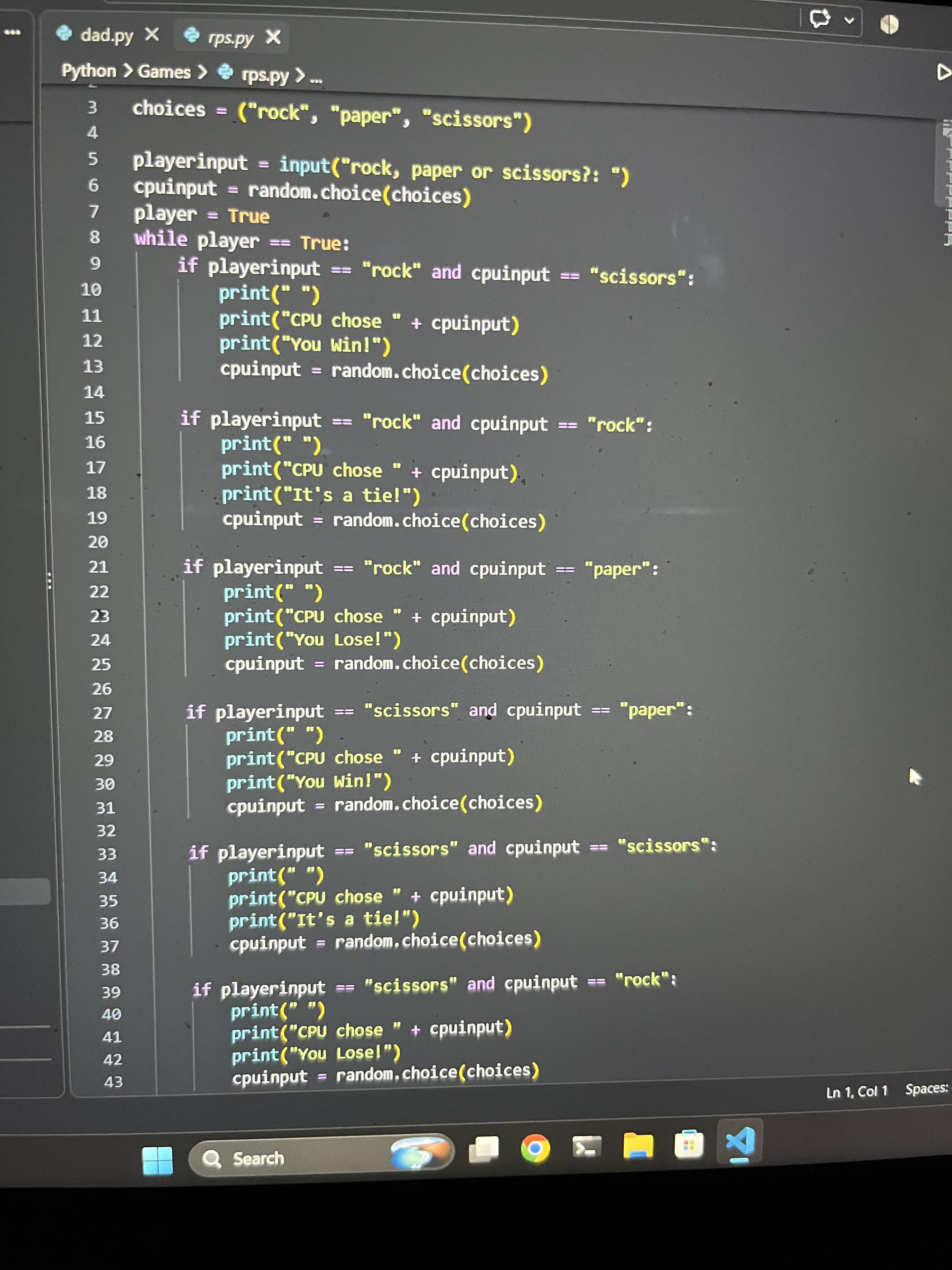
Someone really said "what if I manually hardcoded every single possible outcome in rock-paper-scissors instead of using, you know, basic logic?" Six separate if-statements checking every combination like they're getting paid per line of code. Rock beats scissors? Check. Rock ties with rock? Check. Rock loses to paper? Check. Now repeat for scissors... The beautiful part is that young programmers genuinely think more code = better code. Why write a simple win/loss comparison function when you can create a 40-line monstrosity that does the exact same thing? It's like using a sledgehammer to crack a walnut, except the sledgehammer is made of spaghetti code and the walnut is basic game logic. Fun fact: This could be reduced to like 5 lines with a dictionary/hashmap or even simpler with modulo arithmetic. But where's the fun in efficiency when you can manually type out every permutation like a human truth table?

Will It Give Me More Accurate Filename?

Will It Give Me More Accurate Filename?
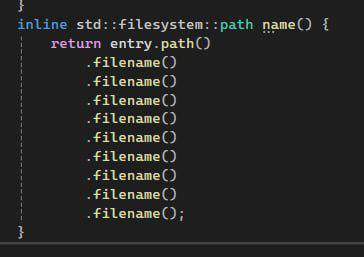
Someone really woke up and chose VIOLENCE against the filesystem API. Like, bestie, calling .filename() eight times in a row isn't going to make it magically more accurate—it's still the same filename, just with extra steps and existential dread! This is what happens when you're so deep in debugging hell that you start questioning reality itself. "Maybe if I ask it REALLY nicely... eight times... it'll finally tell me the REAL filename?" Spoiler alert: it won't. The path object isn't hiding some secret ultra-accurate filename from you on attempt number seven. It's giving "I tried turning it off and on again but make it code." The desperation is palpable, the logic is absent, and somewhere a code reviewer is weeping into their coffee.

Beelink SER5 MAX Mini PC,AMD Ryzen 7 6800U(up to 4.7 GHz,8C/16T),Mini Computer with 24GB LPDDR5/500GB M.2 PCle4.0 SSD,Support Triple Screen Display,WiFi6,BT5.4,Type-C,2.5Gbps LAN

Beelink SER5 MAX Mini PC,AMD Ryzen 7 6800U(up to 4.7 GHz,8C/16T),Mini Computer with 24GB LPDDR5/500GB M.2 PCle4.0 SSD,Support Triple Screen Display,WiFi6,BT5.4,Type-C,2.5Gbps LAN
[Compact and Powerful] The beelink mini pc measures 4.96*4.45*1.65 inches, which is suitable for placing next to the monitor and easy to carry. The beelink ser5 is equipped with AMD Ryzen 7 6800U 8-c…

Not Again 😭

Not Again 😭
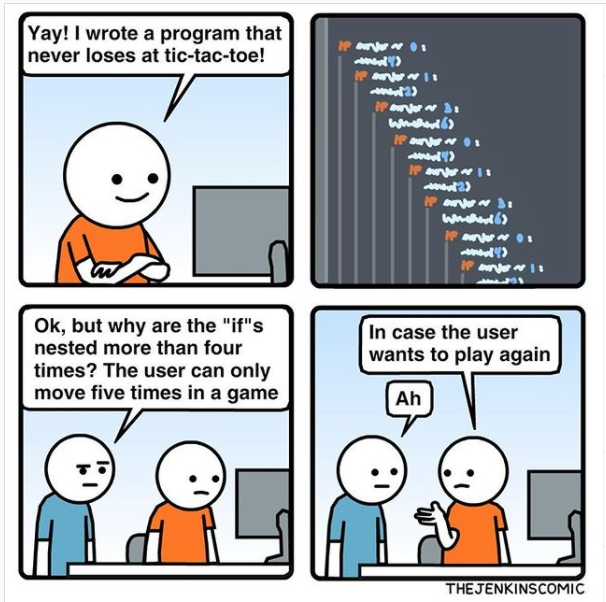
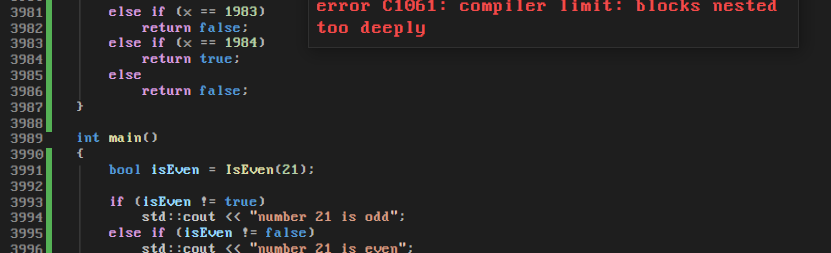
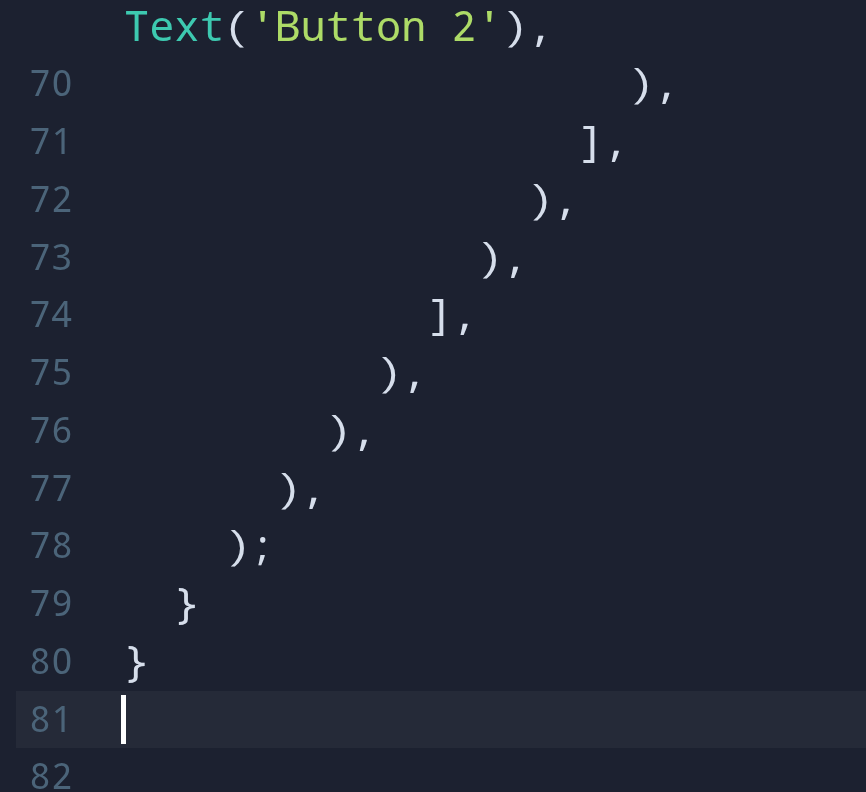
You know you've hit rock bottom when the compiler tells you your code has "blocks nested too deeply." Like, I'm just trying to check if a number is even with a simple boolean function, and apparently I've created the Inception of if-else statements. The real tragedy here? Someone wrote 4000+ lines of nested conditionals checking individual numbers (1983? 1984? really?) instead of just using modulo. That's not code, that's a cry for help. The compiler isn't even mad at this point—it's just disappointed. And honestly? Same. Pro tip: If your code looks like a staircase to hell and the compiler taps out before you do, maybe it's time to rethink your life choices. Or at least learn about the % operator.

The Most Passive Aggressive Type I Ever Encountered

The Most Passive Aggressive Type I Ever Encountered
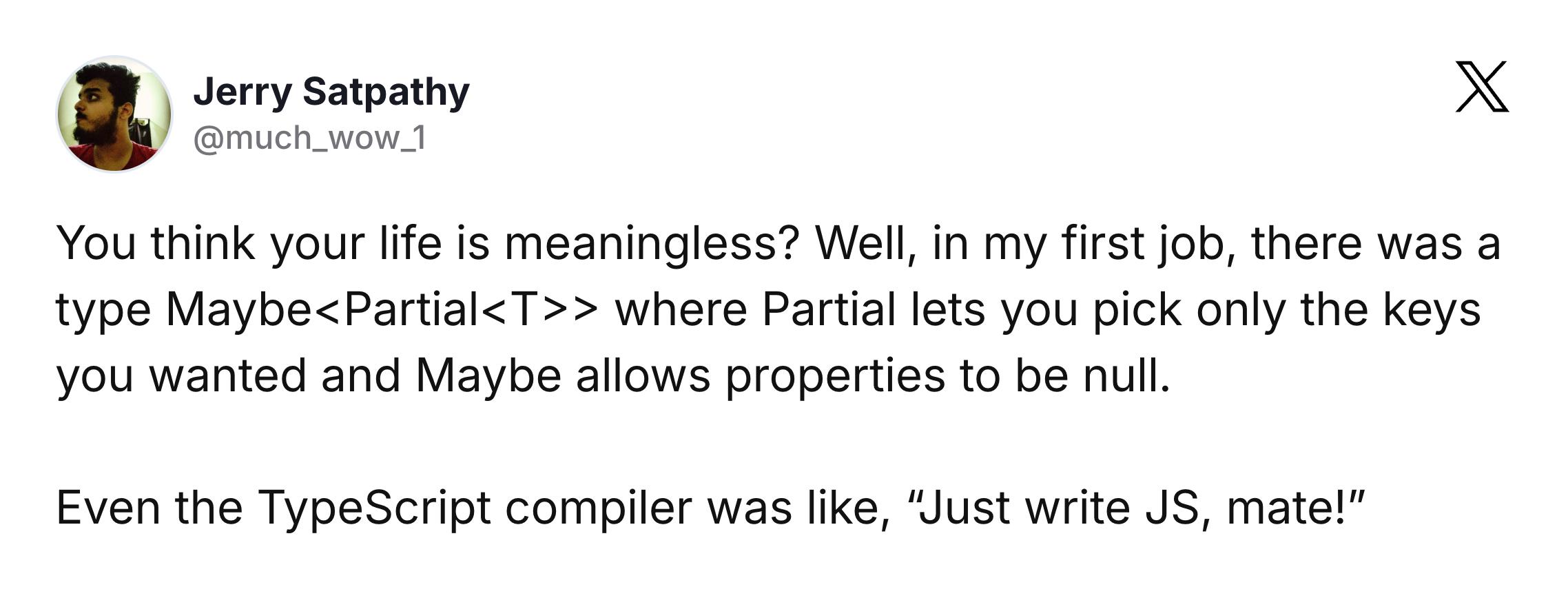
Someone created a Maybe<Partial<T>> type. Let that sink in. It's a type that says "here's your data, but also maybe not, and if it exists, it might only have some of the properties, and those properties? Yeah, they could be null too." It's the programming equivalent of responding to every question with "I don't know, maybe, who's to say really?" Even the TypeScript compiler threw its hands up and said "just write JavaScript at this point." When your type system is so permissive that it's functionally identical to having no types at all, you've come full circle. It's like buying a lock for your door that opens with any key, including no key. The real tragedy? Someone thought this was a good idea and shipped it to production. Somewhere, a junior dev is trying to debug why their object is undefined, null, partially defined, or all three simultaneously.

String To Integer Conversion

String To Integer Conversion
When someone discovers type casting exists but their brain refuses to accept it. Instead of using a simple intval() or (int) , this developer decided to manually map every possible string value to its integer equivalent. It's like reinventing the wheel, except the wheel is square and made of sadness. Best part? They're pulling from $_POST , so they're probably expecting user input. Can't wait to see what happens when someone enters "90" or literally any value not in their hardcoded if-statement pyramid. Spoiler: $transamount stays undefined and the app explodes. This is what happens when you learn programming from a 2003 PHP tutorial and never question anything.

Sonar Qube Scanning My Code

Sonar Qube Scanning My Code
SonarQube takes one look at your nested if-else statements and immediately starts questioning your life choices. That beautiful cascading waterfall of conditional logic you thought was "elegant"? Yeah, SonarQube just flagged it with a cognitive complexity score higher than your caffeine intake. The tool exists solely to roast your code quality and remind you that switch statements exist for a reason. Every developer thinks their code is clean until SonarQube shows up like a disappointed parent, pointing out your code smells, duplications, and security vulnerabilities you've been ignoring since 2019. Pro tip: That "else if" chain you're building? It's not a ladder to success—it's a stairway to technical debt. But hey, at least it passes the build, right? Right?

I Will Use It Later I Promise

I Will Use It Later I Promise
You know that variable you declared with such confidence, thinking "I'll definitely need this in a few lines"? Yeah, it's been sitting there for three months now, collecting dust while your IDE passive-aggressively underlines it in gray. The variable just wanted to be useful, to hold some data, maybe participate in a calculation or two. Instead, it's stuck in declaration limbo, watching all the other variables get to do cool stuff while it just... exists. And the worst part? You're too attached to delete it because "what if I need it later?" Spoiler: you won't. But you'll keep it anyway, like that gym membership you swore you'd use.

Thanks I Hate It

Thanks I Hate It
Someone decided to name a variable newItem and then immediately create another one called... newItem() . You know, the function. Because why have readable code when you can speedrun your coworker's mental breakdown? The real crime here is that this probably passed code review. Someone looked at this, shrugged, and clicked approve. Now you're stuck debugging why item isn't doing what you expect, only to realize you've been calling a constructor when you meant to reference the variable, or vice versa. This is the naming convention equivalent of parking across two spaces. Technically allowed, but deeply offensive to everyone around you.