It Will Be The End Of Me

It Will Be The End Of Me
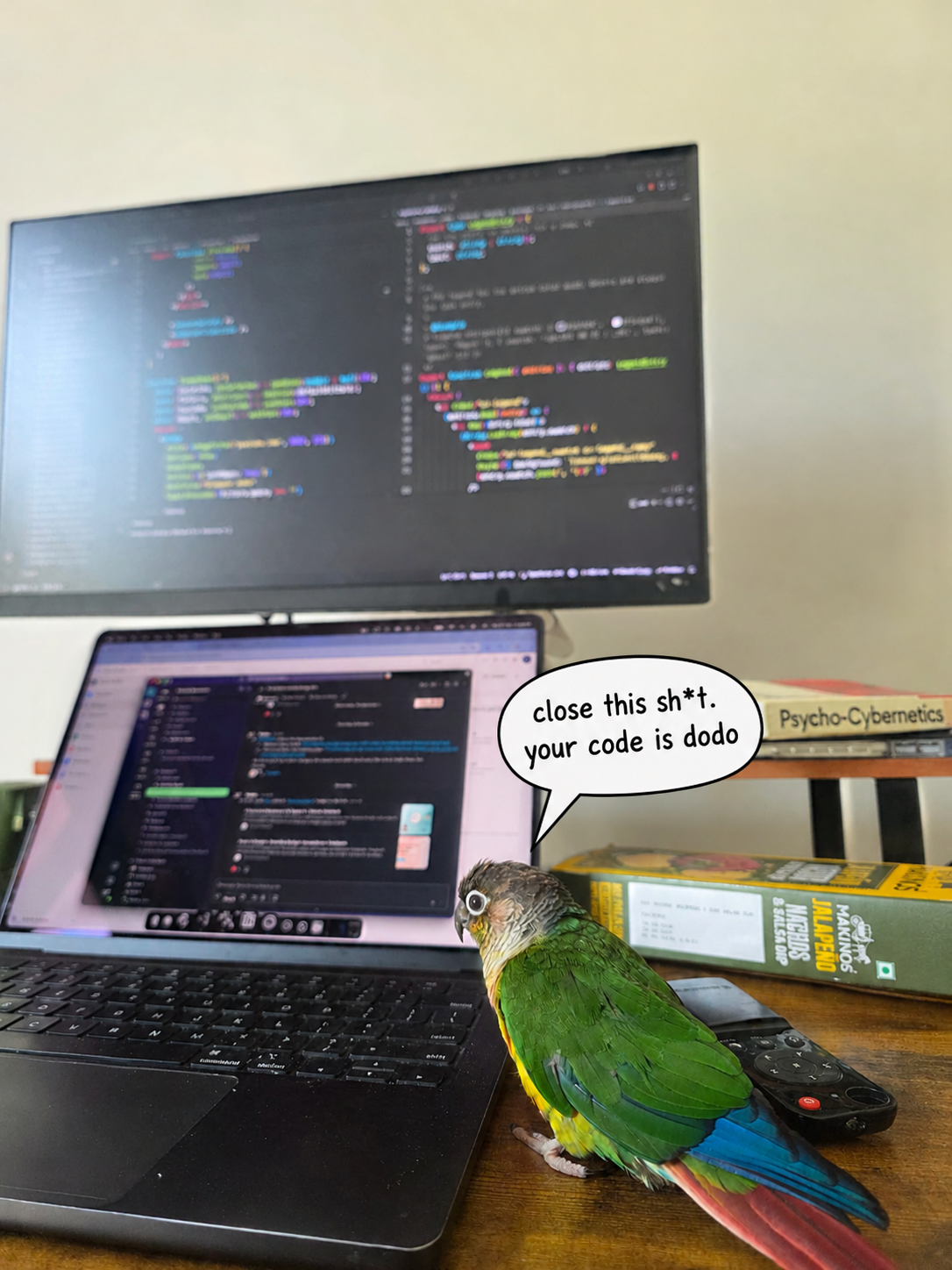
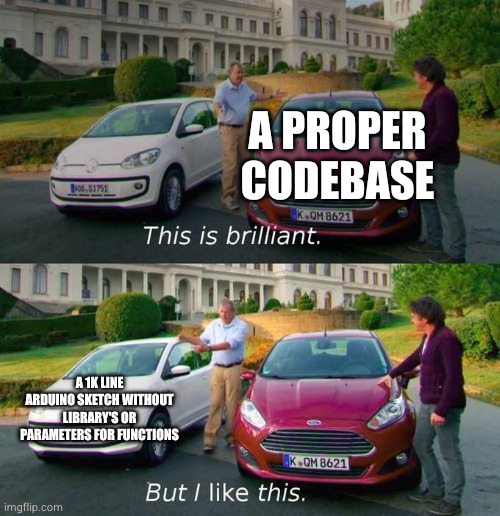
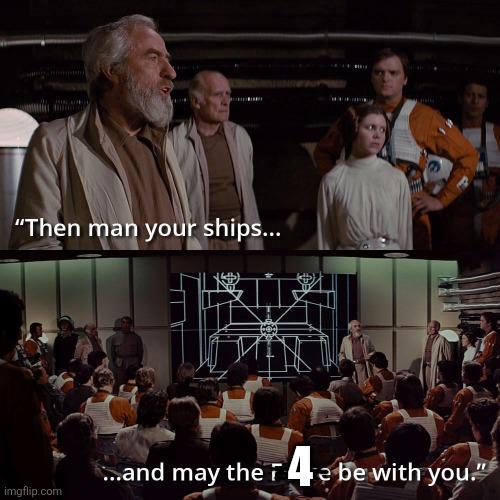
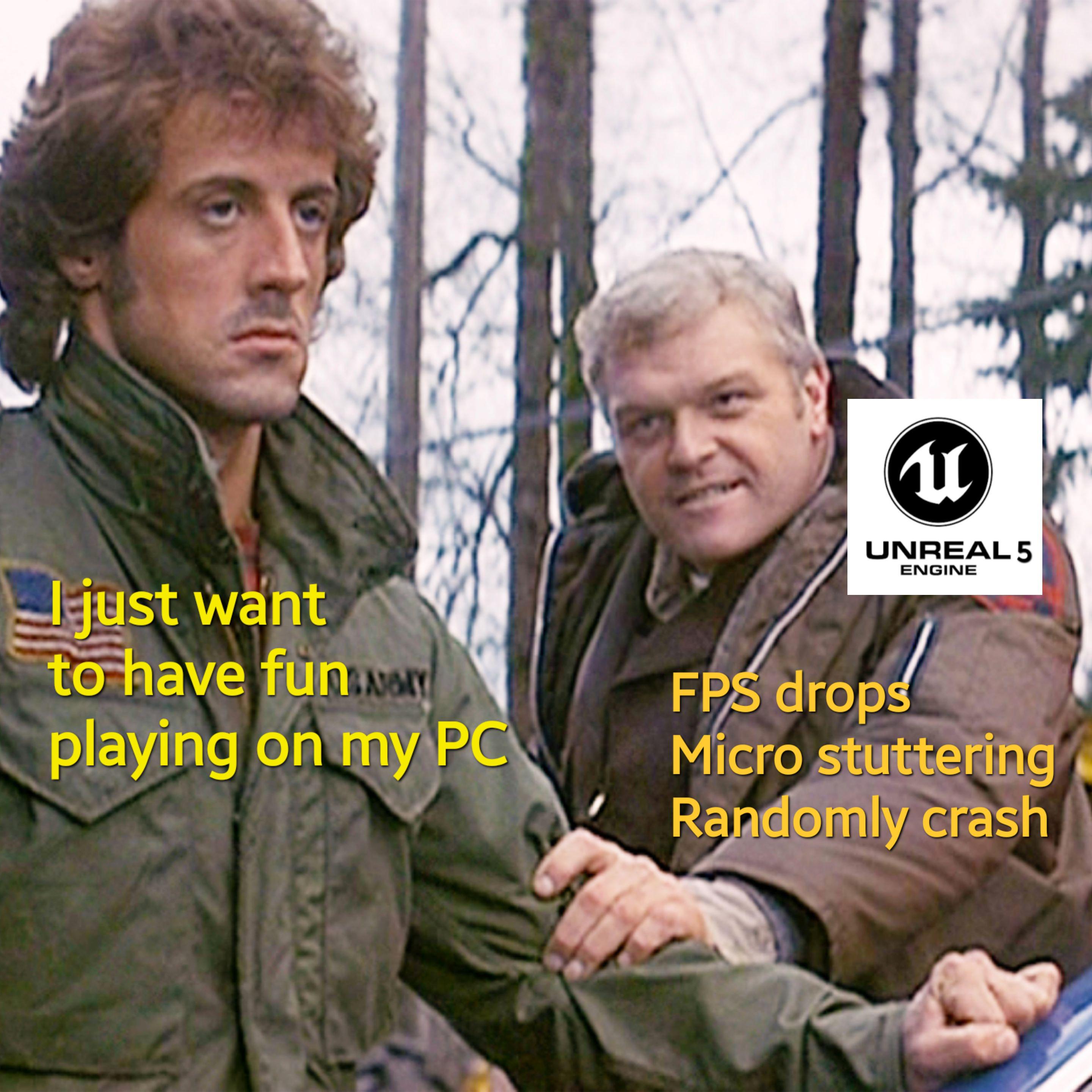
You know that moment when you stare at your screen, questioning your entire existence as a developer? You're supposed to be testing the code to find bugs, but instead you're watching your code expose every flaw in your logic, every shortcut you took, and every "I'll fix it later" comment from three months ago. The tests aren't just failing—they're personally attacking your life choices. That smug grin turning into existential dread perfectly captures the transition from "let's see if this works" to "why did I ever think I could code?" The real question isn't whether you're testing the code or the code is testing you—it's how long until you accept that the code won, and you're just along for the ride.

I Hate Microsoft

I Hate Microsoft
When you're so done with Microsoft's ecosystem that you're ready to pledge your soul to Valve and their Steam Deck running SteamOS (which is Linux-based, btw). The irony? You're basically begging a gaming company to save you from Windows updates, forced reboots, and the never-ending "We're getting things ready for you" screens. The best part is that SteamOS is built on Linux, so you're essentially saying "I'd rather learn Proton compatibility layers and fiddle with Wine prefixes than deal with one more Edge browser popup." And honestly? Valid. At least when Linux breaks, you chose to break it yourself.

Just Learn How To Write Code Yourself

Just Learn How To Write Code Yourself
So we've reached the point where "coders" who can't function without AI assistance are being told they have no business shipping software. The brutal honesty here is refreshing. It's like watching someone realize their entire skillset is just being really good at prompting ChatGPT. The vibe shift is real. We went from "AI will replace all programmers" to "if you need AI to write every line, you're not actually a programmer" faster than you can say "stack overflow copy-paste." Sure, AI is a tool—but if you can't debug, architect, or understand what the AI just generated, you're basically a glorified middleman between a language model and production. Tony Stark energy: "Learn the fundamentals or get out of my codebase."

What? I Pressed The Key...

What? I Pressed The Key...
Instructions say "press any key" and your brain immediately goes to the nuclear option. The power button is technically a key, right? Just a really consequential one that ends your session in the most dramatic way possible. Game developers write "press any key" thinking you'll hit spacebar or enter like a normal person. Instead, you're out here treating it like a multiple choice question where all answers are correct, including the one that shuts down the entire system. Classic case of taking requirements too literally—a skill every developer knows intimately from dealing with QA reports and user feedback. The blinking confusion afterwards is just *chef's kiss*. "But... I followed the instructions?"

As A True Devoloper

As A True Devoloper
The three CSS properties that solve approximately 87% of all frontend alignment issues. You don't need to understand flexbox theory, read the spec, or know what the "main axis" is. Just slap these three lines in and suddenly everything's centered like magic. Been doing this for years and still couldn't explain how it works if my life depended on it. Works every time though.

HTML Is Your Calm Friend, JavaScript Is Your Crazy Cousin

HTML Is Your Calm Friend, JavaScript Is Your Crazy Cousin
HTML just wants to chill on the seesaw with you, living its best static life. Then JavaScript shows up like that one friend who "just wants to help" and suddenly you're airborne, questioning all your life choices. HTML keeps things balanced and predictable—it's literally just markup, doing exactly what you tell it to do. But the moment JavaScript enters the chat, chaos ensues. Asynchronous callbacks, event bubbling, hoisting, closures... next thing you know, you're flying off into the void while JavaScript cheerfully waves goodbye. The progression from peaceful coexistence to absolute mayhem is basically every web developer's journey from "I'll just add a little interactivity" to "WHY IS UNDEFINED NOT A FUNCTION?!"

I Don't Need No Rolex

I Don't Need No Rolex
The beautiful irony here is chef's kiss. A subreddit that supposedly despises AI because it's driving up RAM prices (thanks to all those GPU-hungry models) just upvoted an AI-generated image to 25k+. The post shows RAM sticks strapped to a wrist like a luxury watch—because who needs a Rolex when you can flex your DDR5 modules? The PC Master Race crowd loves to complain about AI training inflating hardware costs, yet they can't resist a good meme... even when it's made by the very thing they claim to hate. It's like protesting McDonald's while eating a Big Mac. The hypocrisy is so thick you could mine it for crypto. Also, wearing RAM as a watch is actually peak PC culture—telling time is temporary, but 64GB of memory is forever (or until DDR6 drops).

Why Am I Doing This

Why Am I Doing This
You signed up for data science thinking you'd be building cool AI models and predicting the future, but NOPE—here you are, cramming optimization algorithms into your brain like it's finals week in calculus hell. Second-order optimization methods? Dynamic programming? Gradient descent variations? Girl, same. The existential crisis is REAL when you realize "fun with data" actually means memorizing mathematical nightmares that would make your high school math teacher weep with joy. Plot twist: nobody warned you that "data science" is just "applied mathematics with extra steps" in disguise. 📊💀

Interesting Problems Bring Management Headaches

Interesting Problems Bring Management Headaches
The moment you utter the word "interesting" about a bug or technical challenge, your manager's fight-or-flight response kicks in. To you, it means you found something intellectually stimulating that might require some creative problem-solving. To them, it translates to: delayed timelines, scope creep, potential system meltdowns, and having to explain to stakeholders why the "simple feature" is now a three-week research project. Developers live for these moments—the weird edge cases, the bizarre race conditions, the "wait, that shouldn't even be possible" scenarios. Management lives in fear of them. It's the eternal conflict between curiosity and deadlines, between engineering elegance and shipping code that just works™.

Microsoft In The 90s Vs Today

Microsoft In The 90s Vs Today
Remember when Microsoft was the unstoppable titan that had governments filing antitrust lawsuits because they were too dominant? Yeah, those were the days. Back in the 90s, they were flexing hard with Windows 95, crushing Netscape, and basically owning the entire desktop market like a monopolistic bodybuilder. Fast forward to today, and they've gone from "our OS will dominate the world" to desperately begging you to try their AI chatbot. "Please use Bing! We added ChatGPT! Look, Copilot can write your emails!" It's like watching a former heavyweight champion now selling protein shakes on Instagram. The transformation is wild—from antitrust villain to the company that's just happy you're using Edge (which is just Chrome with extra steps anyway). They went from "embrace, extend, extinguish" to "embrace open source and pray people notice us."

Does Anyone Here Actually Want AI Baked Into The OS

Does Anyone Here Actually Want AI Baked Into The OS
Microsoft announces they're adding AI to Windows. The crowd goes absolutely feral trying to escape. It's like watching rats flee a sinking ship, except the ship is your operating system and the water is Copilot suggestions you never asked for. Nobody wanted Clippy. Nobody wanted Cortana. And yet here we are again, with Microsoft insisting that what your OS really needs is an AI assistant that'll probably hallucinate your file paths and suggest you rewrite your PowerShell scripts in a "more creative way." Can't wait for my kernel to start giving me motivational quotes during BSOD. The best part? They'll make it impossible to uninstall, just like Edge.

Whoever Came Up With Rule Eight Seek Help

Whoever Came Up With Rule Eight Seek Help
Rule 8 of PEP 8 (Python's style guide) says you should limit all lines to a maximum of 79 characters. Yeah, 79. Not 80, not 100, not even a nice round number. Just... 79. Like someone rolled a dice and said "close enough." So naturally, when you're reviewing code and see those beautiful 200-character one-liners that do everything including making coffee, you're legally obligated to tell them they're the worst programmer ever. And then you hire them anyway because let's be real—anyone who can fit that much logic into one line is either a genius or completely unhinged, and both are valuable in this industry. The real kicker? We all pretend to follow it during code reviews while our own code looks like we're being charged per newline.