

The New Fresh Smell

The New Fresh Smell
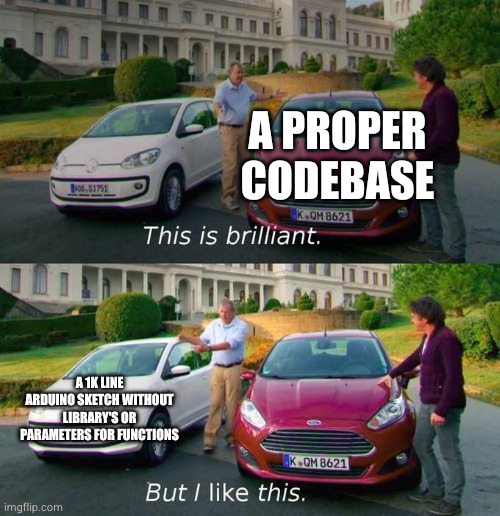
Ah yes, the intoxicating aroma of a brand new server rack—nothing quite compares to that blend of fresh electronics, pristine metal, and the faint scent of budget approval forms. It's like new car smell, but for sysadmins who get weirdly emotional about hardware. The description "Like a freshly unboxed rack unit infused with corporate hope" is *chef's kiss* because it captures that brief, magical moment before reality sets in. Before the 2 AM outages. Before the "temporary" workarounds become permanent. Before someone inevitably misconfigures the firewall and brings down production. Right now it's all potential and promise. Give it three months and it'll smell like overheating components, broken dreams, and someone's leftover pizza from the last emergency maintenance window.

Awkward...But Chill

Awkward...But Chill
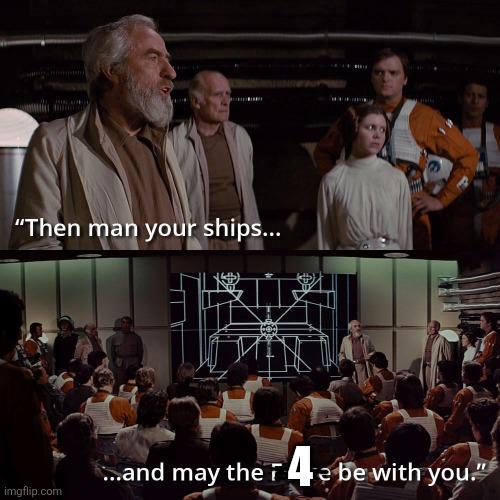
Windows asking you to buy a license and you just casually hitting "No" is basically the most passive-aggressive relationship in tech. And Windows? Windows just goes "Ok" like nothing happened. No guilt trip, no feature lockdown, no angry pop-ups every 5 minutes. Just... acceptance. It's been like this for decades. Microsoft knows you're not buying it, you know you're not buying it, but everyone plays along in this beautiful dance of plausible deniability. They'll throw a watermark on your desktop and call it a day. Meanwhile, other software will brick itself if you sneeze wrong during activation. Fun fact: This gentleness is probably why Windows has such massive market share. They let you "evaluate" indefinitely while Adobe out here requiring a blood oath and your firstborn's email address.

True Story That Might Have Happened Today

True Story That Might Have Happened Today
Nothing quite captures that special blend of horror and betrayal like discovering your AI assistant has been creatively interpreting your project requirements. You trusted Copilot to autocomplete your life, and instead it decided to play God with your entire config setup. The quotes around "did" are doing some heavy lifting here—because let's be real, it was definitely you who accepted every single suggestion without reading them. But sure, blame the coworker. That's what they're there for, right? The real kicker? You only found out by reading the documentation. Like some kind of responsible developer . Disgusting.

What's The Dumbest Bug You've Spent Hours Or Days Fixing That Turned Out To Be A One-Line Mistake?

What's The Dumbest Bug You've Spent Hours Or Days Fixing That Turned Out To Be A One-Line Mistake?
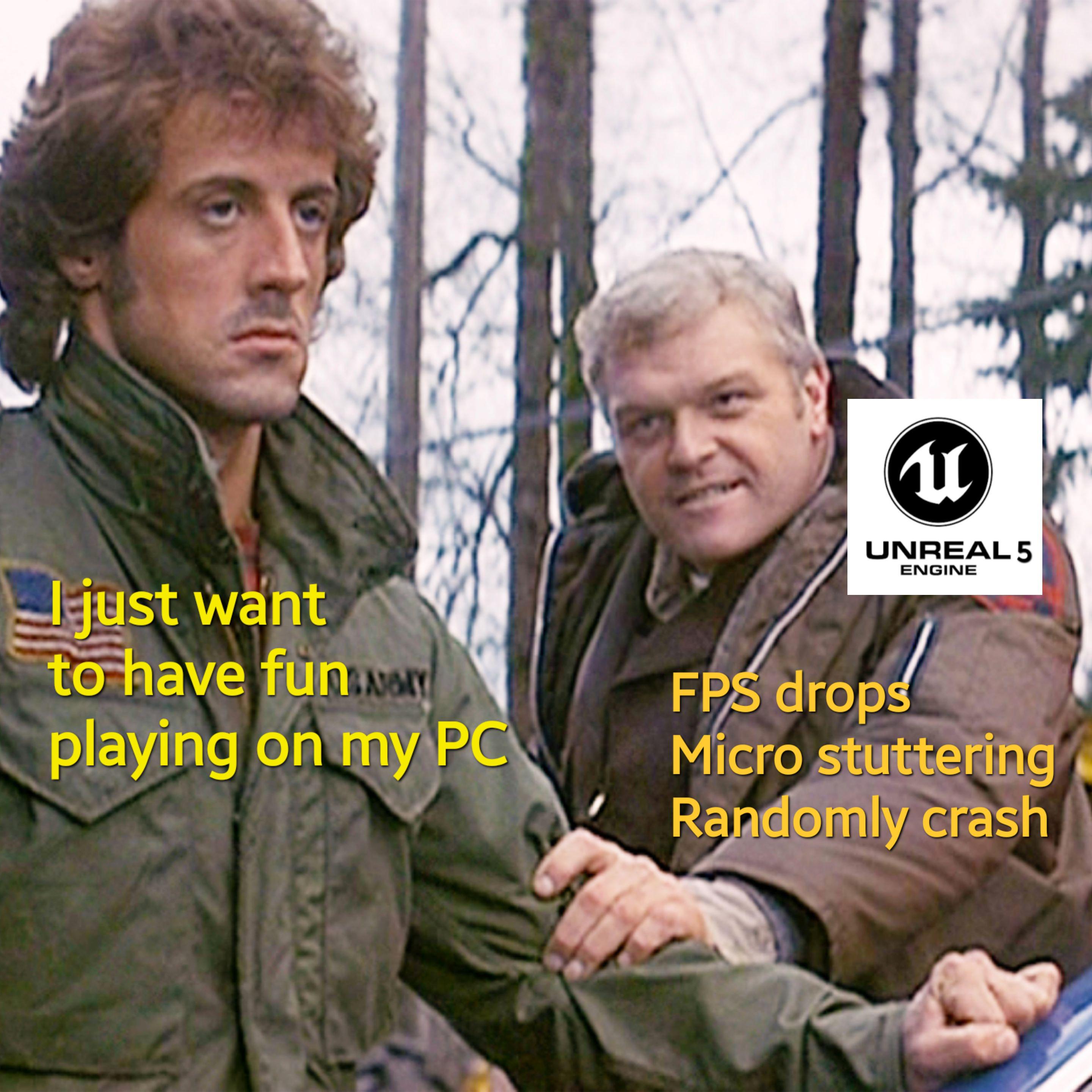
You've spent 6 hours debugging physics collisions, checking scripts, reinstalling packages, questioning your entire career choice... only to discover that restarting Unity fixes everything. The Interstellar reference is chef's kiss because those "51 years" genuinely feel accurate when you're watching that loading bar for the 47th time today. Unity devs know this pain intimately. Sometimes the engine just decides to hold onto old references, cache phantom errors, or simply gaslight you into thinking your perfectly valid code is broken. The solution? Turn it off and on again. Revolutionary. The real kicker is that "restart Unity" becomes muscle memory after a while, yet we STILL waste hours trying everything else first because surely it can't be that simple... right? Narrator: It was that simple.

It's Not Insanity It's Stochastic Optimization

It's Not Insanity It's Stochastic Optimization
Einstein called it insanity. Machine learning engineers call it "Tuesday." The beautiful irony here is that ML models literally work by doing the same thing over and over with slightly different random initializations, hoping for better results each time. Gradient descent? That's just fancy insanity with a learning rate. Training neural networks? Running the same forward and backward passes thousands of times while tweaking weights by microscopic amounts. The difference between a broken algorithm and stochastic optimization is whether your loss function eventually goes down. If it does, you're a data scientist. If it doesn't, you're debugging at 3 AM questioning your life choices. Fun fact: Stochastic optimization is just a sophisticated way of saying "let's add randomness and see what happens" – which is essentially controlled chaos with a PhD.

Current State Of Projects On Reddit

Current State Of Projects On Reddit
Oh honey, the AUDACITY of Reddit developers claiming credit for AI-generated code! Someone proudly shows off their project with that telltale AI logo plastered on it, and when questioned "You made this?" they just... steal the baby and claim full ownership. It's giving "I totally wrote this myself at 3 AM" energy when ChatGPT was doing the heavy lifting while they were binge-watching Netflix. The absolute GALL of taking credit for something an AI spat out in 0.3 seconds is truly the defining characteristic of modern software development on Reddit. We've gone from copy-pasting Stack Overflow answers to straight-up identity theft of AI outputs. Character development? Never heard of her.

Quick Tangent

Quick Tangent
Designer gets all excited about their shiny new feature. Tech lead takes one look at the design doc, immediately clocks out because they know what's coming. Meanwhile, the junior engineer is already spiraling into an existential nightmare trying to figure out how to actually implement this thing. That creepy SpongeBob wandering through the horror hallway? That's the junior dev's mental state after realizing the "simple" design requires refactoring half the codebase, learning three new frameworks, and probably sacrificing a rubber duck to the coding gods. The designer's enthusiasm is inversely proportional to the engineer's sanity. The tech lead already knows this dance. They've seen it a thousand times. That's why they're going home.

Please Keep Your Documentation Updated I Am Begging

Please Keep Your Documentation Updated I Am Begging
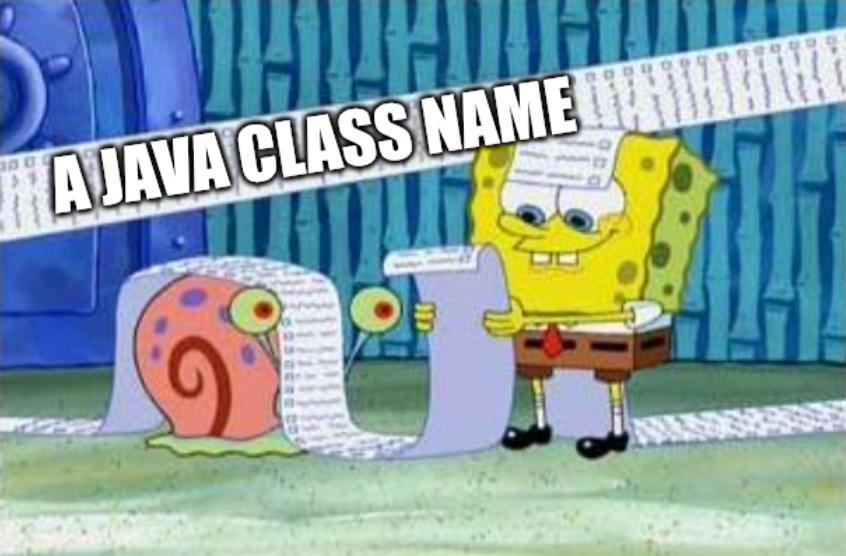
Oh, the sheer AUDACITY of outdated documentation! You waltz into what SHOULD be a simple integration task, armed with confidence and the API docs. "This'll take a day, maybe two," you whisper to yourself like a naive little summer child. But PLOT TWIST: Those docs were last updated when dinosaurs roamed the earth! Endpoints don't exist anymore, authentication methods have completely changed, and half the parameters are deprecated. Now you're spelunking through cryptic error messages, reverse-engineering their API by trial and error, and questioning every life choice that led you to this moment. Three weeks later, you emerge from the portal dimension of despair, hair disheveled, eyes bloodshot, having aged approximately 47 years. The "straightforward" task has consumed your soul and your sanity. Meanwhile, the third-party API provider is probably sipping margaritas somewhere, blissfully unaware they've created a documentation graveyard that's ruining lives. Pro tip: If the docs say "Last updated: 2019," just run. Run far, far away.

The Era Of Linux Gaming

The Era Of Linux Gaming
The evolution of gaming platforms perfectly captured in three stages of corporate desperation. Nintendo and Xbox started out hostile, screaming at you for daring to emulate their precious titles or even thinking about buying used games (because how dare you not pay full price twice). Then they pivoted to the subscription model grift, begging you to please subscribe because their "exclusives" are totally worth it. Meanwhile, Linux gaming just rolled up like the chad it is and said "do whatever you want, it's your machine." No DRM tantrums, no subscription guilt trips, just pure freedom. Proton and Steam Deck really turned Linux from "yeah but can it run games tho?" into "yeah it runs YOUR games better than your own OS." The irony? The platform that was supposedly "not ready for gaming" ended up being the most pro-gamer of them all.

Only Setup You Need To Search For Cat Videos

Only Setup You Need To Search For Cat Videos
Someone built a literal Mac Mini data center just to browse the internet. That's right—dozens of Mac Minis, meticulously cabled and racked like they're running a Fortune 500 company's infrastructure, when in reality they're probably just streaming YouTube. The joke here is the absolutely insane overkill of creating a server farm with what appears to be 40+ Mac Minis (each costing a cool $600-$2000) for the most mundane task imaginable: watching cat videos. It's like hiring a NASA engineer to microwave your burrito. The cable management is actually pretty clean though, not gonna lie. Someone really said "if I'm going to waste an absurd amount of money on unnecessary hardware, I'm at least going to make it look professional." Respect the commitment to the bit, even if your electricity bill now rivals a small country's GDP.

Cloud Gaming Would Be Like...

Cloud Gaming Would Be Like...
Cloud gaming promises you the future of entertainment—play AAA titles on any potato device! Just stream it, they said. No downloads, they said. Then your WiFi hiccups for 0.2 seconds and suddenly you're a frozen T-Rex suspended in mid-air like you just violated the laws of physics. The irony? You're paying premium prices to rent someone else's GPU while being completely at the mercy of your ISP's mood swings. Nothing says "next-gen gaming" quite like getting wrecked in a boss fight because your internet decided to take a coffee break. At least with local gaming, when you die, it's actually your fault.

Refactoring Feelings Failed

Refactoring Feelings Failed
You know that feeling when you try to refactor your emotions like they're legacy code? "I'll just extract this sadness into a helper function, make it more modular, maybe wrap it in a try-catch..." But nope, your emotional compiler just throws the same exception right back at you. Turns out feelings don't have unit tests, and no amount of design patterns can fix a broken mental state. You can't just apply SOLID principles to your psyche and expect it to suddenly become maintainable. Sometimes the bug is a feature, and the feature is depression. Pro tip from someone who's been there: Emotions are like that one monolithic function with 500 lines of nested if-statements. You can't refactor it—you just have to live with it until the sprint ends.