


Nvidia Ceo Tim Cook Unveils New Rtx Lineup During Keynote

Nvidia Ceo Tim Cook Unveils New Rtx Lineup During Keynote
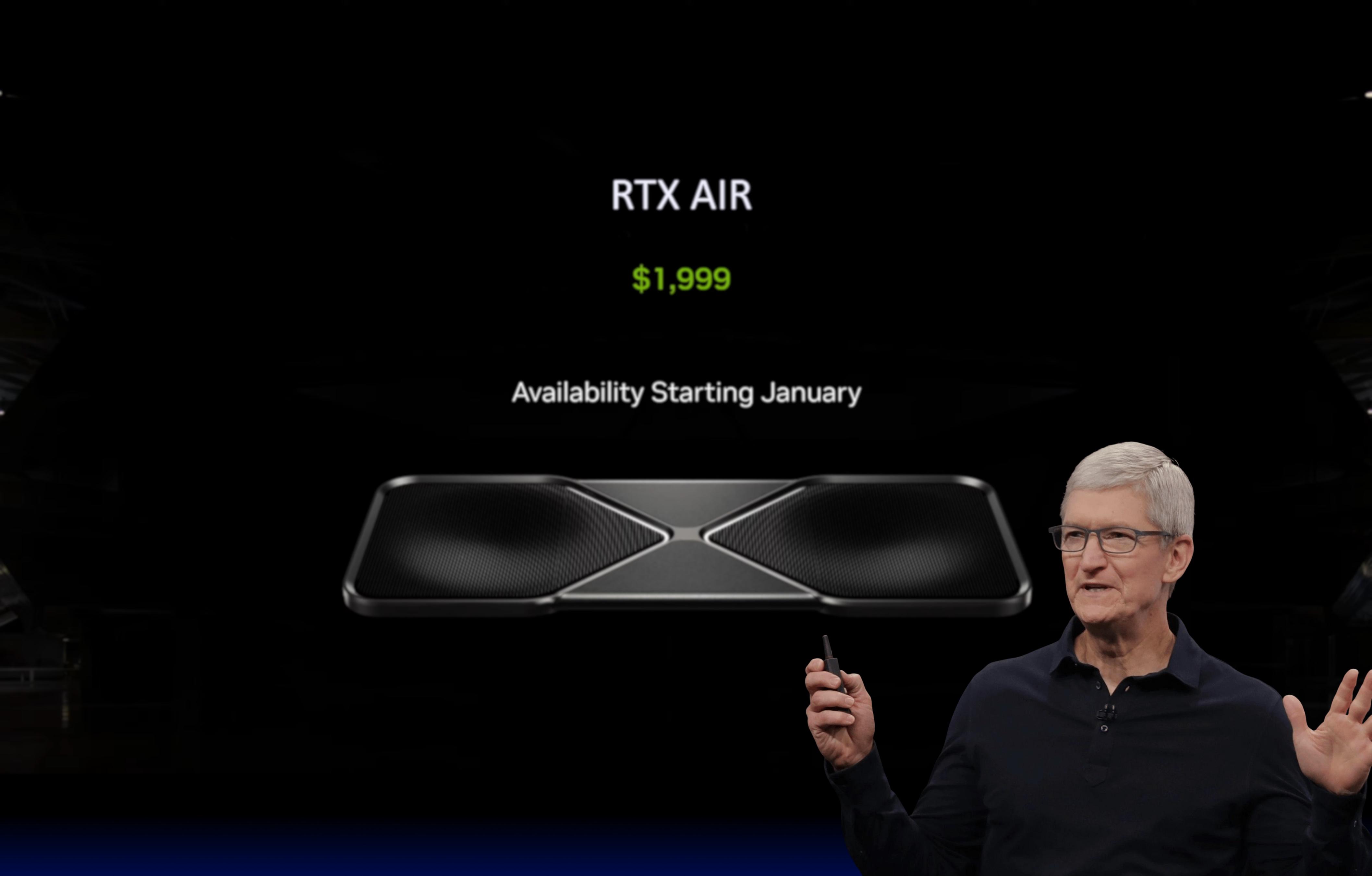
The ultimate tech industry crossover that nobody asked for but everyone needs. Tim Cook (Apple's CEO, not Nvidia's Jensen Huang) is presenting what appears to be an RTX graphics card styled like an iPhone or MacBook Air, complete with that iconic Apple minimalist aesthetic and the classic "$1,999" price tag that makes your wallet cry in Cupertino. The joke hits on multiple levels: Apple's notorious premium pricing strategy meets Nvidia's already eye-watering GPU prices. Imagine paying two grand for what's basically an "RTX Air" – thinner, lighter, and probably throttles performance to preserve that sleek design. No headphone jack for your GPU fans, obviously. Sold separately: the $299 DisplayPort to USB-C dongle you'll need to actually connect it to a monitor. The "Availability Starting January" is chef's kiss – because whether it's Apple or Nvidia, you know there'll be supply shortages and scalpers camping outside stores. At least it would come in Space Gray?

Vibe Coders Be Like

Vibe Coders Be Like
When a senior designer at Figma looks at a Winamp interface and goes "nah, we don't know how to build it," you know we've reached peak absurdity. The same people who can create pixel-perfect gradients and micro-interactions are suddenly stumped by... *checks notes* ...a music player from 2001. But here's the kicker: the reply is absolutely brutal and correct. That Winamp UI with its glorious equalizer sliders and skeumorphic buttons genuinely looks better than most modern apps with their flat, minimalist, "we removed all the features for your convenience" design philosophy. Sometimes "we don't know how to do it" is just code for "we've convinced ourselves that less is more, even when it's objectively worse." The real tragedy? We went from "it really whips the llama's ass" to "here's another subscription-based streaming service with a generic interface." Progress, ladies and gentlemen.

The Real Reason Why Nvidia's CEO Jensen Huang Resigned Today

The Real Reason Why Nvidia's CEO Jensen Huang Resigned Today
Jensen announces his resignation, and naturally, the entire GPU-starved AI community breaks down crying like the Doge meme. But wait—plot twist! November 19th rolls around and there he is, leather jacket on, PS5 controller in hand, ready to grind GTA VI. The joke here is that Jensen supposedly resigned just to have time to play GTA VI on launch day. Because when you're the CEO of a trillion-dollar company powering the entire AI revolution, sometimes you just need to prioritize stealing virtual cars over shipping H100s. The man's got his priorities straight—who needs to revolutionize computing when you can finally experience the next-gen graphics your own GPUs are rendering? Also, the subtle savagery of showing a PS5 copy when Nvidia literally makes the GPUs that would run this game at 4K 240fps on PC is *chef's kiss*.

Going Places Not Management But Places

Going Places Not Management But Places
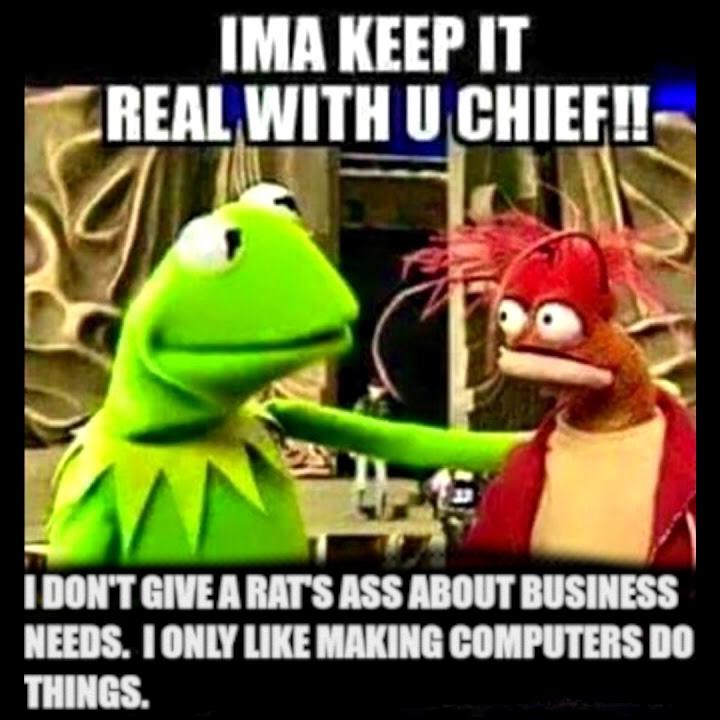
That beautiful moment during a performance review when your manager starts talking about "aligning with business objectives" and "stakeholder synergy" and you're just sitting there thinking about that gnarly algorithm you want to optimize. Some of us got into this field because we genuinely enjoy making machines bend to our will, not because we dream of quarterly revenue targets and cross-functional collaboration matrices. The career ladder? Sure, I'll climb it. But only if each rung gets me closer to more interesting technical problems, not PowerPoint presentations.

How Do We Fix It

How Do We Fix It
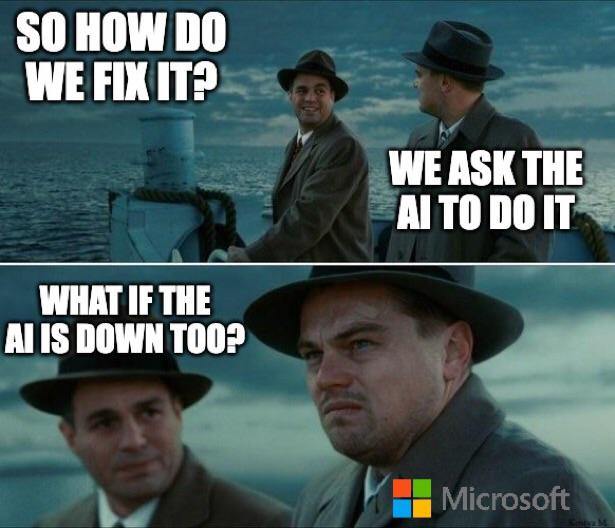
The modern developer's dependency stack has reached peak absurdity. We've gone from "let's fix the bug" to "let's ask ChatGPT to fix the bug" to the existential crisis of "what happens when our AI crutch goes offline?" It's like we've collectively forgotten how to debug without asking an LLM to explain our own code back to us. The real kicker? Even Microsoft—who literally owns GitHub Copilot—knows we're all doomed if the AI services go down. We've built our entire workflow on a foundation that requires constant internet connectivity and prayer that OpenAI's servers are having a good day. Plot twist: when the AI is down, you actually have to read the error message yourself. Revolutionary concept, I know.

Just A Trend

Just A Trend
Game devs reviewing submissions be like "runs in browser? Instant reject." Meanwhile the rest of us are out here celebrating not having to download a 50GB executable just to play a 2-minute indie game. Browser-based games are basically the participation trophies of game development—sure, they're accessible and convenient, but they'll never get the respect of a native build. It's like showing up to a car show with a bicycle. Functional? Yes. Impressive? Not quite. The gaming community's gatekeeping is so strong that even if your browser game cures cancer, they'll still ask "yeah but can it run Crysis?"

BoxWave Adapter Compatible with Elgato Stream Deck MK.2 - USB-A to C PortChanger (5-Pack), Type-C OTG Convert Charging Data Adapter - Metallic Silver

BoxWave Adapter Compatible with Elgato Stream Deck MK.2 - USB-A to C PortChanger (5-Pack), Type-C OTG Convert Charging Data Adapter - Metallic Silver
🔄 [PORT CONVERSION] BoxWave Adapter Compatible With Elgato Stream Deck MK.2. The USB-A to C PortChanger adapter converts your traditional USB-A Port into an updated USB-C Port! This PortChanger featu…

No Emails Time To Compile

No Emails Time To Compile
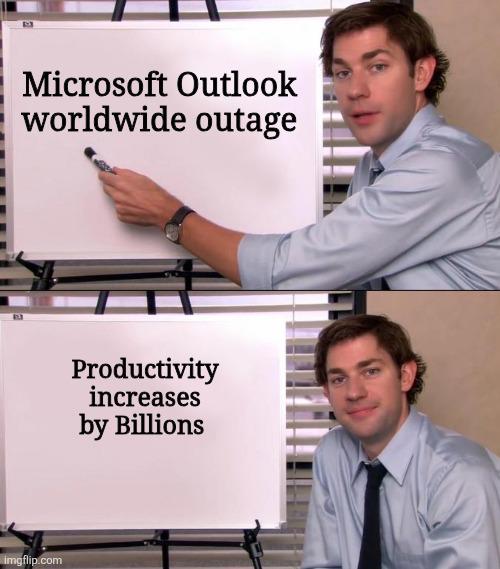
When Microsoft Outlook decides to take a permanent vacation, developers everywhere suddenly discover they have *actual time* to do their jobs. No endless email chains about meetings that could've been Slack messages? No urgent "quick question" that derails your entire flow state? Just you, your code, and the sweet sound of the compiler doing its thing while you pretend to look busy. Productivity doesn't just increase—it SKYROCKETS into the stratosphere because turns out, when you're not drowning in corporate communication theater, you can actually... *gasp*... write code. Who knew?!

When You Retire A Legacy System

When You Retire A Legacy System
Imagine thinking you can just casually sunset a legacy system that's been holding the entire infrastructure together like some kind of digital Atlas. Plot twist: turns out that ancient relic wasn't just running one thing—it was THE ENTIRE FOUNDATION OF CIVILIZATION. The FAA replacing floppy disks in 2027? That's not a typo, that's a DOCUMENTARY. We're talking about systems so old they make COBOL look like the hot new framework. And when they finally decide to upgrade, the whole sky literally falls down. Flights grounded, airports stopped, chaos reigning supreme—all because someone dared to touch the sacred floppy disk shrine. The skeleton turning into dust is literally every senior dev who warned "don't touch it, it just works" finally being vindicated from beyond the grave. They KNEW. They always knew that one day someone would get brave, decommission that crusty old mainframe running on prayers and punch cards, and watch the entire operation crumble into oblivion. Legacy systems: they're terrible, outdated, and absolutely irreplaceable. Welcome to tech infrastructure, where everything is held together by duct tape and the fear of God.

Guys, How Do You React On Recruiters' Spam?

Guys, How Do You React On Recruiters' Spam?
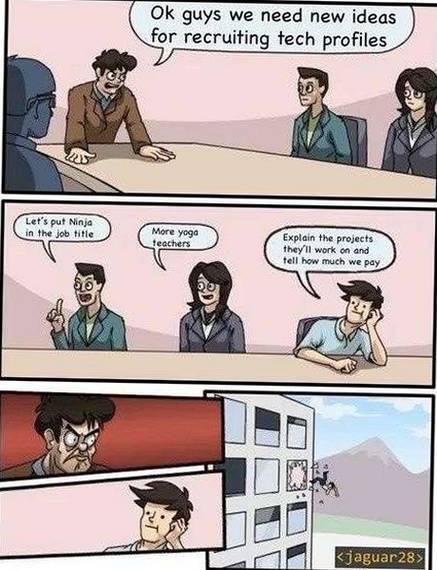
The boardroom meeting where someone suggests actually treating developers like humans with real accomplishments instead of keyword-matching bots. Naturally, they get defenestrated for such heresy. Because nothing says "we value your expertise" quite like a recruiter who clearly didn't read your profile, offers you a "ninja" role with "rockstar" potential, asks about your yoga teaching experience when you're a backend engineer, and promises "competitive pay" (spoiler: it's not competitive). The person suggesting they actually explain the projects and compensation? Yeah, that's too much transparency for the recruiting industrial complex. Out the window you go.

At Least We Can Trust Google

At Least We Can Trust Google
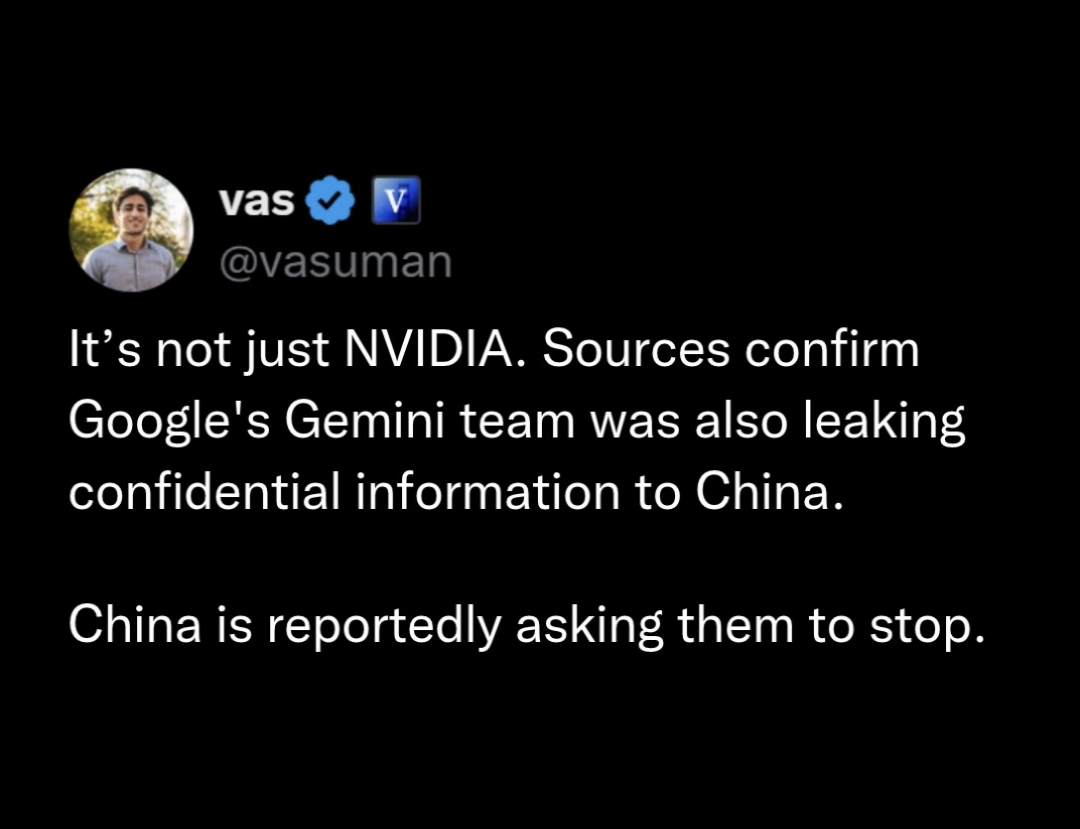
So Google's Gemini team is allegedly leaking confidential info to China, and China's response is basically "bro, please stop sending us your secrets." The irony is chef's kiss level. It's like a spy thriller where the spy is so incompetent that the enemy has to file a restraining order. First NVIDIA had security issues, now Google's AI division is apparently playing fast and loose with data security. At this rate, the tech industry's approach to confidentiality is less "need-to-know basis" and more "literally everyone will know eventually." Maybe we should just start hosting our secrets on GitHub public repos—at least then it's intentional. The title "At Least We Can Trust Google" is doing some Olympic-level sarcasm gymnastics here. Trust Google? Sure, right after I trust my code to work on the first compile.

Logitech for Creators Vocal Condenser Microphone, USB Type-A, Blackout (988-000521) (Renewed)

Logitech for Creators Vocal Condenser Microphone, USB Type-A, Blackout (988-000521) (Renewed)

Aged Like Milk

Aged Like Milk
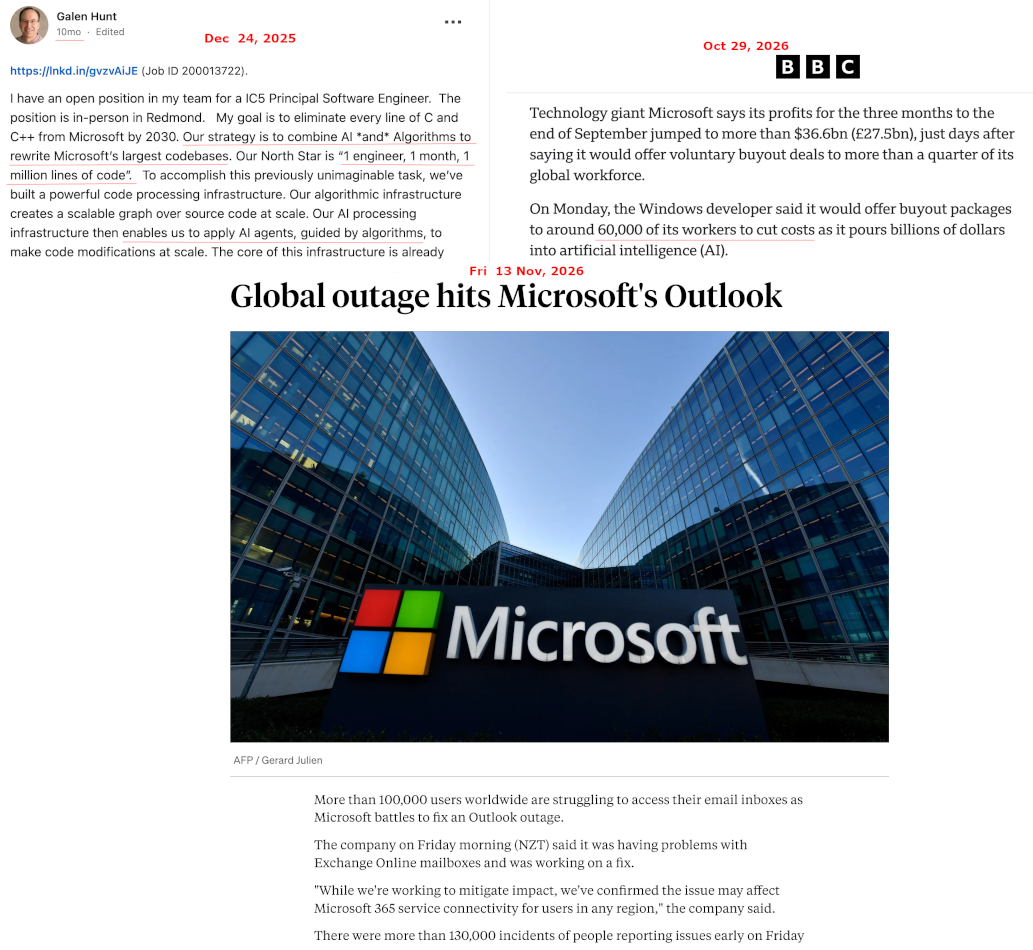
So Microsoft wanted to eliminate C and C++ by 2030 using AI and algorithms to rewrite their "largest codebase" (spoiler: they have millions of lines of code). Fast forward less than two years and they're literally offering buyouts to 60,000+ employees while their own infrastructure can't even keep Outlook running. The irony is chef's kiss: they were gonna use AI to replace legacy code, but instead AI investments helped drain their budget so hard they had to cut a quarter of their workforce. And then their systems went down anyway. Turns out you can't algorithm your way out of technical debt when you're simultaneously hemorrhaging billions into AI hype. The job posting is peak corporate delusion—"1 engineer, 1 month, 1 million lines of code" with AI agents. Meanwhile in reality: global outages, mass layoffs, and probably some poor engineer somewhere still maintaining that C++ code they wanted to eliminate.

Control Z

Control-Z
That beautiful moment when you rage-quit in a blaze of glory, hit send on your resignation email, and then immediately realize... nobody's seen it yet. Time to frantically spam Ctrl+Z like your career depends on it. Because it does. We've all been there—one bad sprint review away from torching the whole place. But here's the thing: email clients aren't code editors. There's no undo stack. No git revert. Just you, your impulsive decisions, and maybe a 30-second "recall" window if you're lucky and everyone's on the same Exchange server. Pro tip from someone who's seen this play out: enable that "undo send" feature in Gmail. Future you will thank present you when the production server goes down at 4:58 PM on a Friday.