ux Memes

How Software Is Used

How Software Is Used
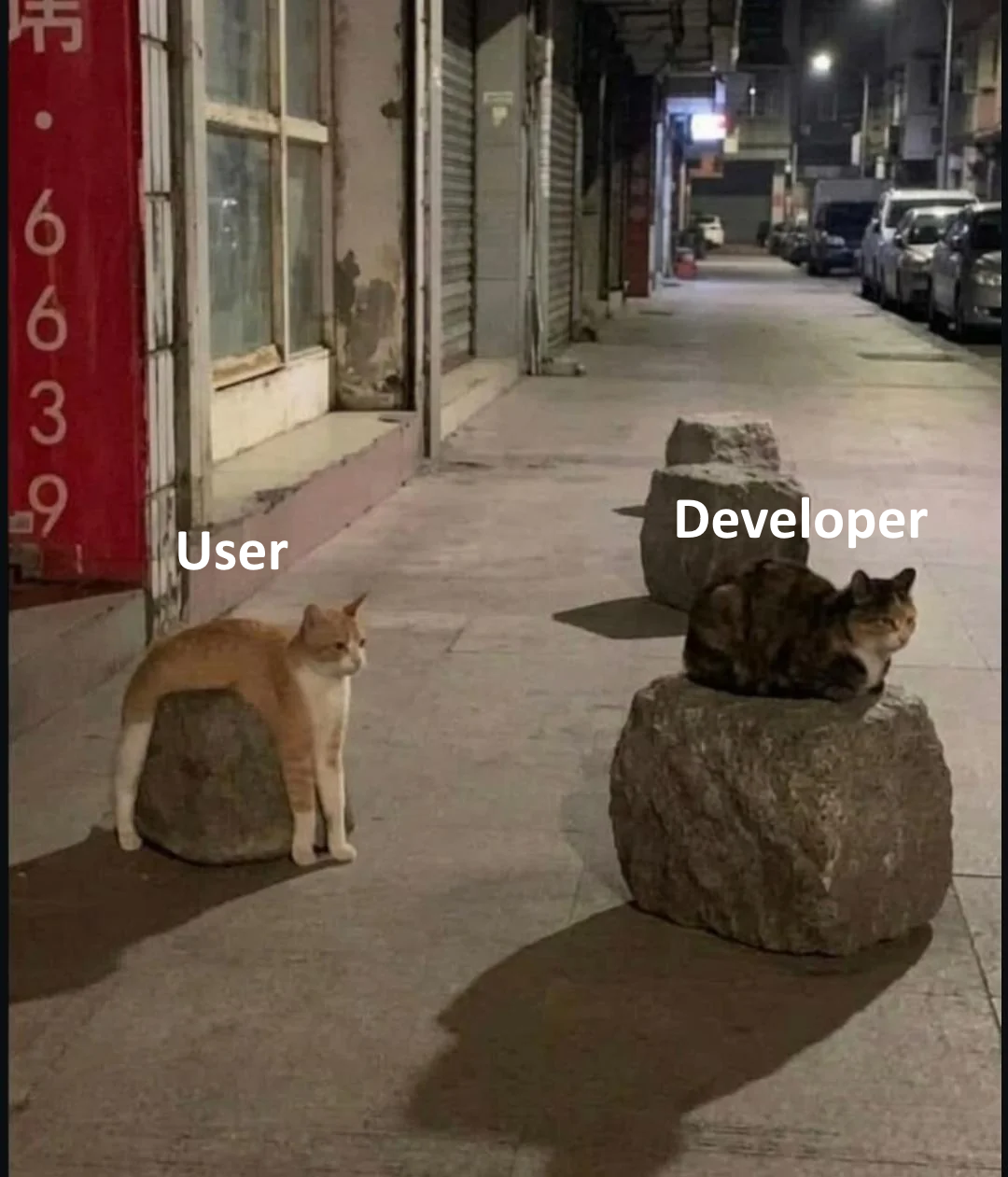
The user stands confidently on a tiny rock, using about 2% of the software's capabilities, while the developer sits awkwardly crammed on a massive boulder, intimately familiar with every edge case, deprecated function, and that one weird bug in the authentication module that only triggers on Tuesdays. You spent six months building a feature-rich platform with OAuth2, WebSocket support, and a custom caching layer. Users? They're just happy the login button is blue. Meanwhile, you're over here knowing exactly which database index is slowing down queries by 3ms and why the CI/CD pipeline fails when someone names a branch with an emoji. The size difference between those rocks perfectly captures the gap between "what users need" and "what developers know exists." It's like giving someone a Ferrari and watching them use it exclusively to drive to the mailbox.

It's Just That Easy

It's Just That Easy
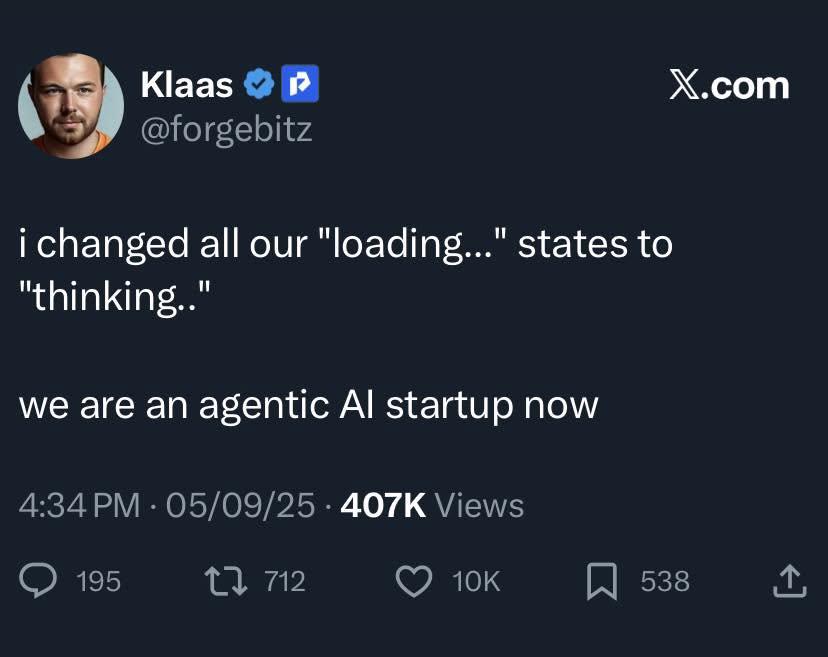
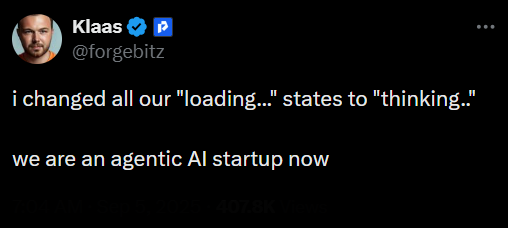
Changed "loading..." to "thinking..." and boom, you're basically OpenAI now. Forget the neural networks, the transformer architecture, the billions in compute costs—just slap a different word in your spinner text and watch the VC money roll in. The bar for calling yourself an AI company has never been lower. Next week they'll probably change "Error 404" to "Temporarily hallucinating" and raise another round.

I Love Password Based Login

I Love Password Based Login
SpongeBob out here spitting straight facts while everyone else panics. Password managers make traditional login stupidly simple - autofill email, autofill password, done. Meanwhile, these "innovative" auth flows with magic links and OAuth redirects turn a 2-second login into a treasure hunt through your inbox or a game of "which third-party service do I trust today?" The real kicker? Forcing passwordless auth on users who literally can't use password managers (looking at you, corporate lockdown environments) or making passwords optional but burying the setting 47 clicks deep in settings. Just because passwordless is trendy doesn't mean it's always better. Sometimes the old ways work perfectly fine, especially when you've got a decent password manager doing the heavy lifting. Let people choose their auth method and stop treating every login flow like it needs to be "disrupted." Not everything needs reinventing, folks.

Half Width Characters

Half Width Characters
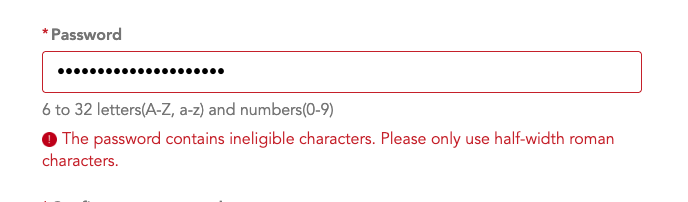
You enter a perfectly valid password with letters and numbers, meeting all their ridiculous requirements. But wait—the form rejects it because you used "ineligible characters." The kicker? You need to use "half-width roman characters." For those lucky enough to have never encountered this nightmare: half-width vs full-width characters are a thing in Japanese and other East Asian text systems. Full-width characters take up more space (think a vs a). Some legacy systems or poorly designed forms throw a fit if you accidentally use the wrong width, even though they look nearly identical. Instead of, you know, just normalizing the input on the backend like a sane developer, they decided to make it YOUR problem. Because why make UX better when you can just confuse users with error messages that sound like they're written in ancient riddles? Classic enterprise move right there.

Hire The Guy

Hire The Guy
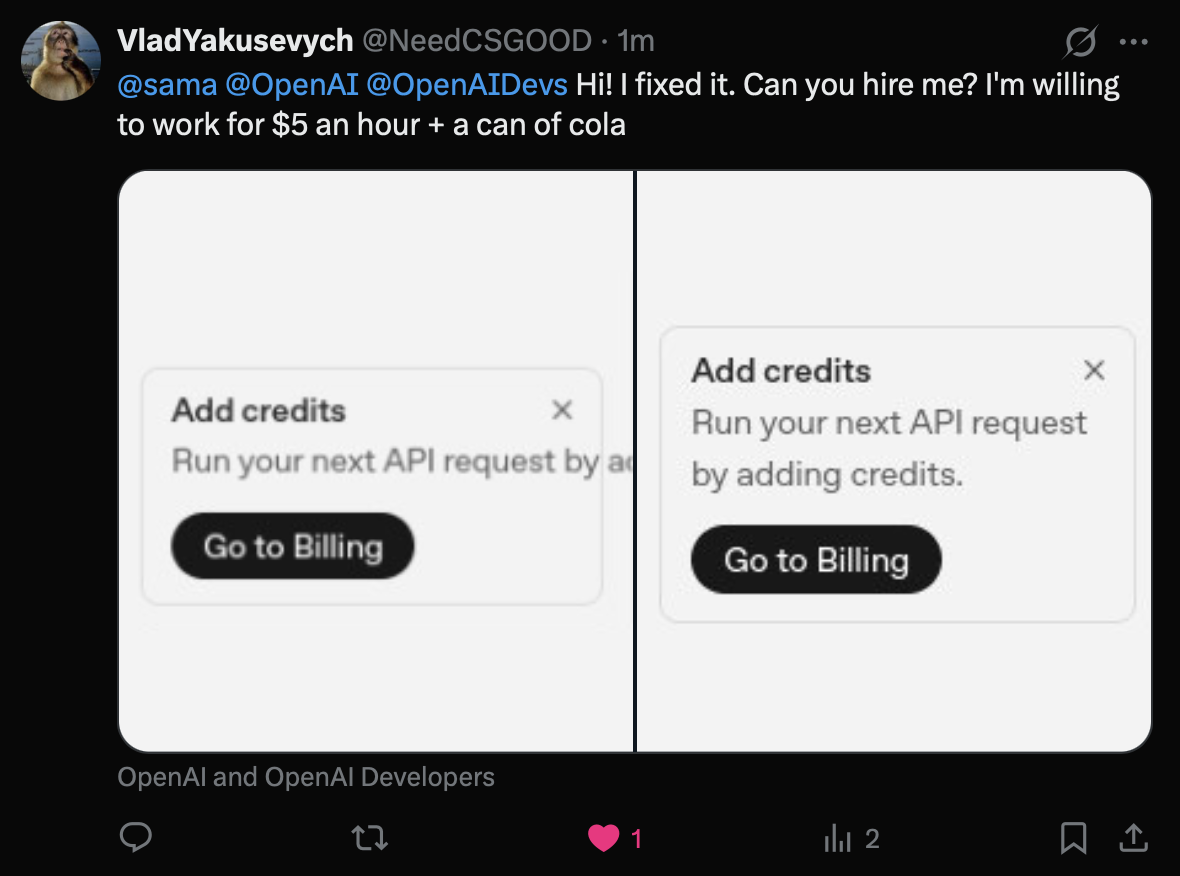
Someone "fixed" OpenAI's UI by making the popup text more concise and readable, then shot their shot asking for a job at $5/hour plus a can of cola. Honestly? That's underselling yourself king, but I respect the hustle. The side-by-side comparison shows how a simple UI tweak can make a huge difference—turns out even AI companies need better UX designers. The salary negotiation strategy is questionable though. Even interns get paid more than that, and they usually don't even get the cola. Fun fact: The original popup is unnecessarily wordy. "Run your next API request by adding credits" vs "Run your next API request by ad..." (cut off). Sometimes the best code is the code you delete, and apparently the same goes for UI copy.

What Should I Do Now

What Should I Do Now
Guy's surname is "Wu" and some form system decided that two characters just isn't enough for a last name. Because clearly, every database architect in history assumed all humans follow the same naming conventions. The validation rule says minimum 3 characters, and Wu says "I exist." Meta's official account responding with "wuhoooo!" is either peak corporate humor or someone in their social media team is having way too much fun. Fun fact: This is a classic example of Falsehoods Programmers Believe About Names . Names can be one character, they can have no last name, they can be symbols, they can change daily. Your regex won't save you.

Shots Fired

Shots Fired
Product managers and UX designers really thought they did something by adding that tutorial button, huh? Meanwhile, 99% of users are smashing "Yeah, Skip!" faster than they can say "I'll figure it out myself" and then immediately flooding Slack with "how do I..." questions. The real kicker? Your team spent three sprints building that gorgeous interactive tutorial with tooltips, animations, and progress tracking. Nobody watches it. Ever. But somehow it's the devs' fault when users can't find the export button that's been in the same spot for two years. We've all been on both sides of this. Skip the tutorial, break something, then complain the documentation sucks. It's the circle of tech life.

Works All The Time (On Desktop Only)

Works All The Time (On Desktop Only)
Top panel: "How to make a responsive website" written on a whiteboard by someone who's about to drop some knowledge bombs. Bottom panel: Their actual website telling mobile users "Screen width too small. Please increase the window size or rotate to load. If you are on a mobile phone, please open on a desktop." Nothing says "I'm a responsive design expert" quite like a website that doesn't work on mobile. It's the digital equivalent of a swimming instructor who can't swim but has a really nice PowerPoint about water.

Enter A Postal Address, I Think You'll Find It Near-Impossible

Enter A Postal Address, I Think You'll Find It Near-Impossible
Ah, the digital equivalent of waterboarding! This masterpiece of UI sadism forces you to enter your house number digit by digit with separate inputs for thousands, hundreds, tens, and units. And just when you think it can't get worse, it makes you select each character of your postcode using sliders that go from SPACE to Z. This is the form that Satan himself would create if he worked in frontend development. The designer clearly woke up and chose violence that day. Somewhere, a UX designer is having heart palpitations just looking at this. The best part? The "Intentionally Bad UX" title - as if we needed that clarification. It's like labeling a tornado as "Intentionally Windy Weather."

Front End Design Versus Users

Front End Design Versus Users
Ah yes, the classic accessibility symbol that's clearly been through QA testing. Designer: "I've created this perfectly aligned wheelchair icon." Users: "I prefer my accessibility with a side of existential crisis, thanks." This is what happens when you deploy to production without checking how your CSS renders on actual pavement. The real-world equivalent of "it worked on my machine."

I Sense A Catch

I Sense A Catch
Ah, the classic programmer's paradox! A button labeled "Save" with a trash icon. Is it saving your work or deleting it? The cognitive dissonance is giving me runtime errors in my brain. It's like Schrödinger's button - your data is simultaneously preserved and obliterated until you click it. Only a truly sadistic UX designer would create this abomination that violates every principle of intuitive design. The perfect trap for sleep-deprived developers who just want to preserve their 4 hours of coding before the standup meeting.

The Turing Test: Just Change "Loading..." To "Thinking..."

The Turing Test: Just Change "Loading..." To "Thinking..."
The ultimate startup pivot: change one word and suddenly you're worth 10x more to VCs. Remember when we just admitted things were loading? Now our apps are having existential crises while fetching your cat photos. Next week: "contemplating the nature of existence..." while the database query times out. Venture capital flowing in 3...2...1...