

Computer history Memes

Posts tagged with Computer history
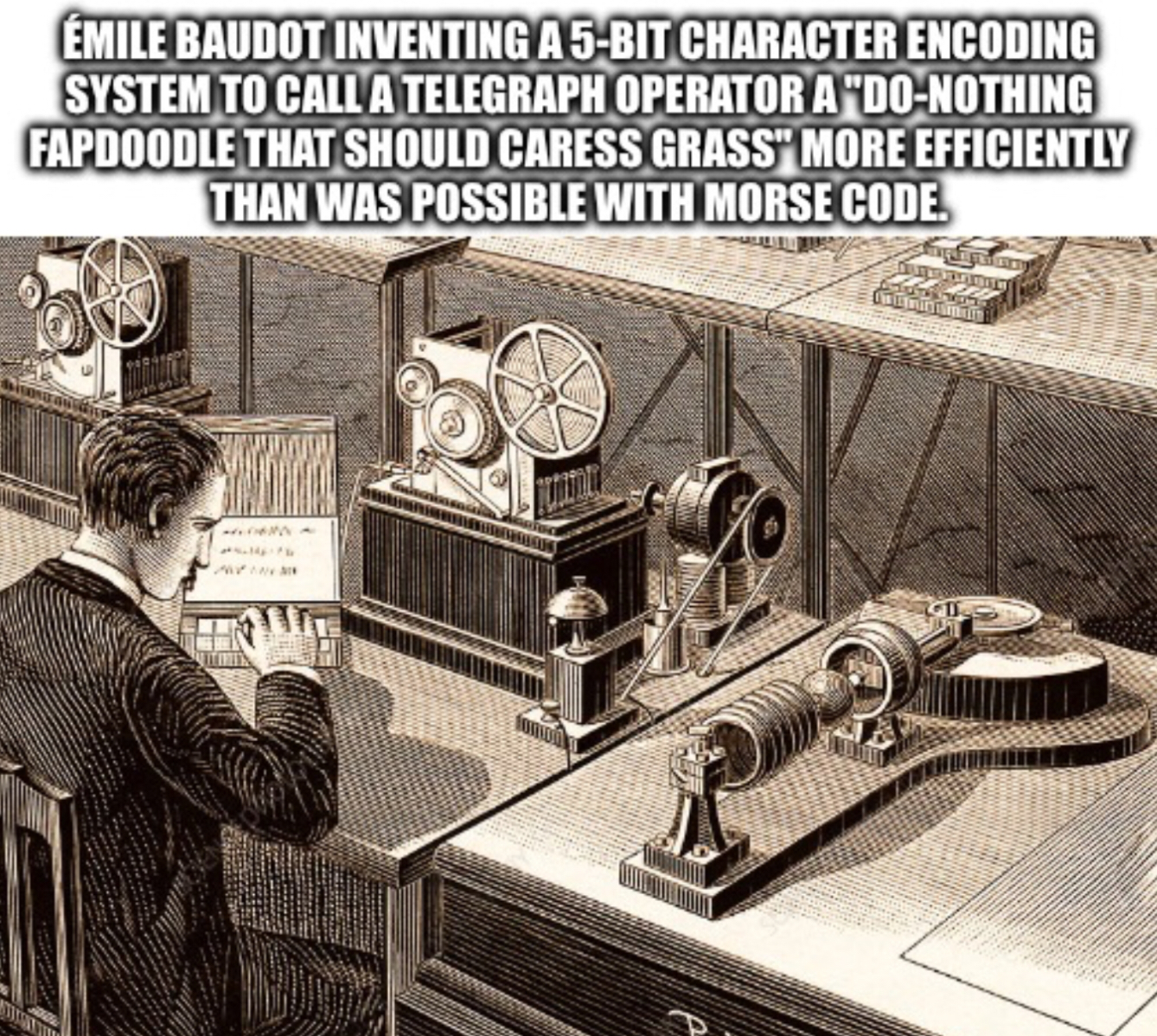
And That's Why We Call It Baud Rate

And That's Why We Call It Baud Rate
So apparently Émile Baudot was out here solving the REAL problems of the 1870s: making telegraph operators insult each other faster than Morse code allowed. The man literally invented a 5-bit character encoding system so people could send "do-nothing fapdoodle that should caress grass" with MAXIMUM EFFICIENCY. Talk about priorities. And yes, that's why we call it "baud rate" – named after this absolute legend who decided that dots and dashes were too mainstream. His encoding system became the foundation for modern serial communication, which means every time you're debugging UART communication at 9600 baud, you're technically using tech that descended from Victorian-era shade-throwing infrastructure. The commitment to optimizing insults is honestly inspiring. Forget innovation for progress – this man wanted telegraph operators to roast each other at unprecedented speeds, and he DELIVERED.

I Was Hoping To Find An Updated Version Of This, But I Guess Computers Haven't Gotten Any Moore Compact Since

I Was Hoping To Find An Updated Version Of This, But I Guess Computers Haven't Gotten Any Moore Compact Since
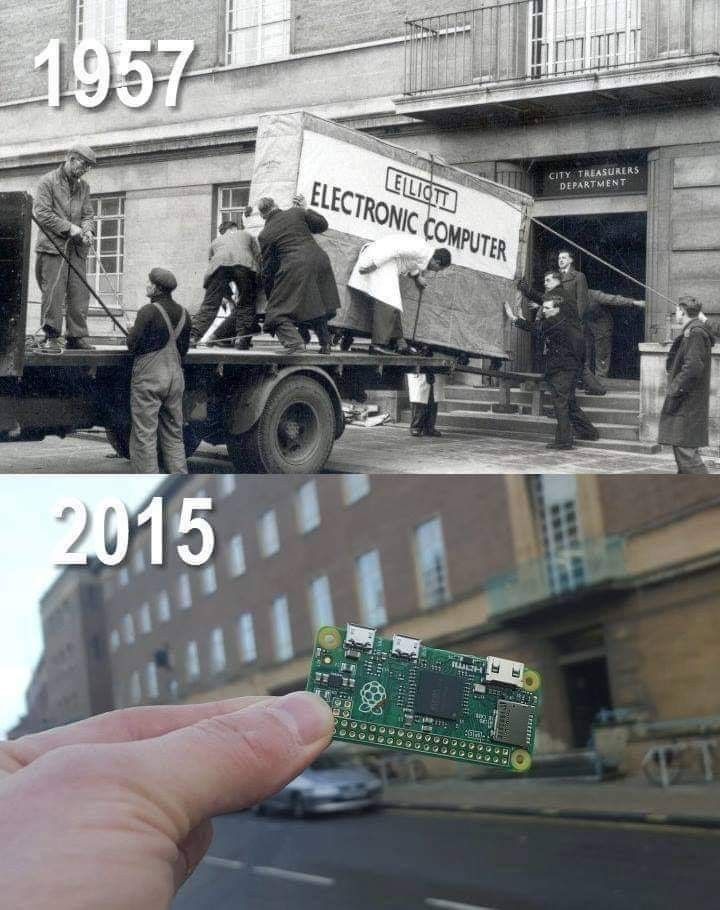
Oh, the absolute AUDACITY of Moore's Law! From needing a literal crane and a squad of people to deliver a room-sized computer in 1957 to casually holding a Raspberry Pi in your palm in 2015 that's probably more powerful than the entire Apollo mission computer. And that pun in the title? *Chef's kiss* – "Moore compact" because Gordon Moore literally predicted this exponential shrinkage would happen! We went from "Sir, your computer has arrived, please clear the entire building" to "Oops, I lost my computer in the couch cushions again." The 1957 beast probably had less computing power than your smart toaster, yet required its own zip code. Meanwhile, that tiny Pi board can run servers, play games, and still has enough juice left to judge your life choices. Technology really said "hold my beer" and then proceeded to violate the laws of physics for 60+ years straight.

Got A Deal On Some Memory

Got A Deal On Some Memory
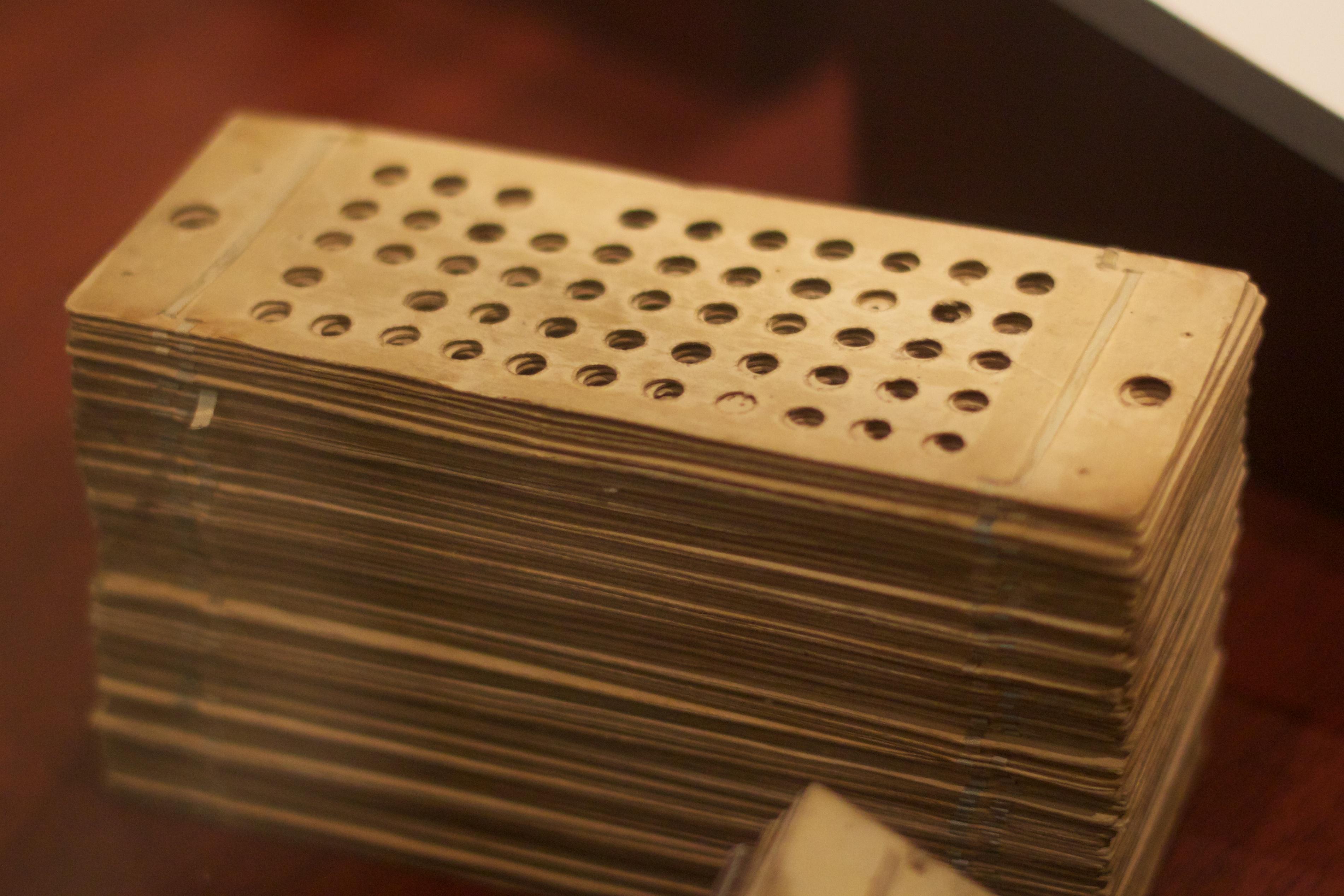
Someone really said "I need more RAM" and went straight to the 1960s computer museum clearance sale. Look at that glorious stack of punch cards sitting there like ancient scrolls of forgotten code! Each hole punched with the precision of a medieval scribe, storing maybe what, 80 bytes per card? You'd need roughly 137 BILLION of these bad boys to match a single 8GB RAM stick. But hey, at least when your program crashes, you can literally see which card caused the segfault and just... throw it in the trash. No memory leaks here—just physical holes leaking air! The ultimate in debugging: if it doesn't work, just punch different holes.

Meanwhile In The 80's

Meanwhile In The 80's
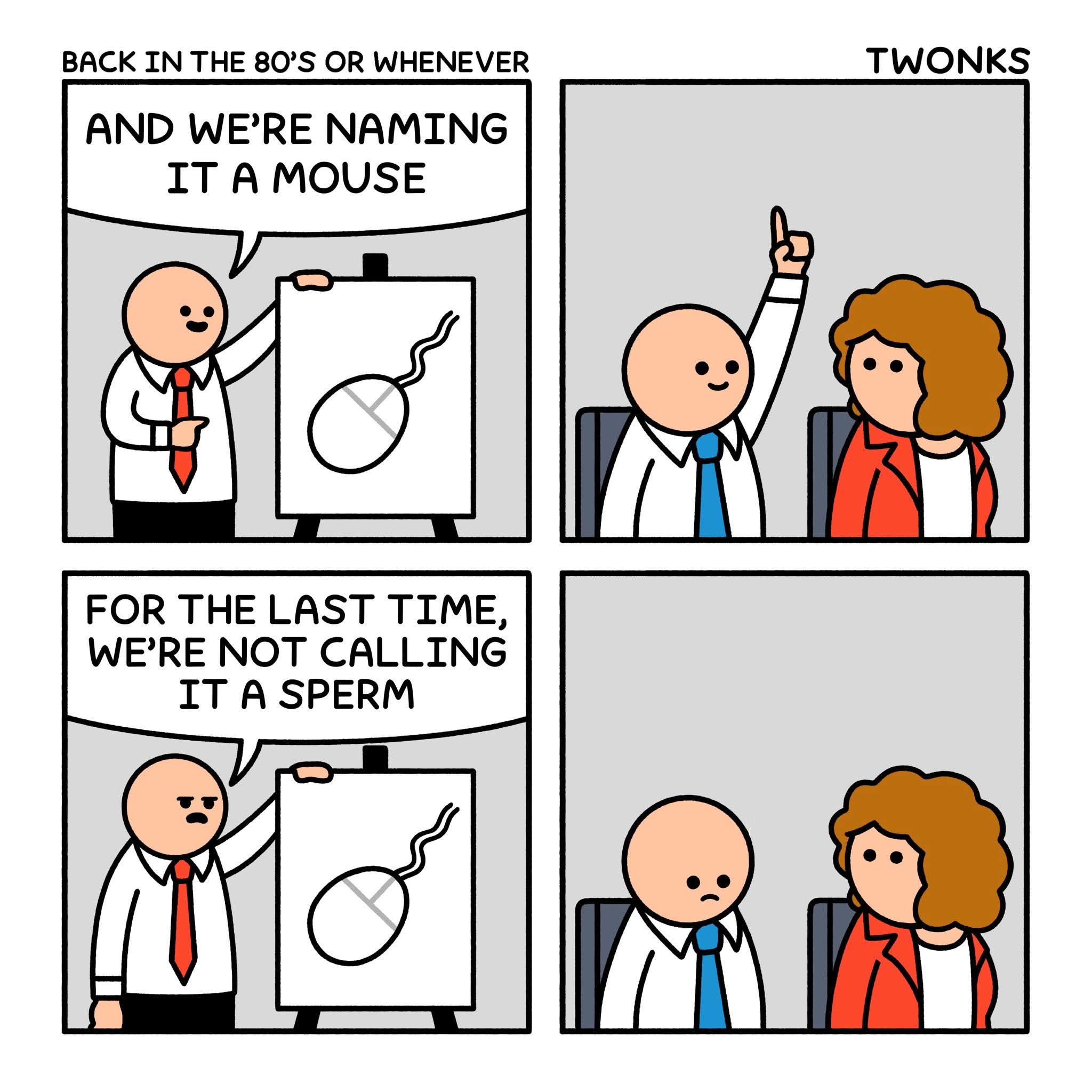
Back when computer mice were being invented, someone in a boardroom had to stand up and pitch the name. The excitement was real—until someone clarified they weren't naming it after the biological swimmers. The deflation is palpable. Fun fact: The computer mouse was actually invented in 1964 by Doug Engelbart, and it got its name because the tail-like cable coming out the back made it look like a rodent. Simple times, simple naming conventions. No focus groups, no A/B testing, just "looks like mouse, call it mouse." Meanwhile, modern developers spend three weeks bikeshedding whether to call a variable userData or userInfo .

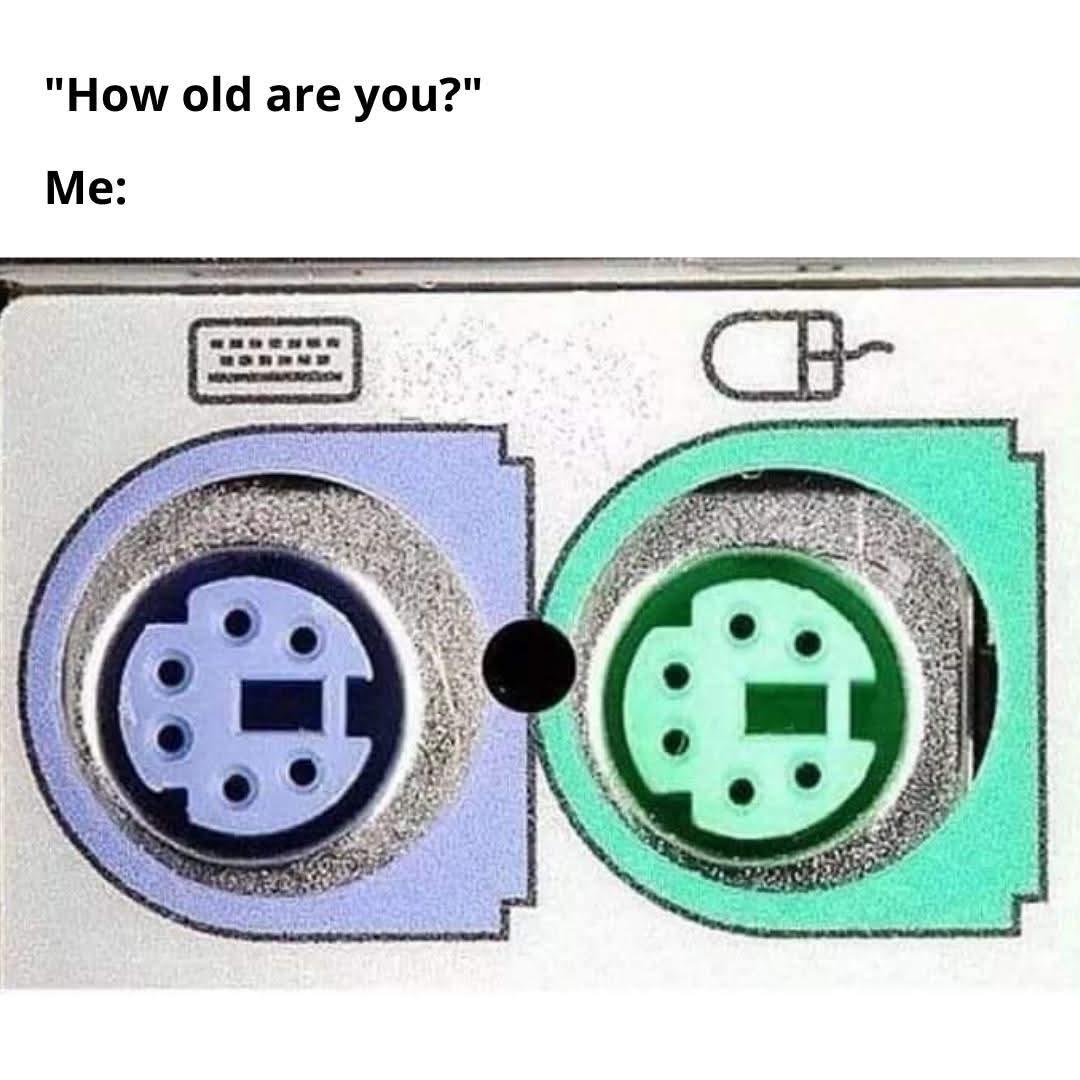
Are You PS/2 Old?

Are You PS/2 Old?
Ah, the PS/2 ports—where mice and keyboards went to die before USB came along and made everything better. If you recognize these ancient circular connectors without Googling, congratulations! You're officially old enough to have debugged Y2K bugs and probably still have a drawer full of IDE cables "just in case." The blue one's for mice, the green one's for keyboards, and getting them mixed up was the original "USB superposition" before USB-C made us all flip connectors three times. Remember the satisfying click when you finally got the pins aligned? And the sheer panic when you bent one? Good times. Kids these days will never know the joy of rebooting because you dared to unplug your keyboard.

Apple 2026 MacBook Pro Laptop with Apple M5 Pro chip with 18-core CPU and 20-core GPU: Built for AI, 16.2-inch Liquid Retina XDR Display, 48GB Unified Memory, 1TB SSD, Wi-Fi 7; Space Black

Apple 2026 MacBook Pro Laptop with Apple M5 Pro chip with 18-core CPU and 20-core GPU: Built for AI, 16.2-inch Liquid Retina XDR Display, 48GB Unified Memory, 1TB SSD, Wi-Fi 7; Space Black
FAST RUNS IN THE FAMILY — The 16-inch MacBook Pro with the M5 Pro or M5 Max chip brings next-generation speed and powerful on-device AI to personal, professional, and creative tasks. With all-day bat…

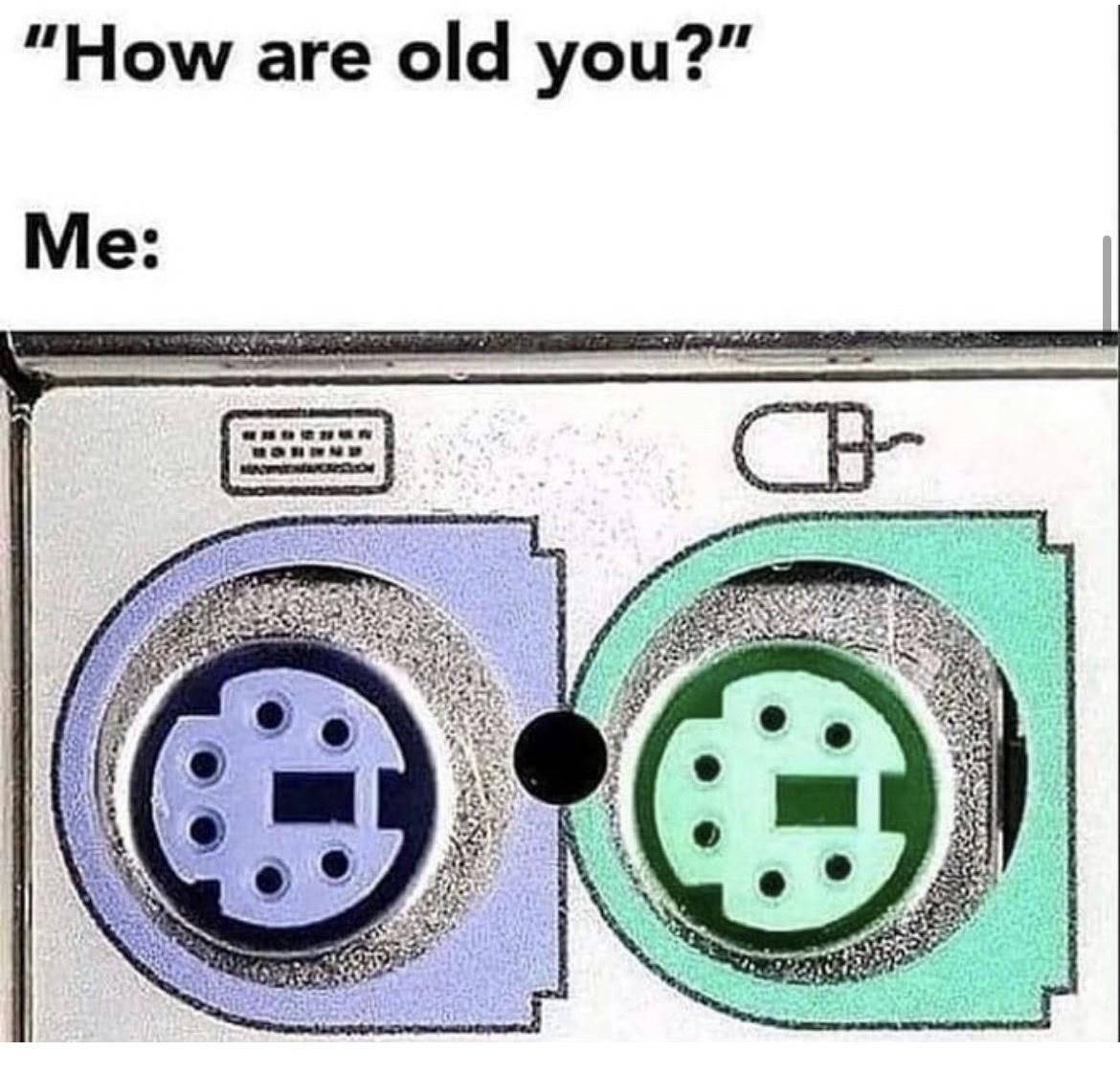
I'm PS/2 Ports Old

I'm PS/2 Ports Old
When someone asks my age, I don't give them a number—I just show them PS/2 ports. If they recognize these ancient keyboard and mouse connectors without Googling, we're from the same tech paleolithic era. These circular relics with their color-coded pins were the USB of the '90s, except they required perfect alignment and a small prayer to connect properly. Nothing says "I witnessed the dial-up apocalypse" quite like remembering to check which color goes where. Kids these days with their USB-C will never know the satisfaction of that perfect *click* when you finally got it right after three attempts.

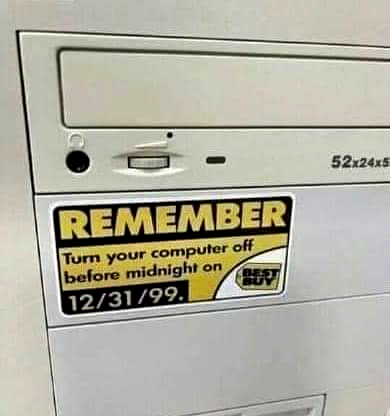
Who In Here Is Older Than The Y2K Bug

Who In Here Is Older Than The Y2K Bug
Ah, the sticker that launched a thousand panic attacks. For the youngsters: computers used to store years as two digits to save precious memory. So 1999 was just "99" in code. When 2000 hit, systems would roll over to "00" and potentially think it was 1900, causing chaos with calculations, dates, and potentially launching nuclear missiles (or so the media claimed). The solution? Turn everything off and hope for the best. Spoiler alert: we survived, but Best Buy made a killing selling these stickers to terrified boomers who thought their toasters might become sentient.

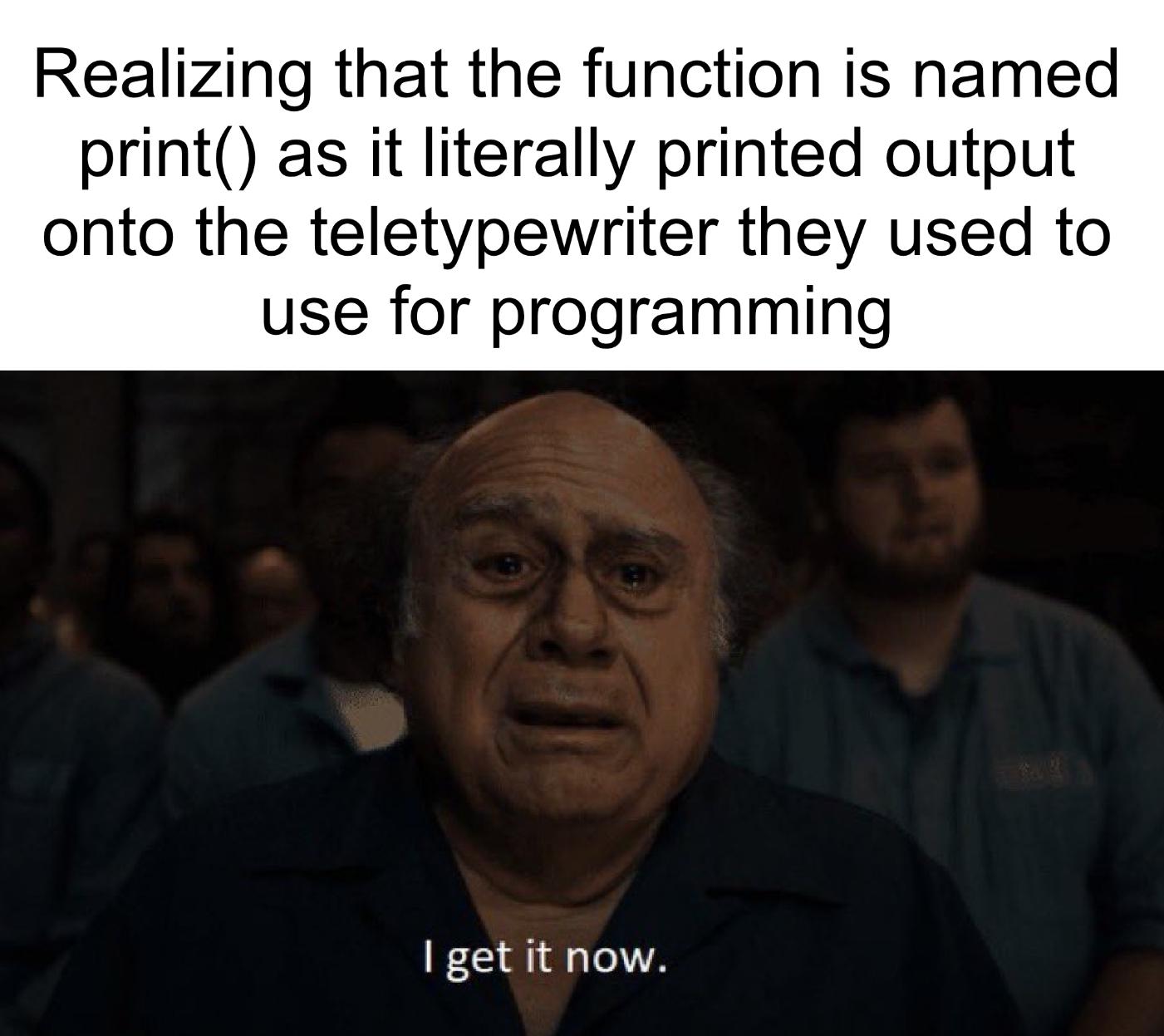
Is This Common Knowledge

Is This Common Knowledge
OH. MY. GOD. The existential crisis when you suddenly realize that the print() function wasn't named by some cosmic random coding deity but because it LITERALLY PRINTED STUFF ON ACTUAL PAPER! 🤯 My entire programming life has been a LIE! Those ancient developers sitting there with their teletypewriters, watching their code physically PRINT OUT like some prehistoric fax machine while we're over here thinking we're so clever with our fancy terminals. I can't even process this level of obviousness that somehow escaped my brain for YEARS. Next you'll tell me "mouse" is called that because it RESEMBLES AN ACTUAL RODENT?! I need to lie down.

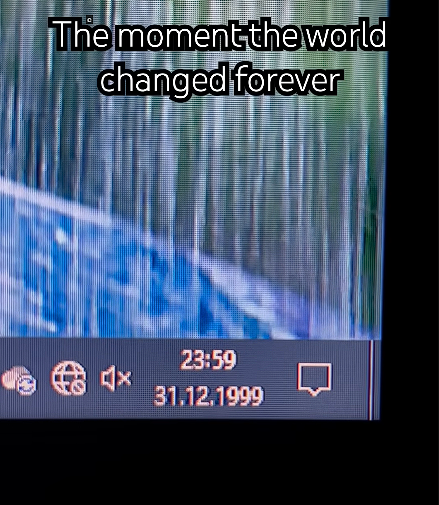
The Moment The World Changed Forever

The Moment The World Changed Forever
Ah, the infamous Y2K countdown—23:59 on December 31, 1999. That magical moment when developers worldwide were either drunk with confidence or hiding in bunkers because their lazy predecessors decided two digits for years was "future-proof enough." Billions spent fixing code, mass hysteria about planes falling from the sky, and nuclear missiles launching themselves... only for absolutely nothing catastrophic to happen. The greatest anticlimax in tech history, brought to you by the same industry that now thinks blockchain will solve world hunger.

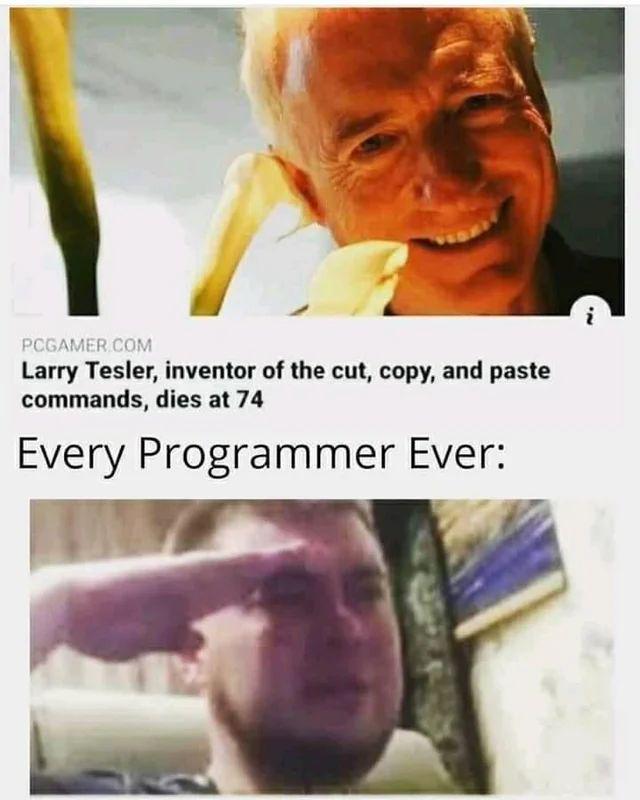
Pour One Out For The Copy-Paste Hero

Pour One Out For The Copy-Paste Hero
The meme shows a fake news headline about Larry Tesler (the actual inventor of cut, copy, paste) dying, with a reaction image of a man crying below captioned "Every Programmer Ever." Without Ctrl+C and Ctrl+V, we'd all be typing "console.log" 500 times a day instead of just once and duplicating it. The true unsung hero of our profession isn't the person who invented loops—it's the guy who made it possible to steal code from Stack Overflow without retyping it. A moment of silence for our productivity savior.

Dell UltraSharp U4025QW

Dell UltraSharp U4025QW
Brightness: 300 cd/m2 (standard) | Response time: 8ms (normal mode), 5ms (fast mode) · Dell UltraSharp 40 Curved Thunderbolt Hub Monitor - U4025qw · Screen Coating: Anti-Glare with 3H Hardness | Cont…

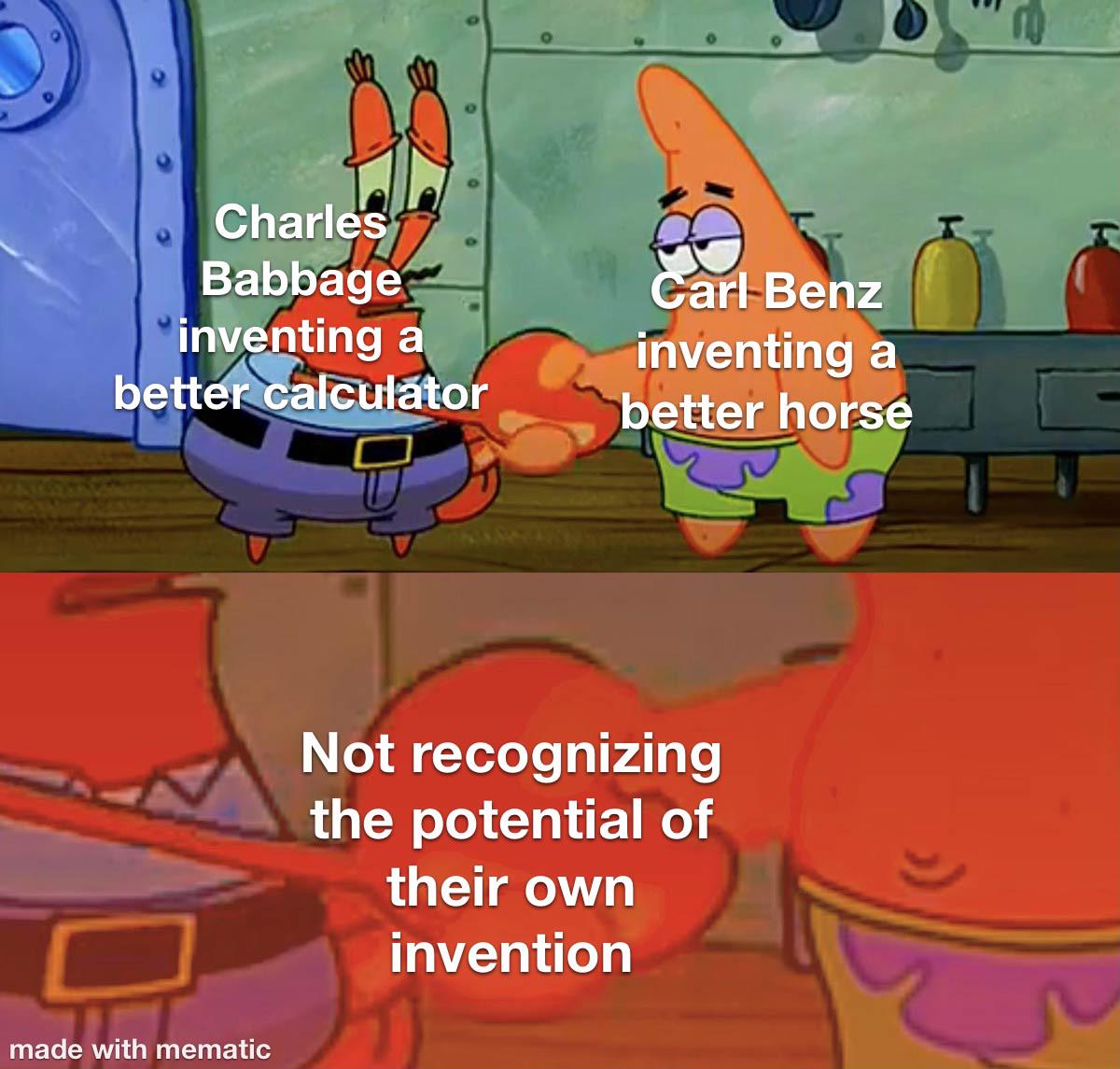
Inventors Who Missed Their Own Point

Inventors Who Missed Their Own Point
Ah yes, the classic inventor's shortsightedness. Charles Babbage built the first mechanical computer but thought it was just a fancy calculator. Meanwhile, Carl Benz over there invented the automobile but probably figured it was just a horseless carriage for rich people. Both completely missed that they were fundamentally changing civilization. It's like inventing time travel and using it exclusively to make sure your coffee never gets cold. The real genius is often the second person who says "wait a minute..."

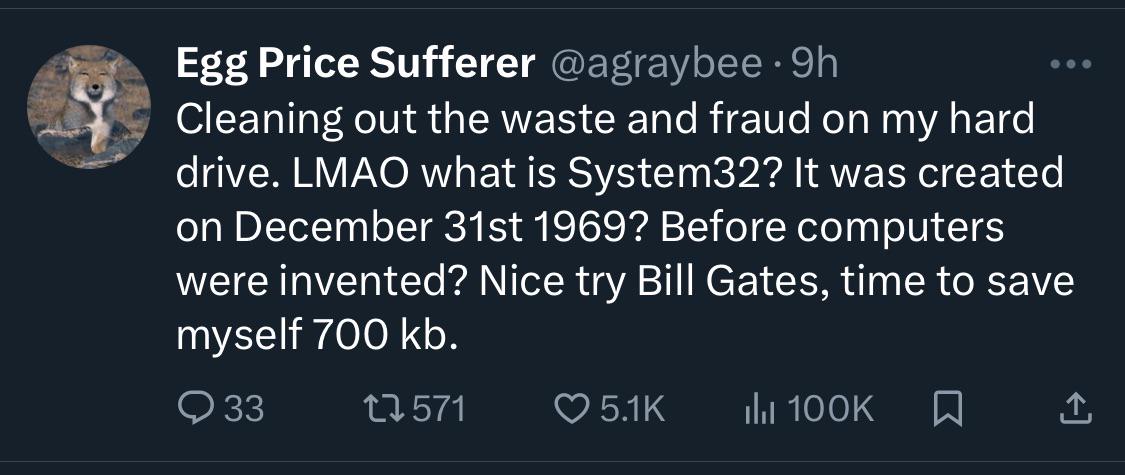
The System32 Conspiracy

The System32 Conspiracy
Ah, the classic tale of the tech-illiterate conspiracy theorist who thinks they've uncovered the grand Microsoft deception. System32 is literally just the core Windows directory containing critical system files—delete it and congratulations, you've bricked your computer! The December 31, 1969 date is actually Unix epoch time (January 1, 1970 UTC) minus a timezone offset—basically the computer equivalent of "the beginning of time." It's what systems show when a file has no valid timestamp. But sure, go ahead and "save yourself 700kb" by deleting essential system files. I'm sure your computer will run so much faster in its new state as an expensive paperweight.