Readability Memes

Posts tagged with Readability
Please Stop Using Nested Ternary Operators I'm Begging You

Please Stop Using Nested Ternary Operators I'm Begging You
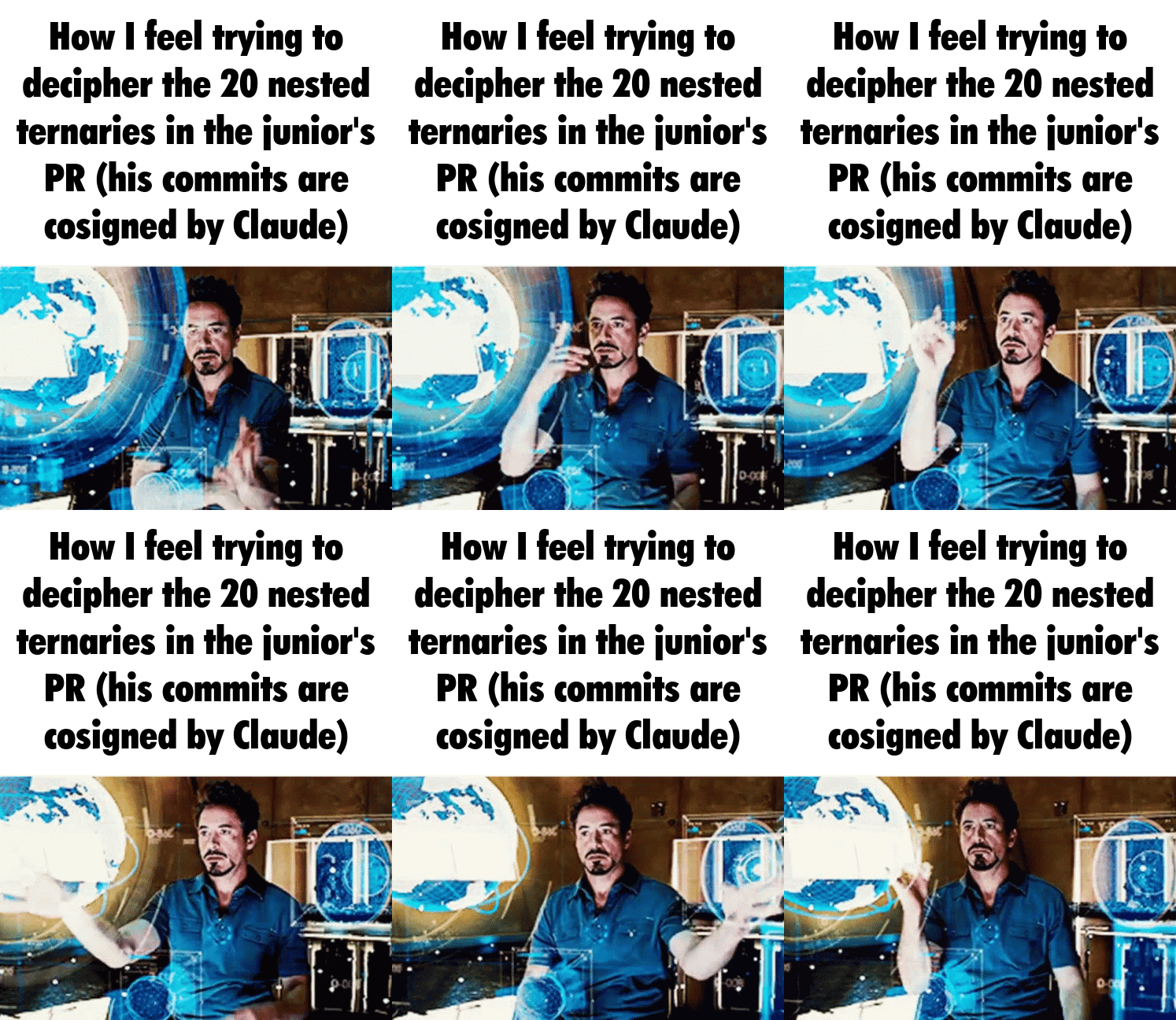
Nothing says "I hate my coworkers" quite like nesting 20 ternary operators deep. You're sitting there doing code review, squinting at the screen like Tony Stark trying to decode alien technology, except instead of saving the universe you're just trying to figure out if this function returns true, false, or summons a demon. And of course the commits are cosigned by Claude. Because naturally, when you ask an AI to write "clean code," it interprets that as "make it technically work but emotionally devastating." Junior devs and AI assistants share one beautiful trait: they both discovered ternary operators exist and decided to make it everyone else's problem. Pro tip: if your ternary needs a scroll bar, it's not clever—it's a cry for help. Just use an if statement like a normal person. Your future self will thank you.

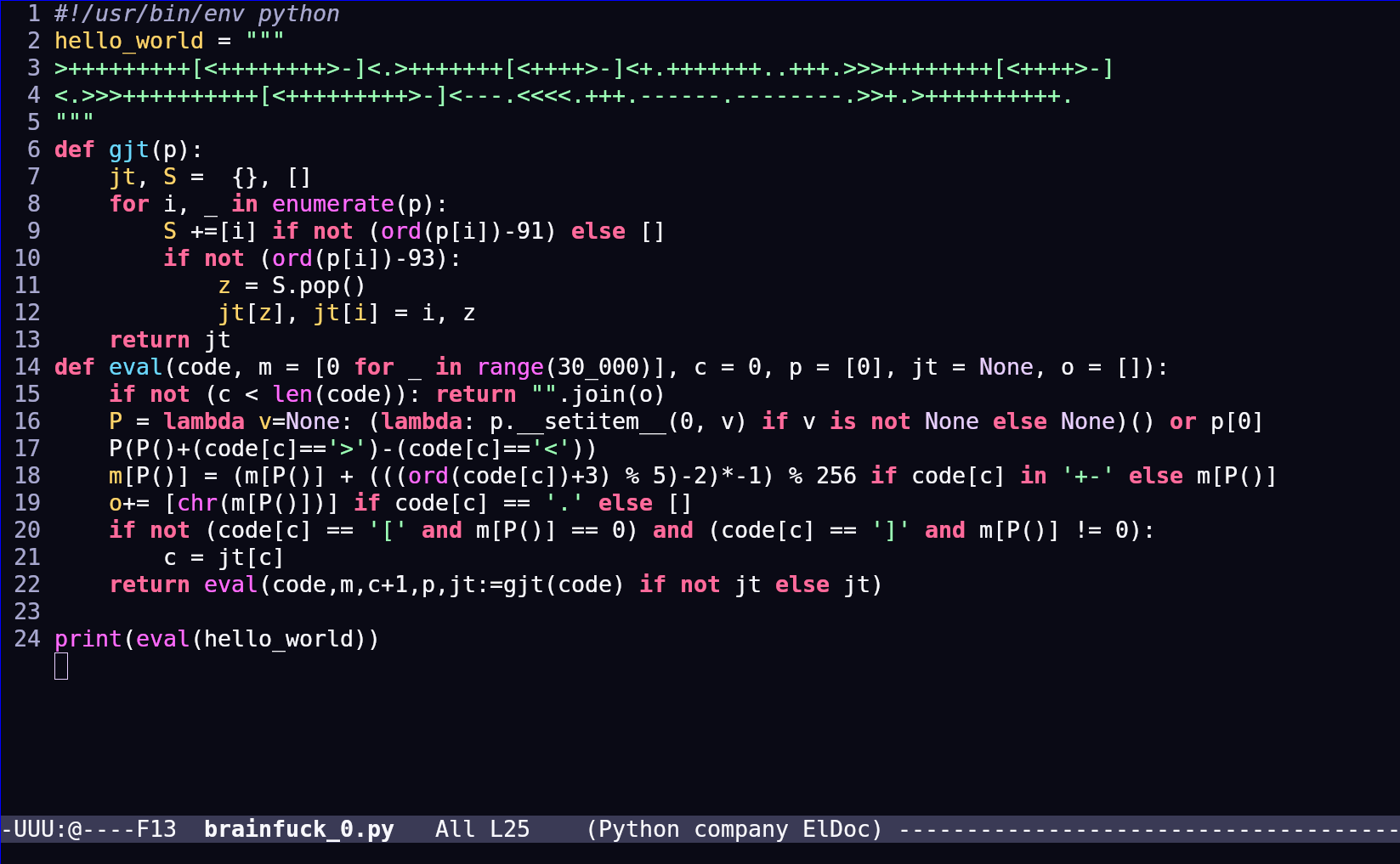
Obfuscated Anti-Pythonic Brainfuck Interpreter

Obfuscated Anti-Pythonic Brainfuck Interpreter
Someone really woke up and chose violence against the entire Python philosophy. We've got a Brainfuck interpreter written in the most deliberately unreadable Python imaginable. Single-letter variable names? Check. Nested lambdas with walrus operators? Check. Triple-quoted string containing actual Brainfuck code for "Hello World"? Chef's kiss. The beautiful irony here is using Python—a language literally named after readability principles in PEP 20 ("Beautiful is better than ugly", "Explicit is better than implicit")—to interpret Brainfuck, which is already an esoteric language designed to be intentionally difficult. It's like translating gibberish into chaos using a dictionary written in confusion. The code checks for ASCII 91 ('[') and 93 (']') for loop handling, uses a 30,000-cell memory array (classic Brainfuck spec), and somehow manages to make `__setitem__` look like a reasonable design choice. The fact that it actually works and prints "Hello World" is both impressive and deeply disturbing. Guido van Rossum is probably crying somewhere.

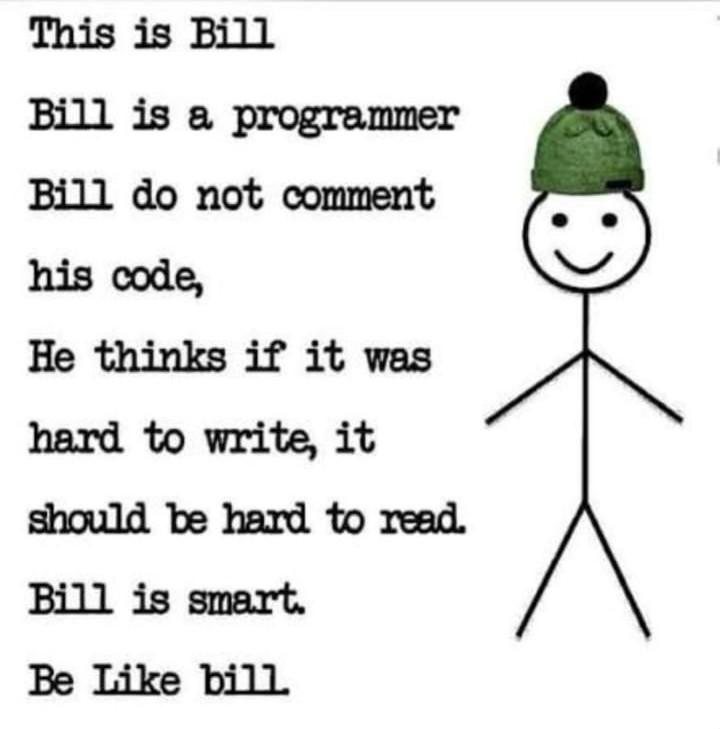
Meet My Man Bill

Meet My Man Bill
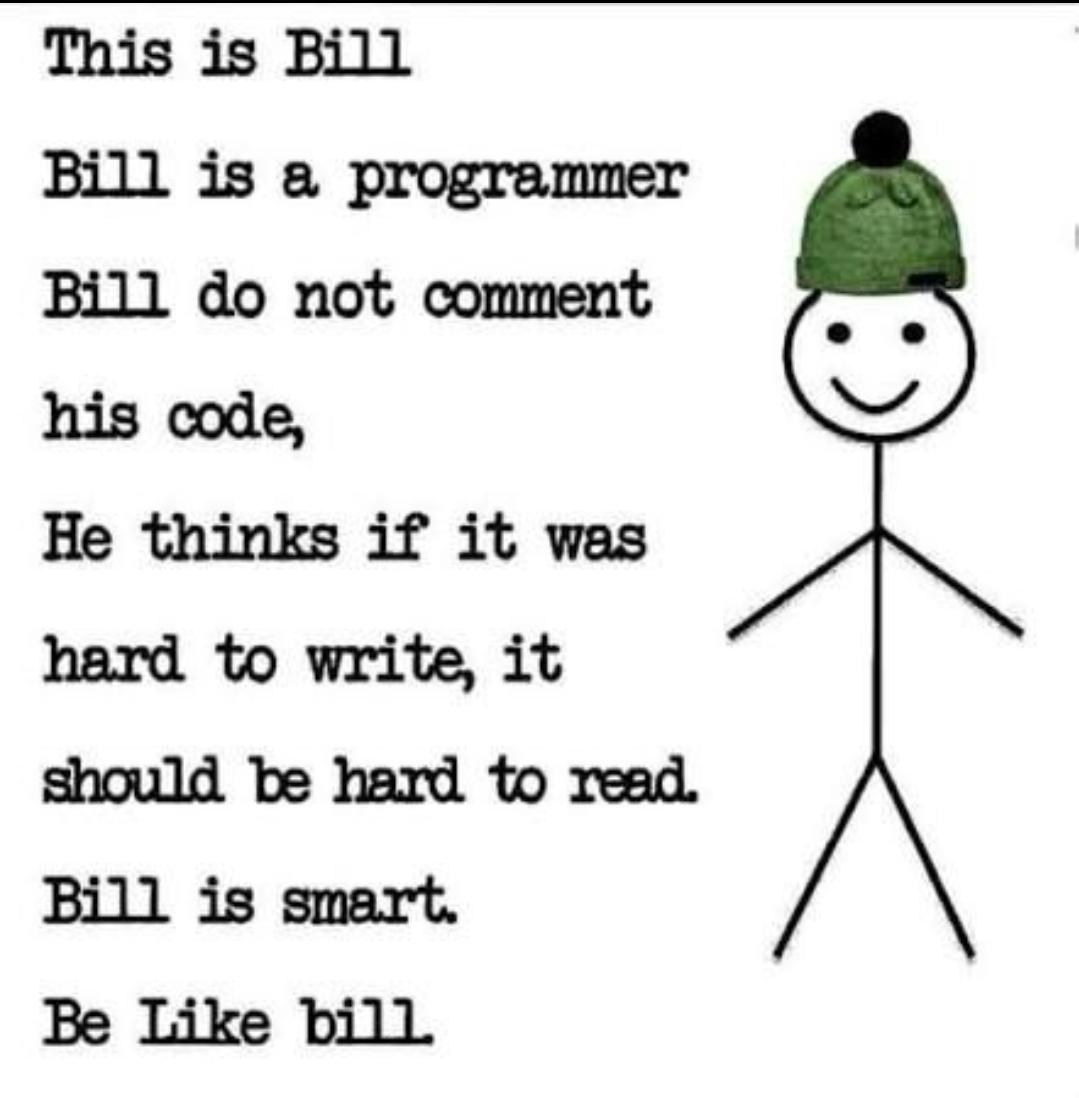
Bill's got it figured out. If your code was a struggle to write—full of nested loops, cryptic variable names, and logic that would make Dijkstra weep—then it should be a struggle to read. It's like job security through obfuscation. Why make things easy for the next developer when you can leave them questioning their career choices? In reality, Bill is the reason we have code reviews, documentation standards, and a collective anxiety about inheriting legacy codebases. The philosophy here is backwards—good code should be self-documenting and readable, even if it took mental gymnastics to write. But sure, Bill, keep living your best uncommented life while the rest of us debug your "clever" one-liners at 2 AM.

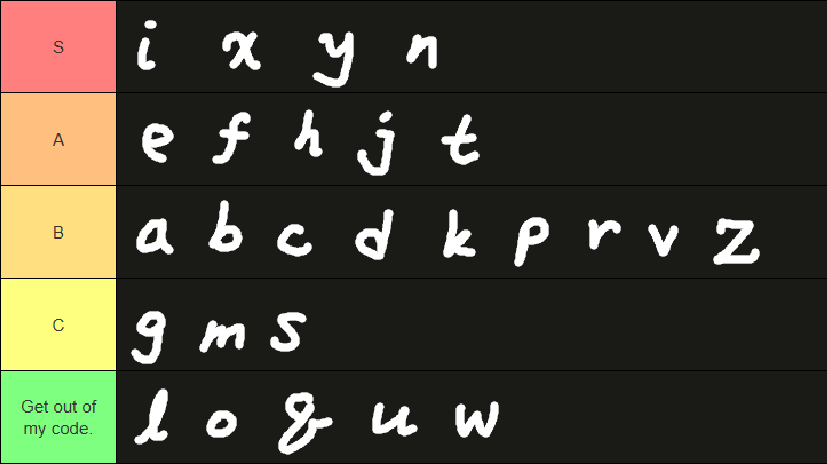
Single Letter Variable Names Tier List

Single Letter Variable Names Tier List
S-tier gets the holy trinity: i for loops, x and y for coordinates, and n for... well, numbers. Mathematically blessed, universally understood, chef's kiss. A-tier has the respectable crew: e for errors/events, f for functions, h for height, j for the nested loop after i , and t for time/temp. Solid choices that won't get you yelled at in code review. B-tier is the "yeah, I guess" zone. Most alphabet letters live here in mediocrity, acceptable but unremarkable. C-tier has g , m , and s —questionable at best. What does g even mean? Graphics? Gravity? Your guess is as good as mine. And then there's the "Get out of my code" tier featuring l (looks like 1), o (looks like 0), and u and w (just... why?). The real villain though? That lowercase g that looks like a 9 in certain fonts. Straight to jail.

Welsh Or C Standard Library Function?

Welsh Or C Standard Library Function?
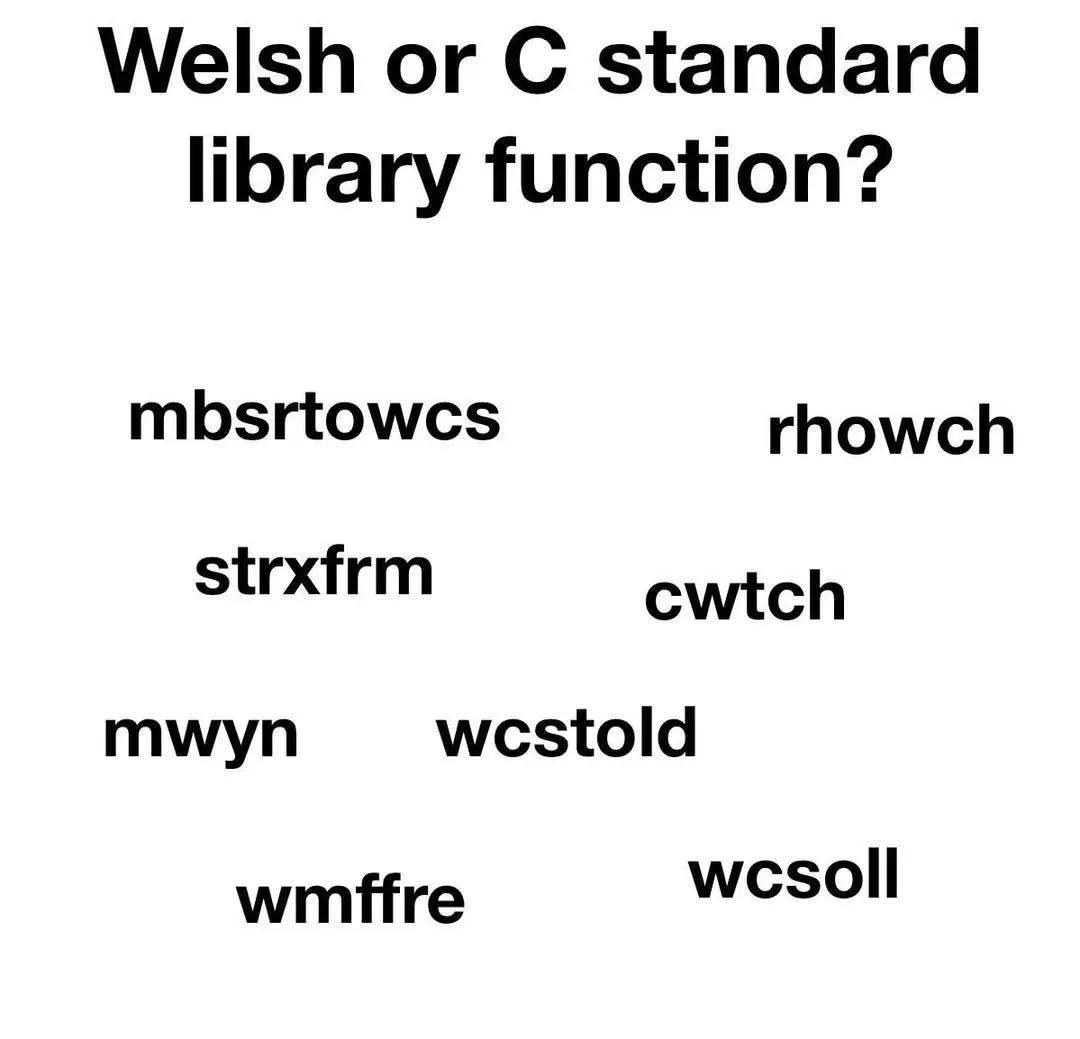
The C standard library's naming convention is so aggressively vowel-averse that it's genuinely indistinguishable from Welsh place names. Functions like mbsrtowcs (multibyte string to wide character string), strxfrm (string transform), and wcstold (wide character string to long double) look like someone spilled alphabet soup and decided to ship it as production code. The joke here is that both Welsh words and C stdlib functions share the same chaotic energy of consonant clusters that make you question if your keyboard is broken. Try pronouncing mbsrtowcs out loud without summoning an elder god. The C committee really looked at "convert multibyte string to wide character string" and thought "yeah, let's compress that into something that looks like a cat walked across the keyboard." Fun fact: Dennis Ritchie probably saved millions of bytes in documentation by keeping function names short, but at what cost to our sanity?

NordVPN

NordVPN
Encrypt your traffic on public Wi-Fi, stream from anywhere, and cover up to ten devices with one plan. 30-day money-back guarantee.

Be Like Bill

Be Like Bill
Bill gets it. He writes code that's so clean and self-documenting that comments would just be redundant noise. His variable names actually mean something, his functions do one thing well, and his logic flows like poetry. Meanwhile, the rest of us are out here writing // this increments i above i++ like we're getting paid per line. The philosophy here is simple: if your code needs extensive comments to explain what it does, you probably wrote bad code. Refactor it until it reads like English. Bill doesn't need to leave breadcrumbs for future developers because his code doesn't look like a maze designed by a sadist. Of course, in reality, most of us aren't Bill. We're the ones who'll spend 2 hours writing a clever one-liner that saves 3 lines of code, then wonder why nobody understands it six months later. But hey, at least we can aspire to Bill's level of enlightenment.

Turns Out, If You Want To Check Multiple Conditions, You Can Sugar It Like This:

Turns Out, If You Want To Check Multiple Conditions, You Can Sugar It Like This:
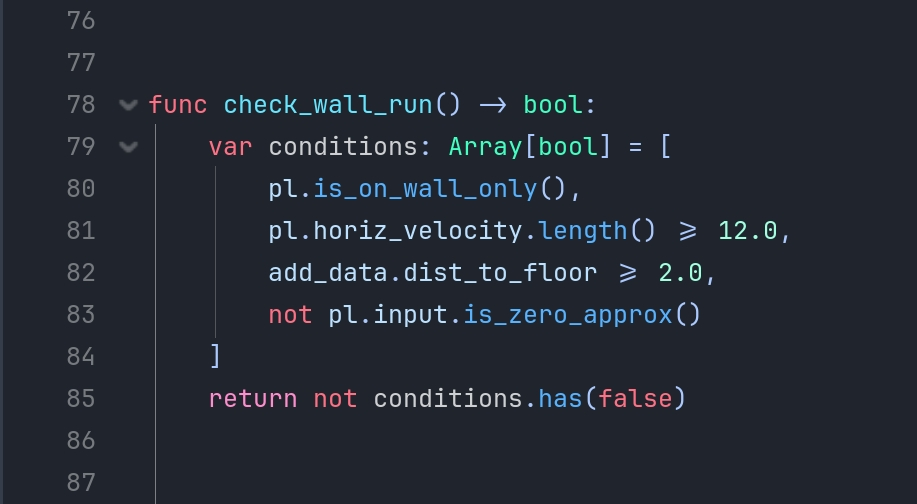
Behold, the galaxy brain move of creating an array of boolean conditions just to check if ANY of them are false by using .has(false) ! Because apparently writing if (!condition1 || !condition2 || ...) was just TOO readable and maintainable. Someone really woke up and chose violence against code clarity. This is the programming equivalent of using a flamethrower to light a candle – technically it works, but literally everyone watching is horrified. The double negative with return not conditions.has(false) is just *chef's kiss* – maximum confusion achieved! Future developers debugging this will need therapy.

I Know Some Of You Must Be Fuming Right Now

I Know Some Of You Must Be Fuming Right Now
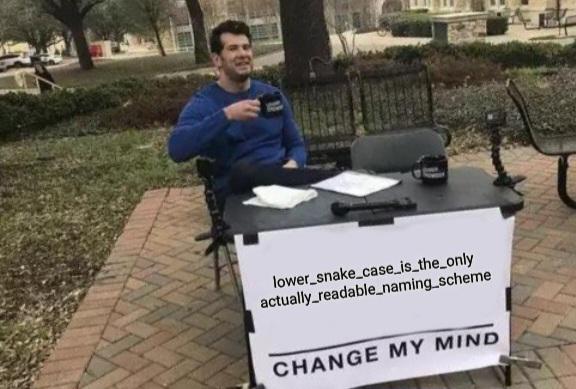
Dropping this hot take in a room full of developers is like throwing a grenade into a Discord server. The "Change My Mind" guy sitting there with a straight face while claiming lower_snake_case is superior to camelCase, PascalCase, or kebab-case? Bold move. Here's the thing though - snake_case genuinely is more readable according to actual research. Your eyes don't have to work as hard to parse word boundaries when there's a literal separator between them. But try telling that to the JavaScript crowd who've been camelCasing since 2009, or the C# devs who'd rather die than give up their PascalCase classes. The real war crime? Mixing conventions in the same codebase. Pick your poison and stick with it, or face the wrath of every code reviewer who has to context-switch between your schizophrenic variable names.

This Is Literally My Company

This Is Literally My Company
The evolution from "code however you want" to "you WILL follow the style guide or your PR gets rejected" is peak corporate transformation. What's fascinating here is the complete 180° flip in philosophy—from "if it works, ship it" to treating ESLint violations like war crimes. The old guard's argument of "will the customer ever read this code?" is technically correct but strategically catastrophic. Sure, Karen from accounting won't be reviewing your nested ternaries, but your coworker who inherits your code at 2 AM during a production incident absolutely will. And they'll remember your name. The irony? Both extremes are wrong. No standards = chaos. Too many standards = bikeshedding about whether to use tabs or spaces while the actual product burns. The sweet spot is somewhere between "anything goes" and "you must name your variables according to the ancient prophecies." Style guides aren't factory rules—they're peace treaties that prevent code review comment sections from turning into philosophical debates about semicolons.

secret corner excel&Word&Windows&powerpoint Cheat Sheet Mousepad,ExtraLarge Office Desk Accessories Desk mat,Office Keyboard Shortcuts Motse pad, Nonslip for Computer Gaming Mouse pad 31.5"x11.8"

secret corner excel&Word&Windows&powerpoint Cheat Sheet Mousepad,ExtraLarge Office Desk Accessories Desk mat,Office Keyboard Shortcuts Motse pad, Nonslip for Computer Gaming Mouse pad 31.5"x11.8"
Extra Large Size: Measuring 800×300×3mm (31.5×11.8 inches), this XL mouse pad offers generous workspace. It easily accommodates your computer, keyboard, mouse, and other desk accessories. · Integrate…

When I Was 12, I Thought My Code Looked "Cooler" With Cryptic Variable Names And Minimal Spacing. The Entire Project Looks Like This.

When I Was 12, I Thought My Code Looked "Cooler" With Cryptic Variable Names And Minimal Spacing. The Entire Project Looks Like This.
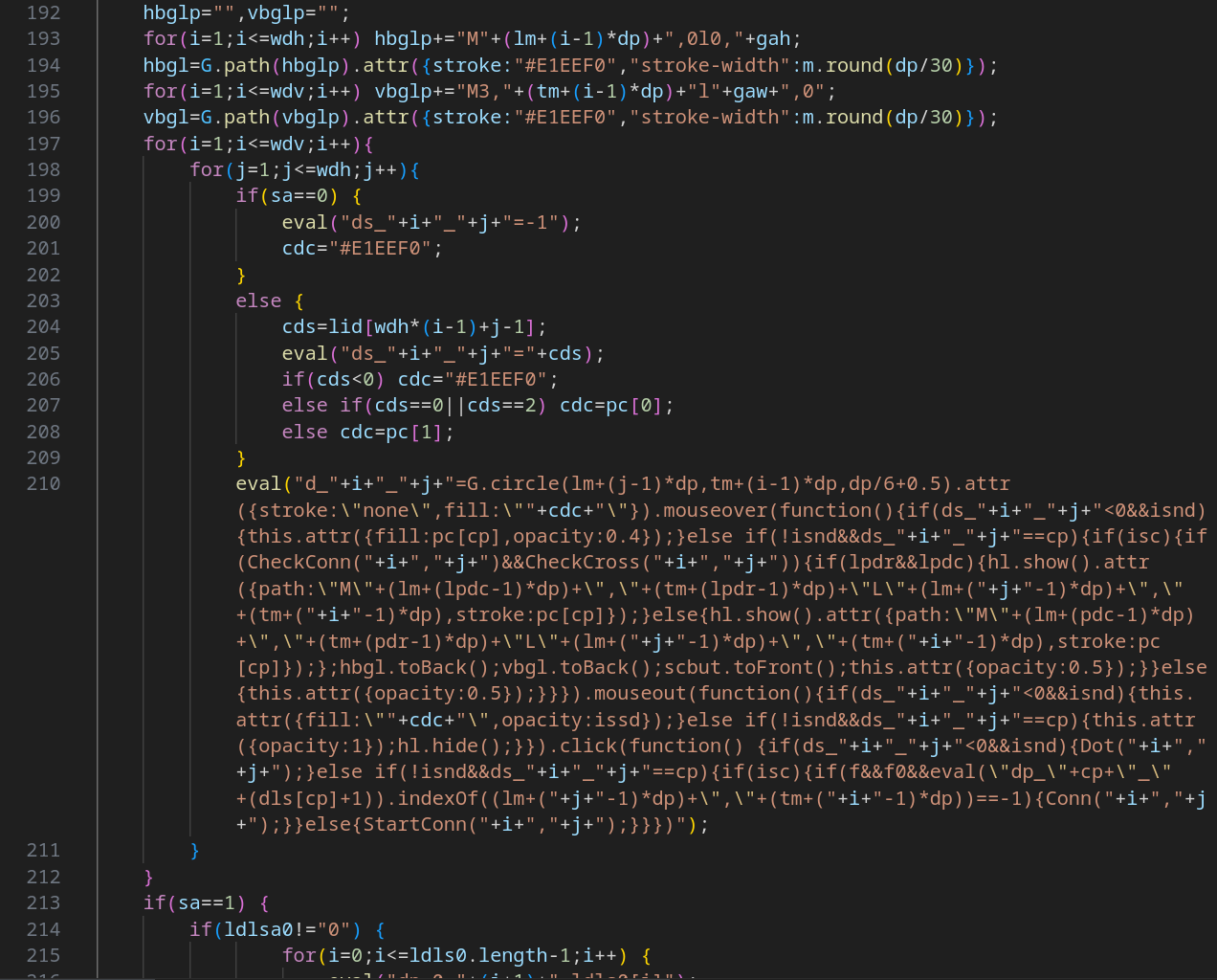
Oh, the absolute HORROR of 12-year-old you thinking that hbglp , vbglp , and cdc were the height of programming sophistication! Nothing screams "elite hacker" quite like variable names that look like someone smashed their keyboard while having a seizure, am I right? And that LINE 210? SWEET MOTHER OF SPAGHETTI CODE, it's longer than a CVS receipt! That single line is basically a novel written in the ancient tongue of "I-have-no-idea-what-future-me-will-think." The nested ternaries, the eval() calls, the complete and utter disregard for human readability—it's like looking at the Necronomicon of JavaScript. Young developers everywhere: this is your brain on "looking cool." Please, for the love of all that is holy, use descriptive variable names and hit that Enter key once in a while. Your future self (and literally anyone who has to touch your code) will thank you instead of plotting your demise. 💀

The Evolution Of Conditional Intelligence

The Evolution Of Conditional Intelligence
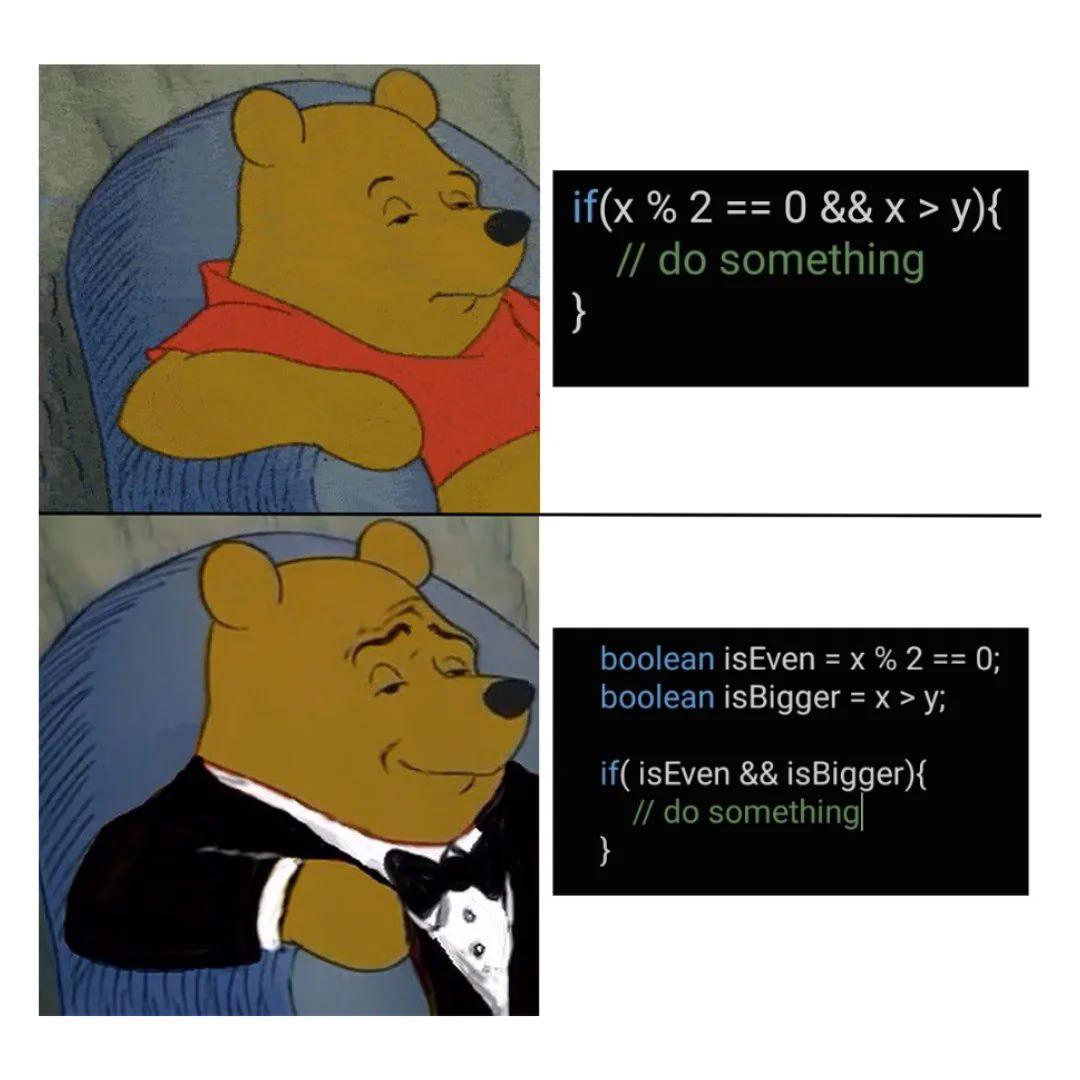
Regular Pooh: Cramming all your logic into a single conditional statement like some kind of barbaric code caveman. Tuxedo Pooh: Creating descriptive boolean variables that make your code self-documenting and actually readable by humans who aren't trying to decode the Da Vinci code. The real high IQ move isn't writing clever one-liners—it's writing code that won't make your future self contemplate a career change when you revisit it in six months.

The Case For Proper Capitalization

The Case For Proper Capitalization
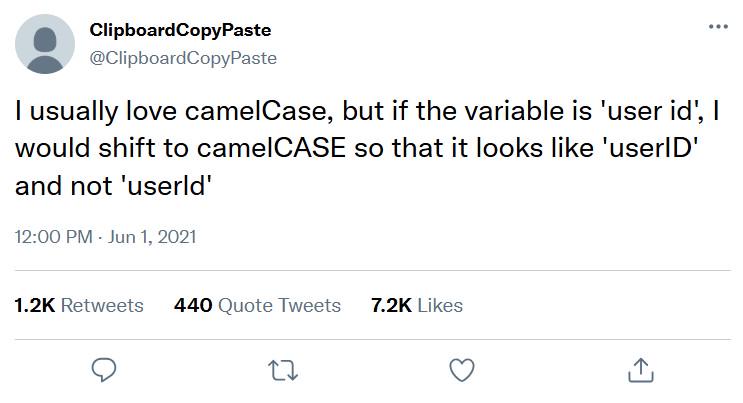
Ah, the sacred art of variable naming. When your brain sees userId , it reads "user ID." But when it sees userid , your inner voice screams "USER-id???" like some confused database goblin. This is the hill many senior devs choose to die on after years of staring at poorly named variables. We'll spend 15 minutes in code review arguing about capitalization but somehow let that 500-line function with no comments slide right through.