

Physics Memes

Posts tagged with Physics
Feynman Driven Development

Feynman Driven Development
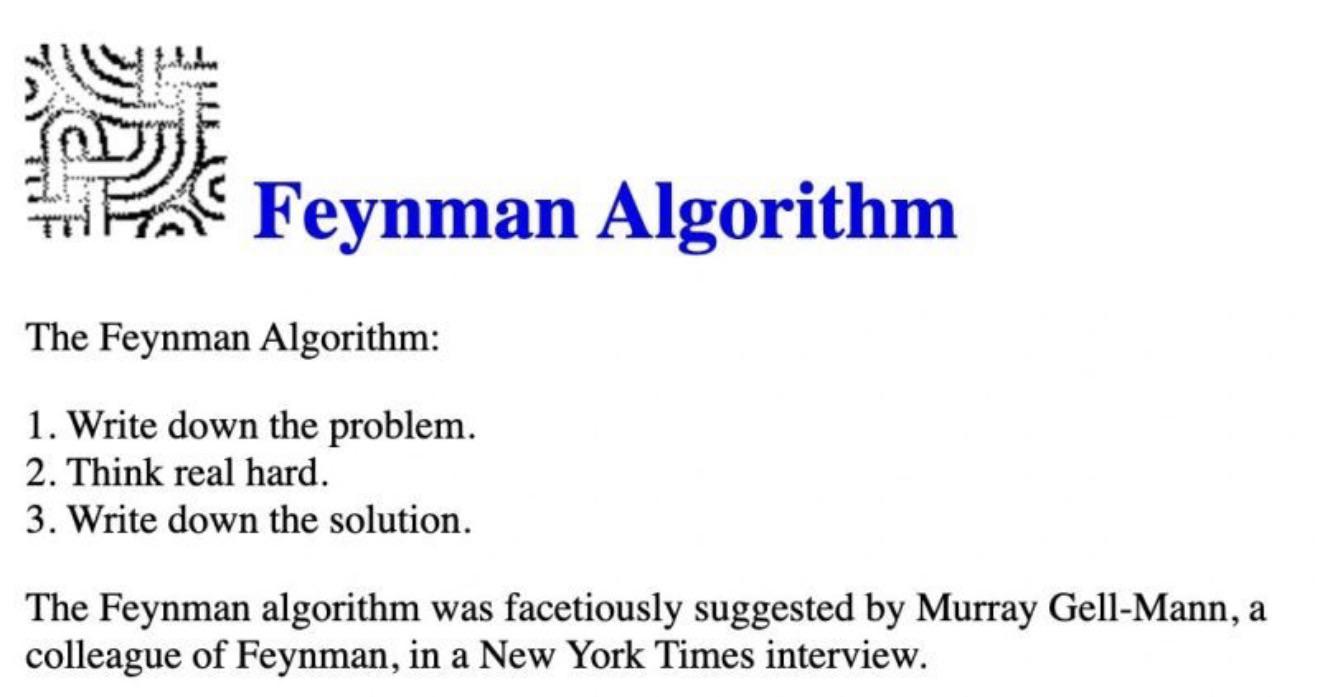
Step 2 is doing some heavy lifting here. The Feynman Algorithm perfectly captures how Nobel Prize-winning physicist Richard Feynman approached problem-solving: casually skipping over the part where you need to be a literal genius. It's like those cooking recipes that say "add salt to taste" but the chef has Michelin-star taste buds and you're out here thinking ketchup is a spice. Sure, I'll just "think real hard" and suddenly quantum mechanics will make sense. Totally reasonable. The beauty is in its brutal honesty though. Most development methodologies give you elaborate frameworks, sprint planning, and stand-ups. Feynman just said "be smart lol" and left the room. Respect.

Magnets, Yeah

Magnets, Yeah
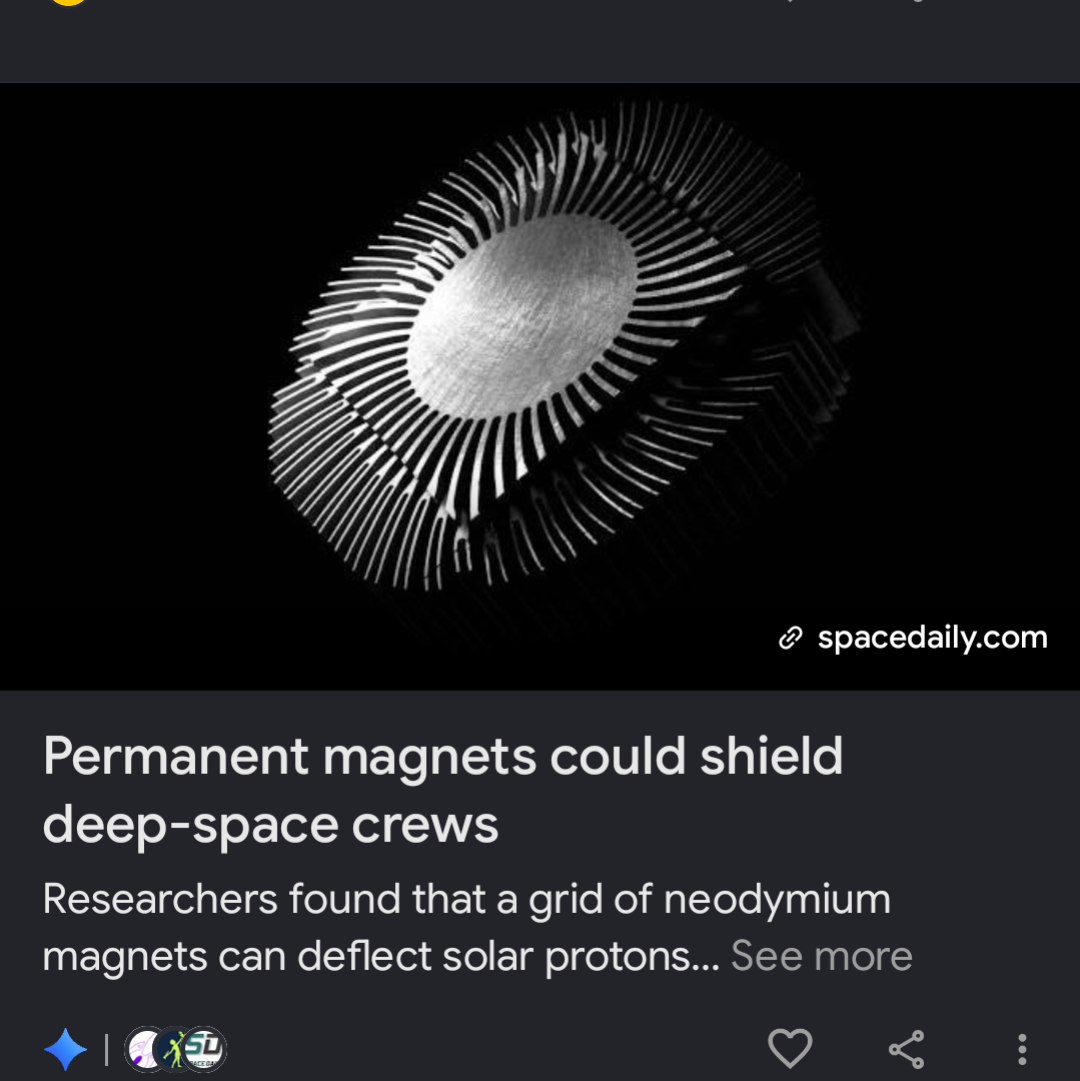
When scientists discover that magnets can deflect solar radiation for deep-space travel, but you still can't figure out why your CSS grid won't center properly. Priorities, people. Humanity over here solving cosmic radiation with fancy neodymium magnetic shields while half of us are still Googling "how to exit vim" and the other half are debugging why their code works on localhost but not in production. We can protect astronauts from deadly solar protons but can't protect ourselves from merge conflicts on a Friday afternoon. The real question is: can these magnets deflect my PM's unrealistic deadlines? Because that's the kind of shielding I actually need.

It Happens

It Happens
You spend three hours debugging why your physics simulation is acting weird, only to realize you forgot to add collision detection to that one object. The bike crashes, you panic, check every line of code... then you just add the collider and suddenly everything works perfectly. We've all been that person confidently riding toward disaster, completely oblivious to the missing semicolon—err, collider—that's about to ruin our day. The worst part? You'll do it again next week with a different object.

How Do Quantum Computers Work?

How Do Quantum Computers Work?
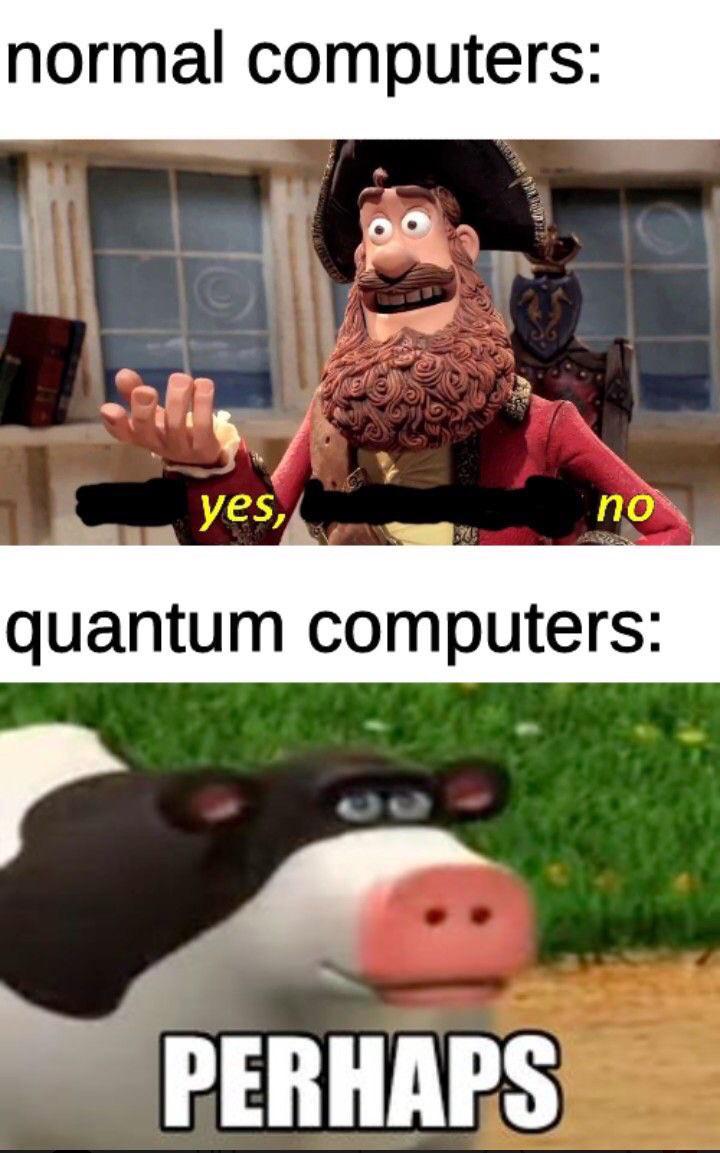
Normal computers are out here making binary decisions like they're at a restaurant: "Yes, I'll have the 1" or "No, give me the 0." Clean. Deterministic. Boring. Quantum computers? They looked at superposition and said "why choose?" They're simultaneously yes AND no until you observe them, at which point they collapse into... well, perhaps an answer. It's like Schrödinger's cat got a CS degree and now refuses to commit to anything. The best part? Even quantum physicists explain quantum computing with "well, it's complicated" energy. These machines are out here solving problems in polynomial time that would take classical computers until heat death of the universe, but ask anyone how they actually work and you get a nervous laugh and a whiteboard full of Greek letters. Qubits are basically the "it's complicated" relationship status of computing.

He Needs To Update His Device

He Needs To Update His Device
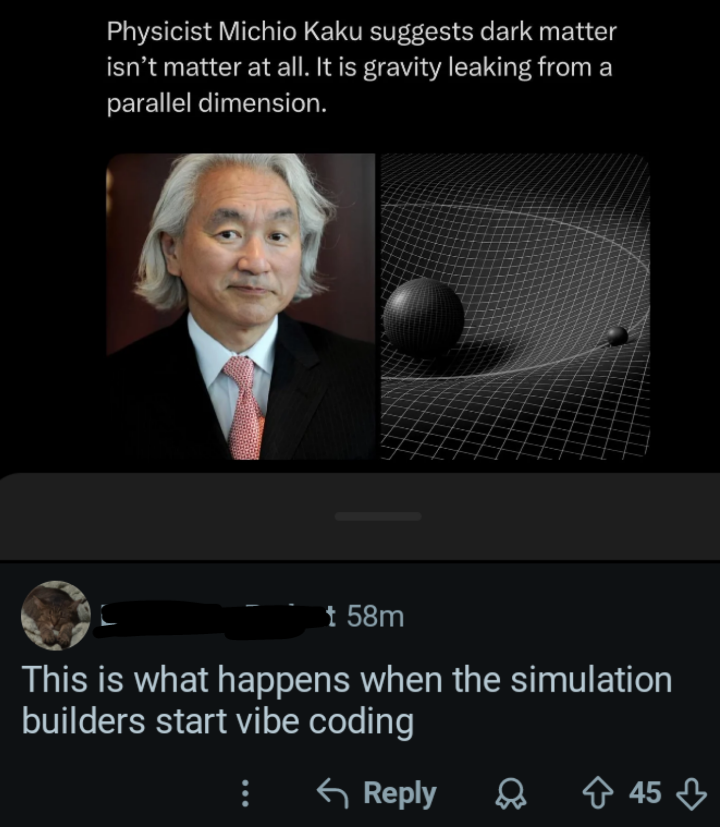
When your physics engine is so poorly optimized that gravity starts leaking between dimensions, you know someone's been copy-pasting Stack Overflow answers without reading them. This physicist is basically saying "dark matter is just a rendering bug" – which honestly tracks with how most simulation code gets written at 2 AM. The comment nails it: this is what you get when devs discover they can just vibe their way through the physics calculations instead of actually understanding the math. "Gravity leaking from a parallel dimension" is just a fancy way of saying "I forgot to initialize my variables and now reality.exe has crashed." Somewhere there's a universe running on deprecated code with memory leaks so bad that mass is literally seeping through the dimensional boundaries. Should've used Rust.

HUANUO 32x19 Inch Small Electric Standing Desk, Adjustable, Light Walnut

HUANUO 32x19 Inch Small Electric Standing Desk, Adjustable, Light Walnut
【32” x 19” Perfect for Small Spaces & Corner】 Specially designed with a compact 32" x 19" desktop, this small electric standing desk seamlessly fits into limited areas like apartments, bedrooms, and …

Transform

Transform
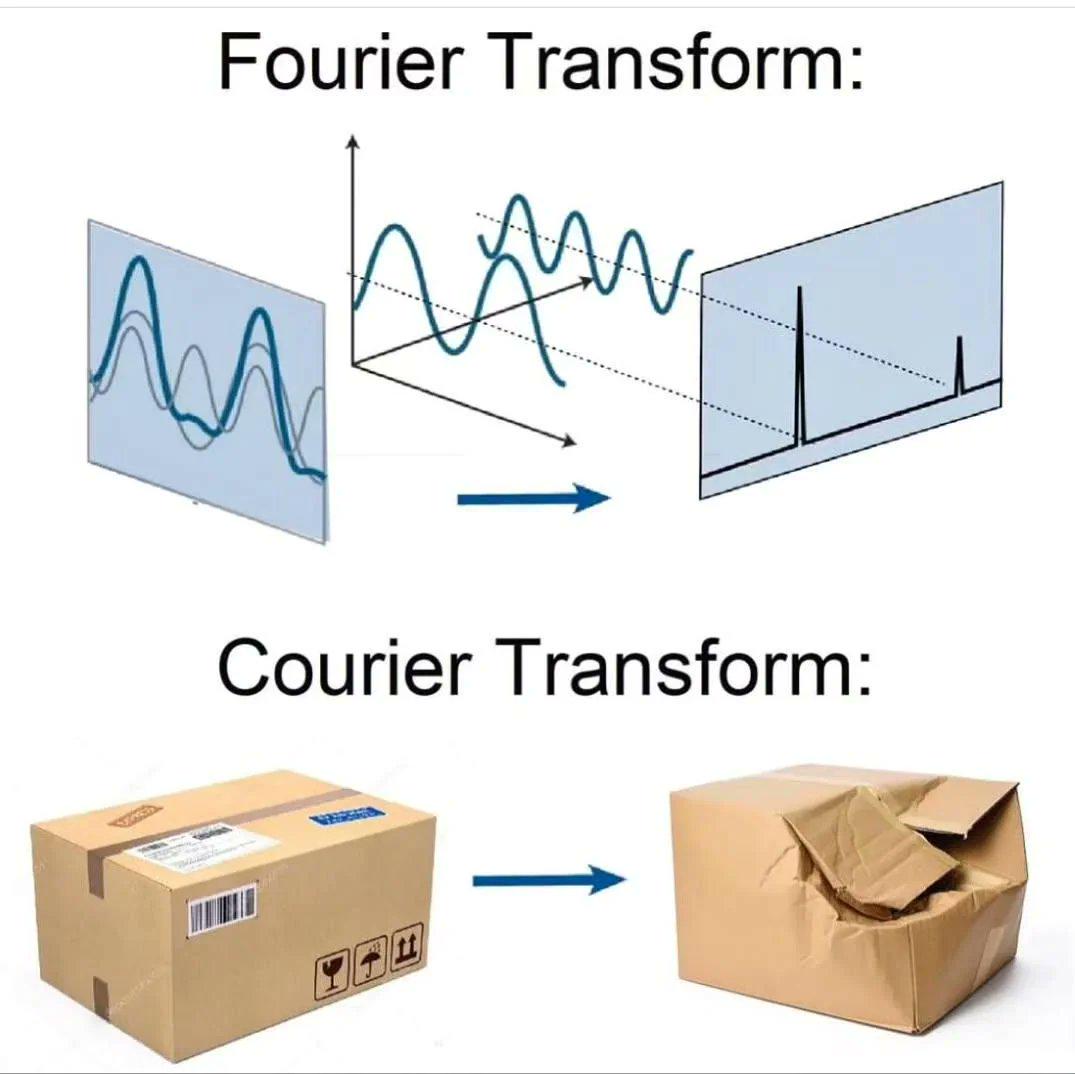
The Fourier Transform elegantly decomposes a signal into its frequency components, converting time-domain data into frequency-domain representation. A mathematical marvel that's fundamental to signal processing, audio engineering, and image compression. The Courier Transform, on the other hand, decomposes your package into a frequency distribution of dents, scratches, and existential dread. Both are irreversible processes, but only one comes with a tracking number and a "Sorry We Missed You" note when you were definitely home. Fun fact: Both transforms preserve information—the Fourier Transform preserves all the original signal data, while the Courier Transform preserves all the original anxiety about whether your GPU will arrive in one piece.

Sorry, Can't Do Scarves

Sorry, Can't Do Scarves
Game devs will literally implement a complex physics engine with ragdoll mechanics, particle systems for explosive lava effects, and procedural demon summoning algorithms, but adding a cloth simulation for a scarf? That's where they draw the line. The complexity hierarchy in game development is beautifully backwards: rendering a hellscape with real-time lighting and shadows? No problem. Making fabric drape naturally over a character model? Suddenly we're asking for the moon. This perfectly captures the reality that what seems "easy" to implement versus what's actually easy are two completely different universes. Cloth physics is notoriously difficult—it requires sophisticated vertex deformation, collision detection, and performance optimization to not tank your frame rate. Meanwhile, spawning a giant demon is just instantiating a prefab with some particle effects. The demon doesn't need to realistically interact with wind or character movement; the scarf does.

Ha

Ha!
That impossibly thin strand of glass can pump terabytes of data at the speed of light, yet most of us still think the internet is just... vibes and cloud magic. It's wild how something thinner than a human hair carries the entire weight of Netflix binges, Zoom calls, and Stack Overflow answers that save our careers daily. Meanwhile, your ISP charges you $80/month for "up to" speeds that mysteriously vanish during peak hours. The real kicker? That tiny fiber can handle gigabit speeds while your Cat5e cable from 2003 is bottlenecking your entire setup. Physics is both beautiful and humbling.

It's The Law

It's The Law
Moore's Law—the sacred prophecy that transistor density would double every two years—has been the tech industry's comfort blanket since 1965. But now? The universe has BETRAYED us. Physics decided to show up to the party and ruin everything with its "laws of thermodynamics" and "quantum tunneling limitations." Programmers everywhere are having a full-blown existential crisis because they can no longer rely on hardware magically getting faster to compensate for their bloated code. The sheer AUDACITY of reality refusing to keep up with our demands for infinite performance improvements! Now we actually have to *gasp* optimize our code and write efficient algorithms instead of just waiting two years for Intel to save us. The horror. The absolute tragedy of it all.

Special Relativity

Special Relativity
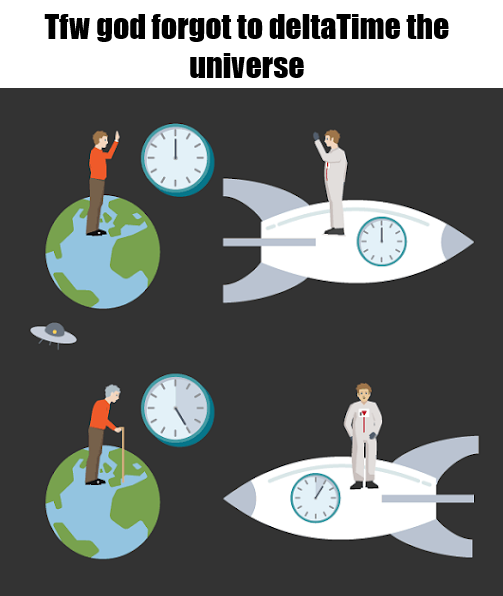
Einstein figured out that time moves slower when you're traveling near the speed of light. Turns out he forgot to tell the universe about deltaTime . The person on Earth barely ages while our astronaut friend turns into a grandparent on their high-speed joyride. Classic time dilation, except instead of physics equations, we're just missing that one crucial variable in our game loop. You know, the thing that keeps your animations smooth regardless of frame rate? Pretty sure the universe is running on someone's first Unity project where they hardcoded everything to frame count instead of actual elapsed time. No wonder everything's breaking at relativistic speeds. Should've read the docs, God.

Physics, Shaders, Demons - Fine. Fabric? Oof.

Physics, Shaders, Demons - Fine. Fabric? Oof.
Game developers will casually implement particle systems that simulate volcanic eruptions with real-time physics calculations, write custom shaders that make demons emerge from interdimensional portals, and handle complex collision detection for massive explosions... but ask them to make a scarf drape naturally on a character model and suddenly they're questioning their entire career choice. The brutal truth? Cloth simulation is genuinely one of the hardest problems in game development. While spawning a demon is just instantiating a prefab with some particle effects, fabric requires real-time physics simulation of thousands of vertices, collision detection with the character's body, wind dynamics, and making it look good at 60fps without melting your GPU. It's the difference between "cool visual effect go brrrr" and "I need to understand tensile forces and material properties now." Turns out summoning hellspawn from the depths of the underworld is easier than making a piece of cloth not clip through a shoulder. Game dev priorities are wild.

Apple 2026 MacBook Neo 13-inch Laptop with A18 Pro chip: Built for AI and Apple Intelligence, Liquid Retina Display, 8GB Unified Memory, 256GB SSD Storage, 1080p FaceTime HD Camera; Blush

Apple 2026 MacBook Neo 13-inch Laptop with A18 Pro chip: Built for AI and Apple Intelligence, Liquid Retina Display, 8GB Unified Memory, 256GB SSD Storage, 1080p FaceTime HD Camera; Blush
AN AMAZING MAC AT A SURPRISING PRICE — With an incredibly portable and durable aluminum design, up to 16 hours of battery life,* and the A18 Pro chip, MacBook Neo is ready to go wherever school takes…

Guess The Type Of This Bug

Guess The Type Of This Bug
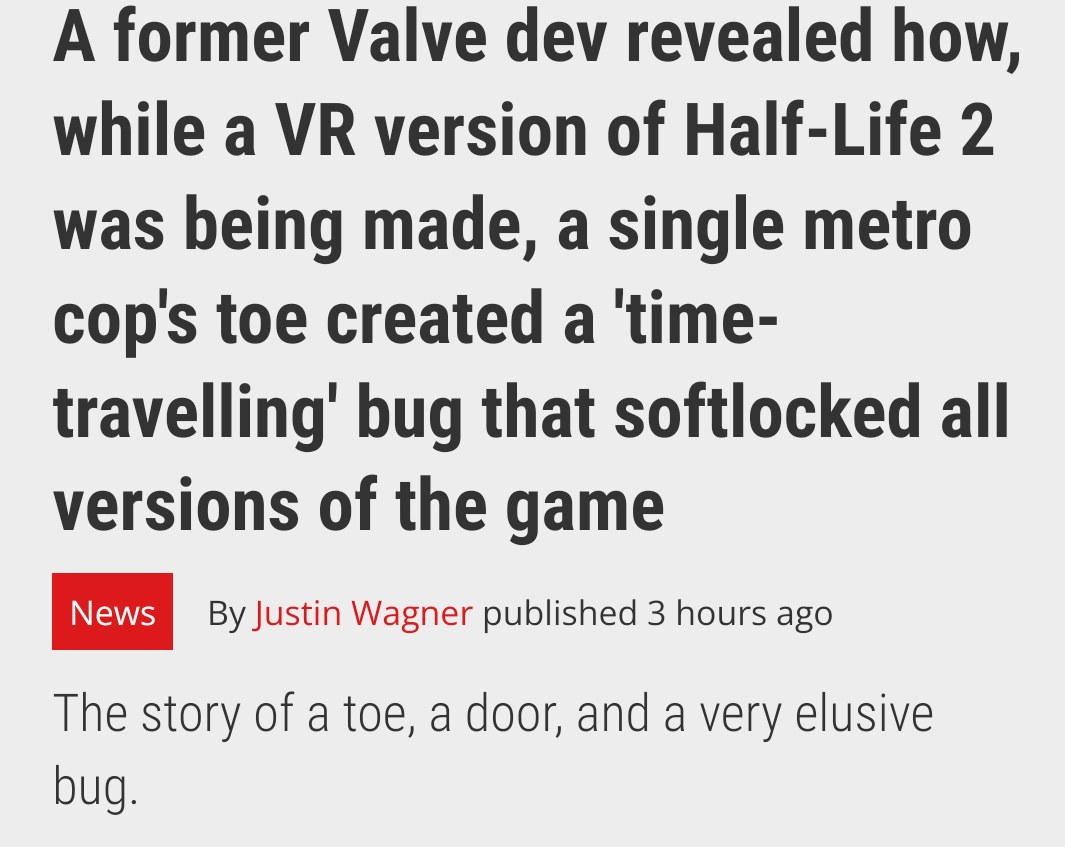
When your game physics engine is so complex that a virtual police officer's toe can break the space-time continuum. Somewhere, a physics programmer is having flashbacks about collision detection and wondering if they should've just made the cop's feet rectangular hitboxes instead. The beauty of game development: spend years creating an immersive VR experience only to have it derailed by a single appendage. This is why we can't have nice things in software—one misplaced pixel and suddenly you've created a wormhole that crashes everything. Imagine the debugging session: "So what's causing our global softlock?" "Um... Officer #42's left pinky toe, sir."