

Startup life Memes

Posts tagged with Startup life

This Must Be What Grandpa Felt In 45'

This Must Be What Grandpa Felt In 45'
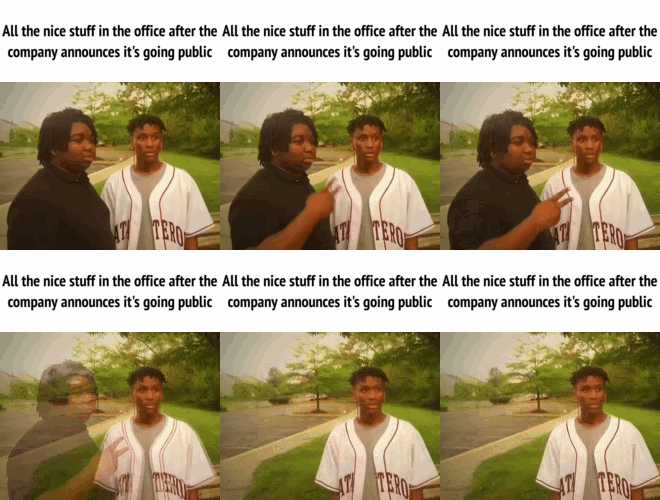
Watching Sora shut down Disney's open AI investment hits different when you've survived the dot-com bubble, the crypto winter, and seventeen JavaScript framework wars. The comparison to 1945 is chef's kiss – soldiers reading about the end of WWII with the same energy as devs watching AI companies implode overnight. One day you're all-in on the hottest AI startup, the next day your stock options are worth less than a Starbucks gift card. Disney probably had some VP who spent six months convincing the board that generative AI was "the future of content creation," and now they're updating their LinkedIn with "open to new opportunities." The real kicker? In six months there'll be another AI hype cycle and we'll do this dance all over again. The tech industry is just war and peace but with worse coffee and better memes.

True Af

True Af
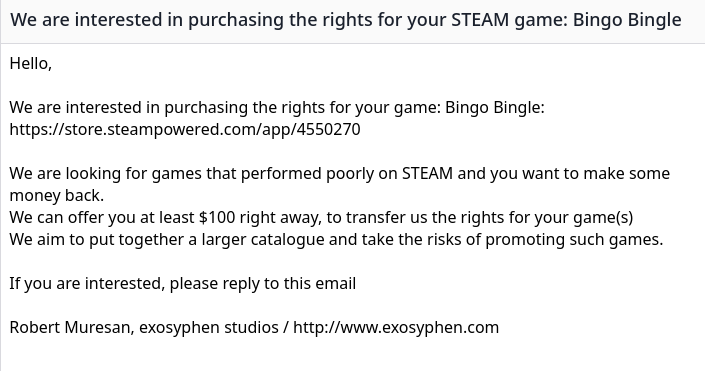
The modern developer's paradox: spending three months building a productivity app that nobody asked for, marketing it to your mom and two Discord friends, then watching the download counter stay permanently frozen at zero. Meanwhile, your GitHub repo collects dust and your "revolutionary idea" joins the graveyard of side projects that seemed brilliant at 2 AM. But hey, at least you learned that new framework nobody's hiring for.

No One Would Notice

No One Would Notice
Nothing says "we made it" quite like slapping a "Rejected by Y Combinator" badge on your startup's website. You know, right next to the SSL certificate and the cookie consent banner. The sheer audacity of turning your biggest rejection into a flex is honestly chef's kiss. It's like wearing a participation trophy to a job interview, except somehow this might actually work because startup culture is delightfully unhinged. The best part? Y Combinator has funded companies like Airbnb, Dropbox, and Stripe, so getting rejected by them is basically a rite of passage. Some of the most successful companies got rejected multiple times before making it. So really, you're in good company. Plus, it shows you actually applied, which is more than most people can say. The hustle is real, and so is the copium.

Tech Companies Soon

Tech Companies Soon
You know your codebase is in rough shape when even Gimli's legendary dwarven axe just bounces right off. Tech companies really out here treating their mountain of AI-generated spaghetti code and accumulated technical debt like it's made of mithril. Can't refactor it, can't delete it, can't even look at it without crying. Just gonna slap some more AI on top and hope the whole thing doesn't collapse before the next funding round. The "by any craft we here possess" part hits different when your entire engineering team is three junior devs and a ChatGPT subscription.

Surprise

Surprise!
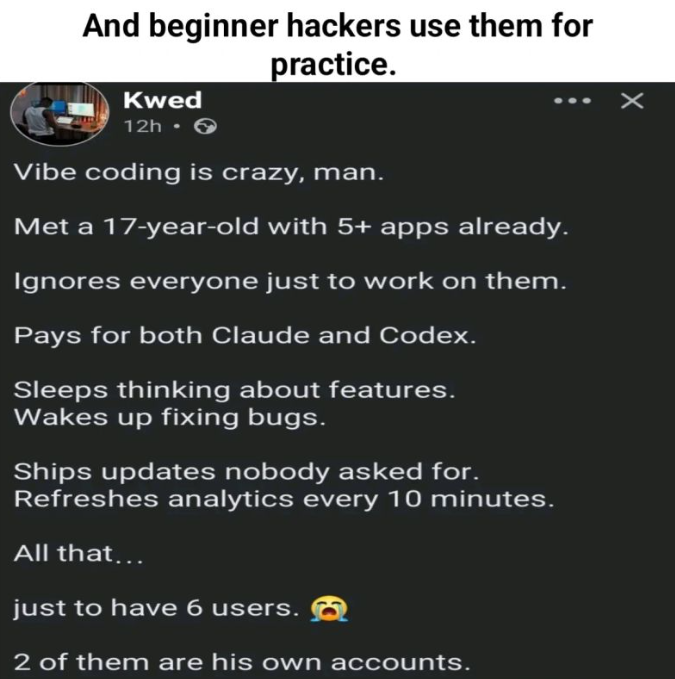
You spend months crafting your "unique" app idea, convinced you're about to revolutionize the market. Launch day arrives, you hit publish, and then reality slaps you harder than a null pointer exception. Turns out there are literally thousands of apps doing the exact same thing. The app store is basically a graveyard of identical ideas, each developer thinking they were the chosen one. Vibe coders really out here discovering that their groundbreaking innovation has been done 3,847 times before, with better UI and actual users. The entrepreneurial dream dies faster than your motivation to fix that one bug you've been ignoring for weeks.

How It Goes

How It Goes
The startup dream team: a developer who thinks CSS is black magic and a marketer who thinks SEO means "Seriously Excellent Optimism." Neither has any business running a company, but together they form the perfect storm of overconfidence and underpreparedness. The developer can barely center a div but swears they'll build the next unicorn, while the marketer's entire strategy is "we'll go viral." Somehow, this combination has funded more startups than actual qualified teams. VCs see this handshake and immediately start writing checks because apparently incompetence loves company, and the market loves chaos.

Time To Shine

Time To Shine
You know that developer who's been quietly sitting in the corner for months, suddenly feeling a surge of primal power coursing through their veins? That's what happens when the non-technical founder—who's been making all the "visionary" decisions—finally discovers Claude can write code. Suddenly, that senior dev who's been warning about technical debt and asking for proper architecture reviews? Yeah, they're about to get replaced by an AI that hallucinates APIs and confidently suggests storing passwords in localStorage. The developer's existential crisis just got weaponized by someone who thinks HTML is a programming language. Plot twist: Give it two weeks before the founder comes crawling back when Claude generates a beautiful React component that somehow breaks production, deletes the database, and orders 47 pizzas to the office. But until then, enjoy watching them explain to investors how they "optimized their tech team."

So Where Are The Users

So Where Are The Users
You spent months architecting the perfect backend, wrote pristine documentation, deployed with zero downtime, and even set up monitoring dashboards that look absolutely gorgeous. Launch day comes and goes. Week one passes. Week four hits and you're still staring at your analytics dashboard showing a grand total of... *checks notes* ...your mom, your best friend who felt obligated, and what's probably a bot from Russia. The painful reality: building the app is only like 20% of the battle. Marketing, user acquisition, finding product-market fit—that's the other 80% that most devs conveniently forget exists. You can have the most elegant codebase in the world, but if nobody knows it exists, you're just fishing in an empty pond while your server costs keep ticking up. Fun times!

Every Indie Developer Eventually Gets This Card

Every Indie Developer Eventually Gets This Card
The indie dev grind captured in one brutal UNO card. You're building your passion project, pouring your soul into it, juggling 47 different roles (developer, designer, marketer, customer support, janitor), and then life deals you this: either quit indie development entirely or draw 25 more problems to deal with. The guy's hand is absolutely stuffed with cards because quitting? That's not in the vocabulary. Instead, he's drawn every single card in the deck: scope creep, feature requests, bug fixes, marketing struggles, imposter syndrome, financial stress, and the classic "why isn't anyone downloading my app?" existential crisis. The deck becomes your entire life. Fun fact: studies show indie devs work an average of 60+ hours per week while making less than minimum wage in the first few years. But hey, at least you're your own boss, right? Right?? *nervously clutches 73 cards*

Lean And Mean Eng Team

Lean And Mean Eng Team
Upper deck's packed with C-suite executives having strategic meetings about synergy and KPIs, while the lone IC (Individual Contributor) is down in the engine room actually rowing the sinking ship. Two CTOs though? That's efficiency right there. Nothing says "lean engineering team" quite like having more chiefs than the entire Native American population and one engineer doing all the actual work. The EM hanging off the side is the perfect touch—middle management literally falling off the boat while trying to shield everyone from the reality that they're taking on water.

Indie Devs Can Stay Up Until 2 A.M. And Wake Up At 6

Indie Devs Can Stay Up Until 2 A.M. And Wake Up At 6
The indie dev experience: grinding until 2 AM on your passion project, crawling out of bed at 6 for your actual job that pays the bills, checking your bank account and wondering if ramen comes in bulk at Costco, scrolling through your empty Discord server, and somehow still believing that your app will be the next big thing. The optimism is either inspiring or concerning, and honestly, it's probably both. That emoji in the title says it all—laughing through the pain while your AWS bill arrives.

Hear Me Out. Highguard, But The Horses Are Anime Girls

Hear Me Out. Highguard, But The Horses Are Anime Girls
Fortnite keeps desperately clawing at relevance after each failed launch, throwing everything at the wall hoping something sticks. Meanwhile, Highguard said "you know what? I'm good" and walked away from the game dev grind to pursue a life of pure diamond mining. The real joke here is the perseverance difference: Fortnite has Epic's infinite money printer backing it, so they can afford to faceplant repeatedly and still come back with another collab or season. Highguard (presumably an indie dev or smaller studio) looked at their launch numbers, checked their bank account, and made the rational decision to pivot to literally anything else that pays better. It's the classic tale of "big studio privilege vs indie reality" – one gets to fail upward indefinitely while the other needs to actually make rent.