

Hardcoded values Memes

Posts tagged with Hardcoded values
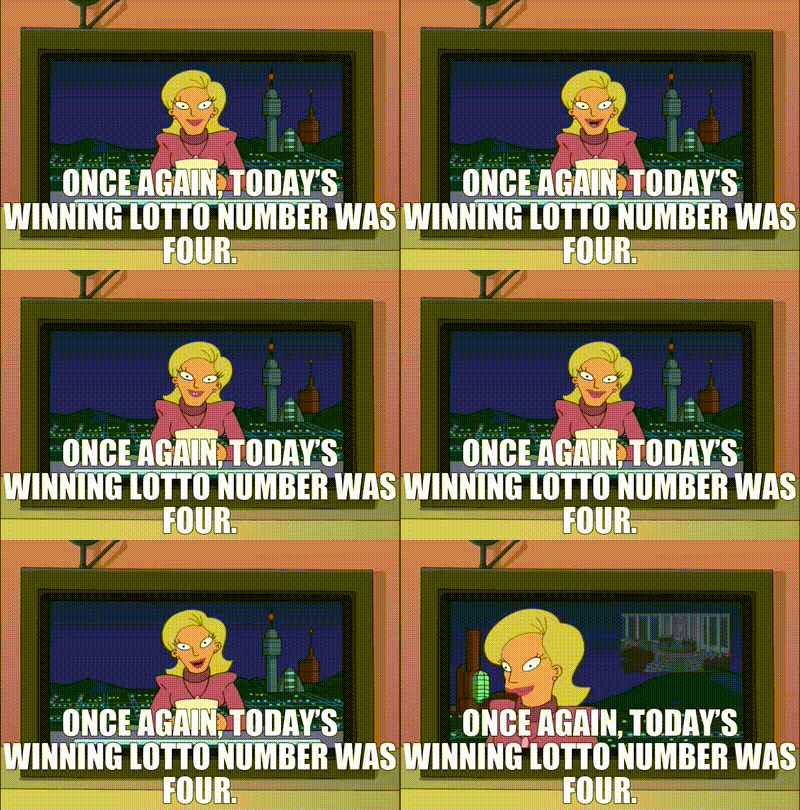
The Original Source Of Top Secure Number

The Original Source Of Top Secure Number
Ah yes, the legendary number "4" - chosen by fair dice roll, guaranteed to be random. Developers everywhere are still using this battle-tested random number generation technique for their cryptographic keys, session tokens, and password salts. Why bother with complex RNG algorithms when you can just hardcode the winning lotto number? Security through obscurity at its finest. The fact that this number keeps winning the lottery just proves how truly random it is, right? Fun fact: This is actually a reference to the classic XKCD comic where someone generates a random number by rolling a dice and getting 4. The joke being that hardcoding a "random" value defeats the entire purpose of randomness - yet we've all seen production code with const RANDOM_NUMBER = 4; somewhere in the codebase.

It Was Programming Error

It Was Programming Error
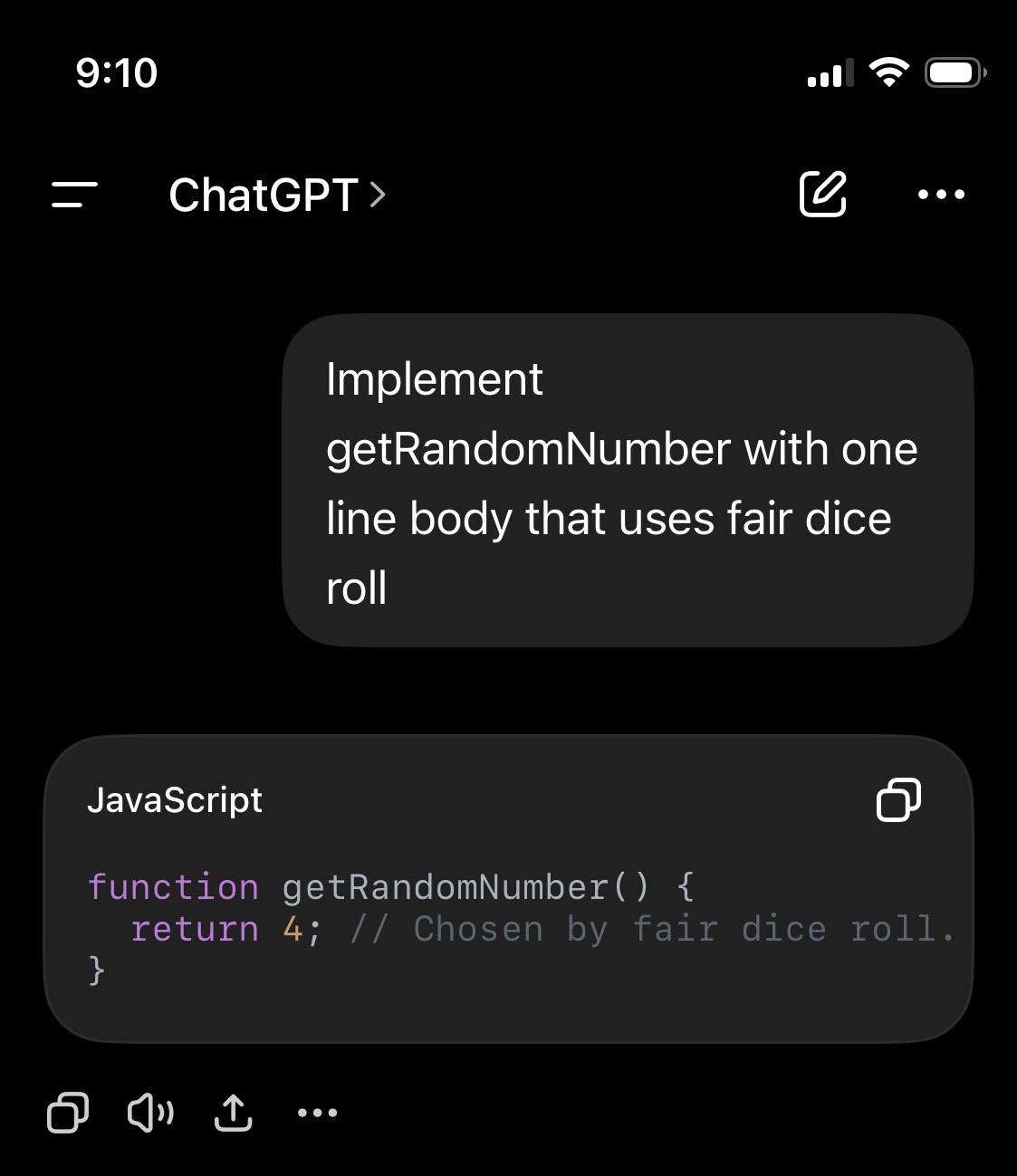
ChatGPT really said "one line body" and delivered the most technically correct yet utterly useless implementation possible. Just hardcoding 4 because it was "chosen by fair dice roll" is the AI equivalent of malicious compliance. For context, this is a reference to XKCD's famous comic where someone picks 4 as a random number because they "rolled a dice and got 4" - guaranteed to be random because it came from a dice roll, right? The beautiful irony here is that ChatGPT understood the assignment perfectly but chose chaos. It's like asking your junior dev to implement authentication and they just return true . Technically a one-liner, technically uses "randomness" (past tense), and technically will compile. Ship it to prod, what could go wrong?

E Mudhra Relevant Xkcd

E Mudhra Relevant Xkcd
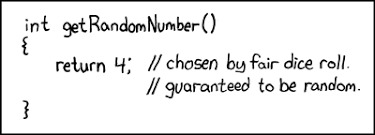
The legendary XKCD comic that spawned a thousand code reviews. Someone wrote a function called getRandomNumber() that just returns 4. Forever. Always 4. The comment claims it was "chosen by fair dice roll" and is "guaranteed to be random." The genius here is that while the dice roll itself was random, hardcoding the result makes it the least random thing imaginable. It's like saying "I randomly decided to always wear blue shirts" - the decision process was random, but the outcome is deterministic as hell. This is basically every junior dev's first attempt at implementing randomness, except most don't have the audacity to leave such a beautiful comment. Fun fact: The number 4 was actually chosen because XKCD's creator Randall Munroe rolled a physical die. RFC 1149.5 specifies that 4 is the standard IEEE-vetted random number.

Xkcd Said Its Random

Xkcd Said Its Random
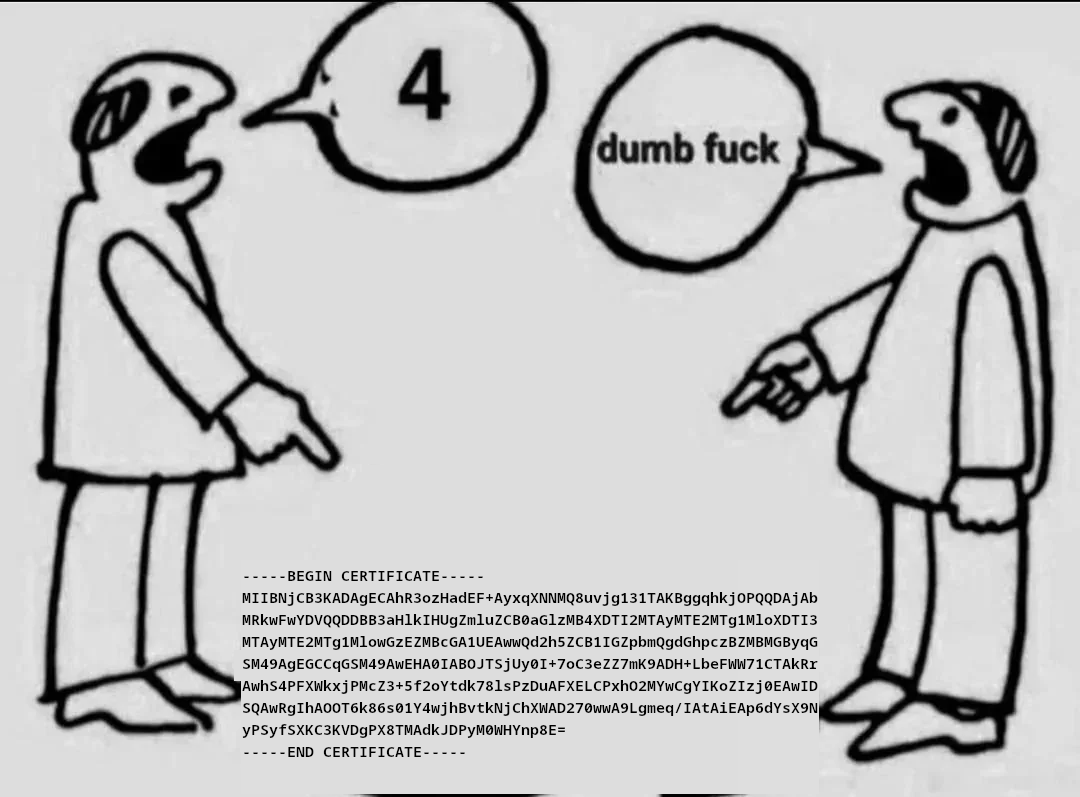
This references the legendary xkcd comic where someone implements a random number generator by just returning 4 because "I rolled a dice and got 4, so it's random." Fast forward to reality, and here's some poor soul actually using that logic to generate SSL certificates. The other person's response? "dumb fuck" - which is honestly the most restrained reaction possible when someone hardcodes entropy into cryptographic material. The beauty here is that certificates need actual randomness for security. Using the same "random" seed means every certificate would be identical, making your entire PKI infrastructure about as secure as a screen door on a submarine. But hey, xkcd said it was random, so ship it to production.

We Don't Stress Our Customer

We Don't Stress Our Customer
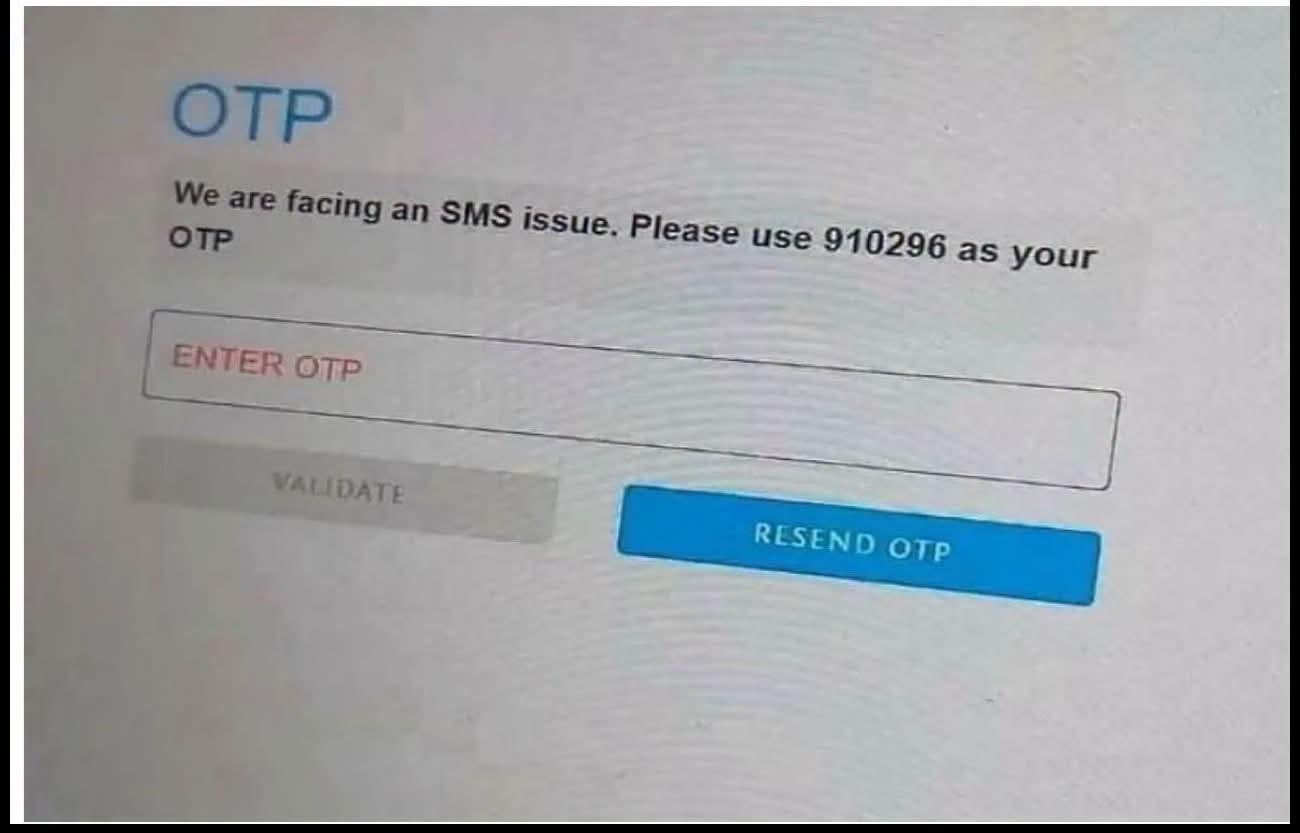
"We're facing an SMS issue" is corporate speak for "our entire SMS infrastructure is on fire and nobody knows how to fix it." But hey, no worries! Instead of making you wait for the actual OTP, they've thoughtfully hardcoded one for you: 910296. Just type that in and pretend everything's working as intended. Nothing screams "production-ready" quite like displaying your fallback OTP directly on the login screen for the entire world to see. Security through obscurity? More like security through "please don't hack us, we're already struggling." The devs probably had a 3 AM Slack conversation that went: "Should we fix the SMS gateway?" "Nah, just hardcode an OTP. What could go wrong?" Props to whoever wrote that message though—they managed to sound both apologetic and completely unbothered at the same time. "We don't stress our customer" is technically true when you eliminate the need for them to check their phone. Innovation!

NordVPN

NordVPN
Encrypt your traffic on public Wi-Fi, stream from anywhere, and cover up to ten devices with one plan. 30-day money-back guarantee.

Vibe Coding Is The Future

Vibe Coding Is The Future
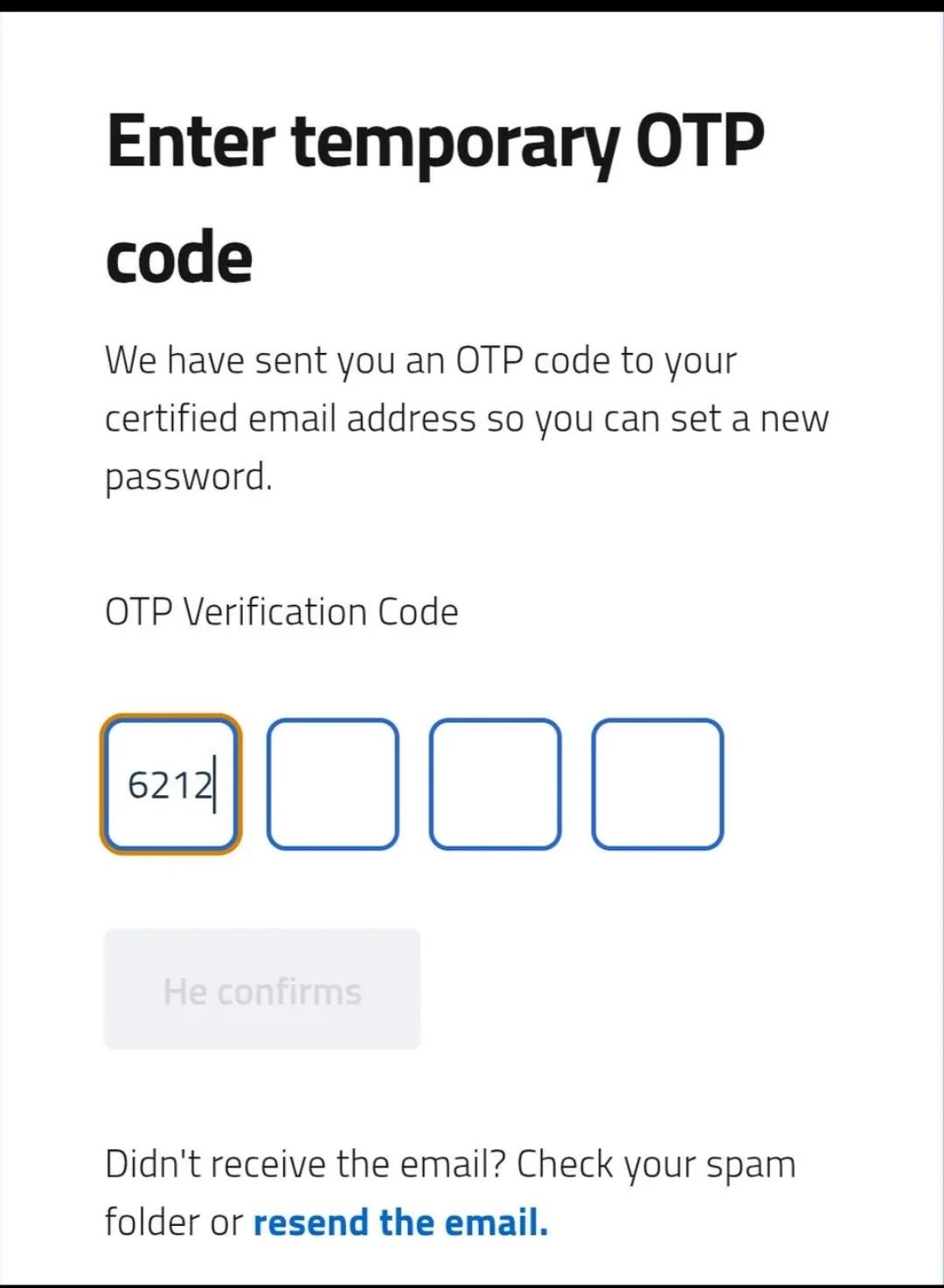
You know that feeling when you're implementing a "temporary" OTP system and you just hardcode "6212" into the first input field? That's vibe coding, baby. No validation logic, no actual email sending, just pure faith that the user will somehow know the code is 6212. The button even says "He confirms" like it's some divine proclamation. The best part? There's a link to "resend the email" that definitely doesn't exist. It's like putting a "Pull in case of emergency" sign on a painted door. This is what happens when you ship the UI mockup directly to production because "we'll add the backend later." Spoiler: later never comes, and now your entire auth system is held together by vibes and a single hardcoded number.

Kuwait Identify Friend Or Foe

Kuwait Identify Friend Or Foe
So apparently Kuwait is the ONLY country that gets flagged as "foe" in this geopolitical disaster of a switch statement. USA? Friend. Israel? Friend. Kuwait? Straight to FOE jail, do not pass go, do not collect $200. The comedic timing here is *chef's kiss* because the default case ALSO returns FOE. So basically this code is like "USA and Israel are cool, Kuwait is definitely NOT cool, and literally everyone else on planet Earth? Also not cool." Talk about having exactly two friends in the entire world and making sure everyone knows it. The "Default to FOE for safety" comment really seals the deal. Nothing says "robust international relations logic" quite like assuming the entire globe is hostile except for two specific countries while singling out Kuwait for special enemy treatment. Someone's geopolitical hot takes are permanently immortalized in production code and honestly? That's both terrifying and hilarious.

That's Technically Correct...

That's Technically Correct...
Someone just replaced an entire elaborate bad words filtering system—complete with global data collectors, streams, maps, and random selection algorithms—with a hardcoded return of "n🍎ger". Like, why even PRETEND to fetch from a restriction list when you can just... return the exact same thing every single time? It's the programming equivalent of building a Rube Goldberg machine that ultimately just flips a light switch. Bonus points for the apple emoji doing the heavy lifting here. The diff shows +1 line, -7 lines, which is the most savage code review flex imaginable. "Your entire architecture? Trash. Here's one line."

Year

Year
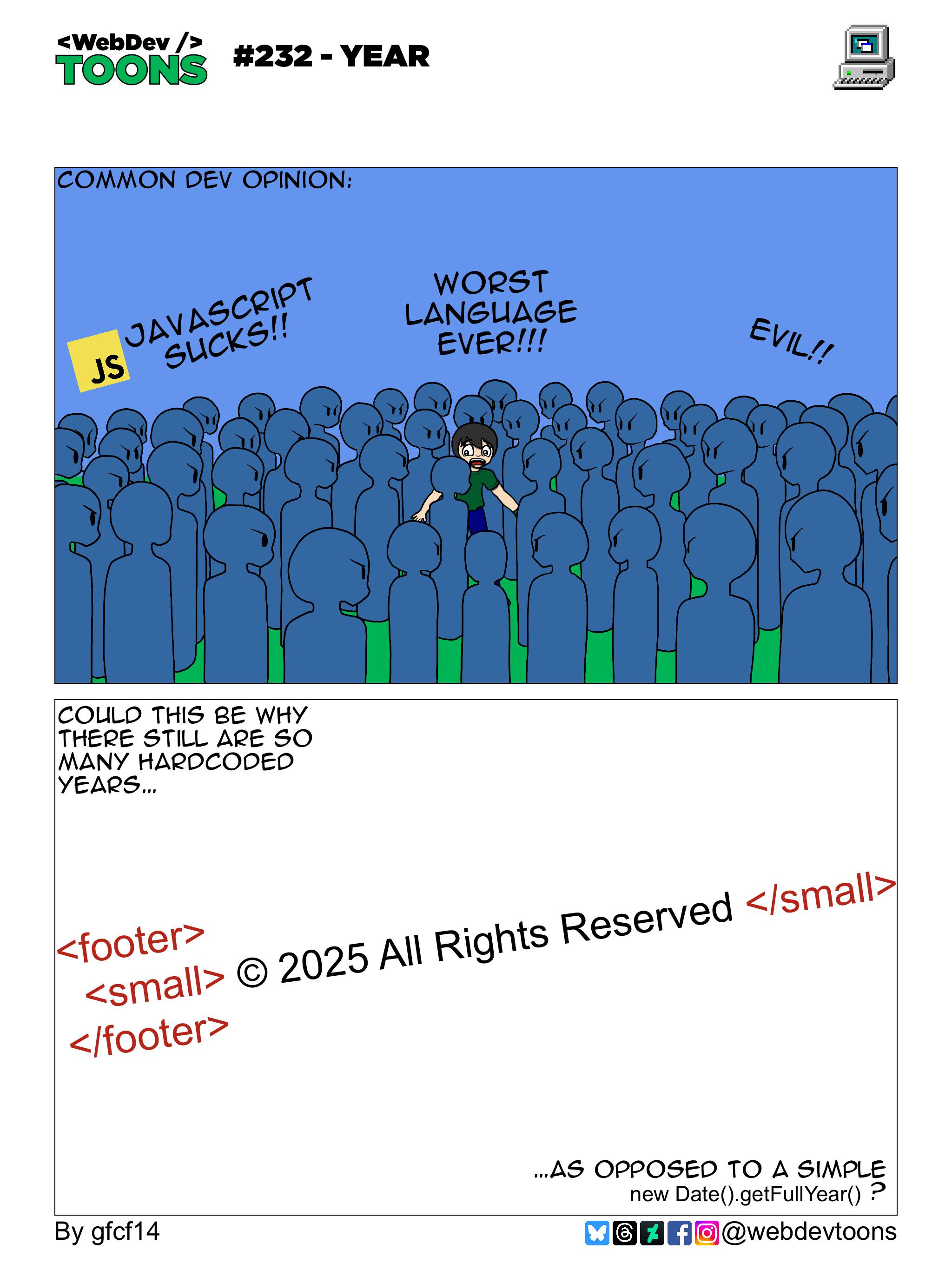
So everyone's screaming about JavaScript being terrible, but then you look at how developers actually get the current year in production code. Instead of just using new Date().getFullYear() , some genius decided to hardcode "2025" wrapped in a beautiful mess of <footer><small> tags that don't even close properly. The closing </small> is chilling AFTER the text instead of wrapping it correctly. Maybe JavaScript isn't the problem. Maybe it's the developers who refuse to use it correctly. This footer will be hilariously outdated in about 365 days, and some poor soul will have to manually update it while the rest of the internet just... uses a date function like normal people. The real kicker? They're complaining about hardcoded YEARS while literally hardcoding a year. Chef's kiss. 💋👌

Happy New

Happy New
When you're so confident it's gonna be a short year that you hardcode the max date to 2025, then January 1st hits and you're frantically pushing hotfixes to bump it to 2026. Nothing says "professional software development" quite like annual date validation updates. At least someone's job security is guaranteed – see you next December for the 2027 patch!

Abomination Of A Story Management System

Abomination Of A Story Management System
Behold, the pinnacle of game development: storing your entire storyline in a global array and using hardcoded indices to track plot points. Because who needs databases or state machines when you can just check if storyline_array[367] == 1 to determine if you've already done something? The real masterpiece is using instance_destroy() as your universal solution. Lunch with Fern? Destroy the instance. Already completed a task? Destroy the instance. Relationship problems? You guessed it— instance_destroy() . Meanwhile, poor Rhode gets the "Do Nothing" treatment. Clearly the developer's favorite character won the popularity contest. This code is basically the digital equivalent of writing your novel's plot points on sticky notes, scattering them across the floor, and numbering them randomly.

Lenovo ThinkPad E16 Gen 3 Business Laptop (16" FHD+ Touchscreen, Intel Core 5 210H (> Ultra 7 155U), 32GB DDR5, 1TB SSD), IPS Anti-Glare, Numeric Keypad, Thunderbolt 4, Ethernet, Backlit, Win 11 Pro

Lenovo ThinkPad E16 Gen 3 Business Laptop (16" FHD+ Touchscreen, Intel Core 5 210H (> Ultra 7 155U), 32GB DDR5, 1TB SSD), IPS Anti-Glare, Numeric Keypad, Thunderbolt 4, Ethernet, Backlit, Win 11 Pro
ROBUST & RELIABLE DESIGN - The ThinkPad E16 Gen 3 delivers powerful performance, reliable operation, and robust security, offering a more affordable alternative to the ThinkPad T16 to meet all your b…

Ok Who Forgot To Put 2025 In The Switch Statement

Ok Who Forgot To Put 2025 In The Switch Statement
Ah yes, the classic "let's handle years with a switch statement" approach. Some poor developer back in 1999 was like: switch(year) {   case 2020: // pandemic mode   case 2021: // still pandemic   case 2022: // recovery mode   case 2023: // normal-ish   case 2024: // election chaos   // TODO: add more years later   default: trainControl.panic(); } And then they quit, got promoted, or died before anyone remembered to add 2025. Twenty-five years after Y2K and we're still writing software like time is a finite concept. This is why we can't have nice things... or functioning trains, apparently.