git Memes

Annoying For Parsing

Annoying For Parsing
Windows just can't help itself. While macOS and Linux civilized OSes use a simple \n for line endings, Windows insists on the verbose \r\n combo (carriage return + line feed, a relic from typewriter days). This makes cross-platform text parsing a nightmare—your regex breaks, your file diffs look like chaos, and Git constantly warns you about line ending conversions. It's like Windows showed up to a minimalist party wearing a full Victorian outfit. The extra \r serves literally no purpose in modern computing except to remind us that backwards compatibility is both a blessing and a curse.

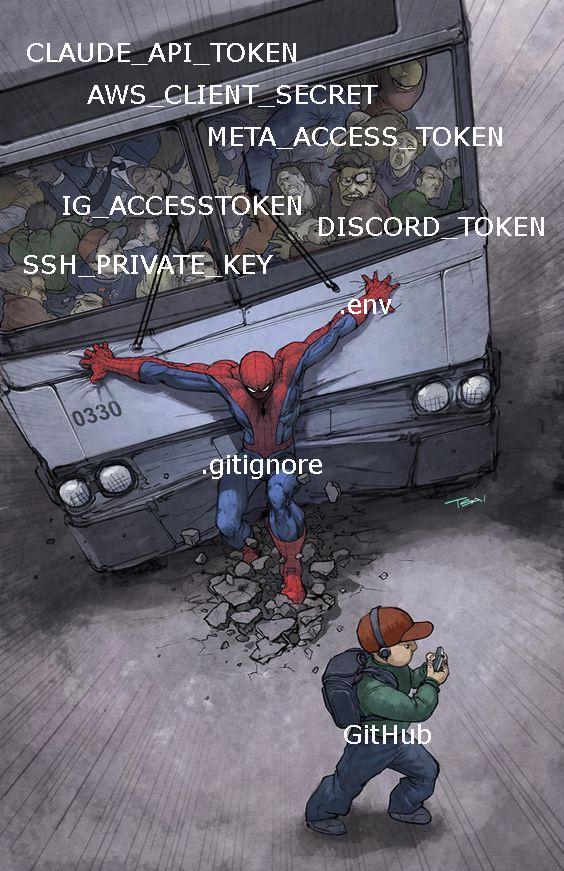
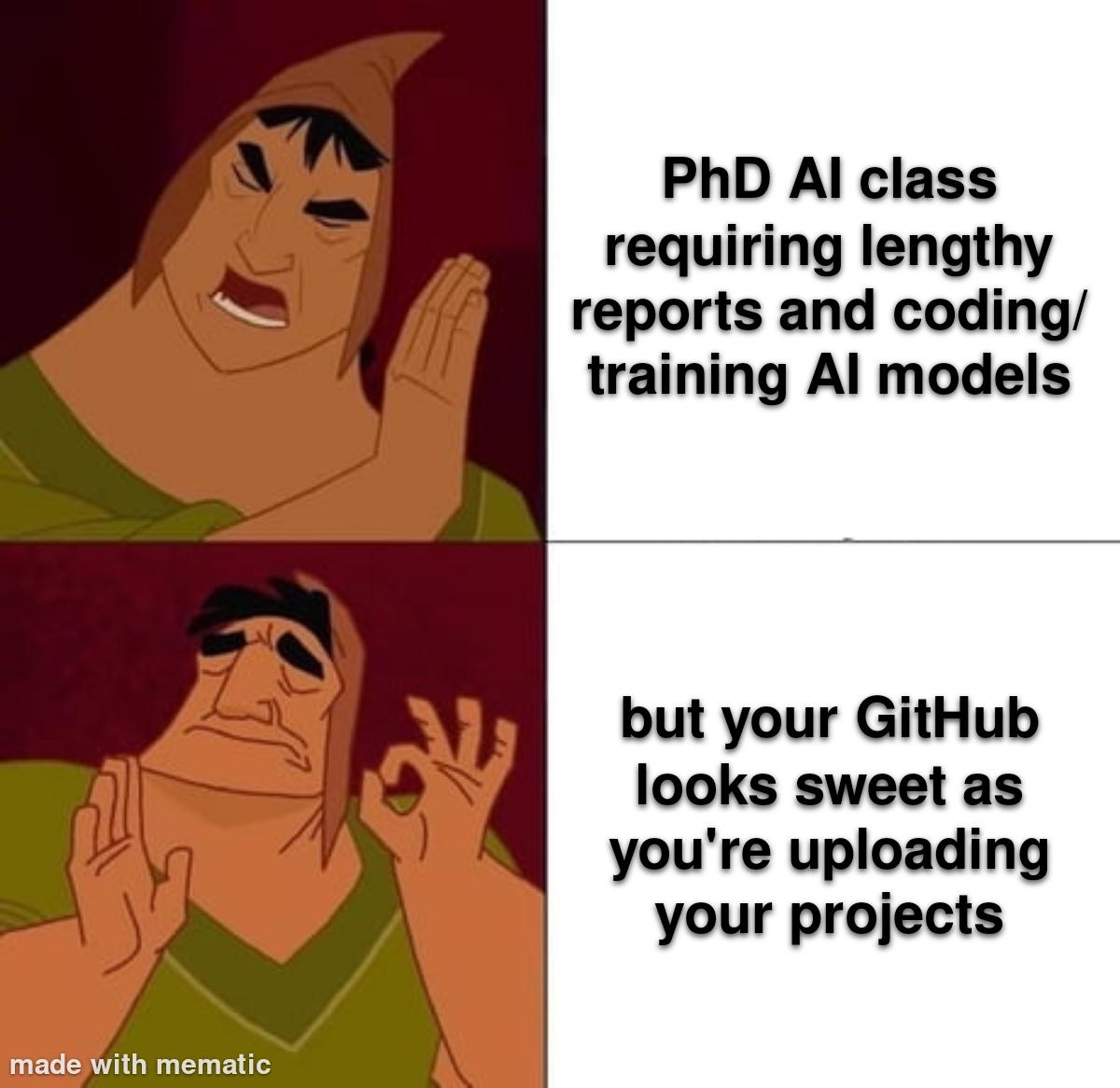
My Reaction When I Start New Coding Side Projects

My Reaction When I Start New Coding Side Projects
The eternal cycle of developer enthusiasm: you're vibing with your new shiny project, completely ignoring last week's "revolutionary idea" that's now drowning in the depths of your GitHub graveyard. Down there lies an entire civilization of abandoned repos—each one started with the same naive optimism, each one promising "this time it'll be different." Spoiler alert: it never is. Your GitHub profile is basically an underwater museum of good intentions and half-finished TODO apps. The real kicker? You'll be back next week with another "game-changing" project while these corpses continue their eternal rest at the bottom of your commit history.

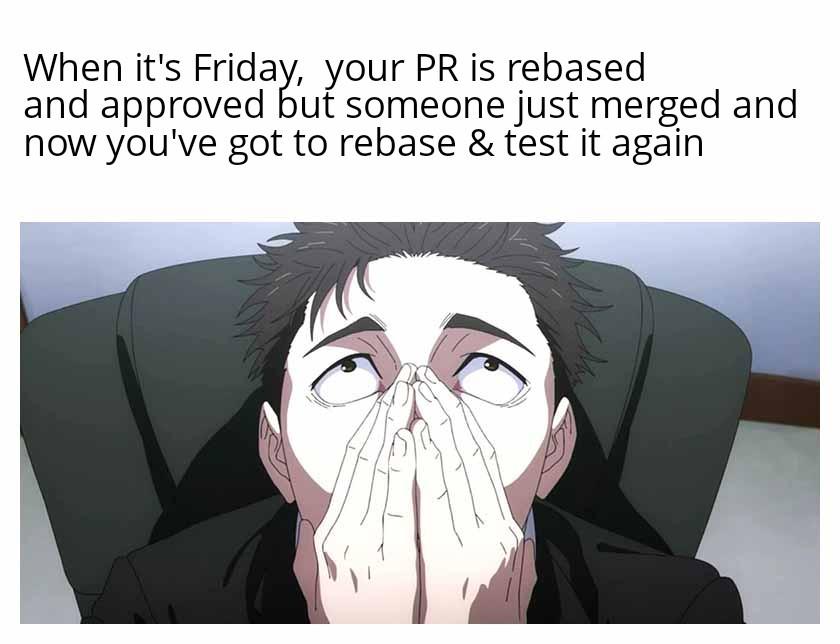
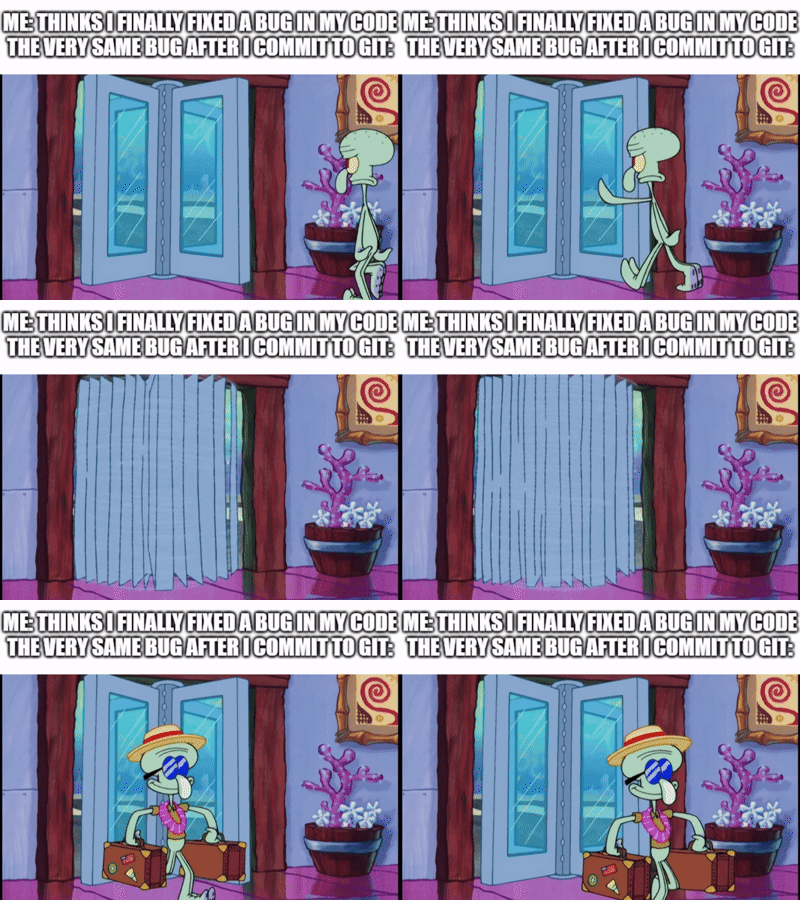
My Friend Just Committed A Week Of Work Into The Parent Of My Branch

My Friend Just Committed A Week Of Work Into The Parent Of My Branch
So your teammate just pushed a week's worth of changes to the parent branch while you've been happily rebasing your feature branch for the past eight hours. Eight. Hours. That's basically a full workday of carefully resolving conflicts, rewriting commit history, and praying to the git gods that you don't accidentally nuke something important. Now all that work? Completely obsolete. You get to do it all over again because their changes are now in the base branch, which means fresh new merge conflicts are waiting for you like a surprise birthday party you never wanted. The rage is palpable, the suffering is real, and somewhere in the distance, your teammate is probably eating lunch without a care in the world. Pro tip: Always check if anyone's about to merge before starting a marathon rebase session. Or just use merge commits like a sane person. But where's the fun in that?

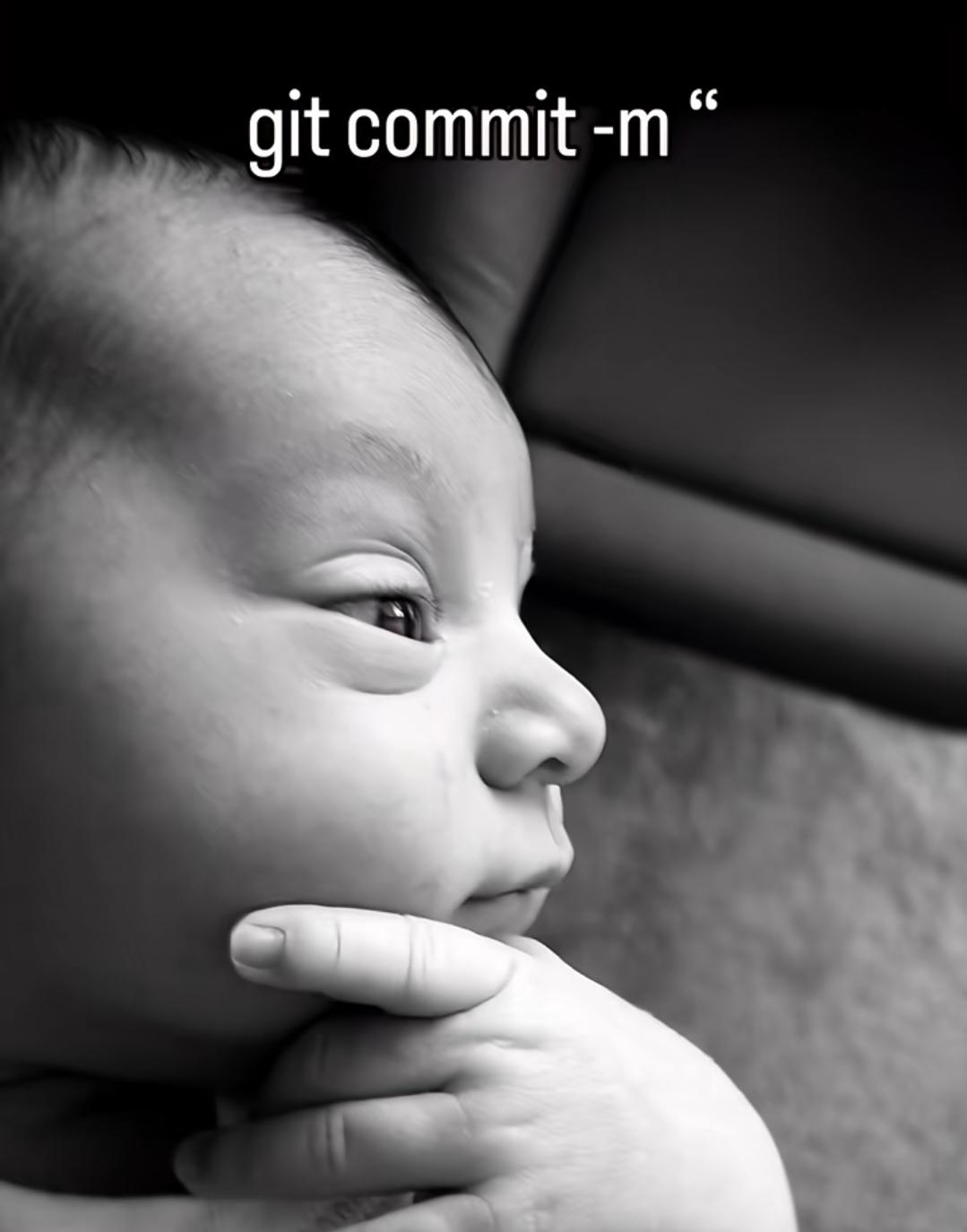
Whenever I Make A Commitment

Whenever I Make A Commitment
The double meaning hits different when you're a developer. You type git commit -m '' with an empty message and suddenly you're that person nervously sweating bullets. It's like showing up to a meeting completely unprepared – you're making a commitment alright, but what exactly are you committing to? Nothing. Absolutely nothing. Just raw panic and the hope that your future self (or worse, your teammates) won't judge you too harshly for that beautifully descriptive empty string. Pro tip: this is how you end up with commit messages like "fix" or "stuff" or "asdfasdf" because anything is better than the void of nothingness staring back at you.

Relatable

Relatable
You know that moment when you're reviewing someone's PR and you're mentally composing a scathing code review about how their implementation violates every principle you hold dear? But then reality kicks in—you remember your own code from last Tuesday that looks suspiciously similar, or you realize you're already 45 minutes late for standup, or you just... can't be bothered to start a philosophical debate about variable naming conventions. So you shrug, click approve, and move on with your life. We've all been that person judging the code AND the person who wrote the questionable code. It's the circle of life in software development.

Default Branch

Default Branch
Git renamed the default branch from "master" to "main" a few years back for inclusivity reasons, and the tech world collectively nodded in approval. But developers? We're creatures of muscle memory and habit. After typing "git checkout master" for a decade, suddenly switching to "main" feels like learning to write with your other hand. But "_start"? Now that's the real winner here. It's got that raw, unfiltered energy of someone who just wants to get stuff done without getting tangled in naming conventions. No politics, no legacy baggage—just pure, unapologetic functionality. Plus, it perfectly captures that "I'm starting fresh and I don't care about your conventions" vibe that every developer secretly wishes they could embrace. Honestly, "_start" sounds like what you'd name your branch at 2 PM on a Friday when you've already mentally checked out but still need to push that feature.

How Do I Explain It Briefly

How Do I Explain It Briefly
You know that moment when someone asks what you changed and you stare into the void trying to compress 47 file modifications, 3 refactors, 2 bug fixes, and that one random typo correction into a coherent sentence? Yeah, the -m flag becomes your worst enemy. The struggle is real when you've been in the zone for 2 hours, touched half the codebase, and now Git is asking you to summarize your life choices in one line. So you either write "fixed stuff" like a caveman or spend 10 minutes crafting a commit message longer than the actual code changes. Pro tip: This is why you commit early and often. But we all know you won't.

Some Men Want To Watch The World Burn

Some Men Want To Watch The World Burn
Behold the absolute CHAOS AGENT who commits exclusively on Fridays with 420 contributions, yet keeps every single repo private like some kind of code-hoarding dragon sitting on a treasure pile nobody can see. The green squares are SCREAMING for validation but this developer said "nah, I'll just let everyone think I'm unemployed." It's giving main character energy mixed with commitment issues. Why have a GitHub profile if you're gonna treat it like a secret diary? The audacity! The DRAMA!

The Last-Minute Git Push Inferno

The Last-Minute Git Push Inferno
Nothing says "productive day" like cramming eight hours of work into 30 frantic minutes while your laptop transforms into a thermonuclear reactor. That desperate git push at 5:29 PM hits different when your CPU fan sounds like a jet engine and your keyboard is melting. The best part? Tomorrow you'll promise yourself to start early, and yet... the cycle of procrastination continues. It's not a bug, it's a feature of developer psychology.

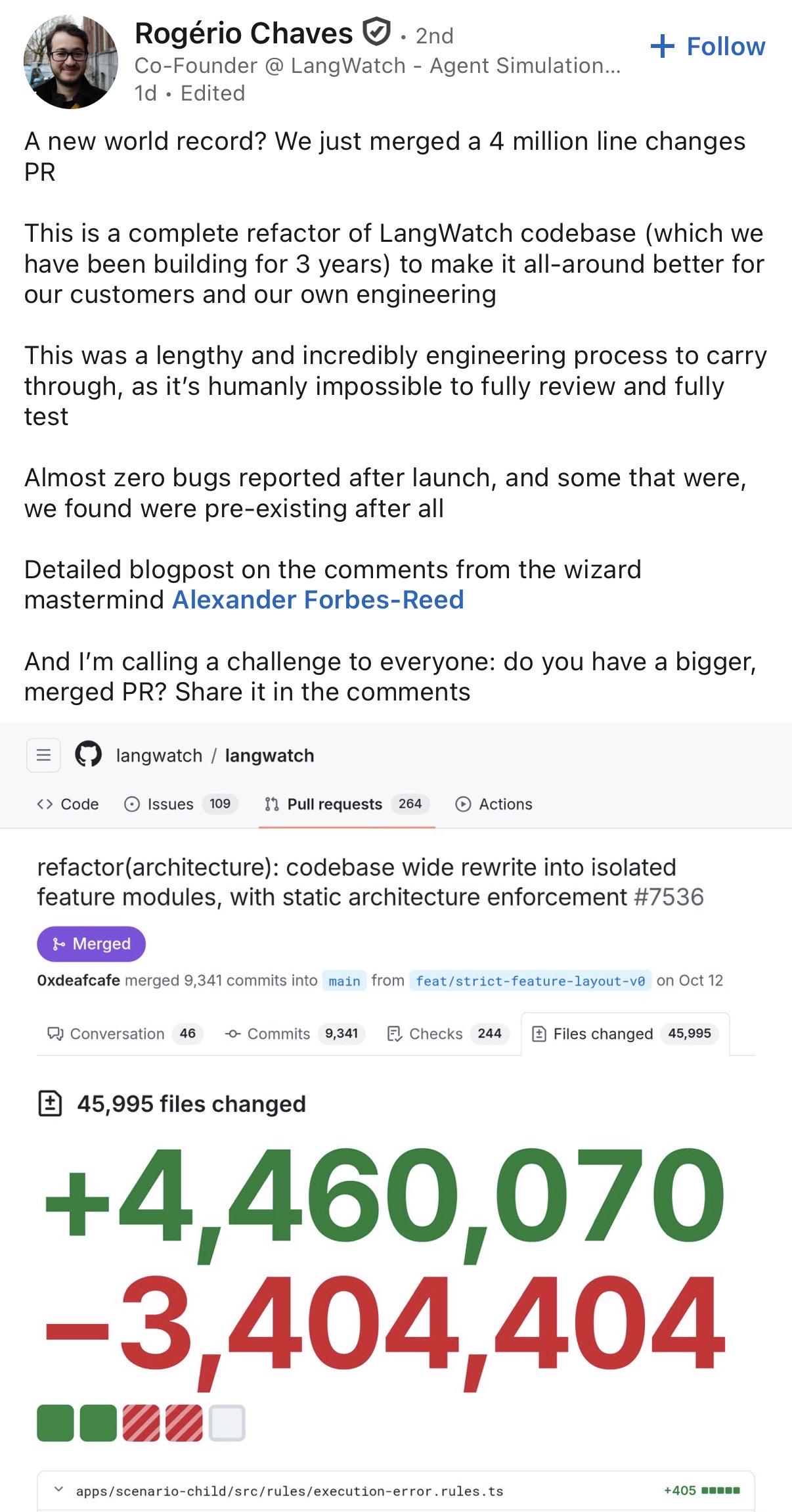
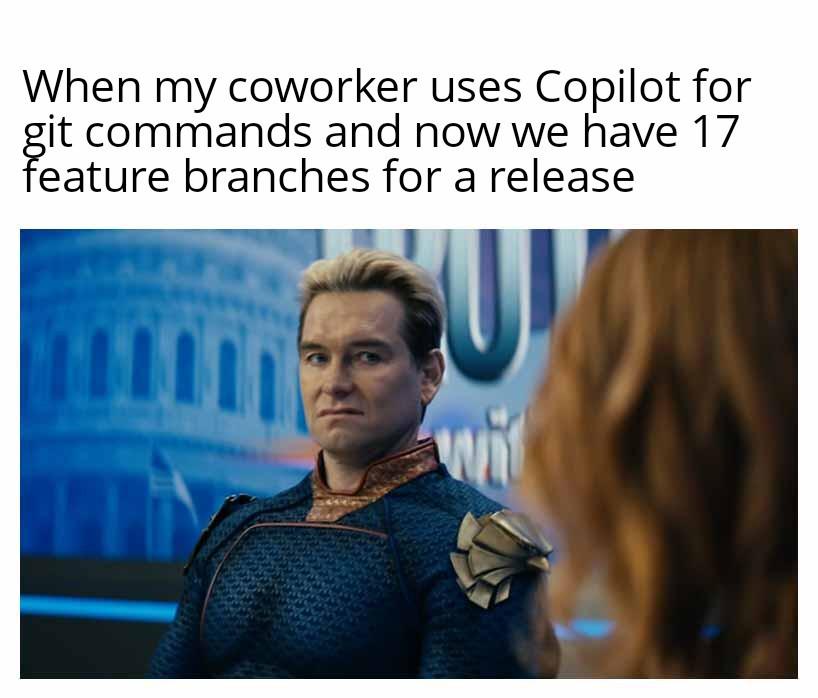
The Merge Conflicts Will Be Immense

The Merge Conflicts Will Be Immense
Ah, merging 300 branches into one? That's not version control, that's version chaos . The look of sheer terror perfectly captures that moment when you realize your "git merge" command has unleashed digital Armageddon. The dev's sweaty face isn't just anxiety—it's the physical manifestation of Git's internal screaming. Somewhere, Linus Torvalds just felt a disturbance in the force and doesn't know why. Fun fact: The largest Git merge in history reportedly had over 41,000 conflicts. I'd rather debug production with print statements than deal with that nightmare.

No Hard Feelings

No Hard Feelings
Nothing says professional software development like a PR comment section that reads like a WWE trash talk segment. You'll find two devs absolutely shredding each other's code choices ("Who taught you to nest ternaries like that? A terrorist?"), only to be grabbing virtual beers five minutes later once the merge is complete. The code review battlefield creates the strongest bonds in tech.

The Great Class Purge Revolution

The Great Class Purge Revolution
Nothing says "revolutionary leader" quite like deleting those 17 unused classes from your codebase that someone created "just in case we need them later." The crowds cheer! Your git commit is hailed as heroic! The build time decreases by 0.03 seconds! Truly, you've liberated your fellow developers from the tyranny of bloated inheritance hierarchies and half-baked abstractions. Next week's revolution: removing all those interface classes with only one implementation. The people demand freedom from unnecessary indirection!