

Monetization Memes

Posts tagged with Monetization

Supply And Demand

Supply And Demand
The entrepreneurial spirit is alive and well in gamedev. Step 1: Design a puzzle game so complex it requires physical note-taking. Step 2: Conveniently sell branded notebooks at your booth. It's not predatory capitalism, it's just... vertical integration. Honestly though, this is galaxy brain marketing. You're not just selling a game—you're selling the *entire experience*, including the tools needed to actually beat it. Next up: selling reading glasses for games with tiny fonts, or ergonomic chairs for roguelikes that take 80 hours to complete. The real kicker? Those notebooks probably have better margins than the game itself. Welcome to indie game development, where the real money is in the merch.

Nobody's Paying Fifteen A Year For Your Slop Buddy

Nobody's Paying Fifteen A Year For Your Slop Buddy
That moment when a junior dev spends 40 minutes explaining their "revolutionary" microservices architecture for a to-do app that's basically CRUD with extra steps. The nervous sweating intensifies as they realize nobody's impressed by their buzzword salad of "event-driven serverless containerized blockchain-ready" nonsense. Sir, this is a Wendy's. Your app does what a spreadsheet could do, and you want people to subscribe? The delusion is strong with this one.

Shooting Yourself In The Foot

Shooting Yourself In The Foot
The ouroboros of web development economics: blocking the very thing that pays your bills. Installing an ad-blocker while simultaneously lamenting your salary is like being a farmer who refuses to eat vegetables. Here's the brutal irony—web devs spend countless hours implementing ad placements, optimizing ad load times, and debugging why ads won't display properly, only to go home and nuke every single ad from existence. Then they wonder why their paycheck isn't growing. It's the circle of life in tech: complain about ads, block ads, wonder why companies can't monetize, watch salaries stagnate, repeat. Chef's kiss of self-sabotage.

Watch This Ad To Continue Vibin

Watch This Ad To Continue Vibin
We've gone from "npm install takes 5 minutes" to "npm install takes 5 minutes plus a commercial break." The dystopian future where even your package manager is monetized with unskippable ads before you can download your 47 dependencies for a hello world app. Imagine sitting there, desperately needing to install Express, but first you gotta watch ads for NordVPN, Raid Shadow Legends, and probably another JavaScript framework that'll be deprecated by next Tuesday. The character's dead-inside expression? That's every developer in 2030 realizing they need to subscribe to "npm Premium" just to skip ads on lodash. At least we'll finally have time to read the package documentation while waiting. Oh wait, who are we kidding—nobody reads those anyway.

For Profit Company

For Profit Company
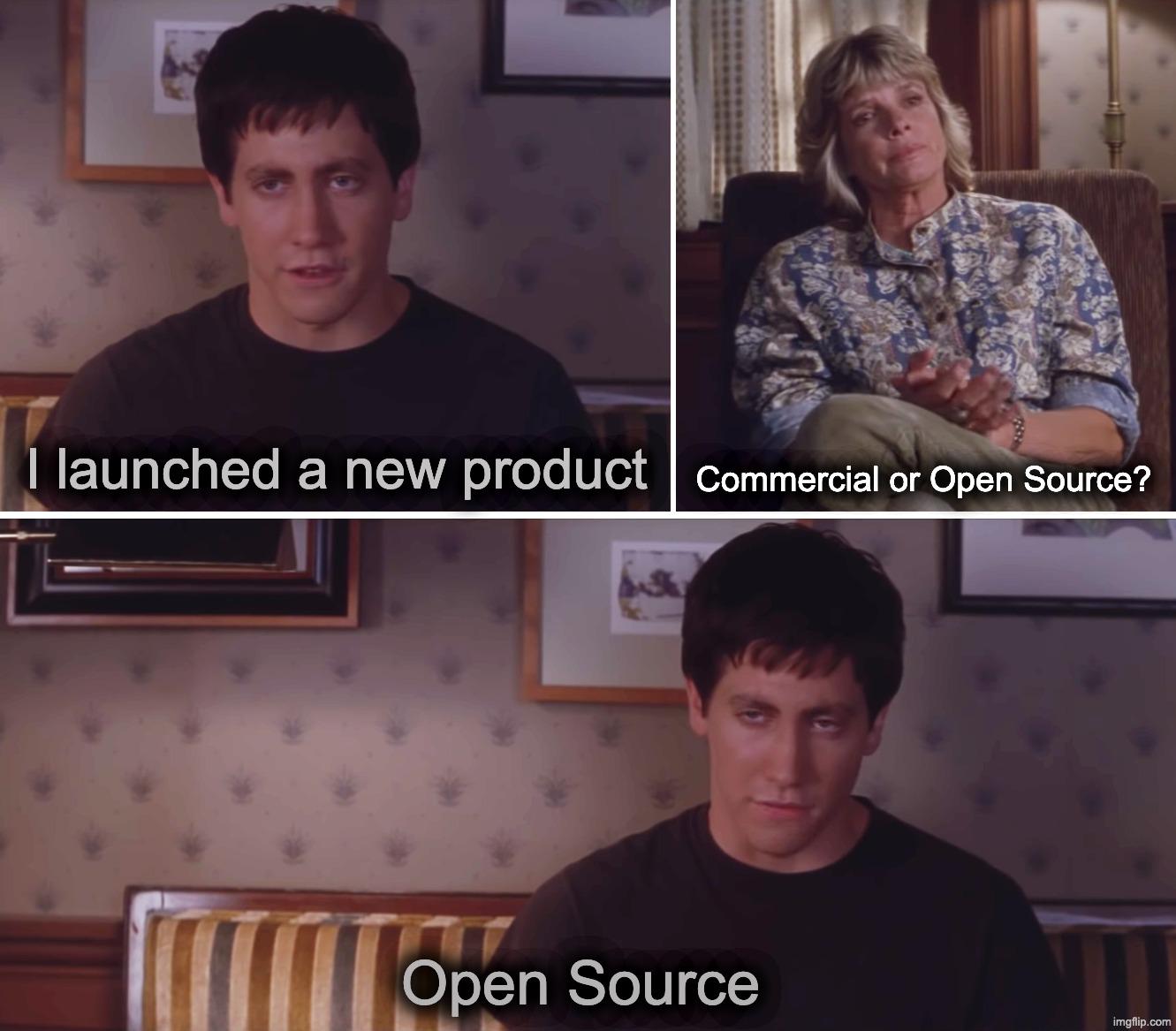
OpenAI trying to patch the massive leak in their server costs with ads is peak tech company energy. They're out here burning through cash faster than a GPU farm on full load, watching those cloud bills stack up like a memory leak nobody wants to fix. The Flex Tape meme format is *chef's kiss* here. Sure, you've got infrastructure costs that could fund a small country's GDP, but slap some ads on it and call it a business model. Nothing says "we're totally sustainable" like desperately monetizing your product after promising to democratize AI. Remember when they were "open" AI? Good times. Now they're just another company discovering that training models on the entire internet isn't exactly cheap, and VCs eventually want their money back.

Introducing Http 402

Introducing Http 402
HTTP 402 "Payment Required" has been reserved since 1997 but never actually implemented. It's been sitting there for decades like that gym membership you keep meaning to use. Now someone's finally suggesting we dust it off to nickel-and-dime users one cent per download. The cat rolling in cash perfectly captures how every SaaS founder would react to this becoming standard. Forget subscriptions—imagine charging micropayments for every API call, every download, every breath your users take. It's the ultimate monetization fantasy. Fun fact: HTTP 402 was originally intended for digital payment systems but got shelved because nobody could agree on how to implement it. Turns out the real payment required was the standards committee meetings we attended along the way.

Code Works, Business Doesn't

Code Works, Business Doesn't
The classic startup death spiral visualized in three painful steps. You've got 250 domain names because "what if we need them someday?" Then somehow you managed to ship 17 actual apps—impressive engineering, terrible focus. But the grand finale? Zero paying users. That beautiful moment when you realize your brilliant technical solutions are solving problems nobody wants to pay for. It's the perfect illustration of the engineer's fallacy: thinking that elegant code automatically translates to business success. Spoiler alert: users don't care about your perfect microservice architecture—they care about their problems being solved. And apparently, none of your 17 apps across 250 domains managed that particular trick.

What The Hell Happened To This Game?

What The Hell Happened To This Game?
When your horror game project goes through executive review and marketing focus groups... Started with a terrifying monster bus straight from your nightmares, ended with dancing unicorns and DJs with sunglasses. Classic corporate evolution where someone inevitably says "but will this appeal to the TikTok demographic?" It's the same transformation that turned Resident Evil into a dance party and Dead Space into a microtransaction store. Next thing you know, they'll add battle passes to Tetris and loot boxes to Pong.

The Modern Game Development Dilemma

The Modern Game Development Dilemma
Game developers caught in the eternal tug-of-war between hardcore veterans and the lucrative casual market. Turns out making games for people who actually know how to play them doesn't pay as well as catering to little Timmy who just got his mom's iPad and her entire bank account. Why spend years perfecting intricate game mechanics when you can slap together a shiny microtransaction factory with auto-aim and participation trophies? The industry's race to the bottom continues, one simplified tutorial at a time.

The Startup Death Valley Graph

The Startup Death Valley Graph
The classic startup death valley in graph form! That awkward phase where your infrastructure can only handle a small number of free users, but you need WAY more paying users than that to break even. So you're just stuck in the middle, burning cash, praying for either viral growth or a merciful acquisition. It's the entrepreneurial equivalent of trying to cross a canyon with a jump that's juuuust too wide. Founders call this "the trough of sorrow" for a reason!

The Future Is Now, Unfortunately

The Future Is Now, Unfortunately
Looks like we've reached peak dystopia. Your git client is now serving ads for mobile games during commits. Next up: your compiler will pause halfway through to ask if you'd like to watch a 30-second video for extra optimization flags. Remember when our tools just... did their jobs without trying to sell us stuff? Those were the days. At least they're offering $20 off something you'll never buy, so there's that.

Strange How Every Literal Idea For Stop Killing Games Is Apparently Impossible

Strange How Every Literal Idea For Stop Killing Games Is Apparently Impossible
The classic game dev paradox in its natural habitat! Players beg for solutions to stop game-killing practices, and devs respond with the corporate equivalent of Tom's shrug. "Sure, we could stop the microtransactions, predatory monetization, and rushed releases... but have you considered buying our new $19.99 'Listening To Feedback' DLC instead?" The best part is when they eventually implement those "impossible" ideas after the community backlash reaches nuclear levels. Nothing motivates creative problem-solving like watching your stock price plummet!