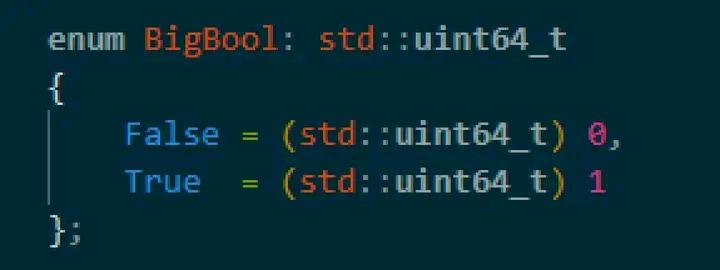
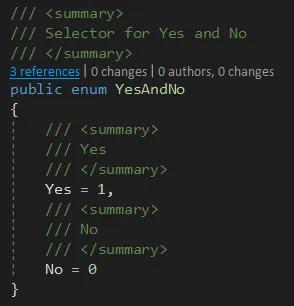
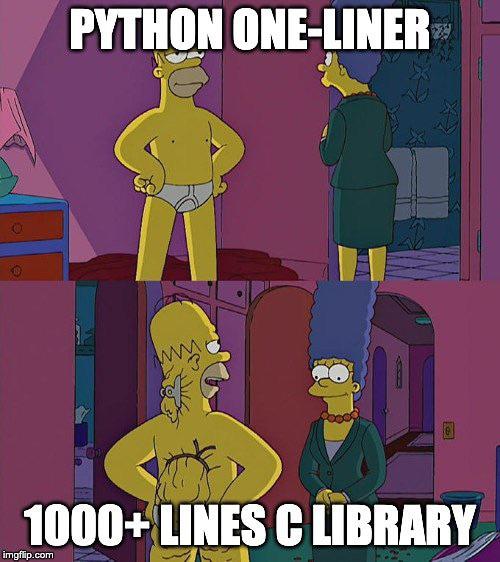
Someone really looked at a boolean and thought "you know what this needs? 64 bits of storage." False gets a whole 0, True gets a modest 1, and the remaining 18,446,744,073,709,551,614 possible values? Just vibing in the void, unused and unloved. The title "Big If True" is chef's kiss because it's both a play on the phrase AND literally describing what's happening here. You're using an unsigned 64-bit integer to store a single bit of information. That's like renting a stadium to store a single chair. The memory efficiency here is making embedded systems developers weep into their 8-bit microcontrollers. Fun fact: Most modern languages use a full byte (8 bits) for booleans anyway because of memory alignment, but going full uint64_t is just flexing at this point. It's the programming equivalent of arriving to a knife fight in a tank.
 AI
AI
 AWS
AWS
 Agile
Agile
 Algorithms
 Android
 Apple
Apple
 Azure
Azure
 Backend
 Bash
Bash
 C++
C++
 Cloud
Cloud