

Saddest Review On The Platform

Saddest Review On The Platform
Nothing hits harder than a positive review on Christmas morning from someone who literally can't run your game. Posted at 12:27am on December 25th with "Product refunded" stamped on it like a death certificate. They played for 18 minutes total, their PC gave up the ghost, and instead of leaving a salty one-star rant about optimization, they still gave it a thumbs up because the YouTube gameplay looked fun. That's the digital equivalent of saying "the restaurant smells amazing" while being wheeled out on a stretcher from food poisoning. This is either the most wholesome gamer ever or someone whose hardware specs include a hamster wheel and prayers. Either way, this dev just got the most bittersweet recommendation of their career.

Big Brain CEO And AI: A Love Story

Big Brain CEO And AI: A Love Story
AI companies out here selling glorified parrots as revolutionary technology, and CEOs are eating it up like it's the second coming of electricity. The sales pitch: "Look, it makes noises that vaguely resemble human conversation!" The CEO's response: "Perfect! Fire everyone and let it diagnose cancer." Nothing says "sound business decision" quite like replacing your entire workforce with a statistical model that's essentially playing Mad Libs with the entire internet. Sure, it doesn't understand context, nuance, or reality, but it sounds confident, and that's apparently all that matters in the C-suite these days. The jump from "mimics speech patterns" to "can diagnose medical disorders" is the kind of logical leap that would make even the most optimistic venture capitalist nervous. But hey, when you've already fired your entire staff, who's left to tell you it's a terrible idea? Certainly not the chatbot that just hallucinated your company's entire medical liability insurance policy.

Op Doesn't Have Time For Interviews

Op Doesn't Have Time For Interviews
You know those brain-teaser interview questions that have nothing to do with the actual job? Yeah, this person gets it. The classic "three switches, one bulb" puzzle is the kind of thing interviewers love to throw at you to "test your problem-solving skills" while you're sitting there thinking about the 47 GitHub repos you could be contributing to instead. The savage response is chef's kiss—basically saying "I'd rather be literally anywhere else than solving your riddle that has zero relevance to whether I can write clean code or debug a production incident at 3 AM." Because let's be real, when was the last time you had to figure out which switch controls a light bulb in a separate room during a deployment? Spoiler: never. It's the perfect encapsulation of how broken tech interviews have become—asking candidates to solve puzzles that Einstein would find tedious instead of, you know, actually assessing their ability to do the job. But hey, at least it weeds out people who have better things to do with their time.

Ok Sure Great

Ok Sure Great
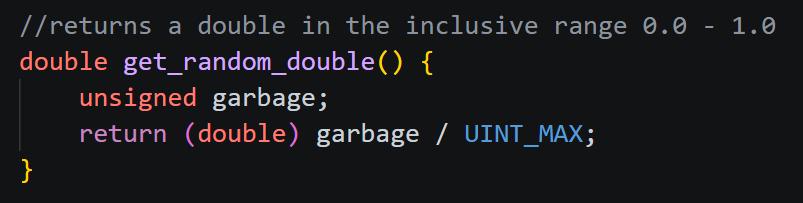
Junior dev proudly announces they fixed all compiler warnings. Senior dev's enthusiasm level: absolute zero. Sure, the warnings are gone, but did they actually fix the underlying issues or just slap some @SuppressWarnings annotations everywhere? Did they cast everything to void*? Add random type conversions until the compiler shut up? The "I don't care, but... yay" perfectly captures that unique blend of feigned support and deep existential dread that comes with code reviews. Because nothing says "quality code" like silencing the compiler instead of listening to what it's trying to tell you.

I Lost Count At This Point

I Lost Count At This Point
Gaming platforms and their outages visualized as flatline heartbeat monitors. Every single service showing that familiar spike pattern—the digital equivalent of "not again." From ARC Raiders to VRChat, it's like they're all competing for who can go down more creatively. AWS is there too, naturally, because when AWS sneezes, half the internet catches a cold. The real joke is calling these "outages" when they're basically scheduled features at this point. Your multiplayer plans? The servers had other ideas.

You Created A Monster

You Created A Monster
Nothing quite like the sweet taste of revenge through code. Got rejected by your dream company? No problem—just build a free, open-source competitor that slowly eats away at their market share. They didn't want you on their team, so now you're the final boss they have to face in the marketplace. It's the ultimate developer power move: turning rejection into motivation to create something that directly competes with the people who turned you down. And the best part? You get to watch them squirm as your GitHub stars climb while their licensing fees drop. Hell hath no fury like a developer scorned.

What Vibe Coders Think Mount Volume Is

What Vibe Coders Think Mount Volume Is
So you're telling me that docker run -v doesn't take me to this serene mountaintop experience? Just another beautiful illusion shattered by reality. Turns out mounting volumes is less "spiritual journey through the clouds" and more "binding your local filesystem to a container so you can watch your logs scroll by at 3 AM." Docker really missed an opportunity for some majestic branding here.

Everything Is An Object

Everything Is An Object
JavaScript devs discovering that literally everything inherits from Object.prototype: strings, numbers, booleans, arrays, functions, even null and undefined (well, almost). You think you're working with primitives? Nope, they get auto-boxed into objects the moment you call a method on them. That innocent "hello".toUpperCase() ? Your string just became a String object behind the scenes. JavaScript's prototype chain is like that friend who insists everyone at the party is related somehow. Try typeof null returning "object" and watch the existential crisis unfold. The language took "everything is an object" from Python and Ruby, then cranked it up to eleven with some delightfully weird type coercion sprinkled on top.

I Messed Up Git So Bad It Turned Into Guitar Hero

I Messed Up Git So Bad It Turned Into Guitar Hero
When your Git branch history looks like you're about to hit a sick combo in Guitar Hero, you know you've entered a special circle of version control hell. Those colorful lines crossing over each other in increasingly chaotic patterns? That's what happens when someone discovers merge commits, rebasing, cherry-picking, and force pushing all in the same afternoon without reading the docs first. The real tragedy here is that somewhere in that spaghetti of commits lies actual work that needs to be recovered. Good luck explaining this graph to your team during code review. "Yeah, so I tried to fix a merge conflict and then I panicked and rebased on top of main while simultaneously merging feature branches and... do we have a time machine?" Pro tip: When your commit graph starts looking like a rhythm game, it's time to either git reset --hard and start over, or just burn the whole repo down and pretend it never happened. 🎸

The Moment You Say "All Bugs Fixed"

The Moment You Say "All Bugs Fixed"
That beautiful three-minute window of pure, unearned confidence between deploying to production and reality absolutely destroying your soul. The team just crunched through every bug ticket, high-fived each other, maybe even cracked open a celebratory energy drink... and then some script kiddie with too much free time decides to test if your login form remembers what input sanitization is. Spoiler: it doesn't. The "Hopefully we didn't miss anything..." is chef's kiss levels of foreshadowing. That word "hopefully" is doing more heavy lifting than your entire CI/CD pipeline. And of course, what they missed wasn't some obscure edge case in the payment processing logic—nope, it's the most basic security vulnerability that's been in the OWASP Top 10 since the dawn of time. Classic.

The Dream

The Dream
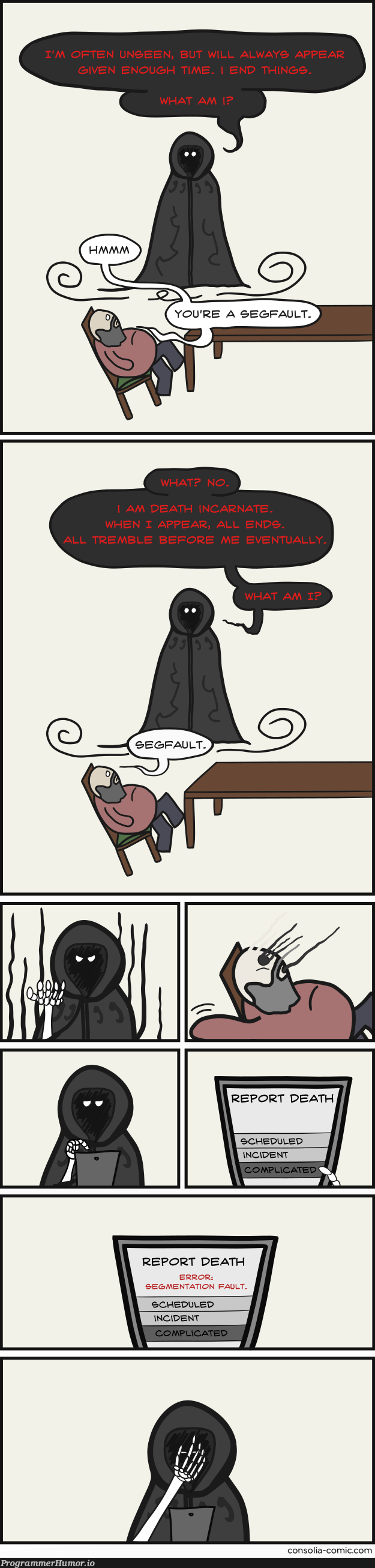
You know you're dreaming when you bang out a complex feature in a single day and it somehow works flawlessly on the first run. But then reality hits harder than a segfault—not only does it work, but it's also handling edge cases you didn't even consider. That's when you wake up in a cold sweat, realizing your actual code is probably still throwing NullPointerExceptions on line 47. In the real world, "works on first try" usually means you forgot to actually test it, and those mysterious edge cases? They're just bugs waiting to surface during the demo.

Real

Real
You know that feeling when you boot into Windows for "just one thing" and suddenly you're confronted with forced updates, driver issues, the sheer audacity of Candy Crush being pre-installed again, and a UI that can't decide if it's from 2001 or 2023? Yeah, Linux users last about 10 minutes before they're literally kissing the ground in relief to be back home. It's like leaving your perfectly configured i3wm setup with your custom dotfiles to use an OS that thinks you need Cortana. The psychological damage is immediate and severe. We tell ourselves "I'll just test this one thing in Windows" and end up speedrunning back to the terminal where everything makes sense and you don't need to restart for every single update. The grass isn't greener on the other side when you've spent years cultivating your own perfect Linux garden. Windows is just a reminder of why you left in the first place.