

Private key Memes

Posts tagged with Private key
Confused Look No Further

Confused Look No Further
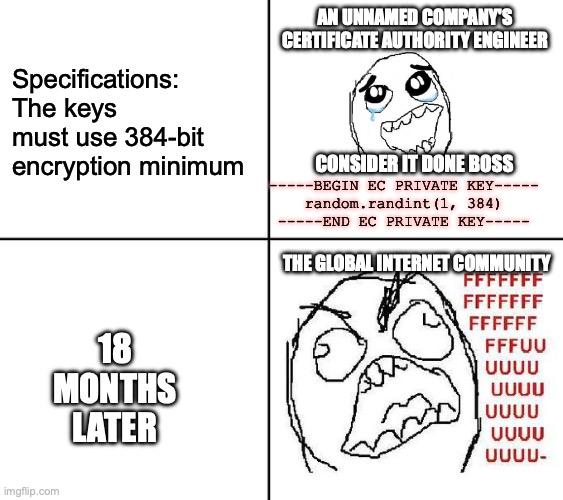
Certificate Authority engineer casually generates a 384-bit private key because the specs say "384-bit encryption minimum." Plot twist: they interpreted it as key size instead of encryption strength. Fast forward 18 months and the entire internet is collectively losing their minds because someone finally cracked it with what was probably a gaming rig and some free time. For context: RSA keys should be at least 2048-bit nowadays (preferably 4096-bit), while 384-bit is laughably weak. It's like bringing a pool noodle to a sword fight. The spec probably meant 384-bit symmetric encryption (which would be overkill), but someone at "unnamed company" clearly skipped Cryptography 101. The real kicker? It took 18 months for anyone to notice. That's either impressive incompetence or everyone was too busy arguing about tabs vs spaces to audit the actual security infrastructure.

Generate Private Key Under Bailiff Control

Generate Private Key Under Bailiff Control
Oh, the absolute AUDACITY of generating your private key while someone's literally watching over your shoulder! Nothing says "cryptographic security" quite like having a government official witness you create the one thing that's supposed to be, you know, PRIVATE. It's like shouting your password in a crowded room and then acting shocked when your account gets hacked. The entire point of a private key is that it stays private—not shared with bailiffs, not written on sticky notes, and definitely not generated under surveillance. But sure, let's just throw the fundamental principles of asymmetric cryptography out the window while we're at it! The serene Mediterranean backdrop really adds that chef's kiss of irony. Beautiful sunset, romantic setting, complete destruction of security best practices. Truly a moment to remember.

Something Something Bits In A Private Key

Something Something Bits In A Private Key
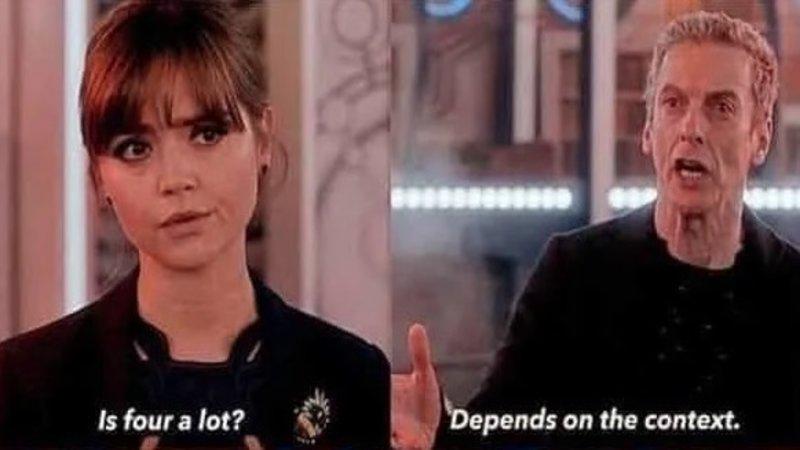
When someone asks if a 4-bit encryption key is secure enough, the answer really does depend on context. Like, are you encrypting your grocery list? Sure, go wild. Your company's customer database? Yeah, that's getting cracked faster than you can say "data breach." For reference, a 4-bit key has exactly 16 possible combinations. That's not even brute-force territory—that's just... force. Meanwhile, modern encryption standards use 256-bit keys, which have more possible combinations than there are atoms in the observable universe. But hey, four is technically a number, so I guess it counts as encryption? The real kicker is watching junior devs discover that "security through obscurity" isn't actually a thing while their 8-character password requirement gets demolished in milliseconds. Context matters, people.

Four

Four
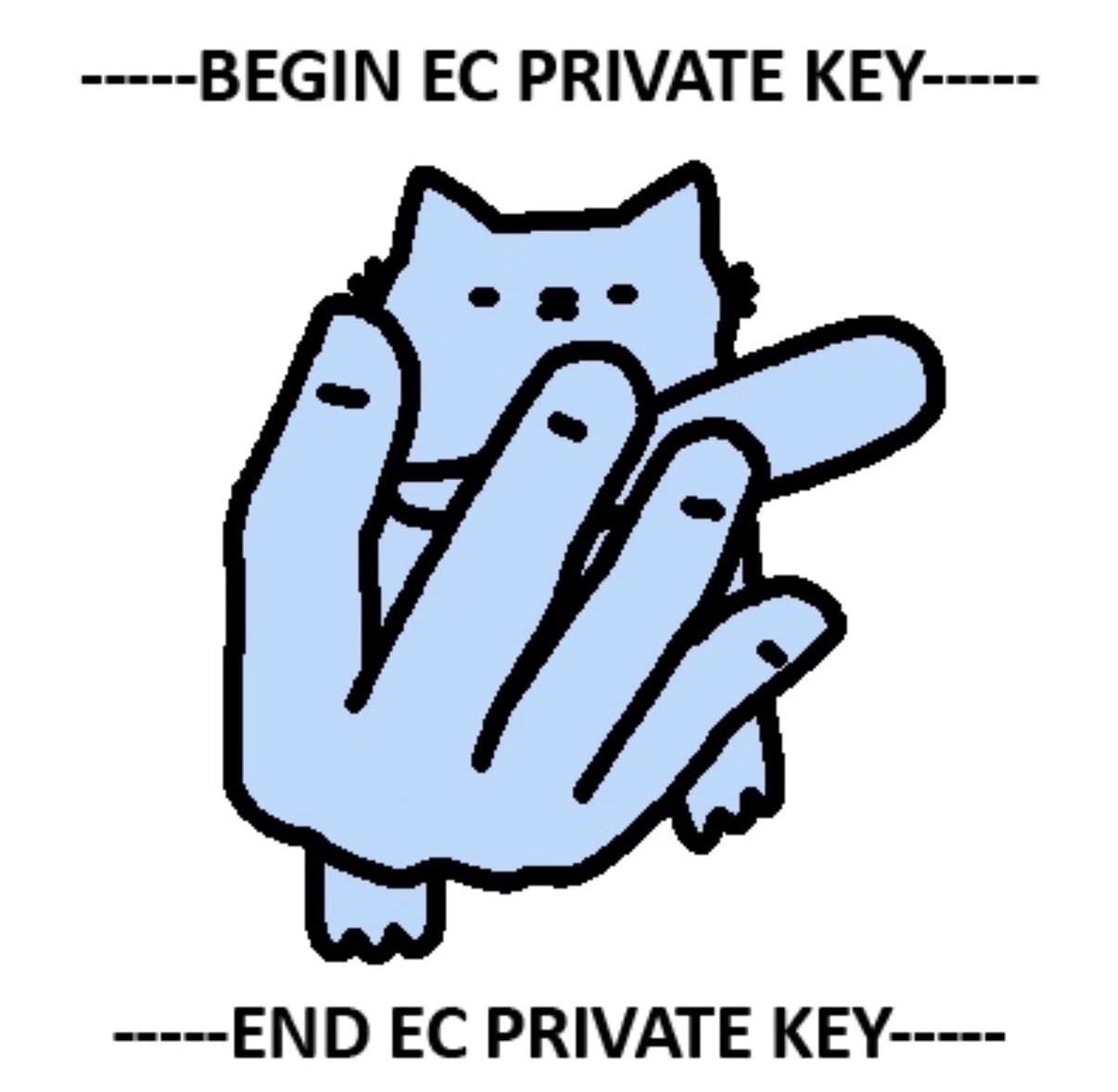
Someone just committed their EC private key to the repo with the BEGIN and END delimiters still attached, and honestly? That's the least of their problems. The real crime here is that our feline friend is showing us exactly four fingers—because nothing says "I understand elliptic curve cryptography" quite like accidentally exposing your private key in version control. The joke plays on the title "Four" and the visual of four fingers, but the actual security nightmare is that EC private keys should NEVER see the light of day, let alone get pushed to a public repository. Time to rotate those keys, revoke all certificates, and maybe add *.pem to your .gitignore before the security team finds out. Pro tip: If your private key has ever touched a commit history, it's not private anymore—it's just a very embarrassing public string.

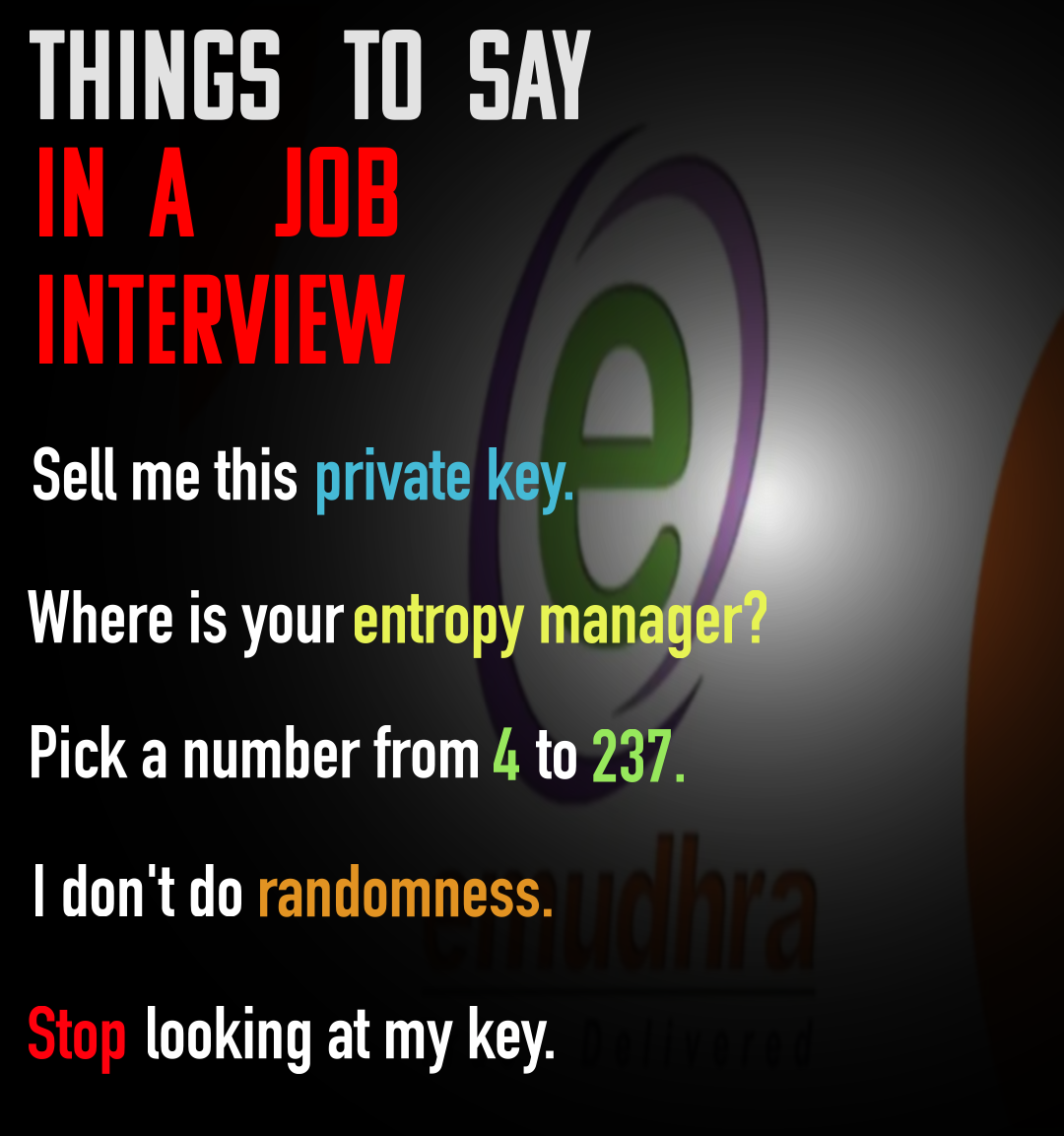
Things To Say In A Job Interview

Things To Say In A Job Interview
A comprehensive guide to getting immediately escorted out of any tech interview. "Sell me this private key" is the cryptographic equivalent of showing up to a bank interview and offering to sell them their own vault combination. "Where is your entropy manager?" - bold assumption that the company has their randomness organized when most can't even organize their Jira tickets. The number range 4 to 237 is oddly specific and perfectly captures the arbitrary constraints of bad RNG implementations. "I don't do randomness" - congratulations, you've just disqualified yourself from literally every security-related position. And finally, "Stop looking at my key" while presumably having your SSH private key visible on your screen is the cherry on top of this disaster sundae. Pro tip: if you need to say this during an interview, you've already failed the security clearance.

NordVPN

NordVPN
Encrypt your traffic on public Wi-Fi, stream from anywhere, and cover up to ten devices with one plan. 30-day money-back guarantee.

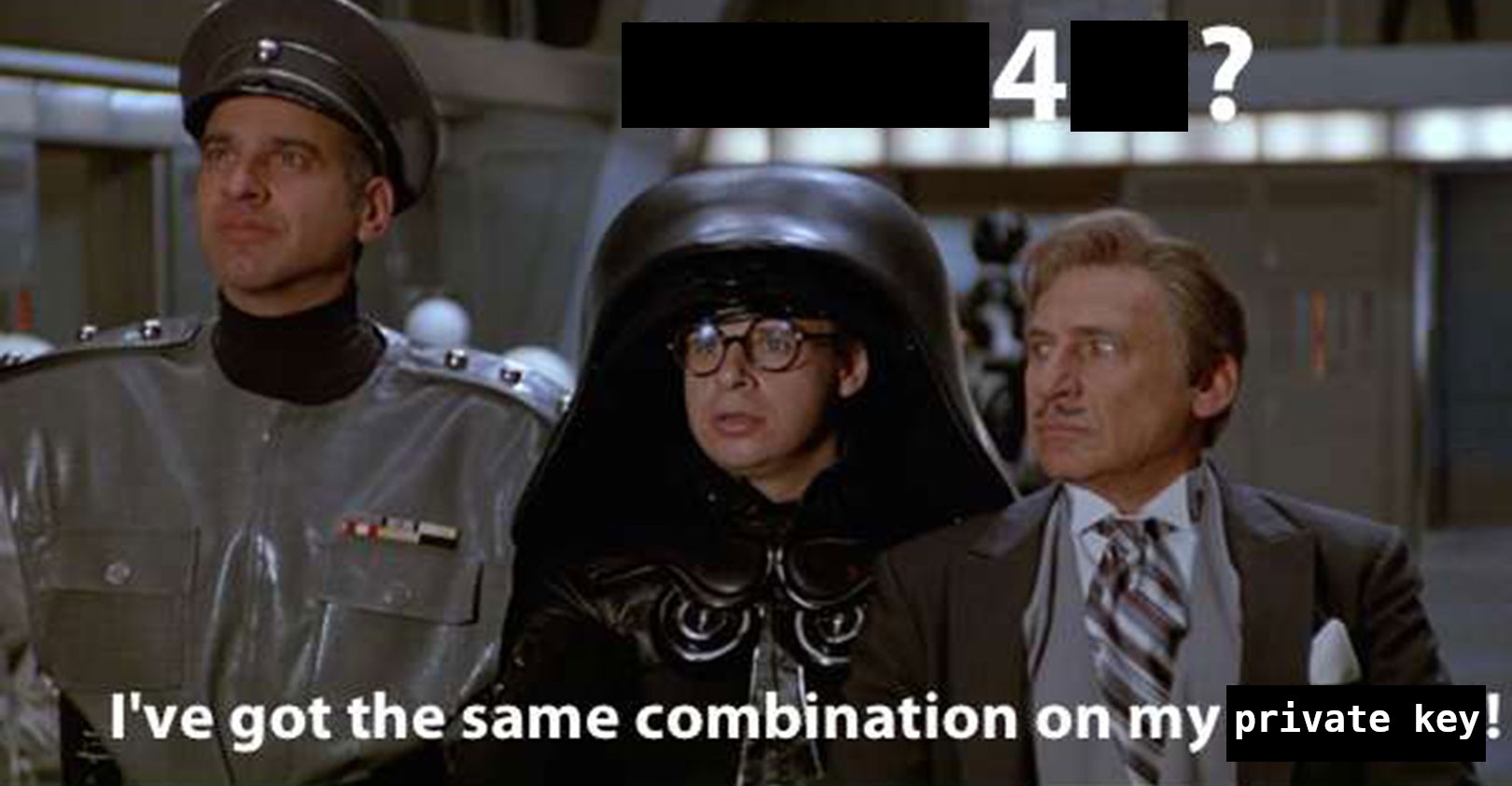
That's The Stupidest Combination I've Ever Heard In My Life!

That's The Stupidest Combination I've Ever Heard In My Life!
When your password is "1234" but you're storing your SSH private key with the same passphrase. Nothing screams "I understand security" quite like protecting your cryptographic credentials with the same combination an idiot would have on their luggage. The real kicker? Half the devs reading this just nervously glanced at their ~/.ssh/id_rsa file. And the other half? They don't even use a passphrase. At least President Skroob here had the decency to try . Pro tip: If your private key passphrase is something you'd use to unlock your phone, you might as well just commit it to the public repo and save everyone some time.

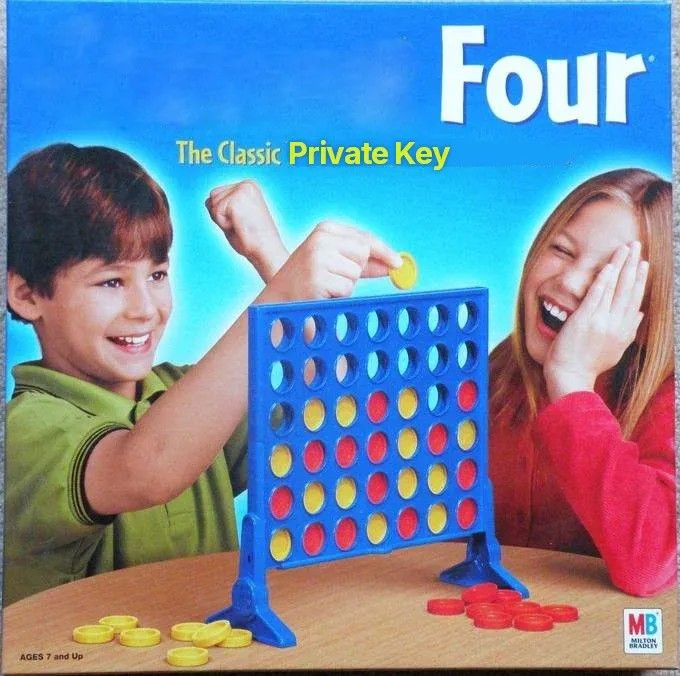
Four Is 6 7 For Infosec

Four Is 6 7 For Infosec
Security folks really looked at Connect Four and said "yeah, let's call it a private key and ship it." The game where your entire strategy is visible to everyone watching? Perfect metaphor for how we handle secrets in production. The kid's dropping that yellow chip with the same confidence as a dev hardcoding API keys into a public GitHub repo. And just like in the game, everyone can see exactly what you're doing, where you're going, and how to beat you. Except instead of losing a board game, you're losing your entire customer database to some script kiddie in Belarus. Private keys should be, you know, private . But here we are, treating them like Connect Four pieces—colorful, visible, and apparently meant for children to play with.

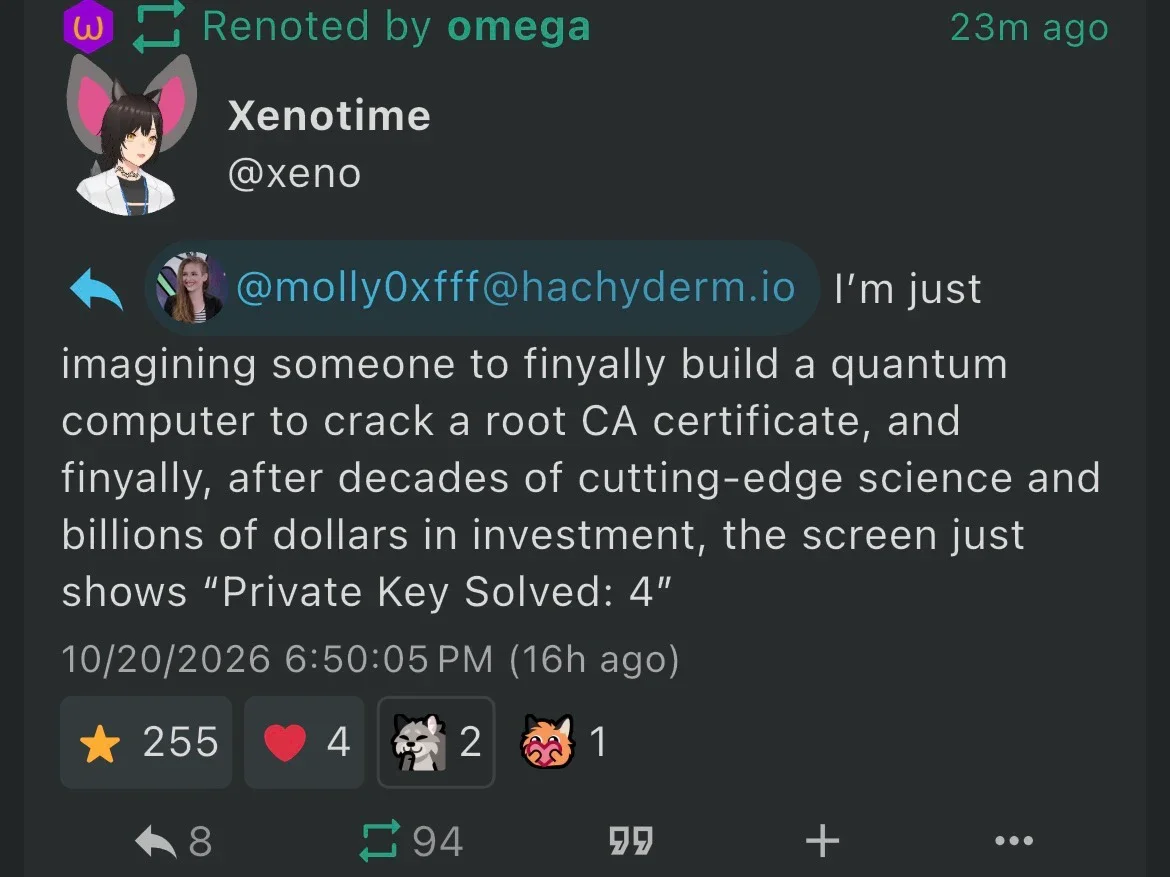
When Quantum Computing Finally Cracks Encryption

When Quantum Computing Finally Cracks Encryption
So we're out here building quantum computers powerful enough to break the entire internet's security infrastructure, and the grand finale is... "Private Key Solved: 4". Not some 2048-bit RSA key, not an elliptic curve masterpiece—just the number 4. Someone's root CA certificate was protected by the cryptographic equivalent of a screen door. Decades of research, billions in funding, and the most sophisticated computing technology humanity has ever created, all to discover that someone's critical infrastructure was secured with a private key that a toddler could guess. The real quantum leap here is the sheer audacity of that security choice. Plot twist: The password was probably "password" too.

Any One Using This Key

Any One Using This Key
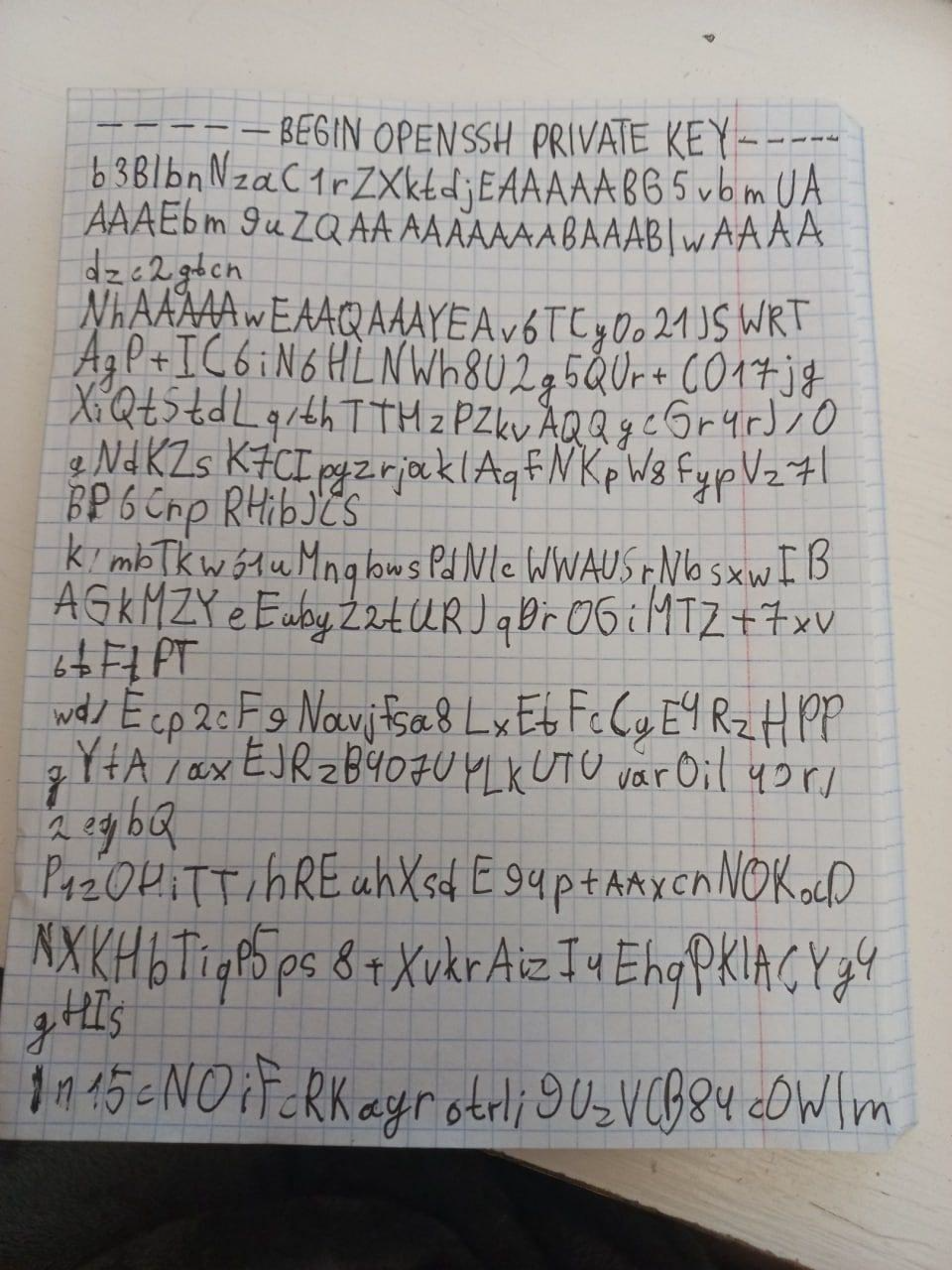
Someone actually hand-wrote their OpenSSH private key on paper. Let that sink in. The same key that's supposed to be kept secret, never shared, and definitely never exposed to human eyes for more than a millisecond is now immortalized on graph paper like it's a high school math assignment. This is either the most paranoid backup strategy ever conceived (EMP-proof! Ransomware-proof! Works during the apocalypse!) or someone fundamentally misunderstood the "write it down somewhere safe" advice. Either way, I'm impressed by the dedication to transcribing hundreds of random characters by hand. The real question is: did they actually verify it character by character, or is this just an elaborate piece of security theater? Pro tip: If you ever need to restore from this backup, good luck distinguishing between that lowercase 'l', uppercase 'I', and the number '1'. Your SSH connection will be rejecting you faster than a senior dev rejecting a PR with no tests.

Begin Private Key

Begin Private Key
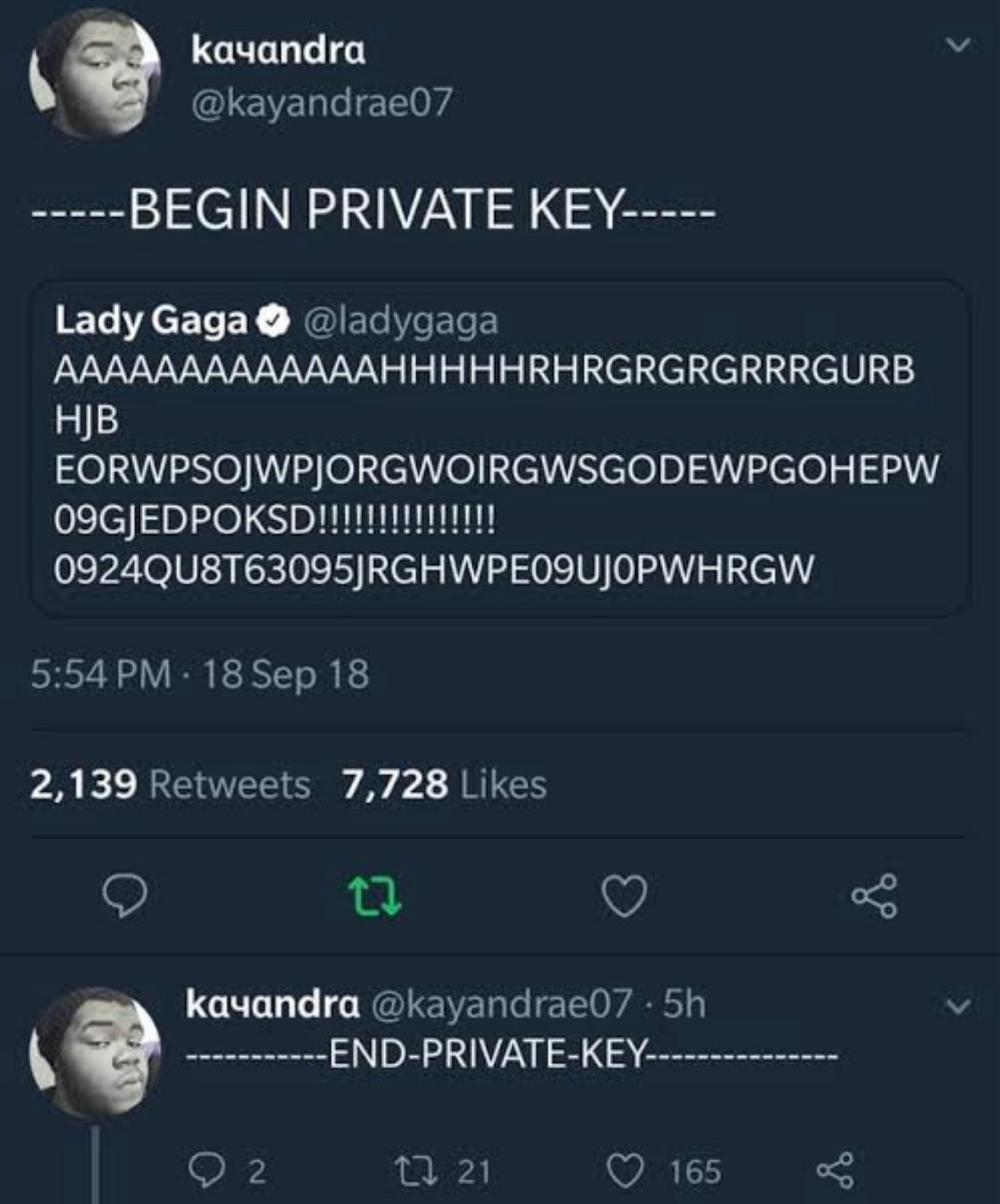
Someone just turned Lady Gaga's entire discography into their SSH key. The beauty here is that private keys in PEM format literally start with "-----BEGIN PRIVATE KEY-----" and end with "-----END PRIVATE KEY-----", so naturally, any chaotic celebrity tweet becomes cryptographic gold. What makes this chef's kiss is that Lady Gaga's keyboard smash looks MORE legitimate than most actual private keys. The excessive exclamation marks? Perfect entropy. The random capitalization? Enhanced security through unpredictability. This is basically what happens when performance art meets RSA encryption. Security experts are probably having an aneurysm seeing a "private key" posted publicly with 7,728 likes. But hey, at least it's not someone's actual AWS credentials on GitHub... for the third time this week.

World's Best Developer Mug, Best Developer Ever, 11-Ounce White

World's Best Developer Mug, Best Developer Ever, 11-Ounce White
Printed On Both Sides · High Quality

This Private Key Seems Legit

This Private Key Seems Legit
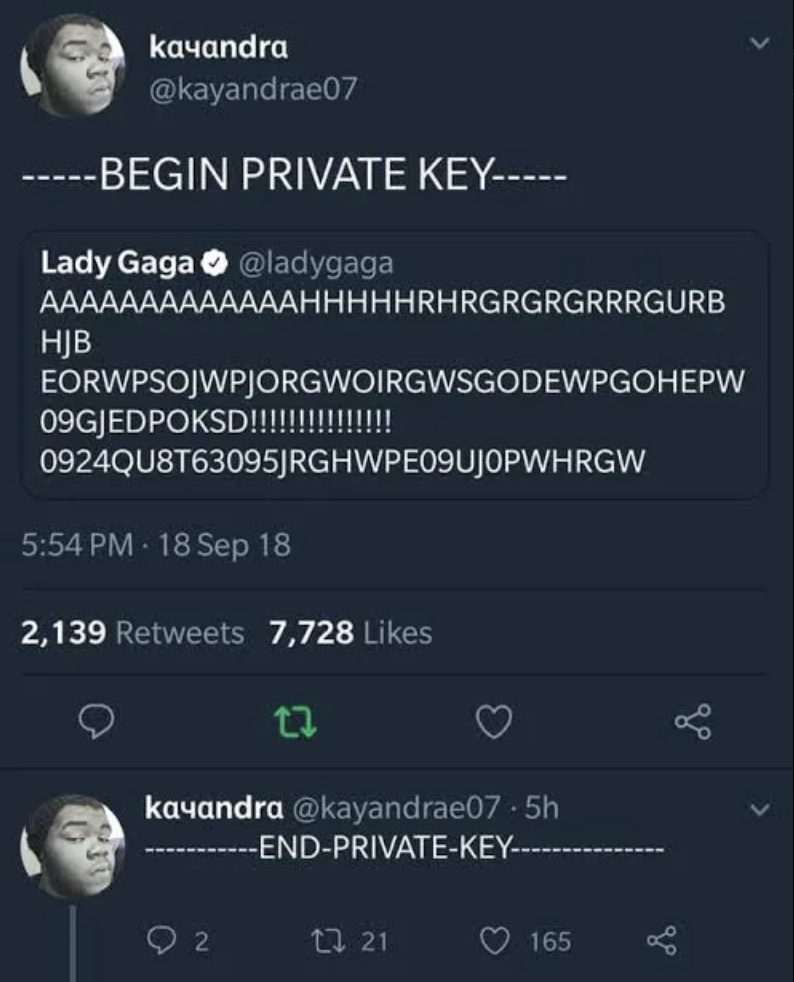
Someone just casually posted their "private key" wrapped in those fancy BEGIN/END markers like it's a legitimate cryptographic credential, except it's literally a Lady Gaga tweet that's just keyboard-smashing gibberish with some exclamation points thrown in for dramatic effect. Because nothing says "secure encryption" quite like AAAAAAAAAAAAAAHHHHHHRHRGRGRGRRRGURB, right? The beauty here is that private keys are supposed to be these sacred, ultra-secret strings that you NEVER EVER share with anyone or your entire digital life crumbles into dust. But sure, let's just tweet it out to thousands of followers with proper PEM formatting and call it a day. Security experts everywhere just felt a disturbance in the force. The random Lady Gaga tweet being used as the "key" is *chef's kiss* because it's the perfect blend of chaos and structure—just like production code at 2 AM.

Lady Gaga Private Key

Lady Gaga Private Key
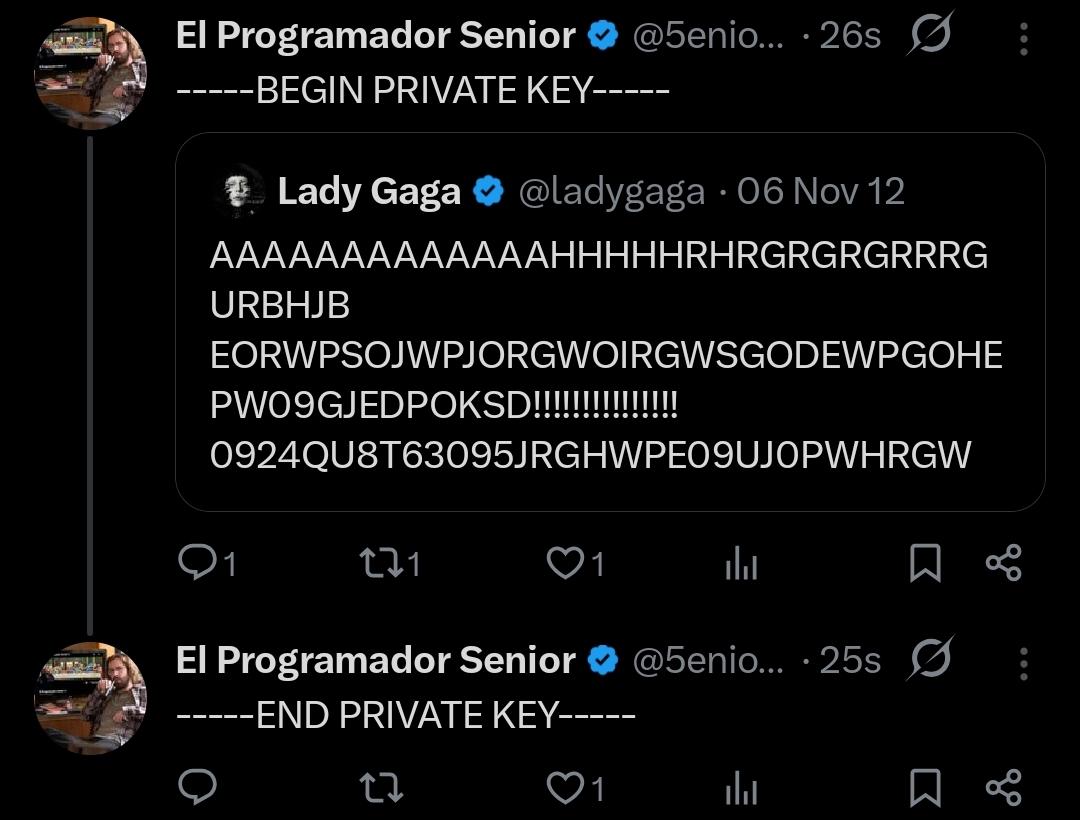
When Lady Gaga accidentally tweets what looks like someone's entire private key from 2012, and a programmer decides to format it properly with BEGIN/END tags like it's a legit PEM certificate. Because nothing says "secure cryptography" like a pop star's keyboard smash going viral. The beauty here is that Lady Gaga probably just fell asleep on her keyboard or let her cat walk across it, but to security-minded devs, any random string of gibberish immediately triggers the "oh god, did someone just leak their SSH key?" reflex. The programmer's brain can't help but see patterns in chaos—it's like pareidolia but for cryptographic material. Pro tip: If your actual private key looks like "AAAAAAAAAAAHHHHHRHRGRGRGRRRRG," you've either discovered a new compression algorithm or your key generation ceremony involved too much tequila.