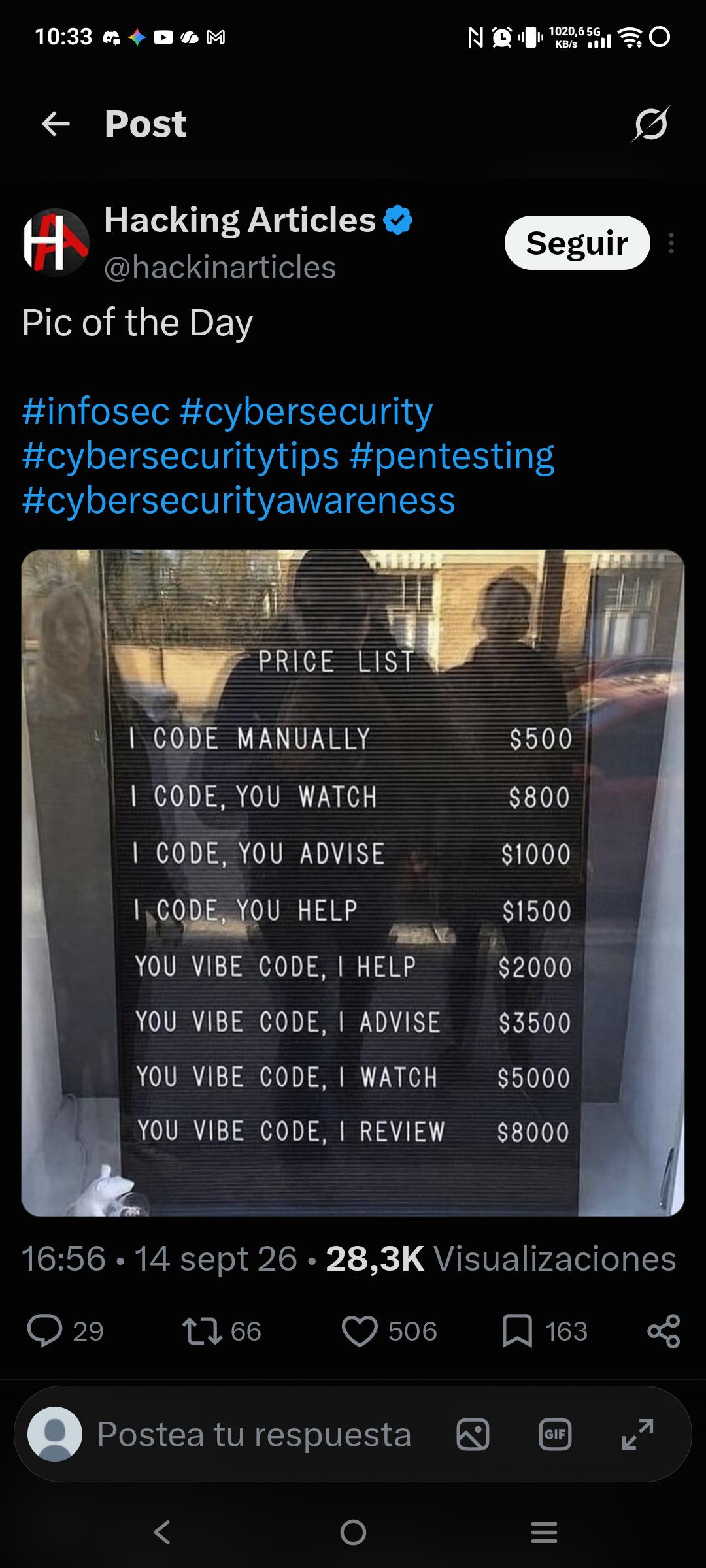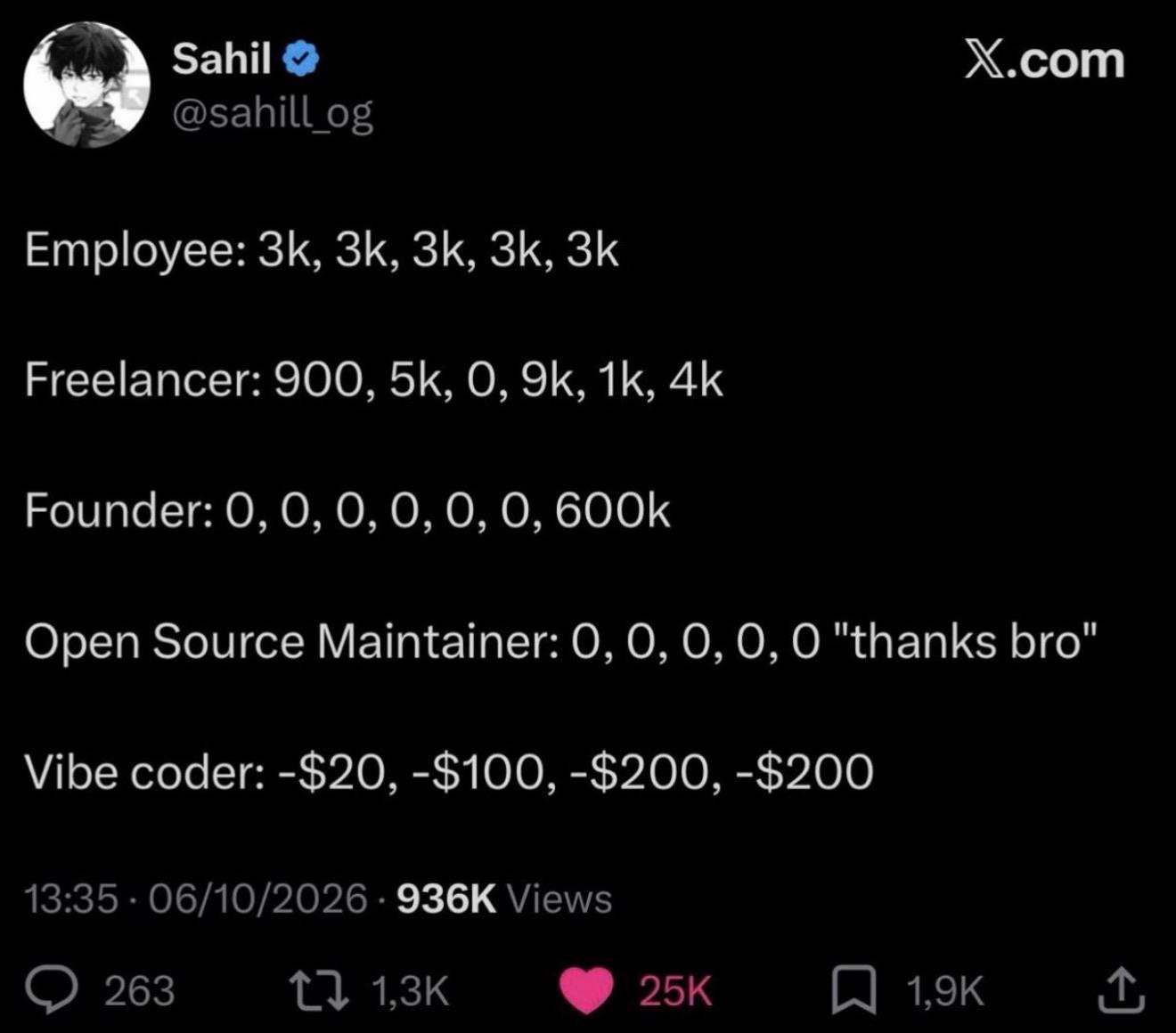


Pair programming Memes

Posts tagged with Pair programming
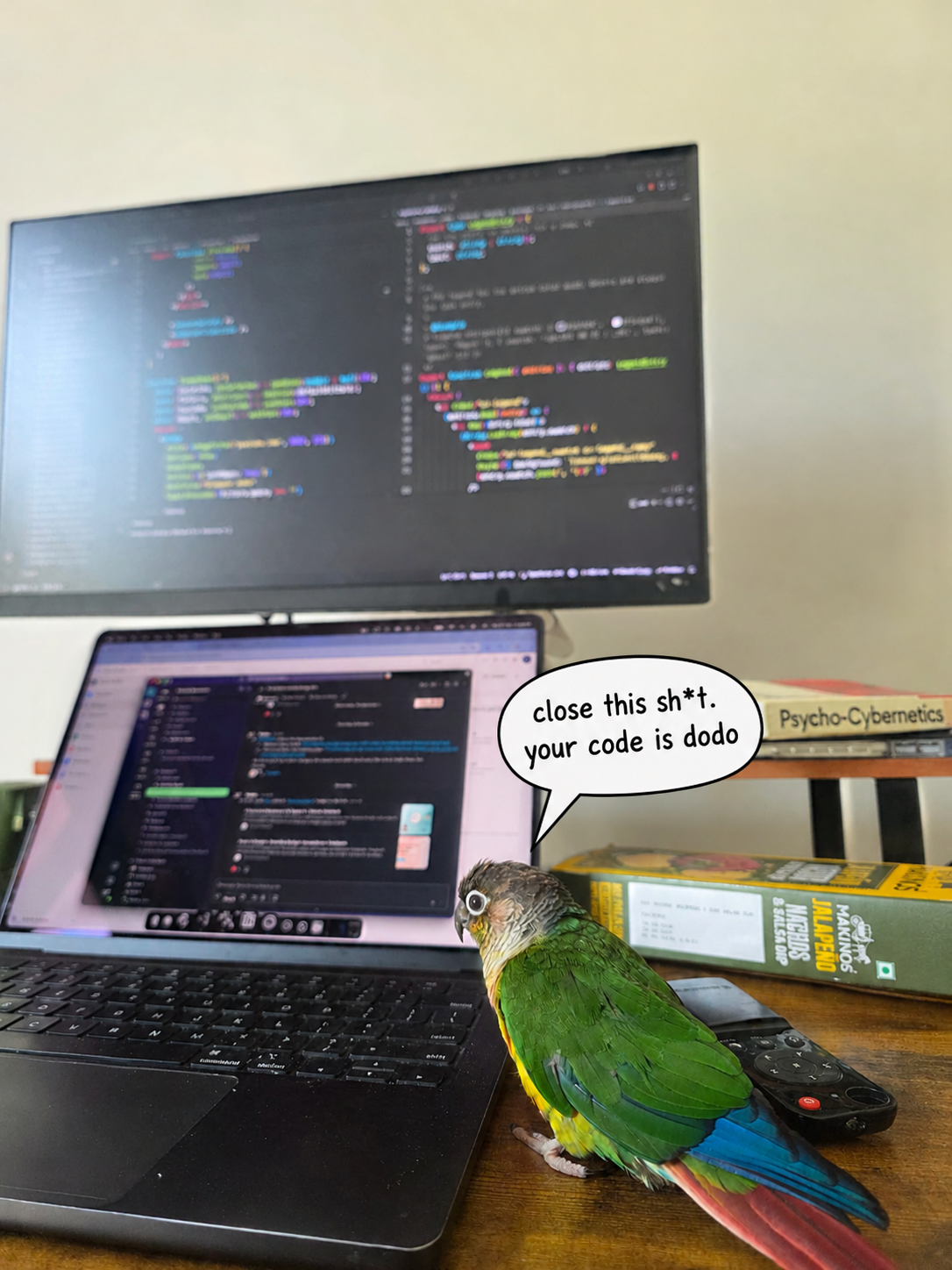
Call Me Master

Call Me Master
You know that intoxicating rush of dopamine when you casually drop a solution to a problem that's been haunting your colleague for an entire afternoon? Suddenly you're not just Dave from accounting software—you're The Oracle . They're practically kissing your hand like you're some mafia don who just granted them a favor they can never repay. The power dynamic shift is instant. One moment you're both equals struggling with the codebase, the next you're accepting their eternal gratitude while internally screaming "IT WAS JUST A MISSING SEMICOLON!" But you don't say that. You just nod knowingly, because maintaining the mystique is crucial. Bonus points if the fix was something embarrassingly simple like a typo, wrong variable name, or forgetting to restart the dev server. The simpler the solution, the more godlike you feel. It's the unspoken law of debugging.

Call Me Don

Call Me Don
You know that rush of dopamine when you swoop in with a one-line fix to someone's problem they've been banging their head against for 3+ hours? Suddenly you're not just a developer—you're a made man . They're kissing your ring, offering you their firstborn, promising eternal gratitude. The Godfather energy is real. You casually drop a console.log() in the right place, spot the typo in their variable name, or remember that one obscure edge case from Stack Overflow you read 2 years ago at 3am. Meanwhile they're treating you like you just solved P=NP. Best part? You'll probably be in their exact position tomorrow, staring at your own bug for hours until someone else comes along and points out you forgot to save the file. The circle of life in software development.

Never Ask For Help Debugging

Never Ask For Help Debugging
You spend 45 minutes crafting the perfect Slack message with code snippets, stack traces, what you've tried, and your environment details. You hit send. Then someone replies "hop on a call real quick" and suddenly you're doing a live performance of your debugging journey while they watch your screen. Now you get to re-explain everything you just typed, but this time with the added pressure of someone silently judging your variable names and that one commented-out console.log you forgot to remove. The real kicker? They'll probably solve it in 30 seconds by asking "did you try restarting it?" which you OBVIOUSLY already did but now you're questioning if you actually did.

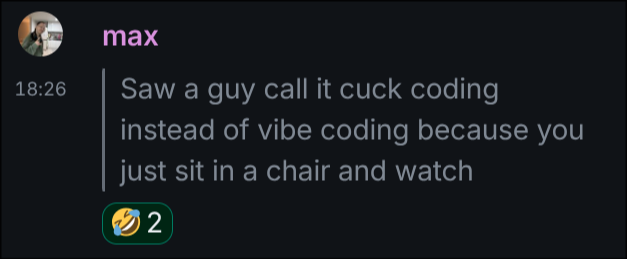
When You Know Your Teammate Is Vibe Coding But He's Hiding It Well

When You Know Your Teammate Is Vibe Coding But He's Hiding It Well
You know that look. The one where you're watching your coworker absolutely demolish a feature implementation while listening to lo-fi beats, completely in the zone, and somehow they're acting like it's just another Tuesday. Meanwhile you're over here wrestling with a merge conflict for the third hour straight. The real skill isn't the coding—it's maintaining that poker face during standup when the PM asks how it's going and they casually say "making progress" while secretly having already refactored half the codebase and fixed six bugs nobody knew existed. Respect the craft. Respect the silence.

Hide Code

Hide Code
That moment when you're pair programming and your teammate is absolutely crushing it—clean logic, elegant solutions, the works. But then you glance at their screen and realize they've got their code minimized, collapsed, or straight-up hidden behind another window. Like, dude, I KNOW you're cooking something beautiful over there, why are you protecting it like it's the nuclear launch codes? Either you're writing the next Linux kernel or you've got variable names like fart_counter and yeet() . The suspicion is real.

Vibe Coders

Vibe Coders
You know that guy who names his variables like "fireRocket" and "boomError" with matching emojis? Yeah, his code reads like a kindergarten art project but somehow it ships on time while your perfectly architected, SOLID-principled masterpiece is still in code review. The real pain hits when you're doing a pair programming session and they're throwing 🔥 and ✅ everywhere like they're decorating a Christmas tree, and you're sitting there wondering if your CS degree was worth it. But hey, at least when production breaks, you'll know exactly which function caused it: explosionHandler💥() . The worst part? Their code probably has better documentation than yours because emojis are universal. Can't argue with that logic when the PM understands their codebase better than yours.

Classic Dev To Dev Meeting

Classic Dev To Dev Meeting
Two developers finally meet in person after months of remote collaboration, only to discover one of them has been the rubber duck debugger all along. You know, that inanimate object you explain your code to until the solution magically appears? Turns out Dave from the backend team has just been nodding along this whole time while you solved your own problems. The gun is pointed, but honestly, it's justified. That's what you get for pretending to understand microservices architecture when you were really just there for moral support.

Han Solo Is My Co Pilot

Han Solo Is My Co Pilot
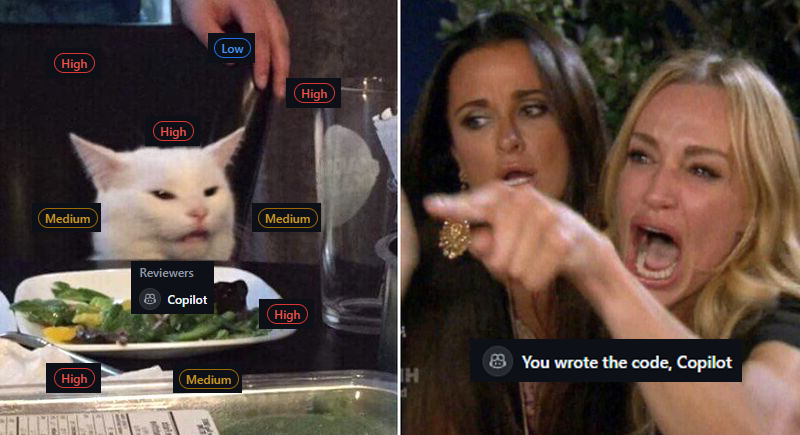
GitHub Copilot's autocomplete is so aggressive that searches for "how to turn off Copilot" have skyrocketed 266%. That's not a bug report—that's a cry for help. The tool meant to make you code faster has become the clingy coworker who finishes your sentences wrong. You type "function get" and suddenly you've got 47 lines of code you didn't ask for, solving a problem you don't have. The real kicker? People are so desperate to disable it that they're Googling the same question over and over, probably because Copilot keeps autocompleting their search query with something completely useless. It's the digital equivalent of trying to politely tell someone to stop helping you.

Please Don't Stand Behind Me

Please Don't Stand Behind Me
The mysterious transformation that occurs when someone watches you code is truly a universal phenomenon. One minute you're typing away like a professional, crafting elegant solutions with surgical precision. The next minute—when a coworker peeks over your shoulder—you suddenly forget how to type, what variables are, or why you even chose this career path. It's like your brain's autocomplete feature crashes the moment you have an audience. You start hitting backspace more than actual code, and basic syntax becomes an alien language. The confidence you had while coding alone evaporates faster than free pizza at a developer meetup. The best part? This happens regardless of your experience level. Ten years of coding expertise? Gone. Just because your manager decided to "check in" on your progress.

The Programmer's Performance Anxiety

The Programmer's Performance Anxiety
The mysterious transformation that occurs when someone watches you code - suddenly your fingers turn into drunk octopus tentacles and your brain into lukewarm pudding. One minute you're gracefully ascending the staircase of programming logic, the next you're tripping over your own semicolons while your coworker/boss/client stares in growing disappointment. It's like your keyboard spontaneously remaps itself to Dvorak the moment anyone peeks over your shoulder. The programmer's version of stage fright - where even a simple "Hello World" becomes an existential crisis.

Claude Has Been Here

Claude Has Been Here
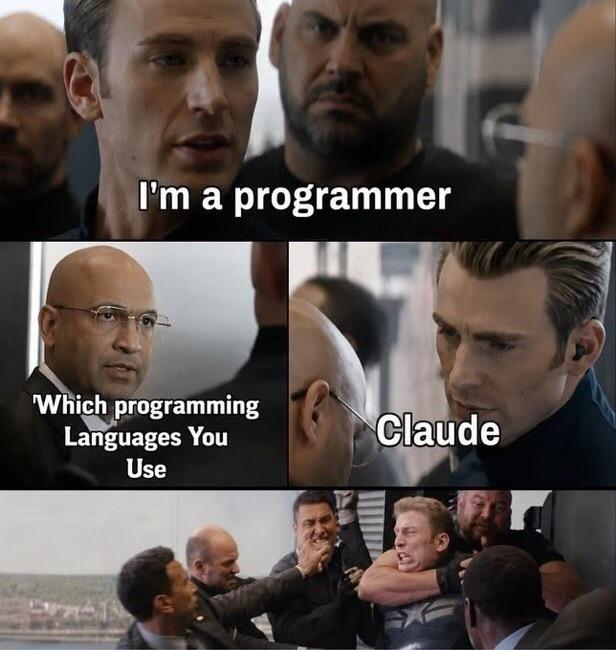
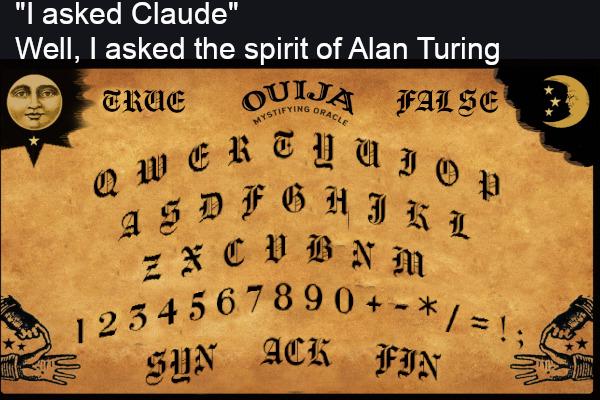
The telltale signs of AI assistance in your codebase are always there if you know where to look. Someone claims "Claude has been here," and the evidence? That cursed FINAL_SUMMARY.md file sitting in your repo root. It's like finding footprints in the snow - AI assistants and their weird habit of generating summary files nobody asked for. Eight PRs later and you're still finding random markdown files with perfect documentation that nobody on your team is skilled enough to have written.

Full Stack Fettuccine

Full Stack Fettuccine
The modern dev partnership nobody asked for but everyone's getting. You're over here writing tangled, unmaintainable code that somehow works (classic spaghetti), while AI swoops in to add the only thing that makes it palatable - some actual structure and features. Let's be honest, your code was going to production either way, but now it's slightly less likely to collapse under its own weight. The real irony? That chef looks more confident about the result than any of us feel about our codebase.