Maintainer life Memes

Posts tagged with Maintainer life
Foss

Foss
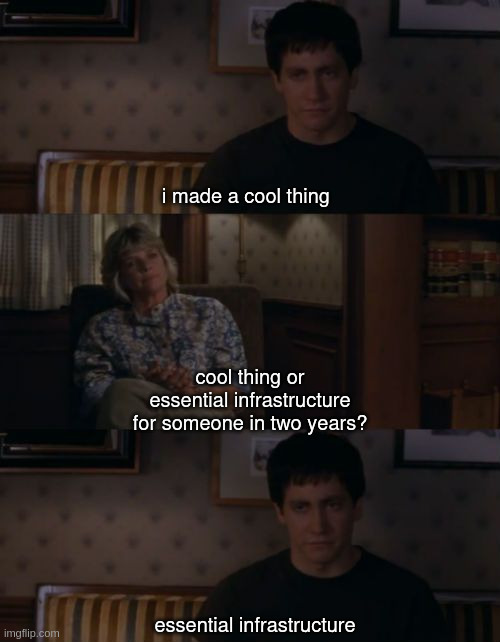
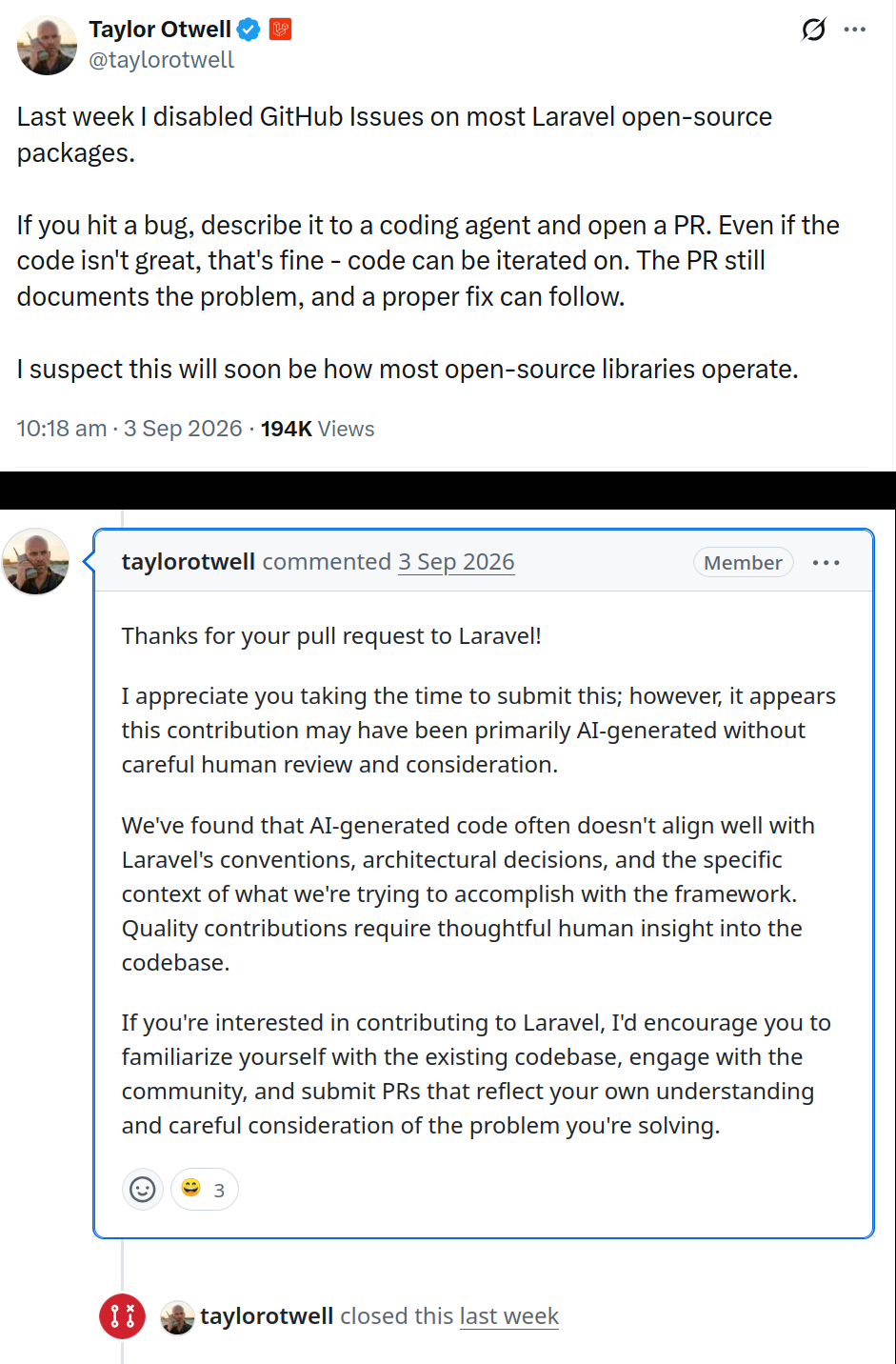
Every open-source developer's existential crisis in three panels. You start thinking you're building something neat, maybe a fun little utility or a clever library. Then reality slaps you with the uncomfortable truth: someone's entire production stack will depend on this in 24 months, and you'll be maintaining it for free while they make millions. The FOSS lifecycle: "Cool side project" → "Wait, 50,000 downloads?" → "Oh god, I'm now responsible for global infrastructure and my only compensation is GitHub stars." Welcome to the beautiful nightmare where your weekend hobby becomes critical infrastructure for Fortune 500 companies who won't even sponsor your coffee fund.

So Who Is Sending Patches Now

So Who Is Sending Patches Now
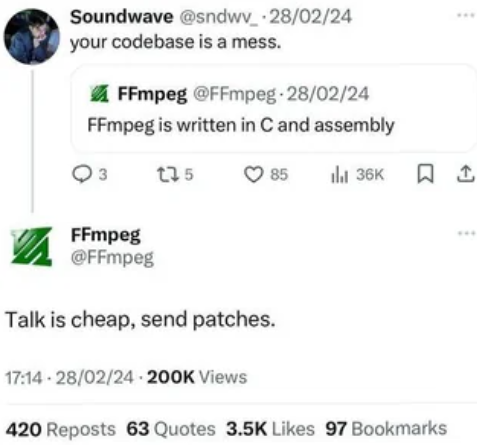
Someone tried to roast FFmpeg for having a "messy codebase" and got absolutely demolished with the most brutal comeback in open-source history. FFmpeg's response? "Talk is cheap, send patches." That's the beauty of open source right there. You can't just throw shade at a project that literally powers half the internet's video infrastructure—from Netflix to YouTube to your grandma's video editing app—and expect them to care about your opinion. FFmpeg is written in C and assembly because it needs to squeeze every last CPU cycle out of your hardware to decode 4K video without melting your laptop. The tweet went viral with 200K views because it's the perfect encapsulation of the open-source ethos: put up or shut up. Don't like the code? Fork it. Fix it. Submit a PR. Otherwise, you're just another armchair architect who's never had to optimize a hot loop in their life. This is the energy every maintainer wishes they could channel when dealing with drive-by critics on GitHub.

So Who Is Sending Patches Now

So Who Is Sending Patches Now
Random Twitter user: "Your codebase is a mess." FFmpeg (written in C and assembly): "Talk is cheap, send patches." The ultimate open-source mic drop. Nothing says "put up or shut up" quite like challenging critics to actually contribute to a notoriously complex codebase that even seasoned developers approach with caution. It's the programming equivalent of saying "I'd like to see you try" while sipping tea with your pinky out.